

Flat Rack FCL Demurrage Prevention for Auto Parts from China to Miami
“Shipping specialized auto parts from China to Miami using Flat Rack FCL containers presents unique challenges. One significant concern for importers is the potential for costly demurrage charges, which can quickly erode profit margins. Understanding effective prevention strategies is crucial for maintaining a smooth and economical supply chain. For comprehensive logistics solutions, explore our services at China Top Freight.”

Understanding Flat Rack FCL Demurrage for Auto Parts
❖Shipping oversized or irregularly shaped auto parts from China to Miami often necessitates specialized Flat Rack Full Container Load (FCL) services. This method accommodates cargo that cannot fit into standard enclosed containers, offering flexibility for unique dimensions. However, this specialized approach also introduces specific risks that require careful management.
Demurrage refers to the charges levied by shipping lines when a container remains at the port terminal beyond the agreed-upon free time. These fees accumulate daily and can become substantial, especially for Flat Rack containers due to their specialized handling requirements. Preventing Flat Rack FCL demurrage for auto parts from China to Miami is therefore paramount.
What is Flat Rack FCL Shipping?
Flat Rack containers feature collapsible or fixed ends, lacking side walls and a roof. This design is ideal for heavy lift, oversized, or odd-dimension cargo such as large engine blocks, chassis frames, or heavy machinery components for vehicles. They offer robust support for cargo that extends beyond standard container dimensions.
Choosing FCL means you utilize the entire container exclusively for your shipment. This method is generally more cost-effective and provides better security for large volumes of auto parts. Furthermore, it avoids potential delays associated with consolidating cargo from multiple shippers, streamlining your logistics process.
How Does Demurrage Occur?
Demurrage typically arises from delays at the destination port, particularly at busy hubs like Miami. These delays can stem from various factors, including customs clearance issues, incomplete documentation, or unforeseen port congestion. Inadequate planning for cargo pickup also contributes significantly to these charges.
Moreover, local transportation bottlenecks or a shortage of drayage capacity can prevent timely container retrieval. Each day a Flat Rack FCL container sits idle at the port beyond its free time allowance, demurrage charges accrue. Consequently, vigilant oversight is essential to mitigate these extra costs effectively.
Proactive Strategies for Demurrage Prevention
❖Implementing a robust strategy is key to avoiding demurrage when importing auto parts. This involves meticulous planning, efficient communication, and leveraging expert services. By addressing potential bottlenecks before they arise, you can ensure a smoother and more cost-effective shipping process. Ultimately, this proactive approach safeguards your profit margins.
Effective prevention of Flat Rack FCL demurrage for auto parts from China to Miami demands a multi-faceted approach. This includes optimizing every stage of the supply chain, from origin factory to final delivery. Therefore, a comprehensive strategy is indispensable for success.
Meticulous Documentation and Customs Preparation
Accurate and complete documentation is the cornerstone of efficient customs clearance. Errors or omissions in your commercial invoice, packing list, bill of lading, or certificates of origin can cause significant delays. These delays directly lead to demurrage charges at the port.
Working with experienced customs brokerage services is highly recommended. They can pre-clear your shipment, ensuring all necessary permits and declarations are filed correctly and on time. This proactive measure drastically reduces the risk of hold-ups upon arrival in Miami, preventing Flat Rack FCL demurrage for auto parts.
Optimized Port Operations and Drayage Planning
Coordinating the timely pickup of your Flat Rack container from the Port of Miami is critical. This requires pre-booking drayage services well in advance, especially for specialized equipment. Ensure your trucking company has the correct chassis and permits to handle oversized cargo.
Establishing clear communication channels with your drayage provider and warehouse team is vital. Consequently, everyone involved must be prepared for immediate action once the container is discharged. This streamlined approach minimizes dwell time and avoids unnecessary demurrage fees.
Real-time Tracking and Communication
Utilize advanced tracking systems to monitor your shipment’s progress from China to Miami continuously. Knowing the precise estimated time of arrival (ETA) allows you to prepare for customs and drayage proactively. Unexpected delays can then be addressed swiftly, minimizing their impact.
Maintaining open lines of communication with your freight forwarder, shipping line, and local partners is indispensable. Promptly sharing updates and anticipating potential issues helps in making informed decisions. This collaborative effort helps in preventing Flat Rack FCL demurrage for auto parts shipments.
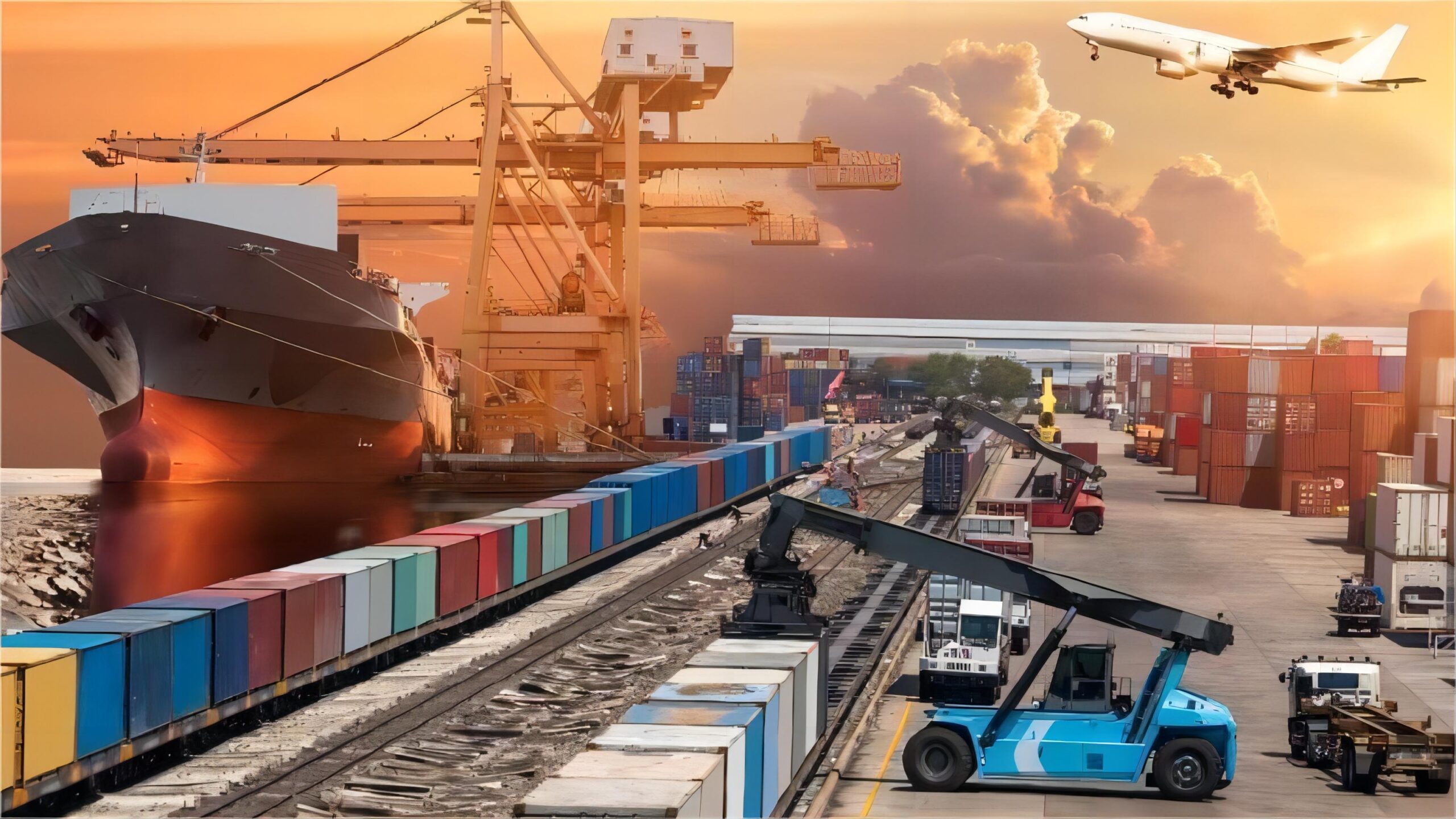
How Does Flat Rack FCL Compare to Other Shipping Options for Auto Parts?
❖Choosing the right shipping method for auto parts from China to Miami depends on several factors, including cargo size, urgency, and budget. While Flat Rack FCL is ideal for oversized items, other options might be more suitable for different types of auto components. Consequently, a thorough comparison is essential for informed decision-making.
Understanding the trade-offs between various freight solutions helps in optimizing your supply chain. This section provides an objective analysis of viable alternatives, ensuring you select the most efficient and cost-effective method. Thus, you can effectively prevent Flat Rack FCL demurrage for auto parts by choosing wisely.

| Shipping Method | Cost Range (China to Miami) | Transit Time | Best For | Limitations |
|---|---|---|---|---|
| Flat Rack FCL Sea Freight | $4,500-6,000 (40HQ equivalent) | 30-35 days | Oversized, heavy auto parts | Long transit, demurrage risk |
| Standard FCL Sea Freight | $4,000-5,500 (40HQ) | 30-35 days | Large volume, non-oversized auto parts | Long transit, port congestion |
| LCL Sea Freight | $80-150/CBM | 35-45 days | Small volume, non-urgent, non-oversized auto parts | Longer transit, more handling, limited cargo type |
| Air Freight | $15,000-25,000 (for 1000kg) | 5-7 days | Urgent, high-value, smaller auto parts | Very expensive, weight/size restrictions |
Sea Freight vs. Air Freight for Auto Parts
For most auto parts, sea freight is the most economical option, especially for heavy or bulky items. It offers significant cost savings compared to air freight, making it suitable for less time-sensitive shipments. Transit times from China to Miami typically range from 30-35 days.
Conversely, air freight provides unparalleled speed, delivering goods in 5-7 days. This method is ideal for urgent or high-value auto parts where rapid delivery outweighs higher costs. However, air freight is generally unsuitable for oversized cargo requiring Flat Rack containers due to aircraft size limitations and extreme expense.
FCL vs. LCL for Specialized Cargo
Full Container Load (FCL) shipping, including Flat Rack FCL, is generally preferred for larger shipments exceeding 15 cubic meters (CBM). It offers dedicated container space, reducing handling and transit times. This method is often more economical per unit for significant volumes.
Less than Container Load (LCL) is a viable option for smaller volumes of auto parts that can fit into standard containers. While it offers flexibility for smaller shipments, LCL involves consolidation and deconsolidation, which can add transit time and increase the risk of delays. For oversized auto parts, LCL is not an option.
Case Studies: Successful Demurrage Prevention for Auto Parts
❖Real-world examples illustrate the effectiveness of proactive strategies in preventing Flat Rack FCL demurrage for auto parts. These cases highlight meticulous planning, strong communication, and expert partnership. Learning from these scenarios can help refine your own shipping processes. Consequently, you can avoid costly delays.
These case studies, based on Q3 2024 market rates, demonstrate how various companies successfully navigated complex logistics. They underscore the importance of preparation and flexibility in international shipping. Such insights are invaluable for any importer dealing with specialized cargo from China to Miami.
Case Study 1: Large Engine Blocks to Miami
This importer needed to transport several large engine blocks, each weighing over 5 tons, from Shanghai to Miami. The critical factor was ensuring timely delivery to meet production schedules. Demurrage charges would have severely impacted their project timeline and budget. Therefore, stringent planning was implemented.
| Detail | Description |
|---|---|
| Route | Shanghai, China -> Miami, USA |
| Cargo | Heavy engine blocks, 25 CBM, 20,000 kg |
| Container | 2 x 40′ Flat Rack |
| Shipping Details | Carrier: COSCO, Port of Loading: Shanghai, Port of Discharge: Miami, Route Type: Direct |
| Cost Breakdown | Ocean Freight: $11,000, Origin Charges: $950, Destination Charges: $800, Customs & Duties (estimated): $1,200, Total Landed Cost: $13,950 |
| Timeline | Booking to Loading: 7 days, Sea Transit: 32 days, Customs Clearance: 2 days, Total Door-to-Door: 41 days |
| Key Insight | Pre-clearance via customs broker and pre-booked specialized drayage prevented 5 days of potential demurrage. |

Case Study 2: Oversized Vehicle Frames
A manufacturer required oversized vehicle frames from Ningbo for assembly in their Miami facility. These frames exceeded standard container dimensions, necessitating Flat Rack FCL. The challenge involved coordinating precise delivery with their production line, making demurrage an unacceptable outcome. Thus, proactive measures were essential for this shipment.
| Detail | Description |
|---|---|
| Route | Ningbo, China -> Miami, USA |
| Cargo | Oversized vehicle frames, 30 CBM, 15,000 kg |
| Container | 2 x 40′ Flat Rack |
| Shipping Details | Carrier: Maersk, Port of Loading: Ningbo, Port of Discharge: Miami, Route Type: Transshipment via Panama (faster option) |
| Cost Breakdown | Ocean Freight: $10,500, Origin Charges: $850, Destination Charges: $750, Customs & Duties (estimated): $1,050, Total Landed Cost: $13,150 |
| Timeline | Booking to Loading: 6 days, Sea Transit: 28 days, Customs Clearance: 3 days, Total Door-to-Door: 38 days |
| Key Insight | Early documentation submission and a flexible free time agreement with the carrier mitigated unforeseen port delays. |
Optimizing Your Supply Chain for Auto Parts Demurrage Prevention
❖Beyond individual shipment strategies, a holistic approach to your supply chain can significantly reduce demurrage risks. This involves integrating various services and technologies to create a resilient and efficient logistics network. Such optimization is vital for sustained success in importing auto parts.
Consider leveraging comprehensive services, such as door-to-door shipping, which streamline the entire process. This minimizes handoffs and potential points of failure, directly contributing to Flat Rack FCL demurrage prevention for auto parts from China to Miami. A well-managed supply chain protects against unexpected costs.
The Role of Freight Forwarders
A reputable freight forwarder acts as your central point of contact, coordinating all aspects of your shipment. They possess the expertise and network to navigate complex international shipping regulations and port procedures. This reduces the administrative burden on your team.
Freight forwarders can negotiate better rates and free time with carriers, leveraging their volume. They also provide critical insights into market conditions and potential challenges. Their proactive communication and problem-solving skills are invaluable for preventing demurrage charges effectively.
Advanced Supply Chain Planning
Implement robust inventory management systems to forecast demand accurately and avoid last-minute rush shipments. This allows for sufficient lead time in booking Flat Rack FCL containers and arranging drayage. Consequently, you can avoid reactive and costly decisions.
Develop contingency plans for potential disruptions, such as port strikes or severe weather. Having alternative routes or backup drayage providers can prevent containers from accumulating demurrage. This foresight is a powerful tool in maintaining supply chain resilience.
Selecting the Best Shipping Approach for Your Auto Parts
❖The optimal shipping strategy for auto parts from China to Miami is not one-size-fits-all. It depends heavily on your specific business priorities. Therefore, a clear decision framework is beneficial for consistently making the right choices. This section helps you evaluate your needs.
By aligning your shipping method with your primary objectives, you can minimize costs and maximize efficiency. This approach directly supports the goal of Flat Rack FCL demurrage prevention for auto parts. Making informed decisions saves both time and money in the long run.
Budget-Conscious Importers
If cost is your primary concern, standard FCL sea freight or Flat Rack FCL (if cargo demands it) is generally the most economical. Focus on negotiating favorable free time agreements and ensuring precise documentation to avoid demurrage. Consider off-peak shipping times to secure lower rates.
Moreover, consolidating multiple orders into one FCL shipment can further reduce per-unit shipping costs. This strategy requires careful planning but yields significant savings. Always compare quotes from multiple providers to find the best value.
Time-Sensitive Shipments
For urgent auto parts, air freight is the fastest option, albeit at a higher cost. If Flat Rack FCL is necessary, prioritize direct routes and carriers known for reliability and faster transit times. Invest in expedited customs clearance to shave off critical days.
Furthermore, ensure immediate drayage arrangements are confirmed before the vessel’s arrival. This proactive scheduling minimizes any potential delays at the Port of Miami. Every hour saved contributes to faster delivery and prevents demurrage.
High-Value or Fragile Components
Regardless of shipping method, ensure adequate insurance coverage for high-value auto parts. For fragile items, robust packaging and proper securing within the Flat Rack container are paramount. Minimize handling points to reduce damage risk.
For such sensitive cargo, a dedicated FCL (including Flat Rack) offers better protection than LCL. This reduces the likelihood of damage from other cargo. Ultimately, the right handling and protection safeguard your investment and prevent costly replacements.
Navigating Market Risks for Flat Rack FCL Shipments
❖Global logistics markets are dynamic, influenced by various factors that can impact shipping costs and transit times. Understanding these market conditions is crucial for effective planning and risk mitigation. This knowledge helps in securing favorable terms and avoiding unexpected expenses.
Staying informed about industry trends and seasonal patterns allows importers to anticipate challenges. This proactive approach is essential for preventing Flat Rack FCL demurrage for auto parts from China to Miami. Consequently, businesses can maintain a competitive edge.
Impact of Global Logistics Trends
As of Q1 2025, freight rates from China to USA East Coast have largely stabilized after the 2024 Red Sea disruptions. However, geopolitical events and economic shifts can still introduce volatility. Supply chain resilience remains a top priority for many businesses.
Industry benchmarks suggest that carrier capacity and equipment availability, especially for specialized Flat Racks, can fluctuate. Monitoring these trends helps in making timely booking decisions. This vigilance helps in securing your space and avoiding premium charges.
Seasonal Rate Increases and Port Congestion
Freight rates typically increase by 15-25% during peak seasons, notably from August to October, ahead of holiday shopping. Chinese New Year also causes significant disruptions, with factories closing and port operations slowing. Planning around these periods is vital.
Port congestion, particularly at major hubs like Miami, can lead to extended dwell times and increased demurrage risk. Staying updated on port conditions and having flexible logistics partners can help circumvent these issues. Proactive scheduling during these times is critical.
Legal and Contractual Safeguards
❖Beyond operational efficiency, robust contractual agreements play a crucial role in mitigating demurrage risks. Understanding the terms and conditions with carriers and forwarders is paramount. These legal safeguards provide a framework for managing potential disputes and liabilities.
A clear understanding of your rights and responsibilities can prevent misunderstandings and financial penalties. Therefore, reviewing all agreements meticulously is a non-negotiable step. This ensures comprehensive Flat Rack FCL demurrage prevention for auto parts from China to Miami.
Negotiating Free Time Agreements
Standard free time for containers at ports usually ranges from 3 to 7 days. For Flat Rack FCL, given the specialized handling, negotiating extended free time can be a significant advantage. Experienced freight forwarders can often secure longer periods.
Always aim for at least 7-10 days of free time, especially for complex shipments or during peak seasons. This buffer provides crucial flexibility for unexpected delays in customs or drayage. A longer free time allowance directly reduces the risk of incurring demurrage.
Understanding Incoterms
Incoterms (International Commercial Terms) define the responsibilities of buyers and sellers for the delivery of goods. Choosing the right Incoterm, such as FOB (Free On Board) or DDP (Delivered Duty Paid), impacts who is responsible for demurrage charges. Clearly defining these terms is essential.
For example, under DDP, the seller handles all costs and risks until the goods reach the buyer’s premises, including potential demurrage. Conversely, under FOB, the buyer assumes responsibility once goods are loaded onto the vessel. Therefore, a clear understanding prevents disputes.
Conclusion: Master Your Auto Parts Logistics to Miami
Successfully importing Flat Rack FCL auto parts from China to Miami requires a strategic and proactive approach. Effective demurrage prevention hinges on meticulous planning, robust documentation, and timely communication. Leveraging technology and expert freight forwarding partnerships further enhances efficiency and mitigates risks.
By understanding market dynamics, implementing contractual safeguards, and choosing the right shipping solutions, businesses can significantly reduce costs. Ultimately, a well-managed supply chain ensures smooth, predictable, and profitable operations for your specialized auto parts. This proactive stance is key to avoiding unforeseen expenses.
Ready to streamline your logistics?
Ready to optimize your auto parts shipments and prevent costly demurrage? Contact China Top Freight today for expert guidance and a tailored logistics solution for your Flat Rack FCL needs from China to Miami. We provide reliable and efficient shipping services. Learn more at China Top Freight.
Request Quote