

China FCL Supply Chain Solution to Miami: Your Ultimate Guide
Navigating the complexities of international shipping, especially for full container load (FCL) shipments from China to Miami, can be a significant challenge for businesses. However, with the right strategy and expert support, you can transform these challenges into opportunities for growth and efficiency. This comprehensive guide, brought to you by China Top Freight, aims to demystify the process and provide actionable insights for a seamless supply chain.
What is an FCL Supply Chain Solution to Miami?
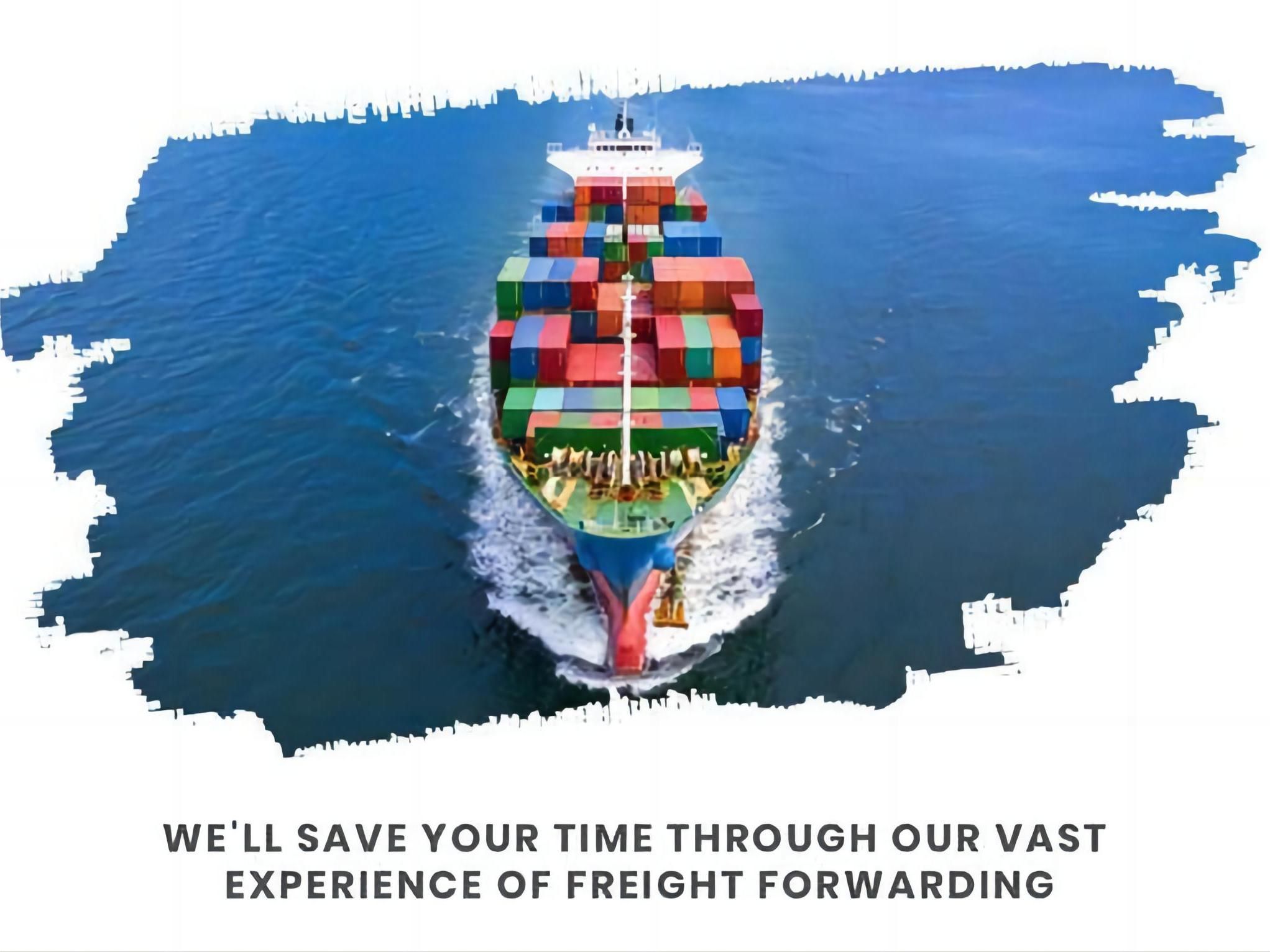
An FCL (Full Container Load) supply chain solution to Miami involves shipping goods from China in a dedicated container, typically a 20-foot or 40-foot unit. This method is ideal for businesses with sufficient cargo volume to fill an entire container, offering greater security and often faster transit times compared to sharing space.
Crucially, it encompasses more than just ocean freight. A complete FCL supply chain solution includes origin logistics like warehousing and trucking, customs clearance at both ends, and final mile delivery to your Miami destination. Therefore, understanding each component is vital for optimizing your import process from China to Miami.
Why Choose FCL for Your China to Miami Shipments?
Opting for FCL shipping from China to Miami presents several distinct advantages for businesses, particularly those with consistent, high-volume import needs. Firstly, FCL offers enhanced security, as your goods are sealed within a private container, minimizing handling and potential damage or theft.
Moreover, FCL typically provides faster transit times because containers do not need to be consolidated or deconsolidated at various ports. This direct route significantly reduces delays. Additionally, while the upfront cost might seem higher than LCL (Less than Container Load), the per-unit cost often becomes more economical for larger volumes, making it a cost-effective FCL solution.
Ultimately, choosing FCL means greater control over your cargo, predictable delivery schedules, and reduced risks. This makes it a preferred option for many importers seeking efficiency and reliability in their China to USA supply chain.
How Does FCL Compare to Other Shipping Options to Miami?
When planning your imports from China to Miami, evaluating various shipping methods is crucial. Each option offers different trade-offs in terms of shipping costs, transit time, and suitability for specific cargo types. Understanding these differences helps in making informed decisions for your supply chain optimization.
For instance, while air freight offers speed, its cost can be prohibitive for large or heavy shipments. Conversely, LCL is flexible for smaller volumes but may involve longer transit times due to consolidation. Therefore, comparing these methods against FCL is essential for selecting the most appropriate solution.
| Shipping Method | Cost Range | Transit Time | Best For | Limitations |
|---|---|---|---|---|
| FCL (Full Container Load) | $2,500 – $6,000 | 30-35 days | Large volumes, secure cargo, lower per-unit cost | Requires full container, longer lead times |
| LCL (Less than Container Load) | $80 – $150 per CBM | 35-50 days | Small to medium volumes, flexible | Higher per-unit cost than FCL, more handling, longer transit |
| Air Freight | $5 – $10 per kg | 5-7 days | Urgent, high-value, small shipments | Very high cost, limited by weight/volume |
| Express Service | $8 – $15 per kg | 3-5 days | Samples, documents, very urgent small packages | Highest cost, strict weight/size limits |

Optimizing Your FCL Shipping Route from China to Miami
Optimizing your FCL shipping route to Miami involves careful planning and consideration of several factors. The primary port of discharge for Miami-bound cargo is typically the PortMiami, a major gateway for trade with Latin America and beyond. Selecting the right port of loading in China, such as Shanghai, Ningbo, or Shenzhen, is also crucial, depending on your supplier’s location.
Furthermore, choosing a reliable carrier and understanding their routes can significantly impact transit time and cost. Direct routes are generally preferred for speed, although transshipment options might offer cost savings at the expense of a few extra days. Partnering with an experienced freight forwarder is paramount for navigating these complexities and ensuring smooth international shipping to Miami.
Key Steps for a Smooth China FCL Supply Chain to Miami
Successfully managing an FCL supply chain from China to Miami requires attention to detail across multiple stages. Each step contributes to the overall efficiency and cost-effectiveness of your shipment. Therefore, a structured approach is highly beneficial.
Initially, accurate cargo handling and proper packaging at the origin are fundamental. Next, securing competitive ocean freight rates and booking with reputable carriers ensures reliability. Finally, efficient customs brokerage and timely delivery are critical for the final leg of the journey.
1. Origin Logistics and Booking
Before anything else, coordinating with your supplier for cargo readiness is essential. This includes proper packaging, labeling, and ensuring all goods are prepared for export. Subsequently, selecting the appropriate container size (20GP, 40GP, or 40HQ) based on your cargo volume is vital. Booking your FCL shipment with a trusted freight forwarder, like sea freight specialists, ensures optimal vessel space and competitive rates. This stage sets the foundation for the entire journey.

2. Ocean Transit and Tracking
Once loaded, your container embarks on its ocean voyage. The transit time from major Chinese ports to Miami typically ranges from 30 to 35 days, depending on the specific route and carrier. During this period, reliable tracking systems provided by your freight forwarder allow you to monitor your cargo’s progress. Regular updates are crucial for managing expectations and planning for arrival. Unexpected delays, such as port congestion or adverse weather, can occur, making real-time information invaluable.
3. Customs Clearance in Miami
Upon arrival at PortMiami, your FCL shipment will undergo US Customs and Border Protection (CBP) clearance. This process demands meticulous preparation of all necessary documentation, including the commercial invoice, packing list, bill of lading, and import permits. Engaging a professional customs brokerage service is highly recommended to ensure compliance and avoid costly delays or penalties. They can efficiently handle duties, taxes, and regulatory requirements, streamlining your Miami import logistics.
| Document | Purpose | Requirement |
|---|---|---|
| Commercial Invoice | Details of goods, value, buyer/seller | Mandatory for customs |
| Packing List | Itemized list of contents, weight, dimensions | Aids inspection and verification |
| Bill of Lading (BOL) | Contract of carriage, title to goods | Essential for cargo release |
| Arrival Notice | Notification of shipment arrival | Issued by carrier/agent |
| Customs Bond | Guarantees payment of duties/taxes | Required for imports over $2,500 |
4. Inland Transportation and Delivery
After customs clearance, the final leg of your supply chain solution involves transporting the container from PortMiami to your specified warehouse or distribution center. This is where door to door service providers excel, coordinating drayage (port to local warehouse) and potentially further trucking. Efficient inland transportation is critical for maintaining delivery schedules and minimizing additional costs. Many importers also leverage specialized services like Amazon FBA delivery if their final destination is an Amazon fulfillment center in Florida.
Case Studies: Real-World China FCL Shipments to Miami
Examining real-world scenarios provides valuable insights into the practical application of China FCL supply chain solutions to Miami. These examples highlight typical costs, transit times, and potential challenges, reflecting current market conditions as of early 2025.
Case Study 1: Consumer Electronics Import
This shipment illustrates a common scenario for a 40HQ container of consumer electronics, requiring careful handling and timely delivery to a Miami distribution center. The focus was on balancing cost-effectiveness with a reliable transit time.
| Detail | Value |
|---|---|
| Route | Shenzhen, China -> PortMiami, USA |
| Cargo | Consumer Electronics, 65 CBM, 10,000 kg |
| Container | 40HQ |
| Shipping Details | |
| Carrier/Service | COSCO |
| Port of Loading | Shenzhen |
| Port of Discharge | PortMiami |
| Route Type | Direct |
| Cost Breakdown | |
| Ocean Freight | $4,800 (Typical rates as of early 2025) |
| Origin Charges (THC, documentation) | $350 |
| Destination Charges | $600 |
| Customs & Duties (estimated) | $1,200 |
| Total Landed Cost | $6,950 |
| Timeline | |
| Booking to Loading | 7 days |
| Sea Transit | 32 days |
| Customs Clearance | 3 days |
| Total Door-to-Door | 45 days |
| Key Insight | Proactive customs document submission significantly sped up clearance. Carrier choice impacted transit by 3-5 days. |
Case Study 2: Apparel and Textiles for Retail
This case study involves a 20GP container of apparel, emphasizing the need for efficient logistics to meet seasonal retail demands in Miami. The strategy focused on a balance of speed and cost for a smaller FCL volume.
| Detail | Value |
|---|---|
| Route | Ningbo, China -> PortMiami, USA |
| Cargo | Apparel and Textiles, 28 CBM, 5,500 kg |
| Container | 20GP |
| Shipping Details | |
| Carrier/Service | MSC |
| Port of Loading | Ningbo |
| Port of Discharge | PortMiami |
| Route Type | Transshipment via Panama Canal |
| Cost Breakdown | |
| Ocean Freight | $3,200 (Based on Q1 2025 market rates) |
| Origin Charges (THC, documentation) | $300 |
| Destination Charges | $550 |
| Customs & Duties (estimated) | $800 |
| Total Landed Cost | $4,850 |
| Timeline | |
| Booking to Loading | 5 days |
| Sea Transit | 38 days |
| Customs Clearance | 4 days |
| Total Door-to-Door | 50 days |
| Key Insight | Transshipment offered a lower ocean freight rate but added several days to the overall transit time. Early booking secured better rates. |
Case Study 3: Furniture Components for Manufacturing
This example details the FCL import of bulky furniture components, where container utilization and minimizing damage were primary concerns. The shipment aimed for a direct delivery to a manufacturing facility outside central Miami.
| Detail | Value |
|---|---|
| Route | Shanghai, China -> PortMiami, USA |
| Cargo | Furniture Components, 60 CBM, 8,000 kg |
| Container | 40GP |
| Shipping Details | |
| Carrier/Service | Maersk |
| Port of Loading | Shanghai |
| Port of Discharge | PortMiami |
| Route Type | Direct |
| Cost Breakdown | |
| Ocean Freight | $4,500 (Industry average for this route, Q2 2025) |
| Origin Charges (THC, documentation) | $400 |
| Destination Charges | $650 |
| Customs & Duties (estimated) | $1,000 |
| Total Landed Cost | $6,550 |
| Timeline | |
| Booking to Loading | 6 days |
| Sea Transit | 30 days |
| Customs Clearance | 3 days |
| Total Door-to-Door | 42 days |
| Key Insight | Choosing a direct carrier with a good reputation for on-time delivery was key. Proper container loading prevented damage to fragile components. |
Which FCL Option Should You Choose for Your Miami Imports?
Deciding on the optimal FCL strategy for your China to Miami imports depends heavily on your specific business priorities and cargo characteristics. A tailored approach ensures maximum efficiency and cost-effectiveness. Therefore, carefully assess your needs against the available options.
Consider these criteria to guide your decision-making process. Each factor plays a significant role in defining the most suitable FCL supply chain solution for your business.
Budget Priority
If minimizing shipping costs is your primary concern, focus on securing competitive ocean freight rates and optimizing container utilization. Opt for standard FCL service rather than premium options, and consider slightly longer transit times if they offer better rates. Engaging a freight forwarder who can negotiate bulk rates is also beneficial.
Speed Priority
For urgent shipments where speed is paramount, prioritize direct routes with minimal transshipment. While FCL is generally slower than air freight, choosing carriers known for faster transit times and efficient port operations can shave days off the journey. Expedited customs clearance services can also accelerate the process upon arrival.
Cargo Type Considerations
The nature of your cargo significantly influences the best FCL solution. For delicate or high-value goods, enhanced security measures and careful handling are crucial. For bulky or heavy items, ensure proper loading and securing within the container to prevent damage. Specialized containers might be needed for certain commodities, impacting overall logistics trends.
Volume Thresholds for Switching Methods
Generally, FCL becomes more economical than LCL when your shipment volume exceeds 15-20 CBM (Cubic Meters). Below this threshold, LCL might offer better value. However, if your cargo is sensitive, fragile, or requires dedicated space, FCL could be preferable even for slightly smaller volumes. Continuously evaluating your cargo volume against current freight rates is a smart strategy.

Navigating Customs, Regulations, and Market Trends
A successful China FCL supply chain solution to Miami also hinges on a deep understanding of customs regulations and current market dynamics. Import/export compliance is non-negotiable, and staying informed about changing logistics trends can provide a competitive edge. Therefore, proactive management of these external factors is essential.
As of Q1 2025, freight rates from China to the USA East Coast have stabilized somewhat after the significant fluctuations of recent years, though geopolitical events and fuel surcharges remain potential disruptors. Rates typically increase 15-25% during the August-October peak season. Always consult with your freight forwarder for the most current market data and a tailored quote. Note: Freight rates are subject to change based on fuel costs, carrier capacity, and seasonal demand. Contact us for a current quote tailored to your specific shipment.
Conclusion: Master Your China FCL Supply Chain to Miami
Establishing an efficient and reliable China FCL supply chain solution to Miami is crucial for any business engaged in international trade. By understanding the intricacies of FCL shipping, leveraging expert services, and staying informed about market trends, you can significantly enhance your import operations.
Partnering with an experienced freight forwarder simplifies the entire process, from origin to final delivery. This ensures your cargo arrives safely, on time, and within budget, ultimately contributing to your business’s success in the competitive Miami market.
Ready to streamline your logistics?
Ready to optimize your China FCL supply chain solution to Miami? Contact us today for a personalized consultation and a competitive quote. Our team of experts is dedicated to providing efficient, reliable, and cost-effective shipping solutions tailored to your unique business needs.
Request Quote