

40GP FCL Sailing Schedule for Toys from China to New York
Importing toys from China to New York demands precise planning and a clear understanding of logistics. Securing an efficient 40GP FCL sailing schedule for toys from China to New York is paramount for timely market entry and cost control. This guide provides essential insights to streamline your shipping process, ensuring your products arrive safely and on schedule. Explore comprehensive solutions at China Top Freight.
Understanding the 40GP FCL Sailing Schedule for Toys from China to New York
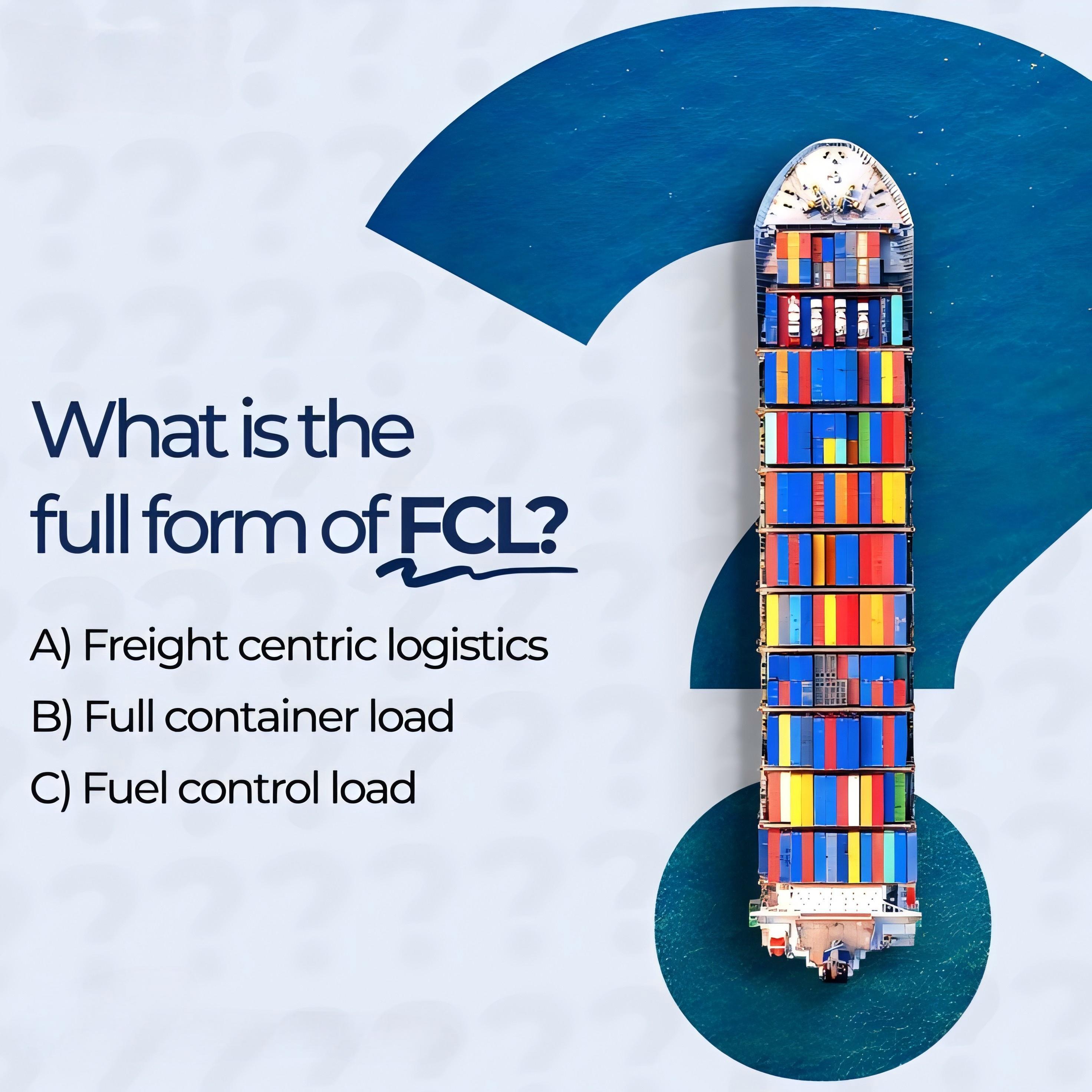
A 40GP FCL, or 40-foot General Purpose Full Container Load, is often the most economical choice for substantial toy imports. This container type offers approximately 67 cubic meters of space, ideal for large volumes of merchandise. Knowing the precise sailing schedule is crucial for managing inventory and meeting market demands effectively.
Generally, the journey from major Chinese ports to New York’s port involves significant transit time. Therefore, careful advance planning is indispensable. This ensures your supply chain remains robust and responsive to market fluctuations.
Key Factors Influencing Transit Times
Several variables directly impact the overall transit time for your 40GP FCL shipment. Firstly, the choice between a direct route and a transshipment route profoundly affects delivery speed. Direct services typically offer faster transit, albeit sometimes at a higher cost.
Moreover, carrier selection plays a vital role; different shipping lines have varying schedules and service speeds. Port congestion in both origin and destination harbors can also introduce unexpected delays. Seasonal weather conditions, such as typhoons in Asia or winter storms in the Atlantic, further influence sailing durations. Understanding these elements is key to accurate delivery schedule predictions.
Major Ports and Typical Routes
China boasts several prominent export hubs for toys, including Shanghai, Ningbo, Shenzhen, and Qingdao. These ports offer extensive connectivity to global shipping lanes. From these locations, vessels typically sail across the Pacific Ocean, often transiting through the Panama Canal, before heading north to the East Coast of the USA.
The primary destination port in the United States is the Port of New York and New Jersey. This bustling port handles a vast volume of international cargo. While direct routes are preferred for speed, some services may involve transshipment through intermediate ports, such as those in Southeast Asia, adding a few days to the journey.
| Origin Port (China) | Destination Port (USA) | Typical Transit Time (Days) | Route Characteristics |
|---|---|---|---|
| Shanghai | New York/New Jersey | 30-35 | Often direct via Panama Canal |
| Ningbo | New York/New Jersey | 32-37 | Commonly direct, some transshipment options |
| Shenzhen | New York/New Jersey | 33-38 | Direct or via SE Asia transshipment |
| Qingdao | New York/New Jersey | 35-40 | Often involves transshipment |
Optimizing Your Toy Import Logistics
Efficient logistics are critical for any business importing toys. Strategic planning can significantly reduce both costs and potential delays. Understanding every step of the process, from booking to final delivery, is essential for a smooth operation.
Implementing best practices for cargo handling and documentation will safeguard your shipments. Furthermore, choosing the right freight partner provides invaluable support throughout the entire supply chain.
Navigating Customs and Documentation
Importing toys into the United States involves strict regulatory compliance, especially with CPSC (Consumer Product Safety Commission) standards. Consequently, accurate Harmonized Tariff Schedule (HTS) codes and proper product labeling are non-negotiable. Missing or incorrect documentation can lead to substantial delays and penalties at customs.
Engaging a professional for customs brokerage ensures all legal requirements are met. This service expertly handles duties, tariffs, and other complex paperwork. It truly streamlines the clearance process, allowing your toys to reach the market without unnecessary hold-ups.
Cost-Saving Strategies for Toy Imports
Minimizing shipping costs without compromising service quality is a continuous goal for importers. Booking your 40GP FCL shipment well in advance of peak seasons, such as before holidays or major sales events, can yield significant savings. Additionally, consolidating multiple smaller orders into a single FCL shipment maximizes container utilization.
Exploring different carrier options and negotiating freight rates are also effective strategies. Opting for a comprehensive door-to-door service can sometimes reduce overall logistics expenses by integrating all stages, from factory pickup to final delivery. This approach simplifies management and often provides better visibility.
How Does 40GP FCL Compare to Other Shipping Options?
Choosing the right shipping method is pivotal for balancing speed, cost, and cargo requirements. While 40GP FCL sea freight is often ideal for bulk toy imports, alternative methods offer distinct advantages depending on specific business needs. Evaluating each option ensures optimal logistics decisions.
Consider the volume, urgency, and value of your toys when making your selection. Each method presents a unique set of trade-offs that can impact your overall supply chain efficiency and profitability.
| Shipping Method | Cost Range (40GP equivalent) | Transit Time (China to NY) | Best For | Limitations |
|---|---|---|---|---|
| 40GP FCL Sea Freight | $4,000 – $5,500 | 30-38 days | Large volume, cost-effective, non-urgent | Slower transit, port delays |
| LCL Sea Freight | $50 – $80 per CBM | 35-45 days | Smaller volumes, budget-conscious | Longer transit, more handling |
| Air Freight | $15,000 – $25,000 | 5-7 days | Urgent, high-value, small volume | High cost, weight/volume restrictions |
Air Freight for Urgent Shipments
For urgent toy deliveries or high-value, low-volume items, air freight is an unparalleled solution. Although significantly more expensive than sea freight, it offers dramatically faster transit times, typically 5-7 days from China to New York. This speed is crucial for product launches or mitigating stock-outs.
However, air freight costs can be prohibitive for larger or heavier shipments. It is best reserved for situations where time-to-market is the absolute priority, outweighing the higher per-unit shipping expense. Therefore, strategic use of air cargo can be a competitive advantage.
LCL Shipping for Smaller Volumes
When your toy shipment does not fill an entire 40GP FCL container, Less than Container Load (LCL) sea freight becomes a more viable option. LCL allows you to share container space with other shippers, paying only for the volume your cargo occupies. This can be cost-effective for smaller quantities.
Nevertheless, LCL shipments typically incur longer transit times due to the consolidation and deconsolidation processes at various ports. There is also a higher risk of handling damage compared to dedicated FCL shipments. For these reasons, careful consideration of cargo fragility and delivery deadlines is important.
Hybrid Solutions for Flexibility
Some supply chains benefit from hybrid shipping strategies, combining different modes of transport. For example, a sea-air solution involves shipping goods by sea to a transshipment hub, then flying them to the final destination. This offers a middle ground between the speed of air freight and the cost-effectiveness of sea freight.
Furthermore, for businesses utilizing services like Amazon FBA, integrated logistics solutions provide seamless delivery to fulfillment centers. This approach ensures efficient inventory management and faster availability of toys for online sales. Such flexibility can be a significant competitive advantage.
Real-World Toy Import Scenarios
Examining actual import scenarios provides practical context for understanding the complexities and solutions in international shipping. These case studies highlight how different factors influence the choice of shipping method and overall logistics strategy. They offer valuable lessons for optimizing your own toy import operations.
Each example demonstrates the trade-offs involved in balancing cost, speed, and specific cargo requirements. Understanding these real-world applications can inform your future shipping decisions.
Case Study 1: Large Seasonal Toy Order
A major toy retailer needed to import a substantial quantity of plush toys for the upcoming holiday season. The priority was cost-effectiveness for the large volume, with a reasonable lead time. Strategic planning ensured the shipment arrived well before the peak sales period, avoiding potential surcharges.
| Detail | Description |
|---|---|
| Route | Shanghai, China -> New York, USA |
| Cargo | 25 tons of plush toys, 60 CBM |
| Container | 40GP FCL |
| Shipping Details | Carrier: Maersk, Route Type: Direct, Port of Loading: Shanghai Yangshan, Port of Discharge: Port of NY/NJ |
| Cost Breakdown (Estimated) | Ocean Freight: $4,800, Origin Charges: $350, Destination Charges: $600, Customs & Duties: $700, Total Landed Cost: $6,450 |
| Timeline (Estimated) | Booking to Loading: 7 days, Sea Transit: 32 days, Customs Clearance: 3 days, Total Door-to-Door: 42 days |
| Key Insight | Strategic booking in Q3 avoided Q4 peak season surcharges, maximizing profitability. |
Case Study 2: Niche Toy Line Launch
A company launching a new line of collector’s edition action figures required a reliable and relatively swift delivery. Given the high value and need for secure handling, a dedicated 40GP FCL was chosen, even though the container wasn’t completely full. Direct service was prioritized to ensure a timely market debut.
| Detail | Description |
|---|---|
| Route | Ningbo, China -> New York, USA |
| Cargo | 18 tons of collector’s edition action figures, 55 CBM |
| Container | 40GP FCL |
| Shipping Details | Carrier: MSC, Route Type: Direct, Port of Loading: Ningbo-Zhoushan, Port of Discharge: Port of NY/NJ |
| Cost Breakdown (Estimated) | Ocean Freight: $5,100, Origin Charges: $380, Destination Charges: $620, Customs & Duties: $800, Total Landed Cost: $6,900 |
| Timeline (Estimated) | Booking to Loading: 6 days, Sea Transit: 30 days, Customs Clearance: 3 days, Total Door-to-Door: 39 days |
| Key Insight | Direct service minimized handling and transit time, crucial for a high-value, time-sensitive product launch. |
Which Shipping Option Should You Choose?
Deciding on the optimal shipping method involves weighing various factors specific to your business and cargo. A clear decision framework helps align your logistics strategy with your operational priorities. Consider your budget, urgency, and the nature of the toys you are importing.
Ultimately, the best choice maximizes efficiency and minimizes risk for your particular supply chain. Evaluate these criteria carefully before committing to a shipping solution.
Budget Priority
If your primary concern is minimizing shipping costs, especially for large volumes of toys, 40GP FCL sea freight is almost always the most economical option. This method offers the lowest cost per unit for bulk shipments. However, it requires longer lead times and careful scheduling to avoid delays.
Speed Priority
For urgent shipments, new product launches, or to quickly replenish low stock, air freight is the undisputed choice. Despite its higher cost, the significantly reduced transit time can prevent lost sales and maintain market competitiveness. This option is invaluable when time is of the essence.
Cargo Type and Volume Considerations
For large, durable toy shipments that fill a 40GP container, FCL is ideal. Smaller, less urgent shipments might benefit from LCL sea freight to save costs. Delicate or high-value toys, regardless of volume, might warrant FCL or even air freight for enhanced security and reduced handling. Always match the shipping method to the specific cargo’s needs.
Market Trends and Pricing Insights
The global shipping market is dynamic, with freight rates and sailing schedules constantly influenced by various factors. As of early 2025, ocean freight rates from China to the US East Coast have stabilized somewhat after the significant fluctuations observed in previous years. However, certain trends continue to impact the 40GP FCL sailing schedule for toys from China to New York.
Industry data suggests that seasonal demand, particularly in the lead-up to major holidays, can still cause rates to increase by 15-25%. Additionally, fuel surcharges and carrier capacity adjustments can affect overall shipping costs. Monitoring these trends is crucial for budgeting and planning. Based on current market rates, securing space well in advance remains a prudent strategy.
Note: Freight rates are subject to change based on fuel costs, carrier capacity, and seasonal demand. Contact us for a current quote tailored to your specific shipment.
Conclusion
Mastering the 40GP FCL sailing schedule for toys from China to New York is fundamental for successful toy importation. By understanding key factors like transit times, customs requirements, and alternative shipping methods, businesses can make informed decisions. Proactive planning and strategic partnerships are essential for a streamlined and cost-effective supply chain.
Ultimately, choosing the right freight forwarder ensures your valuable toy shipments arrive safely and on time. This proactive approach supports your business growth and market competitiveness.
Need a tailored shipping solution?
Ready to optimize your toy import supply chain from China to New York? Contact our experts today for a personalized quote and a reliable 40GP FCL sailing schedule. We are here to help you navigate complex logistics with ease and efficiency.