

Mastering 40GP FCL Booking Process for Lighting from China to Miami
“Importing lighting products from China to Miami requires a strategic approach to logistics. Understanding the 40GP FCL booking process for lighting from China to Miami is crucial for businesses aiming for efficiency and cost-effectiveness. This comprehensive guide, brought to you by China Top Freight, will simplify the complexities, ensuring your valuable cargo reaches its destination smoothly.”
Understanding 40GP FCL Shipping for Lighting
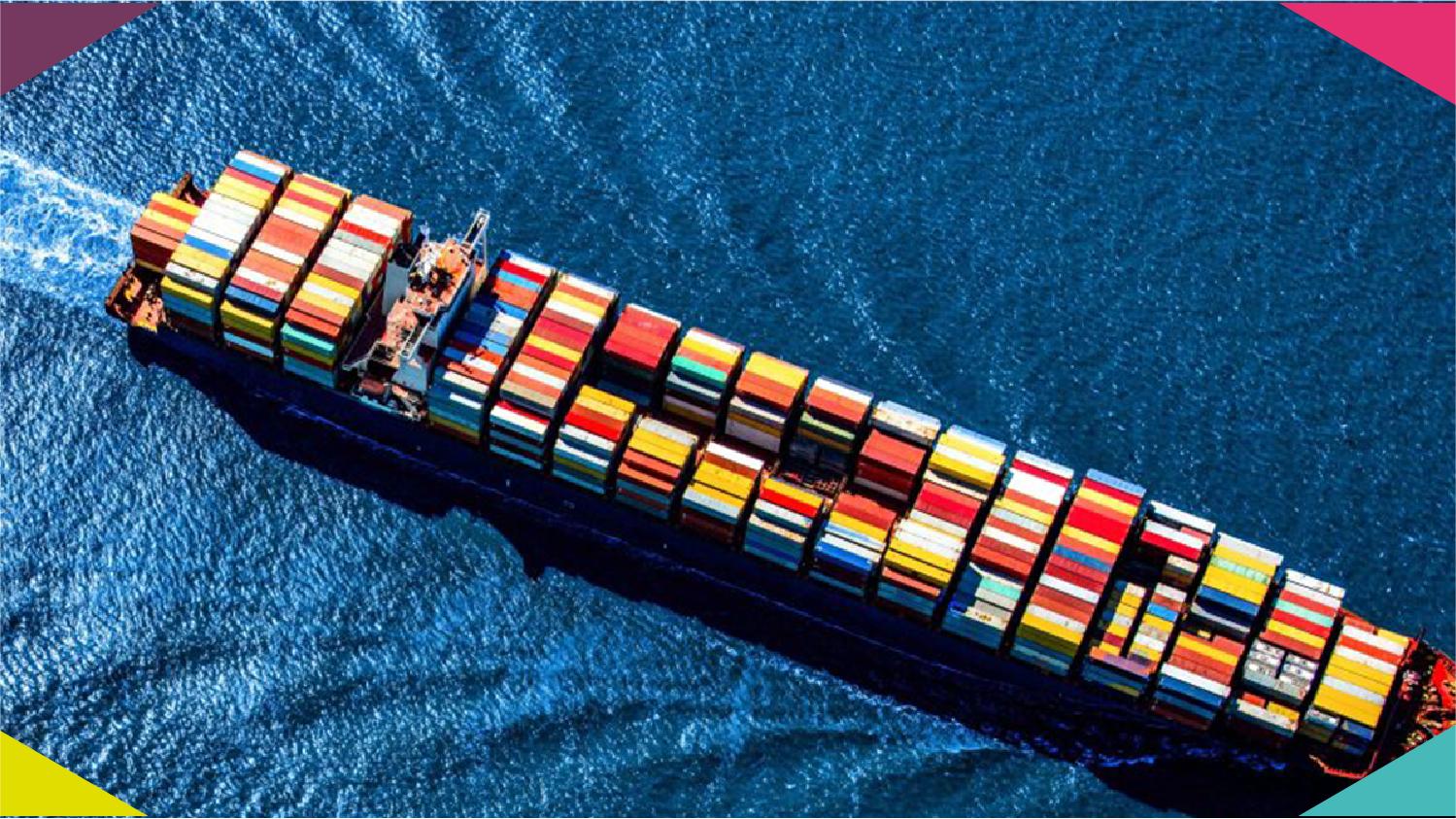
❖Shipping large volumes of lighting products from China to Miami demands a robust and reliable solution. Full Container Load (FCL) shipping, particularly using a 40GP container, offers distinct advantages. This method ensures your cargo is securely transported, dedicated solely to your goods.
Choosing FCL minimizes handling risks and often provides better transit times compared to less-than-container-load (LCL) options. Moreover, it offers greater control over your shipment’s schedule and integrity.
What is a 40GP FCL Container?
A 40GP (General Purpose) FCL container is a standard 40-foot shipping container, approximately 40 feet long, 8 feet wide, and 8 feet 6 inches high. It offers a substantial cargo capacity, typically around 67.7 cubic meters (CBM). This volume is ideal for businesses needing to transport significant quantities of goods.
Indeed, using a dedicated container means your lighting products are not consolidated with other shippers’ cargo. Consequently, this reduces the risk of damage or delays associated with multiple handling points and differing delivery schedules.
Why Choose FCL for Lighting Products?
Opting for FCL shipping, especially for sensitive items like lighting, provides unparalleled security and efficiency. Your entire container is sealed at the origin and remains sealed until it reaches its final destination. This significantly reduces the chances of theft or damage.
Furthermore, FCL allows for faster transit times as there is no need for deconsolidation at intermediate ports. This direct approach is often more cost-effective for larger volumes, ultimately optimizing your overall supply chain for lighting imports.
The Step-by-Step 40GP FCL Booking Process for Lighting from China to Miami
❖Navigating the 40GP FCL booking process for lighting from China to Miami can seem daunting without a clear roadmap. However, breaking it down into manageable steps simplifies the entire journey. This structured approach ensures every detail is accounted for, from initial inquiry to final delivery.
Typically, a reliable freight forwarder like China Top Freight will guide you through each stage. Their expertise is invaluable for handling documentation, customs, and coordinating logistics efficiently. Therefore, partnering with an experienced logistics provider is highly recommended.
Step 1: Planning and Preparation
Firstly, meticulous planning is paramount for a successful lighting shipment. This involves accurately determining your cargo’s volume, weight, and specific handling requirements. Consider the type of lighting (e.g., LED panels, delicate fixtures) and any special packaging needs.
Additionally, confirm your desired delivery schedule and budget. These initial details will inform the selection of the most suitable shipping route and carrier. Proper preparation avoids costly delays later in the process.
Step 2: Obtaining a Freight Quote
Next, you will need to request a comprehensive freight quote from a reputable forwarder. Provide all relevant details, including origin (e.g., Shanghai, Shenzhen), destination (Miami), cargo description, dimensions, and desired service level. This allows for an accurate estimation of shipping costs.
Furthermore, inquire about all-inclusive pricing that covers ocean freight, local charges at origin and destination, and any potential surcharges. Comparing multiple quotes is wise, but always prioritize reliability and service quality over the lowest price. For robust sea freight solutions, consider specialized providers.
Step 3: Booking Confirmation and Documentation
Once you accept a quote, the forwarder will confirm your booking with a shipping line. Subsequently, you will receive a booking confirmation and cut-off dates for cargo delivery to the port. This stage requires prompt action on your part.
Moreover, prepare all necessary shipping documents, such as the Commercial Invoice, Packing List, and Bill of Lading instructions. Accurate documentation is critical for smooth customs clearance and to prevent any hold-ups. Inaccurate paperwork is a common cause of delays.
Step 4: Cargo Loading and Port Operations
After booking, your lighting products will be transported to the origin port for container loading. If you opt for factory loading, the container will be delivered to your supplier’s facility for direct stuffing. Otherwise, the cargo is delivered to the container freight station (CFS).
Meanwhile, the container undergoes inspection and is sealed before being moved to the vessel for departure. The port operations team ensures all cargo is handled according to safety and security protocols, preparing it for its ocean voyage.
Step 5: Ocean Transit and Tracking
The vessel then departs from China, beginning its journey across the ocean to Miami. The transit time for a 40GP FCL from China to Miami typically ranges from 30 to 35 days, depending on the specific port of origin and any transshipment points. You can track your shipment’s progress online.
Indeed, many freight forwarders offer advanced tracking systems, providing real-time updates on your cargo’s location and estimated arrival time. Staying informed about your delivery schedule helps you prepare for the next steps in the logistics chain.
Step 6: Customs Clearance in Miami
Upon arrival at the Port of Miami, your 40GP FCL container will undergo U.S. Customs and Border Protection (CBP) clearance. This critical step involves submitting import declarations and paying any applicable duties and taxes. Proper classification of your lighting products is essential.
Therefore, engaging a professional customs brokerage service is highly advisable. They possess the expertise to navigate complex import regulations, ensuring compliance and preventing costly delays or penalties. This specialized service streamlines the entire process significantly.
Step 7: Final Delivery
After successful customs clearance, the container is released for drayage from the port to your final destination in Miami or nearby areas. This final leg of the journey completes the international shipping process. Confirm the delivery address and any specific delivery instructions in advance.
Ultimately, many clients prefer a door-to-door service, where the forwarder manages the entire process from your supplier’s factory in China directly to your warehouse in Miami. This integrated approach offers maximum convenience and peace of mind.

Key Factors Influencing Your Lighting Shipment to Miami
❖Several critical elements can significantly impact the efficiency and cost of your 40GP FCL booking process for lighting from China to Miami. Understanding these factors allows for better planning and risk mitigation. Proactive management of these variables ensures a smoother import experience.
For instance, market conditions and seasonal demands play a huge role in freight rates and transit times. Therefore, staying informed about logistics trends is essential for making informed decisions.
Shipping Costs and Freight Rates
Freight rates for 40GP FCL containers from China to Miami are dynamic, influenced by fuel prices, carrier capacity, and global demand. Typically, ocean freight for a 40GP container to the U.S. East Coast can range from $4,000 to $5,500, but this figure can fluctuate.
Additionally, consider origin charges (THC, documentation), destination charges (drayage, terminal fees), and potential surcharges. Always request a detailed breakdown of all shipping costs to avoid hidden fees and accurately budget for your import.
Transit Time and Delivery Schedules
The sea transit time for a 40GP FCL from major Chinese ports to Miami is generally 30-35 days. However, the total door-to-door delivery schedule can extend to 40-50 days, accounting for pre-carriage, port delays, customs clearance, and final delivery. This is a critical consideration for inventory management.
Seasonal peaks, such as before Chinese New Year or during the Q3/Q4 holiday rush, can significantly impact transit times and lead to port congestion. Planning ahead and booking early during these periods is crucial to avoid delays in your lighting supply chain.
Customs and Compliance for Lighting Imports
Importing lighting products into the U.S. involves adherence to specific customs regulations and standards. This includes correct Harmonized System (HS) codes for accurate duty assessment and compliance with relevant safety standards (e.g., UL listings for electrical products). Misclassification can lead to fines.
Moreover, the U.S. Food and Drug Administration (FDA) might have requirements for certain electronic lighting components. Working with an experienced customs broker ensures that all necessary documentation and certifications are in order, streamlining the import/export process.
Cargo Handling and Packaging for Fragile Lighting
Lighting products, especially delicate fixtures or LED components, require specialized cargo handling and robust packaging. Proper internal dunnage, shock-absorbing materials, and clear ‘fragile’ labeling are essential to prevent damage during transit. The integrity of your products depends on this.
Furthermore, ensure that your supplier uses export-grade packaging that can withstand the rigors of international shipping. Discuss packaging specifications thoroughly with your supplier and freight forwarder to minimize risks of breakage or malfunction upon arrival in Miami.
How Does 40GP FCL Compare to Other Shipping Options?
❖While 40GP FCL is often the preferred method for bulk lighting imports, it is not the only option. Understanding alternative shipping methods and their trade-offs is vital for making informed logistics decisions. Each method offers different benefits concerning speed, cost, and capacity.

Consider your specific needs, such as urgency, cargo volume, and budget, when evaluating these alternatives. This strategic comparison helps optimize your overall shipping strategy for North America.
| Shipping Method | Cost Range (40GP equivalent) | Transit Time (China to Miami) | Best For | Limitations |
|---|---|---|---|---|
| 40GP FCL Sea Freight | $4,000 – $5,500 | 30-35 days | Large volumes of non-urgent lighting, cost-efficiency | Long transit time, port congestion risks |
| LCL Sea Freight | $80 – $150 per CBM | 35-45 days | Smaller shipments (under 15 CBM), budget-conscious | Longer transit time due to consolidation, more handling |
| Air Freight | $5,000 – $10,000 (for 1000kg) | 3-7 days | Urgent, high-value, or time-sensitive lighting | Significantly higher cost, weight/volume restrictions |
| Rail Freight (China-Europe-Sea) | N/A (not direct to Miami) | N/A | N/A | Not a viable direct route for China to Miami |
Which Option Should You Choose?
Your ideal shipping method depends heavily on your priorities. If budget is paramount and you have significant volume, FCL sea freight is almost always the best choice. This method provides the most cost-effective solution per unit.
However, if speed is critical for urgent projects or high-value, low-volume items, air freight or express service may be justified despite higher costs. For mid-range volumes where FCL is too much but LCL is too slow, LCL offers a good balance. Always weigh cost against delivery schedule and cargo type.
Real-World Case Studies: Lighting Shipments from China to Miami
❖Examining actual shipping scenarios provides valuable insights into the complexities and solutions involved in the 40GP FCL booking process for lighting from China to Miami. These case studies highlight practical considerations and successful strategies. They demonstrate how different factors impact outcomes.
Based on current market rates as of Q1 2025, these examples reflect typical challenges and logistics solutions. Note: Freight rates are subject to change based on fuel costs, carrier capacity, and seasonal demand. Contact us for a current quote tailored to your specific shipment.
Case Study 1: Large-Scale Commercial Lighting Project
A Miami-based construction company needed to import a large quantity of commercial LED panels for a new office building. They prioritized cost-effectiveness over extreme speed, making 40GP FCL the ideal choice for their substantial order volume.
The forwarder managed comprehensive customs documentation and ensured smooth port operations, preventing any project delays. The total landed cost remained within budget, demonstrating efficient supply chain management for lighting imports.
| Detail | Value |
|---|---|
| Route | Shanghai, China -> Miami, USA |
| Cargo | LED office panels, 60 CBM, 12,000 kg |
| Container | 1 x 40GP FCL |
| Carrier/Service | COSCO |
| Port of Loading | Shanghai |
| Port of Discharge | Miami |
| Route Type | Direct |
| Ocean Freight | $4,800 |
| Origin Charges (THC, documentation) | $350 |
| Destination Charges | $600 |
| Customs & Duties (estimated) | $750 |
| Total Landed Cost | $6,500 |
| Booking to Loading | 5 days |
| Sea Transit | 32 days |
| Customs Clearance | 3 days |
| Total Door-to-Door | 42 days |
| Key Insight | Early booking during a stable rate period secured competitive pricing and timely delivery for a critical project. |

Case Study 2: Retailer’s Seasonal Lighting Order
A retail chain needed to replenish its stock of decorative lighting fixtures for the upcoming holiday season. They faced tight deadlines but also sought to control shipping costs. A 40GP FCL was chosen to maximize container utilization.
The forwarder advised on optimal booking times to avoid peak season surcharges and potential port congestion. Despite a slight delay due to unexpected weather, proactive communication kept the retailer informed and prepared for inventory receipt.
| Detail | Value |
|---|---|
| Route | Ningbo, China -> Miami, USA |
| Cargo | Decorative lighting fixtures, 65 CBM, 10,500 kg |
| Container | 1 x 40GP FCL |
| Carrier/Service | Maersk |
| Port of Loading | Ningbo |
| Port of Discharge | Miami |
| Route Type | Transshipment via Panama Canal |
| Ocean Freight | $5,200 |
| Origin Charges (THC, documentation) | $380 |
| Destination Charges | $650 |
| Customs & Duties (estimated) | $800 |
| Total Landed Cost | $7,030 |
| Booking to Loading | 7 days |
| Sea Transit | 35 days |
| Customs Clearance | 4 days |
| Total Door-to-Door | 48 days |
| Key Insight | Strategic booking outside peak windows mitigated higher costs, and proactive communication managed transit time expectations. |
Case Study 3: Urgent Architectural Lighting Supply
An architectural firm required custom-made, high-end lighting components for a project with a rapidly approaching installation deadline. While air freight was considered, the volume made it prohibitively expensive. A specialized 40GP FCL service was negotiated.
The forwarder arranged for priority loading and direct vessel service where possible, minimizing transit time. Although the cost was slightly higher than standard FCL, it was still significantly less than air freight, balancing speed and budget effectively. This demonstrates efficient freight forwarding for electronics.
| Detail | Value |
|---|---|
| Route | Shenzhen, China -> Miami, USA |
| Cargo | Custom architectural LED components, 55 CBM, 9,000 kg |
| Container | 1 x 40GP FCL |
| Carrier/Service | CMA CGM (premium service) |
| Port of Loading | Shenzhen |
| Port of Discharge | Miami |
| Route Type | Direct (expedited) |
| Ocean Freight | $5,800 |
| Origin Charges (THC, documentation) | $400 |
| Destination Charges | $700 |
| Customs & Duties (estimated) | $900 |
| Total Landed Cost | $7,800 |
| Booking to Loading | 4 days |
| Sea Transit | 30 days |
| Customs Clearance | 2 days |
| Total Door-to-Door | 38 days |
| Key Insight | Opting for a slightly premium FCL service provided the necessary speed for time-sensitive cargo while remaining cost-effective compared to air freight. |
Optimizing Your Supply Chain for Lighting Imports
❖Beyond the individual shipment, a holistic approach to your supply chain can yield significant long-term benefits for importing lighting from China to Miami. Continuous optimization ensures sustained efficiency and cost savings. This involves strategic partnerships and data-driven decisions.
Indeed, proactive supply chain management helps mitigate risks such as port congestion, customs delays, and unexpected freight rate fluctuations. Therefore, a robust strategy is essential for business continuity.
Leveraging Technology and Expertise
Modern logistics relies heavily on advanced technology for tracking, communication, and data analysis. Utilizing platforms that offer real-time visibility into your 40GP FCL shipments allows for better inventory planning and quicker response to disruptions. This is a key logistics trend.
Furthermore, partnering with a freight forwarder that offers robust online tools and experienced personnel provides invaluable expertise. Their insights into global logistics trends and regional regulations can significantly streamline your operations, reducing overall shipping costs and delivery schedule uncertainties.
Navigating Seasonal Peaks and Market Fluctuations
Seasonal demands, particularly around major holidays like Christmas or Chinese New Year, often lead to increased freight rates and reduced vessel space. Planning your lighting imports well in advance during these periods is crucial to avoid premium pricing and potential delays. This proactive approach ensures supply chain stability.
Moreover, geopolitical events and economic shifts can cause sudden market fluctuations. A flexible shipping strategy, possibly including contingency plans for alternative routes or methods, helps businesses adapt. Staying informed and agile is key to successful international trade.
Conclusion
Mastering the 40GP FCL booking process for lighting from China to Miami is essential for businesses seeking efficiency and cost control. From meticulous planning and documentation to navigating customs and optimizing your supply chain, each step contributes to a successful import. Partnering with an experienced freight forwarder simplifies these complexities.
By understanding the various factors influencing freight rates, transit times, and compliance, you can make informed decisions that benefit your bottom line. Ultimately, a well-managed 40GP FCL booking process ensures your valuable lighting products arrive in Miami safely and on schedule.
Ready to streamline your logistics?
Ready to streamline your 40GP FCL booking process for lighting from China to Miami? Contact China Top Freight today for a personalized quote and expert guidance. Our team is prepared to help you navigate every step of your international shipping needs.
Request Quote