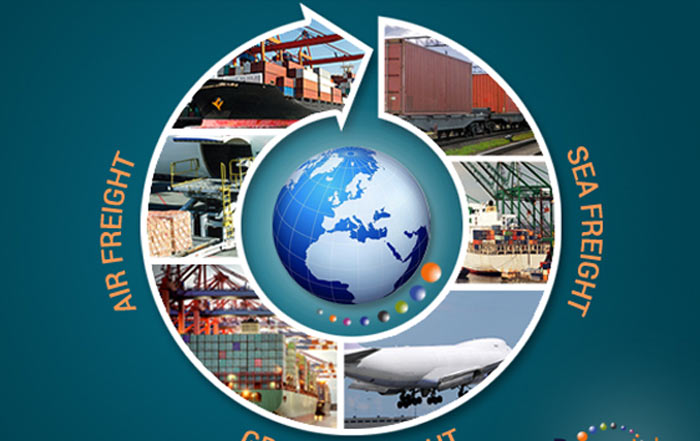
Flat Rack FCL Container Shortage Solution for Medical Equipment from China to Netherlands
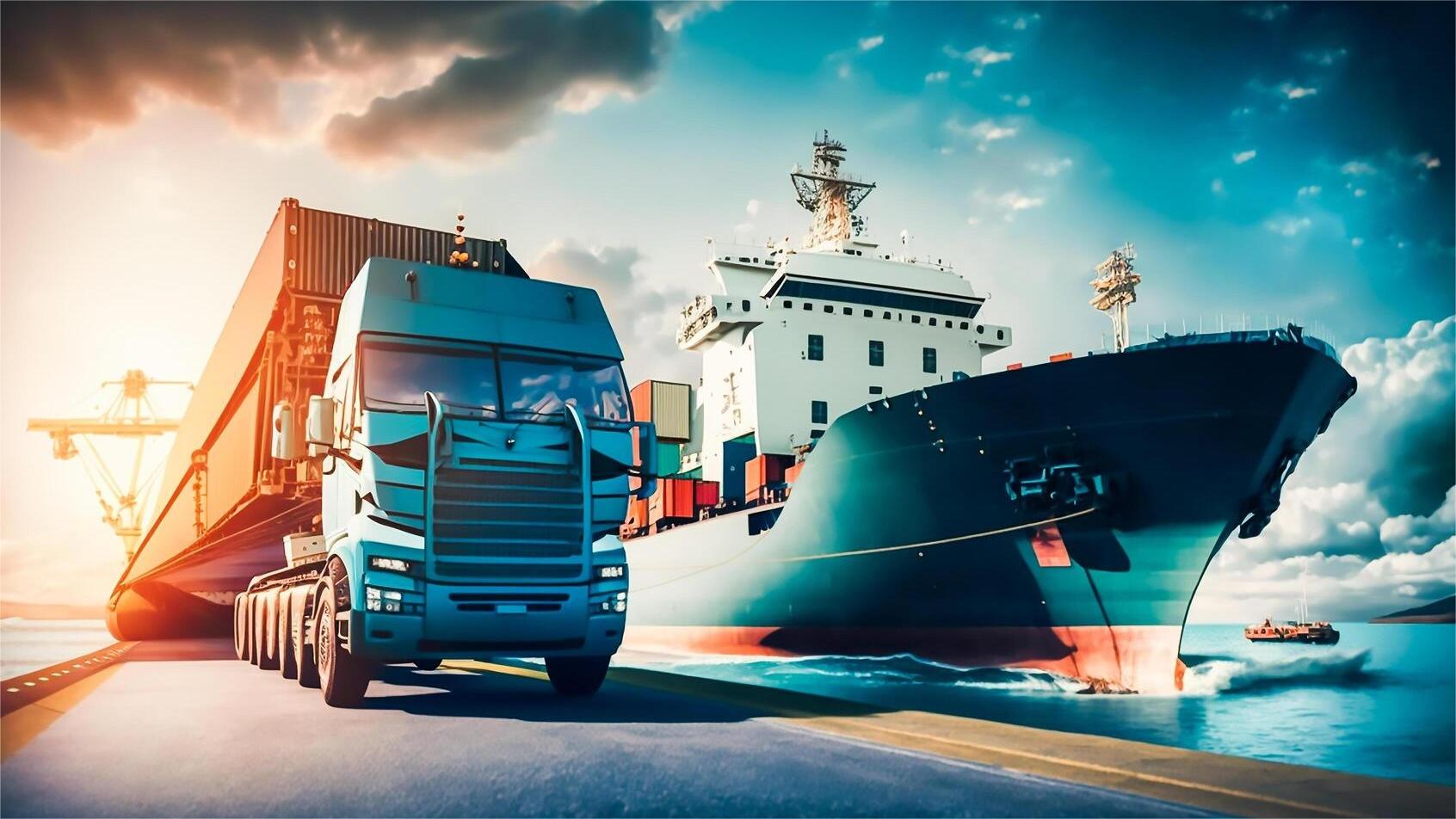
The global supply chain often presents significant challenges, particularly when shipping specialized cargo like medical equipment. Currently, a notable flat rack FCL container shortage is impacting routes from China to the Netherlands, making timely and secure transport difficult. China Top Freight offers comprehensive solutions to navigate these complexities, ensuring your critical medical devices reach their destination efficiently.
✦
Understanding the Flat Rack FCL Container Shortage for Medical Equipment
Flat rack containers are essential for shipping oversized or oddly shaped medical equipment, such as MRI machines or large diagnostic devices. However, a persistent shortage of these specialized containers, coupled with high demand for FCL (Full Container Load) services, creates significant logistical hurdles. This scarcity often leads to increased shipping costs and extended transit times, directly impacting healthcare supply chains.
The current market conditions, influenced by global events and fluctuating trade volumes, exacerbate this problem. Therefore, finding reliable alternatives and strategic shipping partners is crucial for businesses importing medical equipment from China to the Netherlands. Proactive planning and expert guidance can mitigate these risks effectively.
What Are the Primary Challenges of Shipping Medical Equipment to the Netherlands?
Shipping medical equipment from China to the Netherlands involves more than just container availability; it requires meticulous planning and adherence to strict regulations. Delicate machinery, temperature-sensitive pharmaceuticals, and high-value diagnostic tools demand specialized handling and precise environmental controls. Furthermore, European Union import regulations for medical devices are stringent, requiring comprehensive documentation and compliance.
Delays due to port congestion, customs inspections, or unforeseen logistical issues can have severe consequences for healthcare providers. Consequently, businesses must partner with experienced freight forwarders who understand both the unique requirements of medical cargo and the intricacies of international shipping. This ensures a smooth and compliant delivery process.
How Does Flat Rack FCL Compare to Other Shipping Options for Medical Equipment?
When facing a flat rack FCL container shortage, exploring alternative shipping methods becomes imperative. Each option offers distinct advantages and disadvantages regarding cost, speed, and cargo suitability. Understanding these differences is key to making informed decisions for your medical equipment logistics from China to the Netherlands. This comparison helps optimize your supply chain.
For instance, while flat racks are ideal for oversized items, standard containers or even air freight might be more viable under current market constraints. Moreover, hybrid solutions can offer a balanced approach, combining the benefits of different transport modes. Evaluating your specific needs against these options is vital for efficient medical device transport.
| Shipping Method | Cost Range (40HQ equivalent) | Transit Time (China-NL) | Best For |
|---|---|---|---|
| Flat Rack FCL (if available) | $3,500 – $5,500 | 30-38 days | Oversized, heavy, non-stackable equipment |
| Standard FCL (40HQ) | $3,000 – $4,200 | 30-38 days | Standard-sized, high-volume medical supplies |
| LCL (Less than Container Load) | $80 – $120/CBM | 35-45 days | Smaller volumes, cost-sensitive, flexible cargo |
| Air Freight | $6 – $12/kg | 3-7 days | Urgent, high-value, temperature-sensitive medical devices |
| Rail Freight | $8,000 – $12,000 (40HQ) | 18-25 days | Time-sensitive, heavy cargo, faster than sea, cheaper than air |
Effective Solutions for Flat Rack Container Shortage and Medical Equipment Transport
Navigating the current flat rack FCL container shortage requires innovative and flexible logistics strategies. One effective approach involves exploring specialized carriers and alternative equipment types. Sometimes, disassembling larger medical devices can allow them to fit into standard dry containers, reducing reliance on scarce flat racks. This requires careful planning and coordination with manufacturers.
Another solution is to prioritize cargo consolidation for smaller shipments of medical supplies. Utilizing sea freight LCL services can be a cost-effective alternative when FCL flat racks are unavailable. Furthermore, leveraging advanced tracking and real-time communication with your freight forwarder is essential for managing expectations and mitigating potential delays.
For urgent or high-value medical equipment, shifting to air freight can bypass sea freight limitations entirely. Although more expensive, air cargo offers significantly shorter transit times, crucial for time-sensitive medical devices or pharmaceuticals. This ensures continuity of supply, minimizing disruptions to healthcare services in the Netherlands.
Considering multimodal transport options also provides flexibility. A combination of rail freight from China to a European hub, followed by truck delivery to the Netherlands, offers a balance between speed and cost. This hybrid approach can circumvent port congestion and reduce overall transit times compared to pure sea routes. It’s a robust solution for supply chain resilience.
Which Option Should You Choose for Your Medical Equipment Shipment?
The best shipping option for your medical equipment depends on several key factors. Firstly, assess your budget priority: if cost is paramount, standard FCL or LCL sea freight remains the most economical choice. However, be prepared for longer transit times and potential container availability issues. This requires careful financial planning.
Speed and Cargo Type Considerations
Secondly, consider speed priority. For critical or time-sensitive medical devices, air freight is unmatched, guaranteeing rapid delivery to the Netherlands. Rail freight offers a good middle ground, faster than sea but more affordable than air. Thirdly, cargo type considerations are vital; oversized items might still necessitate flat racks if disassembly is not feasible. Temperature-sensitive goods demand specialized reefer containers or active air cargo solutions. Always consult with a logistics expert to tailor the best strategy for your specific needs, focusing on compliant and secure logistics.
Ensuring Seamless Customs Clearance and Door-to-Door Delivery
Beyond transportation, efficient customs clearance is a critical component of shipping medical equipment from China to the Netherlands. The EU has strict regulations for importing medical devices, including CE marking requirements and proper classification. Incorrect documentation can lead to significant delays and penalties, impacting your delivery schedule. Therefore, partnering with a freight forwarder offering robust customs brokerage services is essential.
A skilled customs broker can prepare all necessary paperwork, handle duties and taxes, and ensure compliance with all import regulations. This expertise streamlines the process, preventing unnecessary hold-ups at Dutch ports or airports. Furthermore, opting for a comprehensive door-to-door delivery service simplifies the entire logistics chain, from origin factory to your final destination in the Netherlands. This integrated approach minimizes your administrative burden and maximizes efficiency, especially for medical equipment imports.
Real-World Solutions: Case Studies in Medical Equipment Shipping
Understanding how these solutions are applied in practice can offer valuable insights. These case studies highlight successful strategies for overcoming the flat rack FCL container shortage and other shipping challenges for medical equipment from China to the Netherlands. They demonstrate practical applications of alternative methods and expert logistics management. Based on Q3 2024 market rates, these examples reflect current industry scenarios.

Case Study 1: Urgent Diagnostic Machine Delivery
This case involved an urgent shipment of a large diagnostic imaging machine. Due to an immediate flat rack FCL container shortage, standard sea freight was not an option within the required timeframe. The client needed expedited delivery to a hospital in Amsterdam, Netherlands.
| Detail | Description |
|---|---|
| Route | Shanghai, China -> Amsterdam, Netherlands |
| Cargo | Diagnostic Imaging Machine, 15 CBM, 2,500 kg |
| Container | Air Cargo (ULD) |
| Shipping Details | Carrier: Major airline (e.g., KLM Cargo), Port of Loading: PVG, Port of Discharge: AMS, Route Type: Direct Air Freight |
| Cost Breakdown | Air Freight: $25,000, Origin Charges: $1,200, Destination Charges: $800, Customs & Duties (estimated): $3,000, Total Landed Cost: $30,000 |
| Timeline | Booking to Loading: 2 days, Air Transit: 1 day, Customs Clearance: 1 day, Total Door-to-Door: 4 days |
| Key Insight | Air freight provided the necessary speed despite higher costs, ensuring critical medical services could continue without interruption. Specialized handling for delicate cargo was paramount. |
Case Study 2: Bulky Lab Equipment via Rail-Sea Hybrid
A client needed to ship several units of bulky laboratory equipment, which typically would require flat racks but could be partially disassembled. The goal was to achieve a faster transit time than sea freight without the high cost of air freight. The destination was a research facility in Rotterdam.
| Detail | Description |
|---|---|
| Route | Chongqing, China -> Rotterdam, Netherlands |
| Cargo | Laboratory Equipment, 38 CBM, 8,000 kg |
| Container | 2 x 40HQ (disassembled) |
| Shipping Details | Carrier: China-Europe Railway + Short Sea, Port of Loading: Chongqing, Port of Discharge: Hamburg (rail) then Rotterdam (sea), Route Type: Rail to Germany, then feeder vessel to NL |
| Cost Breakdown | Rail Freight: $18,000, Feeder Vessel: $1,500, Origin Charges: $1,500, Destination Charges: $1,000, Customs & Duties (estimated): $5,000, Total Landed Cost: $27,000 |
| Timeline | Booking to Loading: 5 days, Rail Transit: 16 days, Sea Transit: 3 days, Customs Clearance: 2 days, Total Door-to-Door: 26 days |
| Key Insight | The rail-sea hybrid offered a significant time saving over pure sea freight at a fraction of air freight cost. Disassembly allowed use of standard containers, bypassing flat rack shortage. |
Case Study 3: Regular Medical Supply Shipments with LCL Consolidation
A distributor of various medical consumables faced challenges with high FCL costs and delays for their regular, smaller volume shipments. They sought a more consistent and cost-effective solution for importing from multiple suppliers in China to their warehouse near Utrecht, Netherlands. This involved managing diverse cargo types.
| Detail | Description |
|---|---|
| Route | Ningbo, China -> Rotterdam, Netherlands |
| Cargo | Assorted Medical Consumables, 8 CBM, 1,200 kg |
| Container | LCL Consolidation |
| Shipping Details | Carrier: Major ocean carrier, Port of Loading: Ningbo, Port of Discharge: Rotterdam, Route Type: Direct LCL Service |
| Cost Breakdown | Ocean Freight: $800, Origin Charges: $350, Destination Charges: $450, Customs & Duties (estimated): $1,000, Total Landed Cost: $2,600 |
| Timeline | Booking to Loading: 7 days, Sea Transit: 32 days, Customs Clearance: 3 days, Total Door-to-Door: 42 days |
| Key Insight | LCL consolidation significantly reduced per-unit shipping costs and provided a reliable schedule for smaller, recurring shipments, optimizing the client’s inventory management. This approach bypassed the flat rack FCL container shortage entirely for these goods. Typical rates as of early 2025. |
Market Context and Pricing Considerations for Shipping Medical Equipment
The global freight market is dynamic, with rates and availability influenced by various factors. As of Q1 2025, freight rates from China to Europe have seen some stabilization after the volatility caused by Red Sea disruptions in 2024. However, specialized equipment like flat rack FCL containers can still command premium pricing due to limited supply. Industry average for this route continues to fluctuate.
Seasonal patterns also play a significant role; rates typically increase by 15-25% during the August-October peak season leading up to holidays. Moreover, fuel surcharges and carrier capacity adjustments can impact overall shipping costs. Therefore, obtaining real-time quotes is essential for accurate budget planning. Market data suggests proactive booking can secure better rates.
Note: Freight rates are subject to change based on fuel costs, carrier capacity, and seasonal demand. Contact us for a current quote tailored to your specific shipment.
Navigating the Flat Rack FCL Container Shortage with Expert Solutions
Successfully shipping medical equipment from China to the Netherlands, especially amid a flat rack FCL container shortage, demands expertise and adaptability. By understanding the available alternatives, leveraging multimodal transport, and partnering with a seasoned freight forwarder, businesses can overcome logistical hurdles. Prioritizing compliance and efficiency ensures the timely delivery of vital healthcare cargo.
Ultimately, a strategic approach to logistics is not just about moving goods; it’s about safeguarding public health and maintaining operational continuity. With the right support, the challenges of the flat rack FCL container shortage can be effectively managed, ensuring your medical equipment reaches its destination seamlessly.
Don’t let the flat rack FCL container shortage disrupt your medical equipment supply chain from China to the Netherlands. Contact us today for a personalized consultation and a competitive quote. Our experts are ready to design a robust, efficient, and compliant shipping solution for your critical cargo.
Request Quote