

Sporting Goods Shipping from China: Your Ultimate Guide
“The global demand for sporting goods continues to soar, consequently making efficient sourcing from manufacturing hubs like China crucial. Navigating the complexities of sporting goods shipping from China, however, presents unique challenges, from managing diverse product types to optimizing logistics. This comprehensive guide provides expert strategies and practical insights to streamline your import process, ensuring your athletic gear arrives safely and on time.”
Why China is a Hub for Sporting Goods Manufacturing?
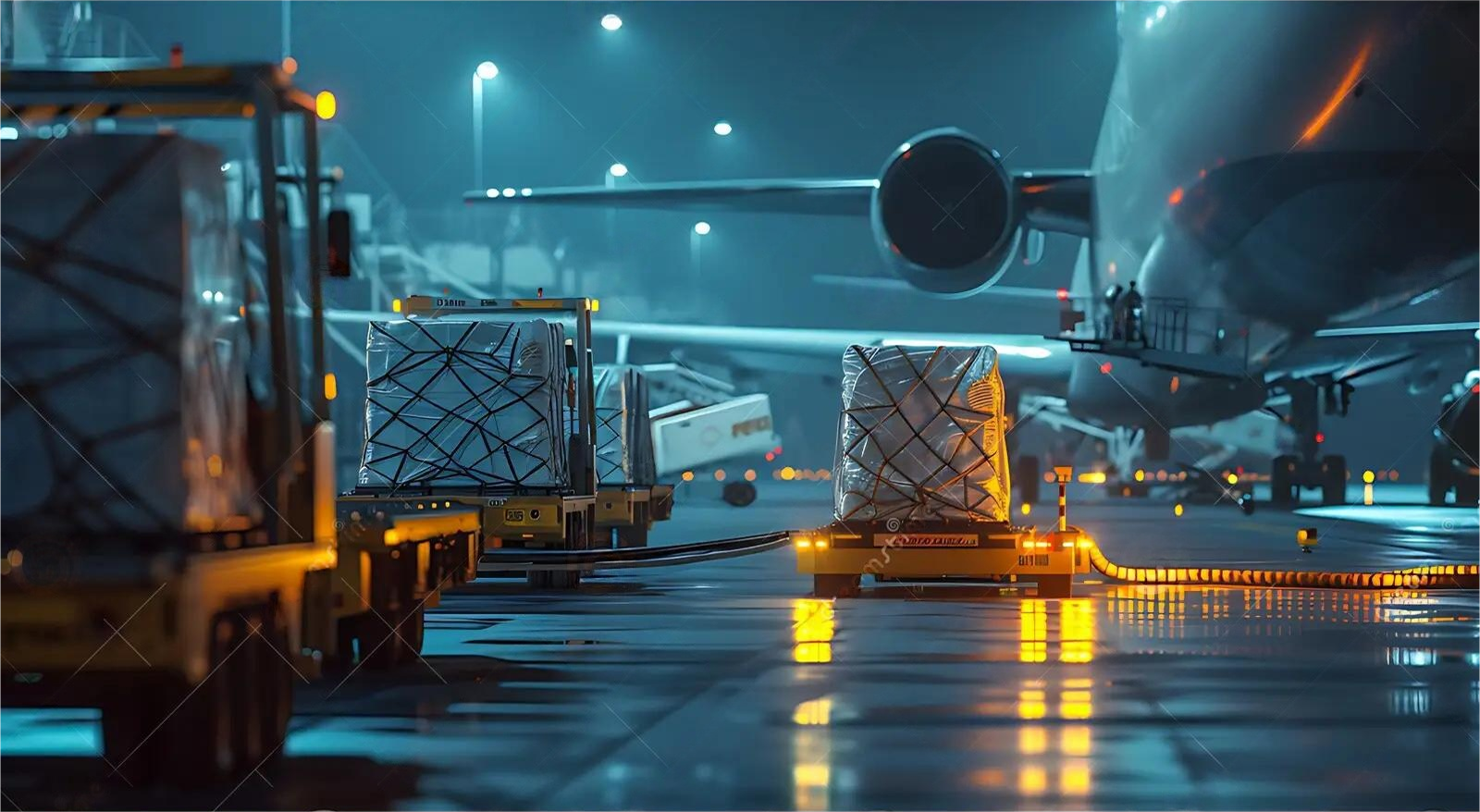
❖China stands as a global leader in manufacturing, particularly for sporting goods. This dominance stems from its robust supply chain, competitive production costs, and advanced technological capabilities. Consequently, businesses worldwide rely on Chinese factories for everything from fitness equipment to specialized athletic apparel. Understanding this landscape is the first step towards successful import operations.
Moreover, the sheer scale of production in China allows for significant economies of scale. This translates into competitive pricing for various sports products, from basic gym accessories to high-tech athletic gear. Therefore, sourcing from China often provides a crucial competitive edge in the international market.
Key Considerations for Sporting Goods Shipping from China
❖Shipping athletic gear or fitness equipment from China requires careful planning. You must consider several critical factors to ensure a smooth and cost-effective process. These include the type of goods, their dimensions, weight, and urgency of delivery. Moreover, understanding potential risks like damage or delays is paramount.
Product Classification and Customs Duties
Firstly, correctly classifying your sporting goods under the Harmonized System (HS) codes is essential. This classification directly impacts the customs duties and taxes you will pay upon import. Different types of sports equipment, such as bicycles, golf clubs, or gym machines, have varying tariff rates. Therefore, accurate documentation is crucial for avoiding customs clearance delays and unexpected costs.
Additionally, staying informed about any specific import restrictions or certifications for sporting goods in your destination country is vital. Some items might require safety approvals or environmental compliance. Always verify these requirements beforehand to prevent complications at the border.
Packaging and Cargo Handling
Proper packaging is non-negotiable for fragile or bulky sporting goods. Items like carbon fiber bicycle frames or delicate electronic fitness trackers require specialized protection. Furthermore, robust packaging prevents damage during transit and ensures products arrive in pristine condition. Always discuss packaging requirements with your supplier and freight forwarder.
Indeed, inadequate packaging is a leading cause of transit damage. Consider using crates, reinforced cartons, or custom pallets for oddly shaped or heavy items. Proper labeling, including ‘Fragile’ or ‘Handle with Care’ stickers, also aids in careful cargo handling throughout the shipping journey.
Choosing the Right Shipping Method for Your Sporting Goods
❖Selecting the optimal shipping method is a pivotal decision when importing sporting goods from China. Your choice significantly impacts both shipping costs and transit time. Businesses often weigh the trade-offs between speed, expense, and cargo volume. Indeed, this decision hinges on your specific needs and budget for importing athletic gear.
How Do Shipping Methods Compare for Sporting Goods?
❖A comprehensive comparison of available shipping methods is essential for making an informed decision. Each option offers distinct advantages based on cost, speed, and suitability for different types of sporting goods. Therefore, understanding these differences helps optimize your logistics strategy.
| Shipping Method | Cost Range | Transit Time | Best For | Limitations |
|---|---|---|---|---|
| Sea Freight | Low | 20-45 days | Large volumes, heavy items, non-urgent goods | Slower, potential port congestion |
| Air Freight | High | 3-8 days | High-value, urgent, smaller shipments | Expensive, weight/size restrictions |
| Express Service | Very High | 1-5 days | Samples, documents, very small urgent parcels | Highest cost, strict size limits |
| Rail Freight | Medium | 15-25 days | Europe-bound, heavy goods, faster than sea | Limited routes (Europe), not door-to-door |

Sea Freight: Economical for Bulk Sporting Goods
For large quantities of sporting goods, sea freight remains the most economical option. This method is ideal for heavy fitness equipment, large volumes of athletic apparel, or bulky items like kayaks and paddleboards. While transit times are longer, the cost savings can be substantial, especially for full container loads (FCL). Many businesses utilize sea freight to manage their primary inventory.
However, sea freight is subject to potential port congestion and longer delivery schedules. Planning ahead and building sufficient lead time into your supply chain is crucial. This method offers unparalleled cost-effectiveness for non-urgent, high-volume shipments.
Air Freight: Speed for Urgent Sports Equipment
When speed is critical, air freight offers a significantly faster delivery schedule. This option is perfect for high-value items, seasonal sporting goods that need to hit shelves quickly, or urgent replenishment orders. Although more expensive, air freight minimizes inventory holding costs and allows for quicker market entry. It is particularly suitable for smaller, lighter consignments.
Nevertheless, air freight comes with strict weight and size limitations. The high freight rates make it less suitable for very bulky or heavy sporting goods. Businesses often use air freight for samples, prototypes, or to mitigate stock-out situations.
Rail Freight: A Balanced Option for Europe
For destinations in Europe, rail freight presents an attractive middle-ground. It is faster than sea freight but considerably more affordable than air freight. This method is gaining popularity for its reliability and reduced environmental impact. However, rail routes are specific to certain European countries, so planning is crucial.
Furthermore, rail freight can offer greater security compared to sea routes, with fewer transshipment points. It’s an excellent choice for businesses seeking a balance between speed and cost for their European-bound sporting goods. Keep in mind that rail freight is not available for all international destinations, such as Australia.
Express Service: For Samples and Small Shipments
For very small parcels, samples, or extremely urgent documents related to your sporting goods, an express service is often the best choice. Companies like DHL, UPS, and FedEx offer rapid door-to-door delivery. While it is the most expensive per kg, it provides unparalleled speed and convenience for small, time-sensitive shipments.
Indeed, express services are perfect for sending product samples to buyers or receiving urgent spare parts for fitness equipment. They streamline the import process for minimal packages, albeit at a premium price point. This method guarantees swift delivery directly to your doorstep.
FCL vs. LCL: Optimizing Sea Freight for Sporting Goods
❖When shipping by sea, you essentially have two main options: Full Container Load (FCL) or Less than Container Load (LCL). The choice between these significantly affects your shipping costs and logistics. Understanding the differences helps optimize your freight rates for importing sports products.
Full Container Load (FCL)
FCL means your goods occupy an entire shipping container, typically 20ft or 40ft. This option is ideal if you have enough volume to fill a significant portion of a container. It generally offers faster transit times as there’s no need for consolidation or deconsolidation with other shippers’ cargo. Moreover, FCL often provides better security and less risk of damage.
Furthermore, FCL is typically more cost-effective per cubic meter for larger volumes. It provides greater control over your cargo, reducing handling and minimizing potential delays. Businesses with consistent, high-volume orders of sporting goods often prefer FCL.
Less than Container Load (LCL)
Conversely, LCL involves sharing container space with other shippers’ goods. This is a cost-effective solution for smaller shipments that do not justify an entire container. While LCL is more flexible, it can involve longer transit times due to the consolidation process at the origin port and deconsolidation at the destination. Proper packaging is even more critical for LCL shipments.
Indeed, LCL is perfect for businesses with smaller, intermittent orders of athletic gear or those just starting to import. Though it might incur slightly higher per-unit costs than a fully utilized FCL, it saves you from paying for empty container space. This flexibility is a key advantage for managing inventory efficiently.
Navigating Customs Clearance for Sporting Goods Imports
❖Customs procedures are a critical, yet often complex, part of importing sporting goods from China. Proper documentation and adherence to regulations are paramount to avoid costly delays and penalties. Engaging a knowledgeable partner for customs brokerage is highly recommended.
A competent customs broker can navigate the intricate web of tariffs, duties, and import restrictions. They ensure all necessary paperwork is correctly filed, reducing the risk of errors that could hold up your shipment. This expertise is invaluable for seamless delivery schedule management.
| Document | Purpose | Notes |
|---|---|---|
| Commercial Invoice | Details goods, value, seller, buyer | Must be accurate for customs valuation |
| Packing List | Itemizes contents of each package | Helps customs verify cargo |
| Bill of Lading (BOL) / Air Waybill (AWB) | Contract between shipper and carrier | Proof of shipment and title to goods |
| Certificate of Origin | Proves goods’ country of manufacture | May qualify for preferential tariffs |
| Import License (if applicable) | Required for certain restricted goods | Check specific product regulations |

Advanced Logistics: Amazon FBA and Door-to-Door Solutions
❖Modern logistics demands integrated solutions that extend beyond port-to-port shipping. For businesses selling sporting goods online, especially via e-commerce platforms, streamlined delivery is essential. These advanced services simplify the supply chain, enhancing efficiency and reducing operational burdens.
Amazon FBA Shipping for Sporting Goods
If you’re an Amazon seller, direct shipping to fulfillment centers is a game-changer. Our Amazon FBA services simplify the process of getting your sporting goods inventory from China directly to Amazon warehouses. This includes proper labeling, palletization, and appointment scheduling, ensuring compliance with Amazon’s strict requirements. Efficient FBA shipping is vital for maintaining inventory levels and sales velocity.
Moreover, utilizing FBA expertise helps avoid common pitfalls associated with Amazon’s stringent receiving policies. This ensures your athletic gear is processed quickly, making it available for sale without unnecessary delays. It is a strategic move for maximizing your e-commerce potential.
Seamless Door-to-Door Delivery
For ultimate convenience, door-to-door shipping services handle every aspect of the logistics chain. From pickup at the supplier’s factory in China to delivery at your warehouse or retail store, this comprehensive solution minimizes your administrative burden. It covers freight, customs clearance, and local transportation, providing a single point of contact and predictable landed costs for your sporting goods.
Indeed, door-to-door service simplifies complex international shipping, making it ideal for businesses seeking a hassle-free experience. You receive a single quote covering all stages, thus eliminating unexpected charges. This complete package allows you to focus on sales and marketing, rather than logistics management.
Real-World Sporting Goods Shipping Scenarios
❖Understanding theoretical options is one thing; seeing them applied in real-world situations provides invaluable insight. Here are a few case studies illustrating diverse shipping requirements for sporting goods. These examples highlight the various challenges and solutions in international logistics, offering practical perspectives on current logistics trends.
Case Study 1: Bulk Fitness Equipment to the USA
This scenario demonstrates optimizing cost for a substantial volume of fitness equipment. The client prioritized budget over speed, making LCL sea freight the ideal choice for their inventory replenishment.
| Detail | Value |
|---|---|
| Route | Shenzhen, China -> Los Angeles, USA |
| Cargo | Treadmills, weight benches, dumbbells, 25 CBM, 4,500 kg |
| Container | LCL 25 CBM |
| Shipping Details | Carrier: Major carrier, Port of Loading: Shenzhen, Port of Discharge: Los Angeles, Route Type: Direct |
| Cost Breakdown (Based on Q3 2024 market rates) | Ocean Freight: $1,650 (approx. $66/CBM), Origin Charges: $380, Destination Charges: $450, Customs & Duties (estimated): $520 |
| Total Landed Cost | $3,000 |
| Timeline | Booking to Loading: 5 days, Sea Transit: 16 days, Customs Clearance: 3 days, Total Door-to-Door: 24 days |
| Key Insight | LCL was cost-effective for this volume, but required careful consolidation planning to avoid delays. |
Case Study 2: Urgent Cycling Apparel to Europe
Here, the client needed rapid delivery for a new line of seasonal cycling apparel. Air freight was selected to ensure quick market entry and capitalize on peak sales periods, despite the higher freight rates.
| Detail | Value |
|---|---|
| Route | Shanghai, China -> Frankfurt, Germany |
| Cargo | High-end cycling jerseys and shorts, 2 CBM, 300 kg |
| Container | Air Freight |
| Shipping Details | Carrier: Major airline cargo, Port of Loading: Shanghai Pudong (PVG), Port of Discharge: Frankfurt (FRA), Route Type: Direct |
| Cost Breakdown (Typical rates as of early 2025) | Air Freight: $1,800 (approx. $6/kg), Origin Charges: $150, Destination Charges: $120, Customs & Duties (estimated): $280 |
| Total Landed Cost | $2,350 |
| Timeline | Booking to Loading: 2 days, Air Transit: 3 days, Customs Clearance: 1 day, Total Door-to-Door: 6 days |
| Key Insight | Air freight was chosen for quick market entry during a seasonal peak, justifying the higher cost. |
Case Study 3: Bulky Outdoor Gear to Australia
This example illustrates shipping outdoor gear, emphasizing the balance between cost and reasonable transit time for a distant market. LCL sea freight was utilized, with a note on potential external factors affecting delivery.
| Detail | Value |
|---|---|
| Route | Ningbo, China -> Sydney, Australia |
| Cargo | Camping tents, hiking backpacks, 12 CBM, 1,800 kg |
| Container | LCL 12 CBM |
| Shipping Details | Carrier: Major carrier, Port of Loading: Ningbo, Port of Discharge: Sydney, Route Type: Direct |
| Cost Breakdown (Based on Q4 2024 market rates) | Ocean Freight: $720 (approx. $60/CBM), Origin Charges: $250, Destination Charges: $300, Customs & Duties (estimated): $350 |
| Total Landed Cost | $1,620 |
| Timeline | Booking to Loading: 4 days, Sea Transit: 15 days, Customs Clearance: 2 days, Total Door-to-Door: 21 days |
| Key Insight | This shipment faced minor delays due to port congestion in Sydney, extending the final delivery by two days. |

Which Shipping Option Should You Choose for Your Sporting Goods?
❖Making the right choice depends entirely on your business priorities and the nature of your sporting goods. Consider your budget, the urgency of the shipment, and the characteristics of your cargo. Each method offers distinct advantages and disadvantages, influencing your overall supply chain management.
Prioritizing Budget for Cost-Effective Imports
If minimizing costs is your primary concern, especially for large volumes of durable sporting goods, sea freight is almost always the best option. LCL is ideal for smaller shipments, while FCL offers maximum cost efficiency for full containers. Always factor in total landed costs, including duties and destination charges. This approach is fundamental for maintaining healthy profit margins on your sports products.
Prioritizing Speed for Timely Deliveries
For seasonal sporting goods, product launches, or urgent inventory replenishment, speed takes precedence. Air freight or express services ensure rapid delivery, allowing you to respond quickly to market demand. Although more expensive, the benefit of timely market presence often outweighs the higher freight rates, especially for high-value or perishable items.
Considering Cargo Type and Volume
Bulky and heavy fitness equipment generally suits sea freight due to its lower cost per unit volume. Conversely, small, high-value items like specialized sports watches or delicate electronic gear might benefit from air freight’s faster transit and reduced handling. Hybrid solutions, such as sea-air for transcontinental shipments, can also offer a balance. This ensures optimal cargo handling for diverse athletic gear.
Note: Freight rates are subject to change based on fuel costs, carrier capacity, and seasonal demand. Contact us for a current quote tailored to your specific shipment.
Conclusion
Successfully managing sporting goods shipping from China requires a strategic approach, encompassing careful method selection, diligent customs compliance, and robust supply chain management. By understanding the nuances of sea, air, rail, and express options, businesses can significantly optimize their logistics. Ultimately, partnering with a reliable freight forwarder like China Top Freight ensures your valuable sporting goods reach their destination efficiently and cost-effectively.
Indeed, navigating international shipping complexities becomes straightforward with expert guidance. This comprehensive guide equips you with the knowledge to make informed decisions, ultimately enhancing your import operations. We are committed to supporting your success in the global sporting goods market.
Ready to streamline your logistics?
Ready to optimize your sporting goods shipping from China? Our experienced team at China Top Freight specializes in seamless logistics solutions tailored to your specific needs. Contact us today to receive a personalized quote and streamline your import process for athletic gear.
Request Quote