

20GP FCL Transit Time for Lighting from China to Long Beach
“Importing lighting products from China to Long Beach requires careful planning and a clear understanding of logistics. Specifically, the 20GP FCL transit time is a critical factor for businesses managing their inventory and supply chain. This comprehensive guide will illuminate the various aspects involved, helping you navigate the complexities of international shipping with confidence. For expert assistance with your freight needs, visit China Top Freight.”

What is 20GP FCL Shipping for Lighting Products?
❖A 20GP FCL refers to a 20-foot General Purpose Full Container Load. This means your lighting products occupy an entire 20-foot container, without sharing space with other shippers’ cargo. Consequently, this method is ideal for medium-sized volumes of lighting fixtures or components, ensuring dedicated space and reduced handling.
Choosing FCL offers several advantages for lighting imports. For instance, it minimizes the risk of damage, provides better security, and often streamlines customs clearance. Moreover, FCL shipping is generally more cost-effective per unit for larger volumes compared to Less than Container Load (LCL) options.
Key Factors Influencing 20GP FCL Transit Time to Long Beach
❖Several variables significantly impact the 20GP FCL transit time from China to Long Beach. Understanding these factors is crucial for accurate planning and setting realistic expectations. Each element plays a role in the overall delivery schedule for your lighting products.
Firstly, the specific port of loading in China greatly affects the transit duration. Major ports like Shanghai, Ningbo, Shenzhen, and Qingdao typically offer more direct routes and frequent sailings. Conversely, shipments from smaller, less frequented ports may involve transshipment, adding several days to the journey.
Secondly, the chosen shipping carrier and service route are paramount. Some carriers offer express services with fewer stops, resulting in faster transit times. Other services might involve multiple transshipment points, which can extend the shipping duration. Therefore, carefully selecting a reliable carrier is essential.
Seasonality and port congestion also play a significant role. Peak shipping seasons, such as before major holidays like Chinese New Year or during the Q3-Q4 holiday rush, often lead to increased demand and potential delays at both origin and destination ports. Long Beach, in particular, can experience congestion, impacting vessel waiting times and cargo unloading efficiency.
Furthermore, customs clearance procedures and documentation accuracy are vital for a smooth process. Any discrepancies or delays in submitting required paperwork can hold up your shipment at the port of discharge. Preparing all necessary import documents in advance is, therefore, a critical step.
Typical 20GP FCL Transit Times from Major Chinese Ports to Long Beach
❖The direct sailing time for a 20GP FCL container from major Chinese ports to Long Beach typically ranges from 14 to 18 days. However, this is just the ocean transit component. The total door-to-door delivery time, including origin logistics, customs clearance, and local delivery in the US, is considerably longer.
For instance, from Shanghai or Ningbo, direct services often reach Long Beach in about 14-16 days. From Southern China ports like Shenzhen or Guangzhou, transit might be slightly faster, sometimes around 12-14 days. Nevertheless, these are optimal scenarios, and additional days are often incurred due to operational factors.
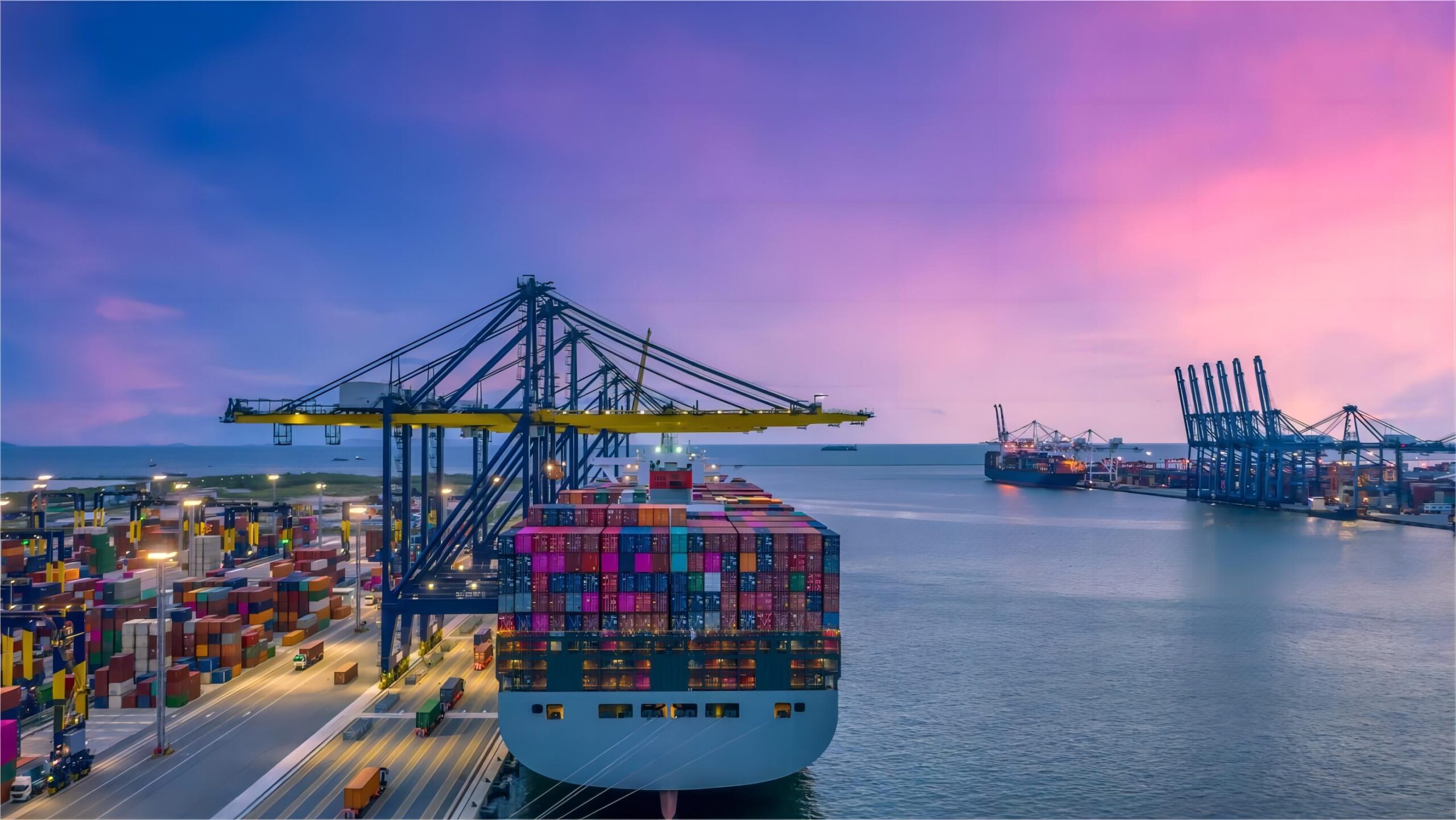
When factoring in pre-shipment processes like container loading, drayage to the port, and vessel waiting times at the origin, another 3-7 days are usually added. Upon arrival at Long Beach, discharge, customs processing, and final delivery to your warehouse can take an additional 5-10 days. Therefore, a realistic total transit time for sea freight for lighting from China to Long Beach generally falls within 25-35 days.
Market data suggests that as of early 2025, ocean freight schedules are relatively stable. However, unforeseen events such as adverse weather conditions or labor disputes can still cause disruptions. Planning with a buffer is always advisable for timely delivery of your lighting products.
| Origin Port (China) | Ocean Transit Time (Days) | Total Door-to-Door (Days) |
|---|---|---|
| Shanghai | 14-16 | 25-30 |
| Ningbo | 15-17 | 26-31 |
| Shenzhen | 12-14 | 23-28 |
| Qingdao | 16-18 | 27-33 |
Cost Considerations for Your Lighting Shipment
❖Understanding the shipping costs associated with a 20GP FCL for lighting is essential for budgeting. The total cost encompasses various components beyond just the ocean freight. These include origin charges, destination charges, and customs duties.
Ocean freight rates for a 20GP FCL from China to USA West Coast (like Long Beach) typically range from $1,500-$2,200, based on Q1 2025 market rates. However, these rates are subject to change based on fuel costs, carrier capacity, and seasonal demand. Origin charges, including terminal handling (THC) and documentation fees, can add $300-$600. Destination charges at Long Beach, such as port fees, drayage, and chassis rental, might total $500-$900.
Furthermore, customs duties and taxes on lighting products imported into the US must be calculated. These depend on the Harmonized Tariff Schedule (HTS) code of your specific lighting items. An experienced customs brokerage service can help you accurately estimate and manage these costs. Always request a detailed quote to avoid hidden fees and ensure transparency.
Navigating Customs and Documentation for Smooth Imports
❖Successful import of lighting from China to Long Beach hinges on precise customs procedures and comprehensive documentation. Incorrect or incomplete paperwork can lead to significant delays and penalties. Therefore, meticulous preparation is non-negotiable.
Key documents required usually include the Commercial Invoice, Packing List, Bill of Lading, and potentially a Certificate of Origin. Additionally, lighting products may be subject to specific regulations from agencies like the FDA (for some electronic components) or energy efficiency standards. Ensuring compliance with all US import regulations is paramount.
Working with a knowledgeable freight forwarder who offers door-to-door service can significantly simplify this process. They can manage all aspects, from origin pickup to final delivery, including customs clearance. This expertise helps prevent costly errors and ensures your lighting products reach their destination without unnecessary hold-ups.
How Does FCL Sea Freight Compare to Other Shipping Options?
❖While 20GP FCL sea freight is a popular choice for lighting imports, it is not the only option. Businesses should consider alternative shipping methods based on their specific needs for speed, cost, and cargo volume. Evaluating these alternatives helps in making an informed logistics decision for your supply chain.
For instance, air freight offers significantly faster transit times but at a much higher cost. This might be suitable for urgent samples or high-value, low-volume lighting components. Conversely, LCL (Less than Container Load) sea freight is an option for smaller shipments that don’t fill an entire 20GP container. However, LCL often has longer transit times due to consolidation and deconsolidation processes.
| Shipping Method | Cost Range (20GP Equivalent) | Transit Time (China to Long Beach) | Best For | Limitations |
|---|---|---|---|---|
| 20GP FCL Sea Freight | $1,500 – $2,200 | 25-35 Days (Door-to-Door) | Medium-volume, non-urgent, cost-effective | Slowest transit time, port congestion risk |
| LCL Sea Freight | $50 – $80 per CBM | 30-45 Days (Door-to-Door) | Small-volume, non-urgent, flexible | Longer transit time, more handling, potential for delays |
| Air Freight (Express) | $10,000 – $20,000+ | 5-10 Days (Door-to-Door) | Urgent, high-value, low-volume, samples | Very high cost, size/weight restrictions, carbon footprint |
| Hybrid (Sea-Air) | $5,000 – $10,000+ | 15-20 Days (Door-to-Door) | Moderately urgent, balanced cost/speed | Complex coordination, still more expensive than sea |
Real-World Scenarios: 20GP FCL Transit for Lighting
❖Examining real-world examples helps illustrate the practical aspects of 20GP FCL transit times and costs for lighting. These case studies highlight typical challenges and successful strategies. They demonstrate how various factors influence the final delivery of goods.
Case Study 1: Standard LED Fixtures Shipment
This case involved a routine shipment of standard LED panel lights for a commercial distributor. The focus was on cost-effectiveness and reliable delivery within a standard lead time. The importer chose a major carrier with a direct service.
| Detail | Description |
|---|---|
| Route | Ningbo, China -> Long Beach, USA |
| Cargo | LED Panel Lights, 28 CBM, 8,000 kg |
| Container | 20GP FCL |
| Shipping Details | Carrier: COSCO, Port of Loading: Ningbo, Port of Discharge: Long Beach, Route Type: Direct |
| Cost Breakdown | Ocean Freight: $1,800, Origin Charges: $450, Destination Charges: $700, Customs & Duties (estimated): $1,200, Total Landed Cost: $4,150 (Based on Q3 2024 market rates) |
| Timeline | Booking to Loading: 4 days, Sea Transit: 16 days, Customs Clearance: 3 days, Total Door-to-Door: 28 days |
| Key Insight | Direct service from a major port minimized transit time, achieving efficient delivery within typical expectations. Proactive documentation prevented customs delays. |
Case Study 2: Fragile Architectural Lighting Components
This scenario involved high-value, fragile architectural lighting components requiring careful handling. The importer prioritized secure transit and a slightly faster-than-average sea freight schedule to meet a project deadline. This shipment also benefited from robust packaging and careful loading procedures.
| Detail | Description |
|---|---|
| Route | Shenzhen, China -> Long Beach, USA |
| Cargo | Custom Architectural Lighting Components, 25 CBM, 7,500 kg |
| Container | 20GP FCL |
| Shipping Details | Carrier: Maersk, Port of Loading: Shenzhen, Port of Discharge: Long Beach, Route Type: Direct |
| Cost Breakdown | Ocean Freight: $2,100, Origin Charges: $500, Destination Charges: $800, Customs & Duties (estimated): $1,500, Total Landed Cost: $4,900 (Typical rates as of early 2025) |
| Timeline | Booking to Loading: 5 days, Sea Transit: 13 days, Customs Clearance: 2 days, Total Door-to-Door: 25 days |
| Key Insight | Selecting a faster direct service from a southern Chinese port and meticulous packaging resulted in a quicker-than-average, secure delivery despite the fragile nature of the cargo. |
Which Option Should You Choose for Your Lighting Imports?
❖Deciding the best shipping method for your lighting products depends on your specific business priorities. There is no one-size-fits-all solution; consequently, a careful evaluation of your needs is essential. Consider these criteria to make an informed choice for your supply chain.
If budget is your primary concern, 20GP FCL sea freight is almost always the most economical option for medium to large volumes. It provides the best cost-per-unit, especially for bulk lighting shipments. However, you must account for the longer transit times.
Conversely, if speed is paramount, perhaps for a time-sensitive project or urgent stock replenishment, air freight is the clear winner. Despite its higher cost, the significantly reduced transit time can justify the expense. This is often the case for high-value or critical components.
For cargo type considerations, fragile or high-value lighting benefits from FCL due to less handling compared to LCL. For extremely urgent, small, and valuable items, express service via air courier might be appropriate. Volume thresholds also play a role; FCL becomes more cost-effective once your shipment exceeds approximately 15 CBM.
Ultimately, the best approach often involves a mix of strategies. For instance, you might use FCL for regular stock and air freight for emergency orders or new product launches. A reliable freight forwarder can help tailor a solution to your unique import needs.
Note: Freight rates are subject to change based on fuel costs, carrier capacity, and seasonal demand. Contact us for a current quote tailored to your specific shipment.
Optimizing Your Lighting Supply Chain with Expert Forwarding
❖Optimizing your supply chain for lighting imports from China to Long Beach involves more than just selecting a shipping method. It requires strategic planning, efficient execution, and proactive problem-solving. Partnering with an experienced freight forwarder is a critical component of this optimization.
A good freight forwarder can provide valuable insights into market trends, helping you anticipate rate fluctuations and potential delays. They can also offer consolidated services, even for FCL, by optimizing container loading and routing. This strategic partnership ensures that your lighting products move seamlessly through the global logistics network.
Furthermore, an expert forwarder can assist with specialized services like quality control at origin, warehousing, and even compliance for platforms like Amazon FBA. Their network and expertise simplify complex international shipping, allowing you to focus on your core business. This comprehensive support is invaluable for maintaining a competitive edge.
Mastering Your 20GP FCL Transit Time for Lighting Imports
Understanding the 20GP FCL transit time for lighting from China to Long Beach is essential for effective supply chain management. By considering factors like origin port, carrier service, seasonality, and customs, businesses can better plan and execute their import strategies. Moreover, leveraging the expertise of a professional freight forwarder is crucial for navigating the complexities of international logistics.
Ultimately, a well-managed shipping process ensures timely delivery, reduces costs, and enhances customer satisfaction. Proactive planning and strategic partnerships will undoubtedly contribute to the success of your lighting import operations.
Ready to streamline your logistics?
Are you ready to streamline your lighting imports from China to Long Beach? Contact China Top Freight today for a personalized quote and expert guidance. Our team is dedicated to providing efficient and reliable shipping solutions tailored to your 20GP FCL transit time requirements.
Request Quote