

Open Top FCL Insurance for Textiles: China to France Shipping Guide
Shipping textiles from China to France demands precise logistics and robust protection. Indeed, choosing the right freight solution, like Open Top Full Container Load (FCL), is only one part of the equation. Understanding the nuances of Open Top FCL insurance for textiles from China to France is paramount for safeguarding your valuable cargo against unforeseen risks.
What is Open Top FCL Shipping for Textiles?
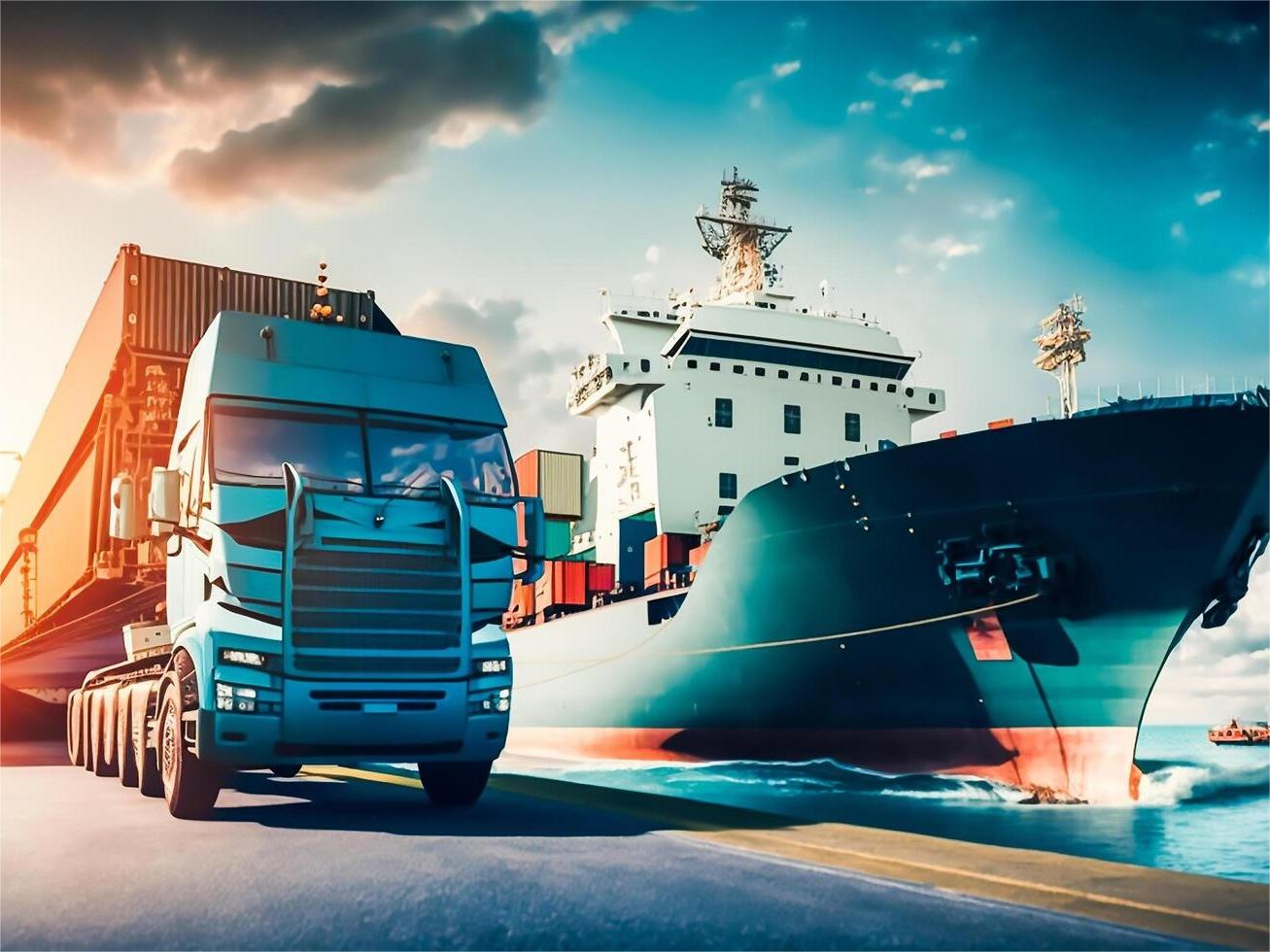
Open Top FCL (Full Container Load) shipping involves using a standard shipping container, typically 20-foot or 40-foot, but with a removable soft or hard top instead of a fixed roof. This specialized container design primarily facilitates the loading of oversized or awkwardly shaped cargo from the top, which cannot fit through the container doors. For textiles, it offers unique advantages, particularly for bulky items or those requiring specific handling.
Furthermore, textiles, especially large rolls of fabric or finished goods packed in tall pallets, often benefit from this loading flexibility. The open top design allows for crane loading, ensuring careful placement and minimizing potential damage during stuffing. Consequently, it is a preferred option for many textile importers managing substantial volumes and specific cargo handling requirements.
Why is Specialized Insurance Crucial for Textile Imports?
Textiles, despite their appearance, are highly susceptible to damage during transit. For instance, moisture, dust, mold, and physical impact can significantly degrade their quality, leading to substantial financial losses. Moreover, the inherent value of textile goods, ranging from raw materials to high-fashion garments, makes them a prime target for theft or pilferage during various stages of the supply chain.
Therefore, standard carrier liability often provides insufficient coverage for the full value of your textile shipment. Consequently, specialized cargo insurance tailored for textiles covers a broader spectrum of risks, including specific perils related to water damage, contamination, and even certain types of handling errors. Without a doubt, this protection is indispensable for mitigating the financial impact of unforeseen events.
Understanding Open Top FCL Insurance Coverage from China to France
When securing Open Top FCL insurance for your textile shipments, understanding the scope of coverage is paramount. Generally, policies are categorized into ‘All-Risk’ and ‘Named Perils’. All-Risk coverage offers the broadest protection, covering all external causes of loss or damage unless specifically excluded. Conversely, Named Perils policies only cover risks explicitly listed, such as fire, collision, or stranding.
Specifically for textiles, an All-Risk policy is highly recommended due to the myriad of potential issues, including moisture ingress through the container’s tarpaulin roof or specific handling damages. Furthermore, ensure your policy covers transit from the warehouse in China to the final destination in France, including inland transport at both ends. Always declare the full commercial value of your goods, as under-declaration can lead to proportional claim settlements. Key terms like ‘Free of Particular Average’ (FPA) or ‘With Average’ (WA) dictate coverage for partial losses, which are critical for textile cargo.
The Logistics Journey: Shipping Textiles from China to France
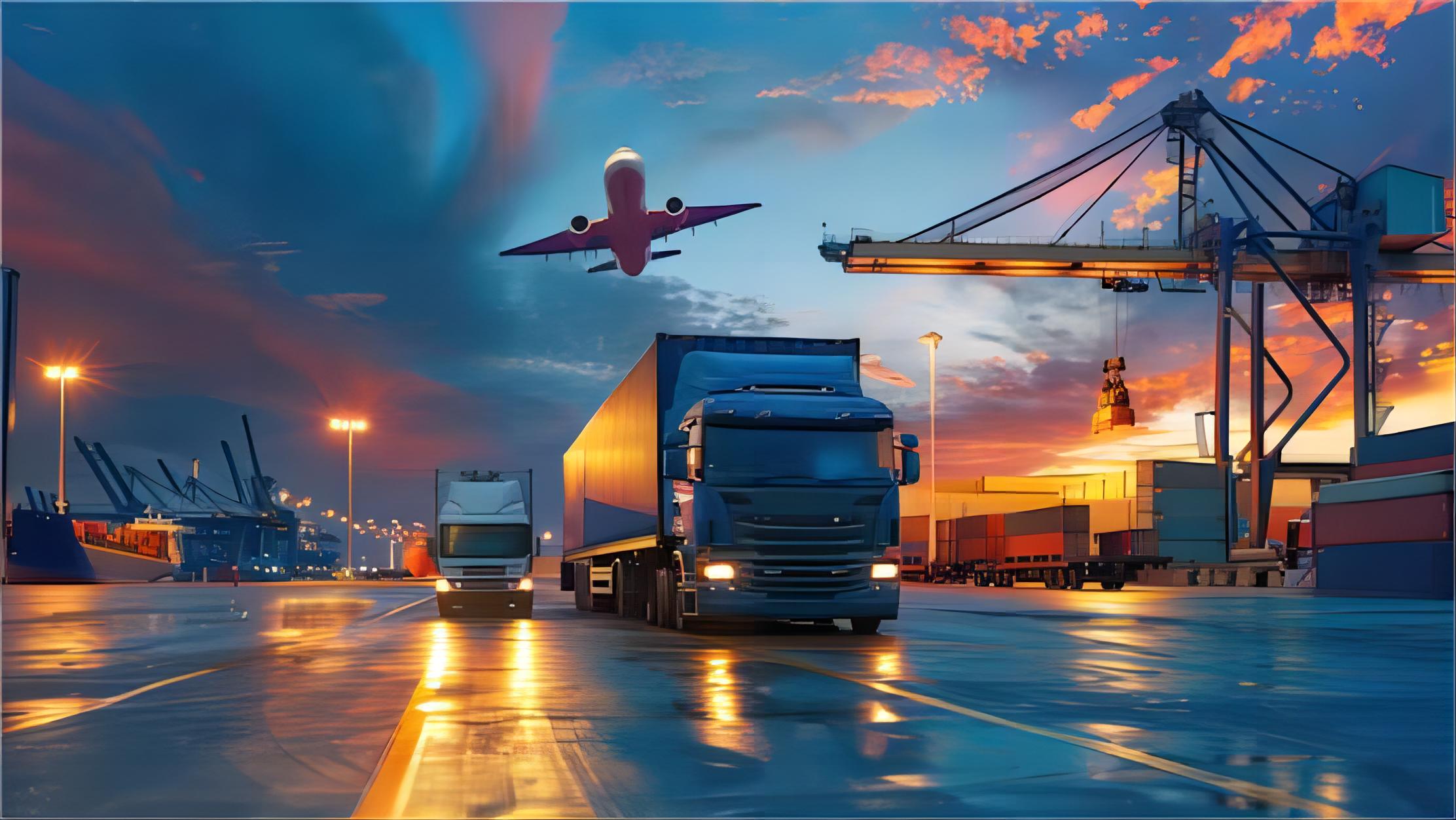
The journey for textiles from China to France involves a complex series of coordinated steps. Initially, goods are picked up from the factory in China and transported to the port of loading, such as Shanghai, Ningbo, or Shenzhen. Here, the Open Top FCL container is loaded, sealed, and prepared for ocean transit. Following this, the vessel embarks on its voyage across various seas, heading towards major French ports like Le Havre, Marseille, or Dunkirk.
Upon arrival, the container undergoes customs clearance procedures in France. This stage requires meticulous documentation and adherence to French import regulations. Post-clearance, the container is then transported inland to its final destination warehouse or distribution center. Consequently, effective customs brokerage is vital for a smooth process, preventing delays and additional costs. Efficient supply chain management is therefore crucial throughout this entire process.
How Does Open Top FCL Compare to Other Shipping Options for Textiles?
Choosing the optimal shipping method for textiles from China to France involves balancing cost, transit time, and cargo security. While Open Top FCL offers specific benefits for certain textile types, it is essential to consider alternatives like standard dry FCL, LCL (Less than Container Load), and air freight. Each method presents distinct advantages and limitations, influencing your overall logistics strategy.
For example, standard FCL is often more cost-effective for high volumes that do not require top-loading. LCL, on the other hand, is suitable for smaller shipments, albeit with longer transit times and increased handling. Air freight provides unparalleled speed but comes with a significantly higher price tag. Evaluating these options carefully is key to optimizing your textile supply chain. Below is a comparison table to help illustrate these differences.
Note: Freight rates are subject to change based on fuel costs, carrier capacity, and seasonal demand. Contact us for a current quote tailored to your specific shipment.
| Shipping Method | Cost Range (Approx.) | Transit Time (China-France) | Best For | Limitations |
|---|---|---|---|---|
| Open Top FCL (Sea) | $3,000 – $4,800 | 28 – 38 days | Bulky, tall, or heavy textiles requiring top loading | Higher freight cost than standard FCL; weather exposure risk |
| Standard FCL (Sea) | $2,800 – $4,200 | 28 – 38 days | High volume textiles, standard dimensions | Requires container-specific loading equipment |
| LCL (Sea) | $50 – $80 per CBM | 35 – 45 days | Small to medium textile shipments (under 15 CBM) | Longer transit, more handling, higher risk of delays |
| Air Freight | $4 – $8 per kg | 5 – 10 days | Urgent, high-value, low-volume textile shipments | Significantly higher cost, limited volume capacity |

Which Option Should You Choose?
The best shipping solution ultimately depends on your specific business priorities. If budget is your primary concern and you have sufficient volume, sea freight via standard FCL or Open Top FCL (if cargo requires it) is generally the most economical. Conversely, if speed is critical for time-sensitive fashion collections or urgent stock replenishment, air freight is the clear choice.
Moreover, consider hybrid solutions like sea-air for a balance of speed and cost, or prioritize direct routes over transshipment to save transit time, even if it incurs a slightly higher cost. For smaller textile volumes under 15 CBM, LCL might be more economical than a full container, despite potentially longer transit times and more handling. Therefore, a thorough assessment of your cargo type, volume, budget, and delivery schedule is essential for making an informed decision.
Navigating French Customs and Textile Import Regulations
Importing textiles into France from China requires meticulous attention to customs regulations and documentation. Importers must possess an EORI (Economic Operators Registration and Identification) number. Furthermore, accurate classification of textiles using the Harmonized System (HS) codes is crucial for determining applicable duties and taxes. Misclassification can lead to delays, penalties, or even seizure of goods.
In addition, France, as part of the EU, adheres to strict product safety and environmental standards. Textiles must comply with REACH regulations concerning chemical substances, as well as specific labeling requirements regarding composition and origin. Consequently, ensuring all necessary certificates of conformity and accurate commercial invoices are prepared in advance will facilitate a smooth customs clearance process. Proper documentation is therefore indispensable for avoiding complications.
Real-World Textile Shipments: Case Studies from China to France
Understanding real-world scenarios can illuminate the complexities and successful strategies involved in shipping textiles. These examples demonstrate how effective planning, appropriate shipping methods, and robust insurance can ensure smooth delivery for diverse textile products.
Based on Q3 2024 market rates, these cases highlight typical costs and timelines for textile imports into Europe. Market data suggests rates can fluctuate significantly based on carrier capacity and global events.
Case Study 1: High-Fashion Garments via Open Top FCL
This case involved a French fashion brand importing delicate, high-value garments requiring careful handling and protection from compression. The Open Top FCL solution was chosen to allow for top-loading of apparel on hangers, minimizing creasing and damage. Comprehensive Open Top FCL insurance was critical due to the high retail value.
| Detail | Description |
|---|---|
| Route | Shanghai, China Le Havre, France |
| Cargo | High-end fashion garments on hangers, 30 CBM, 4,500 kg |
| Container | 1 x 40HQ Open Top |
| Shipping Details | Carrier: Maersk. Port of Loading: Shanghai. Port of Discharge: Le Havre. Route Type: Direct. |
| Cost Breakdown | Ocean Freight: $4,100; Origin Charges: $450; Destination Charges: $600; Customs & Duties (estimated): $1,200; Total Landed Cost: $6,350 |
| Timeline | Booking to Loading: 5 days; Sea Transit: 30 days; Customs Clearance: 3 days; Total Door-to-Door: 38 days |
| Key Insight | Open Top FCL prevented damage to delicate garments, justifying the slightly higher freight cost. Robust insurance covered potential moisture damage. |

Case Study 2: Bulk Fabric Rolls with Door-to-Door Service
A textile manufacturer needed to import large rolls of fabric for production in France. The primary concern was cost-effectiveness for bulk volume, alongside reliable door-to-door delivery. Standard FCL was initially considered, but due to the rolls’ diameter, an Open Top container facilitated easier and safer loading, especially for oversized rolls. Insurance protected against potential transit damage to the fabric.
| Detail | Description |
|---|---|
| Route | Ningbo, China Marseille, France |
| Cargo | Industrial fabric rolls, 60 CBM, 22,000 kg |
| Container | 1 x 40GP Open Top |
| Shipping Details | Carrier: COSCO. Port of Loading: Ningbo. Port of Discharge: Marseille. Route Type: Transshipment via Singapore. |
| Cost Breakdown | Ocean Freight: $3,500; Origin Charges: $400; Destination Charges: $550; Customs & Duties (estimated): $900; Total Landed Cost: $5,350 |
| Timeline | Booking to Loading: 7 days; Sea Transit: 35 days; Customs Clearance: 4 days; Total Door-to-Door: 46 days |
| Key Insight | Transshipment offered cost savings, but insurance was vital given the extended transit and additional handling. Open Top facilitated efficient bulk loading. |
Optimizing Your Textile Supply Chain for France-Bound Cargo
Efficiently managing your textile supply chain from China to France involves more than just selecting a shipping method. Proactive planning and strategic partnerships are key to success. For instance, consider consolidating multiple smaller orders into a single Open Top FCL shipment to achieve economies of scale. Furthermore, closely monitor market conditions; industry trends, such as port congestion or fluctuating freight rates, can significantly impact your delivery schedule and overall costs.
Additionally, partnering with a reputable freight forwarder experienced in textile logistics and Open Top containers is invaluable. They can provide expert guidance on documentation, customs compliance, and optimal routing. Such a partner can also offer robust cargo handling solutions and help secure comprehensive Open Top FCL insurance for textiles from China to France, ensuring peace of mind. Regularly reviewing your logistics strategy and choosing reliable suppliers in China will further enhance efficiency and reduce risks.
Ensuring Safe and Efficient Textile Imports to France
Importing textiles from China to France, especially using specialized Open Top FCL containers, presents unique opportunities and challenges. While the method offers flexibility for certain cargo types, the inherent risks to valuable textiles necessitate robust protection. Therefore, securing comprehensive Open Top FCL insurance for textiles from China to France is not merely an option but a critical component of a sound import strategy.
By understanding the specific coverage needs, navigating customs regulations, and partnering with experienced logistics providers, businesses can mitigate risks and ensure their textile shipments arrive safely and on schedule. Ultimately, informed decisions regarding shipping methods, insurance, and supply chain management will lead to successful and profitable international trade endeavors.
Start Your Shipment
Ready to secure your valuable textile shipments from China to France? Contact us today for a tailored quote on Open Top FCL insurance and comprehensive logistics solutions. Our experts are here to ensure your cargo arrives safely and efficiently.
Request Quote