

Computer Parts Sea Freight China to USA: Your Ultimate Shipping Guide
“Shipping computer parts from China to the USA requires careful planning and a deep understanding of international logistics. Navigating the complexities of global freight can be challenging, especially when dealing with delicate electronics and tight delivery schedules. This comprehensive guide will illuminate the best practices for computer parts sea freight China to USA, helping you optimize costs and ensure secure, timely delivery of your valuable components.”
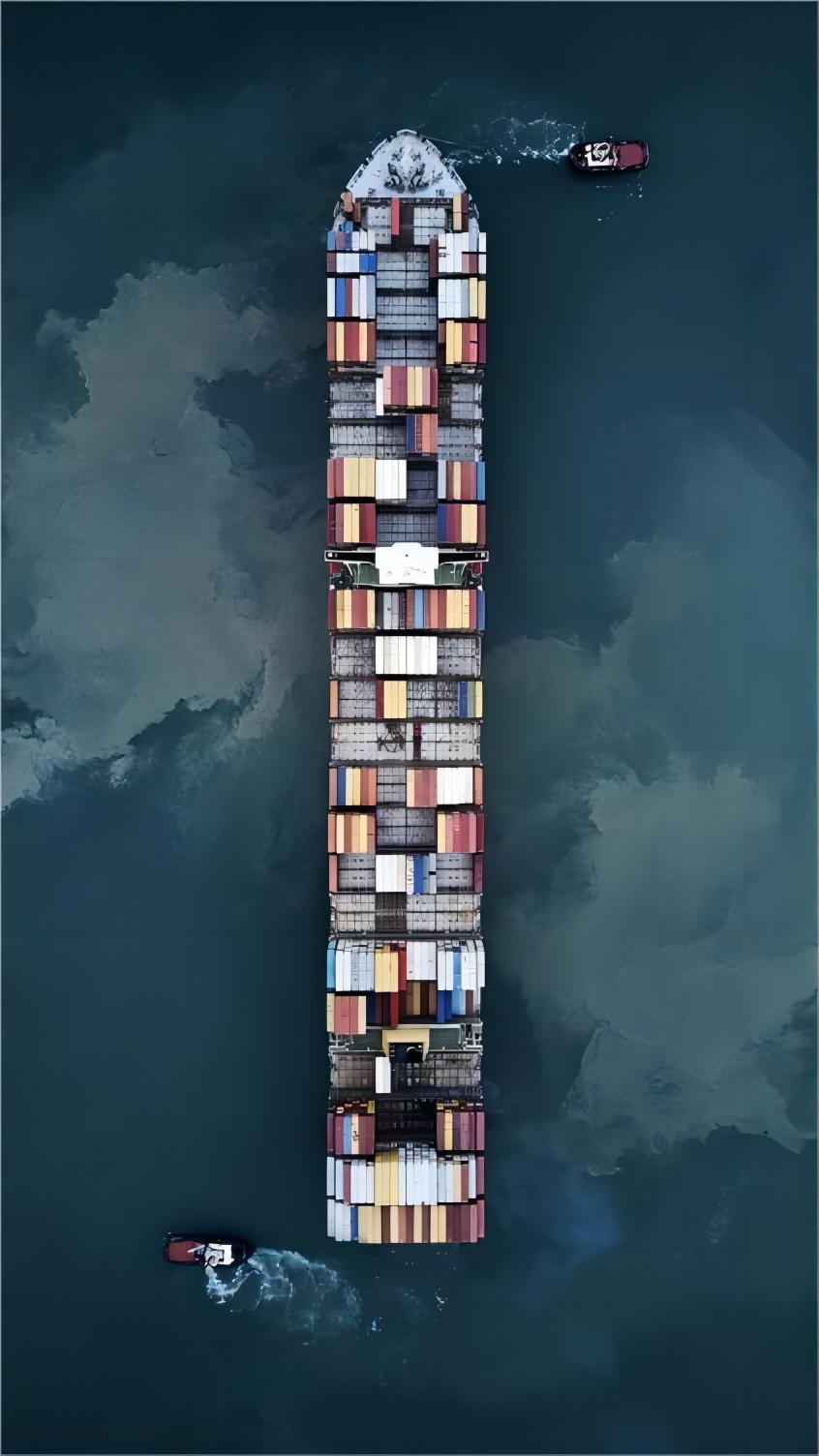
Why Choose Sea Freight for Computer Parts from China to USA?
❖Opting for computer parts sea freight from China to USA presents numerous advantages, particularly for businesses managing large inventories. This method is exceptionally cost-effective, significantly reducing per-unit shipping expenses for bulk orders of computer components. Consequently, it allows for greater budget allocation towards product development or marketing.
Furthermore, sea freight offers unparalleled capacity, accommodating vast quantities of PC hardware and oversized items that air freight cannot. This high volume capability ensures your supply chain remains robust and responsive, even during peak demand. Moreover, it is generally considered a more environmentally friendly shipping option, aligning with sustainable business practices.

FCL vs. LCL: Which is Best for Your Computer Parts Shipment?
❖When planning to import computer parts from China to the USA, a crucial decision involves choosing between Full Container Load (FCL) and Less than Container Load (LCL). Each option offers distinct benefits depending on your shipment’s volume and urgency. Understanding these differences is vital for optimizing your logistics strategy and managing `shipping computer components from China to US` effectively.
FCL involves reserving an entire shipping container for your cargo alone. This provides greater control over your goods, often resulting in faster transit times as there are no consolidations or deconsolidations at various ports. Conversely, LCL means your computer parts share container space with other shippers’ cargo. While this is more economical for smaller volumes, it can introduce additional handling and slightly longer transit durations.
| Feature | Full Container Load (FCL) | Less than Container Load (LCL) | Best For |
|---|---|---|---|
| Volume | High (15+ CBM) | Low (under 15 CBM) | Large-scale importers |
| Cost Efficiency | Lower per CBM for large volumes | Higher per CBM, lower total for small volumes | Small to medium businesses |
| Transit Time | Generally faster, direct route | Potentially slower due to consolidation | Urgent, high-volume needs |
| Cargo Control | Exclusive container, less handling | Shared container, more handling points | Delicate, high-value electronics |
| Flexibility | Less flexible for small orders | Highly flexible for varying order sizes | Startups, diverse product lines |

What Factors Influence Computer Parts Sea Freight Costs and Transit Times?
❖Several dynamic factors influence the `ocean freight rates for computer parts` and their journey from China to the USA. Understanding these elements is essential for accurate budgeting and strategic planning. Fuel surcharges, for instance, fluctuate with global oil prices, directly impacting overall shipping expenses. Moreover, port congestion at major hubs in China or the USA can cause significant delays, extending `transit times China to USA sea freight` beyond initial estimates.
Seasonal demand also plays a considerable role, with rates typically increasing during peak seasons like the months leading up to holidays or during major manufacturing periods. Container availability, especially for specific types like 40HQ, can also affect pricing and scheduling. Geopolitical events and global `logistics trends` further contribute to rate volatility. For example, as of Q1 2025, freight rates from China to the USA have stabilized after the 2024 Red Sea disruptions, but vigilance is still key.
Note: Freight rates are subject to change based on fuel costs, carrier capacity, and seasonal demand. Contact us for a current quote tailored to your specific shipment.
How to Navigate US Customs and Regulations for Importing Computer Parts?
❖Successfully importing computer parts into the USA necessitates a thorough understanding of US Customs and Border Protection (CBP) regulations. Proper `customs clearance for electronics USA` is paramount to avoid delays, fines, or even seizure of goods. This process involves accurate classification of your computer components, adherence to specific import requirements, and timely submission of all necessary documentation. Therefore, partnering with an experienced customs brokerage firm is highly recommended.
Furthermore, certain computer parts, especially those with wireless capabilities, may require compliance with Federal Communications Commission (FCC) regulations. Additionally, understanding `import duties on computer parts USA` is critical, as tariffs can significantly impact your total landed cost. Staying informed about trade policies and potential tariff changes is an ongoing responsibility for importers.
Essential Documentation for Computer Parts Imports
Accurate and complete documentation is the backbone of smooth international shipping. For computer parts sea freight China to USA, you will primarily need a commercial invoice, a packing list, and the bill of lading. The commercial invoice details the transaction between the seller and buyer, including product descriptions, values, and terms of sale. The packing list provides an itemized account of goods, specifying quantities, weights, and dimensions.
The bill of lading, issued by the carrier, serves as a contract of carriage, a receipt for goods, and a document of title. Depending on the specific computer components, additional certificates like FCC declarations, product safety certifications (e.g., UL), or country of origin declarations might be required. Preparing these documents meticulously will streamline your `delivery schedule` and prevent unforeseen issues.
Ensuring Safe Delivery: Packaging and Handling for Delicate Computer Parts
❖The delicate nature of computer parts demands meticulous attention to packaging and `cargo handling` during sea freight. Improper packing can lead to irreparable damage, resulting in significant financial losses and supply chain disruptions. Therefore, investing in high-quality, protective packaging materials is not merely an option but a necessity for `safely shipping delicate electronics overseas`.
Specifically, anti-static bags are crucial for protecting sensitive electronic components from electrostatic discharge. Shock-absorbing foam inserts or custom-fit trays should be used to cushion items against vibrations and impacts during transit. Additionally, sturdy, double-walled corrugated cartons are recommended for external packaging, providing robust protection against external pressures. All cartons must be clearly labeled with handling instructions, including ‘Fragile’ and ‘This Way Up’ indicators, to guide handlers throughout the journey.
How to Choose a Reliable Freight Forwarder for Computer Parts from China to USA?
❖Selecting the right freight forwarder is perhaps the most critical decision for successful computer parts sea freight from China to USA. A competent forwarder acts as your logistics partner, managing the complexities of international shipping on your behalf. Look for a company with extensive experience in `logistics for computer hardware imports` and a proven track record for the China-USA route.
A reliable forwarder should possess a robust network of carriers and agents, ensuring competitive `freight rates` and flexible shipping options. They should also offer comprehensive services, including customs clearance, warehousing, and door-to-door delivery. Transparency in pricing and clear communication are also hallmarks of a trustworthy partner, providing peace of mind throughout the shipping process. Always verify their licenses, insurance, and customer testimonials before committing.
How Does Sea Freight Compare to Other Shipping Options for Computer Parts?
❖While sea freight is often the go-to for its cost-effectiveness and capacity, it is important to consider alternative shipping methods for computer parts from China to the USA. Your choice depends heavily on factors like urgency, budget, and the specific nature of the components. Understanding these comparisons helps you make informed decisions for your supply chain.
For instance, air freight offers significantly faster transit times, ideal for urgent or high-value, low-volume shipments. However, it comes at a much higher cost. Conversely, express service provides rapid, door-to-door delivery for small packages, though it becomes prohibitively expensive for larger consignments. Each method has its unique trade-offs in terms of speed, cost, and cargo limitations.
| Shipping Method | Cost Range (40HQ equivalent) | Transit Time (China to USA) | Best For | Limitations |
|---|---|---|---|---|
| Sea Freight (FCL) | $2,800 – $6,000 | 14-35 days | Large volumes, heavy goods, cost-sensitive | Slowest transit time, potential port delays |
| Air Freight | $15,000 – $25,000 | 5-7 days | Urgent shipments, high-value, smaller volumes | High cost, weight/volume restrictions |
| Express Service | $8,000 – $18,000 (for ~200kg) | 2-5 days | Small, urgent packages, samples | Very high cost for larger shipments, strict size limits |
Real-World Scenarios: Computer Parts Sea Freight China to USA
❖Examining real-world examples helps illustrate the practical application of computer parts sea freight from China to USA. These case studies highlight various shipping strategies and outcomes based on different cargo types, volumes, and specific client needs. They provide valuable insights into managing `shipping computer components from China to US` effectively, showcasing typical costs and timelines.
These scenarios are based on Q3 2024 market rates and common shipping practices. Keep in mind that actual rates and timelines can vary due to market fluctuations, carrier availability, and specific service agreements. Always obtain a current quote for your particular shipment details.
Case Study 1: Large Volume Motherboards and GPUs
| Detail | Description |
|---|---|
| Route | Ningbo, China -> Los Angeles, USA |
| Cargo | Motherboards and Graphics Cards, 55 CBM, 15,000 kg |
| Container | 1 x 40HQ |
| Shipping Details | Carrier: COSCO, Port of Loading: Ningbo, Port of Discharge: Los Angeles, Route Type: Direct |
| Cost Breakdown | Ocean Freight: $3,800, Origin Charges: $550, Destination Charges: $480, Customs & Duties (estimated): $1,200, Total Landed Cost: $6,030 |
| Timeline | Booking to Loading: 5 days, Sea Transit: 16 days, Customs Clearance: 3 days, Total Door-to-Door: 24 days |
| Key Insight | Achieved significant cost savings per unit due to FCL volume, efficient direct route to West Coast. `Optimizing shipping costs computer parts` was the primary goal. |
Case Study 2: Consolidated RAM Modules for Amazon FBA
| Detail | Description |
|---|---|
| Route | Shenzhen, China -> Seattle, USA (for Amazon FBA warehouse) |
| Cargo | RAM Modules, 8 CBM, 2,500 kg |
| Container | LCL 8 CBM |
| Shipping Details | Carrier: Major carrier via LCL consolidator, Port of Loading: Shenzhen, Port of Discharge: Seattle, Route Type: Transshipment via Busan |
| Cost Breakdown | Ocean Freight: $700 (LCL), Origin Charges: $200, Destination Charges: $180, Customs & Duties (estimated): $350, Total Landed Cost: $1,430 |
| Timeline | Booking to Loading: 7 days, Sea Transit: 22 days, Customs Clearance: 4 days, Total Door-to-Door: 35 days (including final mile to FBA) |
| Key Insight | LCL was ideal for this smaller `Amazon FBA` shipment, balancing cost with a manageable transit time. The client utilized our Amazon FBA service for seamless delivery. |
Case Study 3: Custom PC Cases with Expedited Clearance
| Detail | Description |
|---|---|
| Route | Guangzhou, China -> Houston, USA |
| Cargo | Custom PC Cases, 25 CBM, 4,000 kg |
| Container | FCL 20GP |
| Shipping Details | Carrier: MSC, Port of Loading: Guangzhou, Port of Discharge: Houston, Route Type: Direct |
| Cost Breakdown | Ocean Freight: $2,800, Origin Charges: $400, Destination Charges: $350, Customs & Duties (estimated): $800, Total Landed Cost: $4,350 |
| Timeline | Booking to Loading: 6 days, Sea Transit: 32 days, Customs Clearance: 2 days, Total Door-to-Door: 42 days |
| Key Insight | Even with a 20GP, FCL provided better `cost to ship electronics from China to USA` compared to LCL due to the cargo’s bulk. Expedited customs brokerage minimized port dwell time. |
Which Shipping Option Should You Choose for Your Computer Parts?
❖Deciding the `best way to import PC hardware from China` involves evaluating your specific business priorities. If budget is your primary concern and you have ample lead time, sea freight, especially FCL for larger volumes, is almost always the most economical choice. It allows you to maximize your profit margins on high-volume `computer parts sea freight China to USA`.
Conversely, if speed is paramount for new product launches or urgent inventory replenishment, `air freight` or `express service` will be more suitable, despite their higher costs. Consider the value and fragility of your `computer components` carefully; while sea freight is secure, proper packaging is non-negotiable. Finally, volume thresholds are critical: LCL is cost-effective for shipments under 15 CBM, while FCL becomes more efficient above this point, offering better control and often faster transit.
Current Market Insights for Computer Parts Sea Freight China to USA
❖The global shipping landscape for `computer parts sea freight China to USA` is constantly evolving, influenced by various market dynamics. As of early 2025, freight rates have largely stabilized following the significant disruptions experienced in 2023 and 2024, including the Red Sea rerouting impacts. However, underlying market conditions continue to present challenges and opportunities.
Industry average for this route suggests a slight easing in container prices, yet capacity management by carriers remains a key factor. Seasonal patterns dictate that rates typically increase by 15-25% during the August-October peak season, coinciding with holiday inventory build-up. Additionally, port labor negotiations and potential congestion at major US ports like Los Angeles and Long Beach are ongoing considerations that can affect `delivery schedule` and overall `supply chain` efficiency. Staying informed on these `logistics trends` is vital for strategic planning.
Mastering Your Computer Parts Sea Freight Journey
In conclusion, mastering `computer parts sea freight China to USA` is essential for businesses relying on efficient supply chains. By understanding the nuances of FCL/LCL, customs regulations, and choosing a reliable partner, you can significantly optimize your shipping process. For seamless and cost-effective delivery of your computer components, strategic planning and informed decision-making are key. This comprehensive approach ensures your valuable cargo arrives safely and on time, bolstering your market position.
Ready to streamline your logistics?
Ready to streamline your computer parts sea freight China to USA operations? Contact our experts today for a personalized quote and discover how our tailored solutions can benefit your business. We are here to help you navigate the complexities of international shipping with ease and efficiency.
Request Quote