

The Fastest Way to Ship Textiles from China to UK: A Comprehensive Guide
Shipping textiles from China to the UK demands efficient logistics to meet market demands and maintain competitive edges. Understanding the various shipping options and their implications for speed and cost is crucial for any business. This guide will explore the most effective strategies to find the fastest way to ship textiles from China to UK, ensuring your supply chain remains agile and responsive. We will delve into different methods, their advantages, and how to navigate the complexities of international textile shipping.

What Determines the Fastest Shipping Method for Textiles?
When seeking the fastest way to ship textiles from China to UK, several critical factors come into play. Businesses must carefully evaluate these elements to make informed decisions about their logistics strategy. Primarily, the urgency of delivery, the volume of goods, and the budget allocation significantly influence the optimal choice. Consequently, a balanced approach often yields the best results for textile imports.
Indeed, there is a direct correlation between shipping speed and cost in international logistics. Generally, faster methods like air freight come with a higher price tag compared to slower options such as sea freight. Therefore, businesses must weigh their need for rapid delivery against their financial constraints. Furthermore, unexpected delays can impact both transit time and overall expenditure.
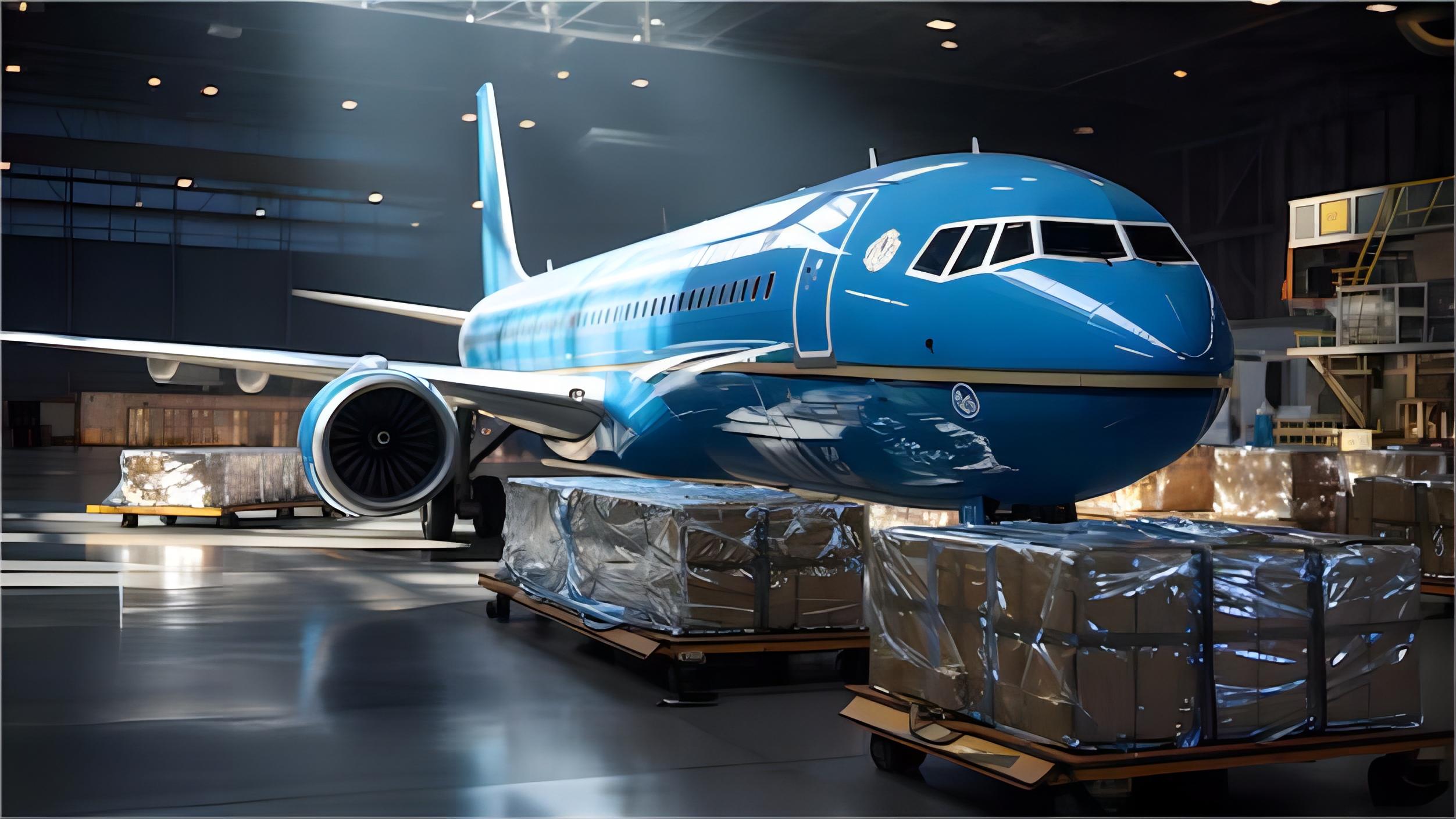
Many elements contribute to the total transit time for textile shipments. For instance, the choice of carrier, the specific route taken, and the efficiency of customs clearance procedures all play vital roles. Moreover, port congestion, adverse weather conditions, and peak season surcharges can also extend delivery schedules. Accordingly, proactive planning and robust contingency measures are essential for timely arrivals of your textile products.
The Fastest Way: Express and Air Freight Explained
For businesses prioritizing speed above all else, express courier services and dedicated air freight are undeniably the fastest options available for textile shipments from China to the UK. These methods drastically reduce transit times, allowing for quicker market entry and improved inventory management. Nevertheless, this speed comes at a premium, reflecting the efficiency and directness of these services.
Express Courier Services
Specifically designed for urgent and smaller textile consignments, express courier services offer unparalleled speed. Companies like DHL, FedEx, and UPS provide door-to-door delivery, often within 2-5 business days. This method is ideal for samples, prototypes, or high-value, time-sensitive fashion items. Furthermore, their integrated tracking systems provide real-time updates, offering peace of mind. Learn more about rapid deliveries through our express service options.
This service streamlines the entire process, from pickup in China to final delivery in the UK. Consequently, it minimizes administrative burdens for businesses dealing with smaller, critical textile components or fashion pieces. The convenience and speed make it a preferred choice when every day counts for your textile supply chain.
Dedicated Air Freight
In contrast, dedicated air freight handles larger volumes of textiles, typically palletized or crated, for rapid transit. While slightly slower than express couriers, it still offers transit times of 5-10 days from airport to airport. This option is suitable for substantial fashion collections or seasonal textile goods requiring swift market presence. Consequently, it strikes a balance between speed and capacity for bulkier textile imports.
Choosing dedicated air freight means your textiles benefit from direct routes and faster handling at airports. This method is particularly effective for high-volume, time-sensitive textile goods that cannot afford the longer transit times of sea freight. Explore comprehensive air freight solutions for your textile imports.
How Does Air Freight Compare to Other Shipping Options?
While air freight offers the fastest way to ship textiles from China to UK, it is essential to consider alternative methods for different business needs. Each shipping mode presents a unique balance of cost, speed, and capacity. Therefore, a comprehensive comparison helps in selecting the most appropriate logistics solution for your specific textile imports. Understanding these trade-offs is crucial for optimizing your supply chain.
| Shipping Method | Cost Range (per kg/CBM) | Transit Time (approx.) | Best For | Limitations |
|---|---|---|---|---|
| Express Courier | High ($6-15/kg) | 2-5 days | Samples, urgent small parcels, high-value fashion | Very high cost, volume limits |
| Air Freight | Medium-High ($3-8/kg) | 5-10 days | Time-sensitive fashion, medium-large textile volumes | Higher cost than sea, capacity constraints |
| Sea Freight | Low ($0.05-0.20/kg) | 30-40 days | Bulk fabrics, non-urgent large orders, heavy goods | Long transit times, less flexible |
| Rail Freight | Medium ($1-2/kg) | 18-25 days (to EU hub) | Specific routes, medium-large volumes (not direct UK) | Requires onward road transport to UK, limited flexibility |
Sea Freight as an Alternative
Conversely, sea freight remains the most cost-effective option for shipping large volumes of textiles, especially bulk fabrics or non-urgent orders. Although transit times typically range from 30 to 40 days, the significantly lower cost per unit makes it attractive for businesses with longer lead times. Consequently, many businesses utilize sea freight for their base inventory, reserving faster methods for urgent top-ups and seasonal collections.
This method is ideal for heavy and voluminous textile goods where cost savings outweigh the need for immediate delivery. Planning well in advance allows businesses to leverage the economic benefits of ocean shipping, ensuring stable inventory levels without incurring excessive freight rates.
Rail Freight Considerations
Rail freight offers a middle-ground solution in terms of speed and cost for shipments from China to mainland Europe. However, for the UK, it typically involves an additional leg of road or sea transport from a European hub (e.g., Germany or Poland). Thus, while it can be faster than pure sea freight to the continent, the overall door-to-door time to the UK might not be substantially quicker than optimized sea routes, and less flexible than dedicated air freight. For more information on European routes, see our Europe shipping guide.
While direct rail to the UK is not common, this hybrid approach can be considered for specific scenarios where goods are destined for the continent first. It offers a balance between the speed of air and the cost-effectiveness of sea for certain types of textile cargo, though the transshipment adds complexity.
Hybrid Solutions for Textiles
Moreover, hybrid solutions, such as sea-air combinations, can offer a strategic balance. For example, textiles can be shipped by sea to a closer port (e.g., Dubai or a European hub) and then air-freighted to the UK. This approach can reduce overall transit time compared to pure sea freight while being more economical than direct air freight from China. Understanding these options is key to optimizing your supply chain for textiles.
These innovative logistics strategies allow businesses to tailor their shipping plans, achieving a desired speed without the full expense of direct air freight. Exploring these multimodal options can lead to significant savings and improved delivery schedules for textile consignments.
Optimizing Your Textile Shipments: Key Strategies
Achieving the fastest way to ship textiles from China to UK involves more than just selecting a transport mode; it requires strategic planning and meticulous execution. Implementing effective strategies can streamline the entire shipping process, from origin to final destination. Therefore, businesses should focus on several critical areas to enhance efficiency and reduce potential delays, ensuring smooth textile imports.
Navigating Customs and Documentation
Efficient customs clearance is paramount for rapid textile imports. Ensuring all documentation, including commercial invoices, packing lists, certificates of origin, and any necessary textile-specific declarations, is accurate and complete prevents costly delays. Furthermore, engaging a professional customs brokerage service can significantly expedite this process.
Consequently, this minimizes hold-ups at the UK border, ensuring textiles reach their destination promptly. Proactive preparation of customs paperwork is a cornerstone of fast and trouble-free international shipping for textile goods. Any discrepancies can lead to significant delays and storage fees.
Packaging and Preparation for Textiles
Proper packaging is vital for protecting textiles during transit and facilitating smooth handling. Textiles should be packed securely to prevent damage, moisture, and contamination, which can compromise product quality. Additionally, clear labeling with accurate content descriptions and destination information helps prevent misrouting and expedites sorting. Consequently, well-prepared shipments experience fewer issues and faster processing.
Utilizing appropriate packaging materials, such as durable cartons or waterproof wrapping, is essential for textile integrity. This attention to detail reduces the risk of returns or claims, further contributing to an efficient and fast shipping experience for your valuable textile cargo.
Choosing the Right Freight Forwarder
Selecting a reputable freight forwarder is perhaps the most crucial decision in optimizing your textile supply chain. An experienced forwarder possesses the network, expertise, and resources to manage complex international shipments, offering services like consolidation, warehousing, and door-to-door delivery. They can negotiate better freight rates and provide invaluable advice on routes and customs, ultimately helping achieve the fastest way to ship textiles from China to UK.
A reliable partner acts as an extension of your logistics team, proactively identifying potential issues and offering solutions. Their insight into logistics trends and carrier performance is indispensable for businesses aiming for speed and reliability in their textile imports.
Real-World Scenarios: Textile Shipping Case Studies
Understanding real-world applications of shipping methods provides practical insights into achieving the fastest way to ship textiles from China to UK. These case studies illustrate how different strategies are employed based on specific cargo requirements and market demands. Consequently, they highlight the flexibility and effectiveness of tailored logistics solutions for various textile businesses.
Case Study 1: Urgent Fashion Collection
| Detail | Description |
|---|---|
| Route | Shanghai, China -> London, UK |
| Cargo | High-end designer dresses, 5 CBM, 250 kg |
| Container | Air cargo (palletized) |
| Shipping Details | Carrier: Major airline (e.g., British Airways Cargo), Port of Loading: Shanghai Pudong (PVG), Port of Discharge: London Heathrow (LHR), Route Type: Direct flight |
| Cost Breakdown | Air Freight: $1,750 (approx. $7/kg), Origin Charges: $200, Destination Charges: $150, Customs & Duties (estimated): $400, Total Landed Cost: $2,500 |
| Timeline | Booking to Loading: 1 day, Air Transit: 2 days, Customs Clearance: 1 day, Total Door-to-Door: 4 days |
| Key Insight | Achieving rapid market entry for a new fashion line required prioritizing speed over cost, utilizing direct air freight and efficient customs pre-clearance. This ensured the collection hit stores precisely for its launch date. Based on Q3 2024 market rates. |
Case Study 2: Bulk Fabric Import
| Detail | Description |
|---|---|
| Route | Ningbo, China -> Felixstowe, UK |
| Cargo | Cotton fabric rolls, 28 CBM, 12,000 kg |
| Container | 1 x 20GP FCL (Full Container Load) |
| Shipping Details | Carrier: Major carrier (e.g., COSCO), Port of Loading: Ningbo (NBG), Port of Discharge: Felixstowe (FXT), Route Type: Transshipment via Singapore |
| Cost Breakdown | Ocean Freight: $2,200, Origin Charges: $350, Destination Charges: $250, Customs & Duties (estimated): $700, Total Landed Cost: $3,500 |
| Timeline | Booking to Loading: 5 days, Sea Transit: 32 days, Customs Clearance: 2 days, Total Door-to-Door: 39 days |
| Key Insight | For large, non-urgent orders, sea freight proved highly cost-effective, despite longer transit times. Careful planning reduced port delays and provided substantial savings compared to air freight. Typical rates as of early 2025. |
Case Study 3: Small Batch Textile Samples
| Detail | Description |
|---|---|
| Route | Guangzhou, China -> Manchester, UK |
| Cargo | Textile samples, 0.5 CBM, 100 kg |
| Container | Express parcel |
| Shipping Details | Carrier: International Express (e.g., FedEx), Port of Loading: Guangzhou Baiyun (CAN), Port of Discharge: Door-to-door delivery |
| Cost Breakdown | Express Freight: $600 (approx. $6/kg), Origin Charges: $0 (included), Destination Charges: $0 (included), Customs & Duties (estimated): $100, Total Landed Cost: $700 |
| Timeline | Booking to Loading: 1 day, Air Transit: 3 days, Customs Clearance: 1 day, Total Door-to-Door: 5 days |
| Key Insight | Express courier was the fastest and most convenient for small, time-critical samples, minimizing administrative burden. This allowed the client to approve designs quickly and proceed with production without delay. Based on Q4 2024 pricing. |
Which Shipping Option Should You Choose for Your Textiles?
Making the right choice for shipping textiles from China to UK depends entirely on your specific business priorities. There is no single “best” method; instead, the optimal solution is a strategic alignment of speed, cost, and cargo characteristics. Therefore, a clear decision framework is invaluable for efficient logistics planning and successful textile imports.
Prioritizing Speed and Urgency
If your primary concern is receiving textiles as quickly as possible, especially for fast fashion cycles, new product launches, or urgent replenishment, air freight or express courier services are your unequivocal choice. These methods guarantee the fastest transit times, albeit at a higher cost. Consequently, the speed premium is justified by rapid market entry and reduced stock-out risks, safeguarding sales and brand reputation.
For businesses operating in highly competitive and trend-driven markets, the ability to quickly introduce new textile products or replenish popular items can be a significant competitive advantage. Opting for speed ensures you capture market share effectively.
Balancing Cost and Delivery Schedule
For businesses with more flexible delivery schedules and larger volumes of textiles, sea freight offers a significant cost advantage. While slower, careful planning can integrate its longer transit times into your overall supply chain strategy. Furthermore, hybrid solutions like sea-air can provide a compromise, offering better speed than pure sea freight at a lower cost than direct air.
This approach is ideal for foundational inventory or seasonal textile collections where lead times allow for longer transit. By meticulously forecasting demand, businesses can leverage the economic benefits of sea freight without compromising their sales targets.
Volume and Cargo Type Considerations
The volume and nature of your textile cargo also dictate the most suitable shipping method. Small, high-value items or samples are best handled by express couriers, ensuring secure and rapid delivery. Conversely, full container loads (FCL) of bulk fabric rolls are most economically transported via sea freight. LCL (Less than Container Load) options are available for medium-sized sea shipments, offering flexibility.
Accordingly, matching the method to the cargo ensures both efficiency and cost-effectiveness. Textiles vary widely, from delicate finished garments to heavy industrial fabrics, each requiring a specialized approach to packaging and transport to ensure their integrity upon arrival.
Market Insights and Future Trends in Textile Logistics
The global logistics landscape is constantly evolving, with several factors impacting the fastest way to ship textiles from China to UK. Staying informed about market insights and emerging trends is crucial for businesses to adapt their shipping strategies effectively. Consequently, proactive engagement with industry changes can mitigate risks and uncover new opportunities, ensuring a resilient supply chain.
Impact of Global Events on Freight Rates
Recent global events, such as geopolitical tensions and natural disasters, have significantly influenced freight rates and transit times. As of Q1 2025, freight rates from China to Europe have seen some stabilization after the 2024 Red Sea disruptions, however, volatility remains a key characteristic. Therefore, businesses must anticipate potential rate fluctuations and build flexibility into their budgets and delivery schedules.
Moreover, peak seasons (e.g., August-October for holiday demand) typically see rates increase by 15-25% due to heightened demand and limited capacity. Staying updated on these logistics trends allows for better financial planning and avoids unexpected surges in shipping costs for textile imports.
Sustainable Shipping Practices
Increasingly, businesses are seeking more sustainable shipping solutions for their textile imports. While air freight is the fastest, it has a higher carbon footprint compared to sea or rail. Consequently, optimizing container utilization, exploring multimodal transport options, and choosing carriers committed to green initiatives are becoming more prevalent. Furthermore, understanding the environmental impact of your logistics choices can enhance brand reputation and meet consumer demand for ethical sourcing.
Forward-thinking textile companies are integrating sustainability into their supply chain decisions, balancing speed and cost with ecological responsibility. This shift reflects a growing industry commitment to reducing the carbon footprint associated with global textile trade.
Conclusion
Ultimately, determining the fastest way to ship textiles from China to UK involves a strategic evaluation of speed, cost, and cargo specifics. While express and air freight offer unparalleled rapidity for urgent needs, sea freight and hybrid solutions provide cost-effective alternatives for different business models and volumes. By understanding the nuances of each method, leveraging expert freight forwarders, and staying abreast of market trends, businesses can ensure their textile supply chains are both efficient and resilient.
Making informed decisions about your shipping strategy is paramount for success in the competitive textile industry. A well-optimized logistics plan not only saves time and money but also enhances customer satisfaction and market responsiveness. Partner with experienced professionals to navigate these complexities effectively.
Need a tailored shipping solution?
Ready to optimize your textile shipments and discover the fastest way to ship textiles from China to UK for your specific needs? Contact our expert team today for a personalized consultation and a competitive quote. We are committed to streamlining your supply chain and ensuring timely delivery of your valuable textile cargo.