

Container Shortage Solution for FCL Shipping China to NY
The global supply chain has faced unprecedented challenges, particularly with container shortages impacting FCL shipping from China to New York. Businesses are actively seeking reliable strategies to mitigate these disruptions and maintain consistent inventory flow. This article explores practical solutions and expert insights to navigate the complexities of securing full container load shipments. China Top Freight provides comprehensive logistics support for these critical routes.

What Causes the Container Shortage for FCL Shipping?
Indeed, several factors contribute significantly to the ongoing container shortage, especially for FCL shipping from China to New York. Firstly, the surge in e-commerce demand during the pandemic created an imbalance, with containers accumulating in destination ports. This imbalance meant fewer empty containers were available to return to Asian manufacturing hubs.
Furthermore, port congestion and labor shortages at key global shipping hubs exacerbate the problem. Vessels often face long waiting times to berth, leading to delays in unloading and repositioning containers. Consequently, this creates a bottleneck that reduces overall container circulation and impacts delivery schedules.
How Can You Secure FCL Containers from China to New York?
Securing FCL containers requires proactive planning and strategic partnerships. One effective approach involves booking well in advance, particularly during peak seasons like Chinese New Year or holiday rushes. Early booking provides a better chance of securing vessel space and equipment.
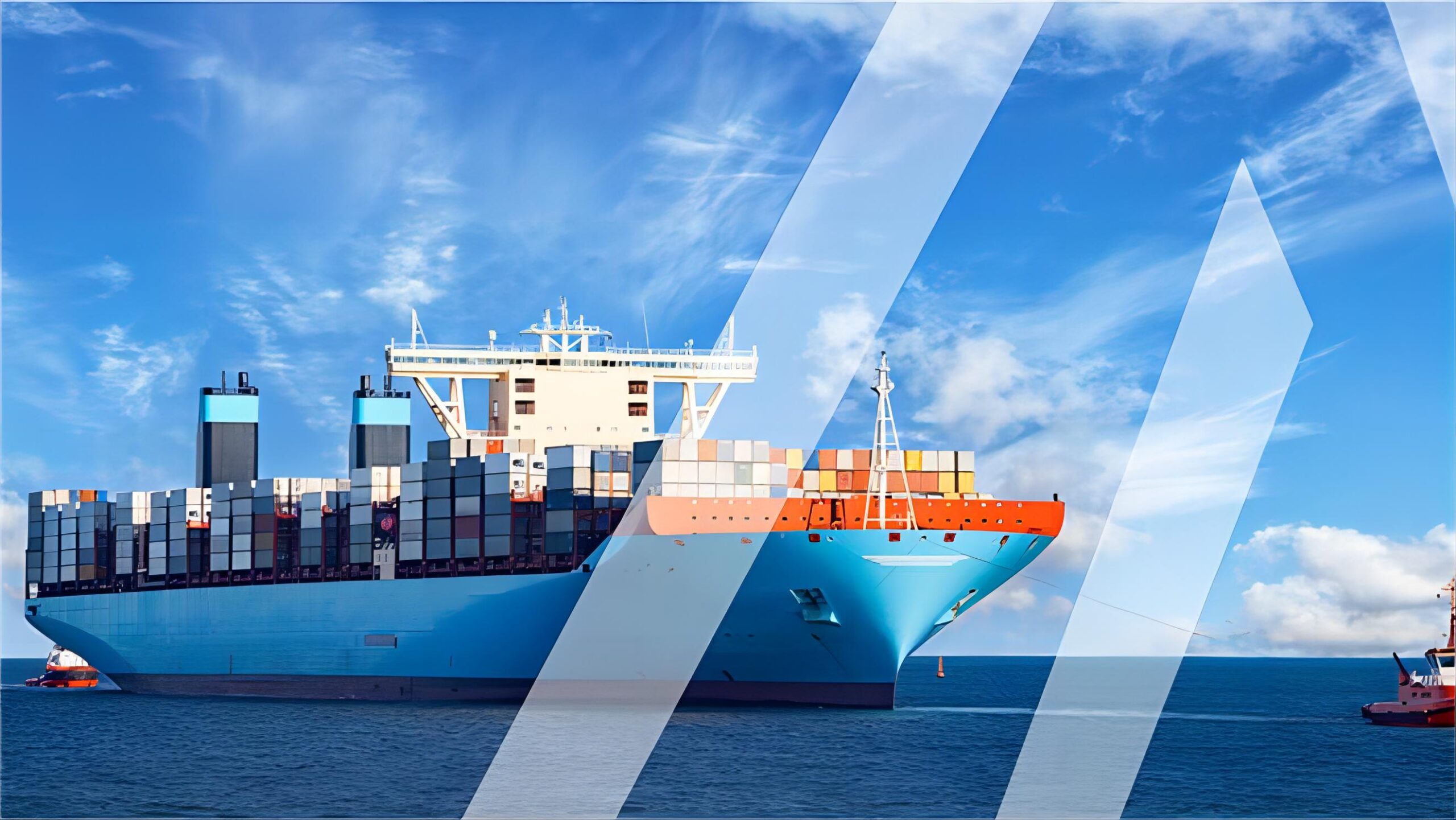
Moreover, working with a reputable freight forwarder is paramount. Experienced forwarders have established relationships with multiple carriers, offering greater flexibility and access to available containers. They can also advise on optimal routes and timing to avoid common pitfalls. Consider exploring sea freight options tailored to your specific FCL needs.
| Container Type | Typical Capacity (CBM) | Max Weight (MT) | Common Use Cases |
|---|---|---|---|
| 20GP (General Purpose) | 33 | 28 | Heavy machinery, bulk goods |
| 40GP (General Purpose) | 67 | 26.5 | Furniture, textiles, general cargo |
| 40HQ (High Cube) | 76 | 26.5 | Light bulky goods, electronics, apparel |

Optimizing Your FCL Shipping Strategy for Cost and Efficiency
Optimizing your FCL shipping strategy is crucial for both cost-effectiveness and timely delivery. Consolidating shipments, if possible, helps maximize container utilization, thereby reducing per-unit shipping costs. This is particularly beneficial for businesses with consistent, high-volume orders.
Additionally, exploring alternative ports of loading in China can sometimes yield better availability and rates. For instance, while Shanghai and Shenzhen are major hubs, considering ports like Ningbo or Xiamen might offer less congestion. Furthermore, a flexible approach to your delivery schedule can lead to significant savings on freight rates.
Navigating Customs and Documentation for China-NY FCL Shipments
Proper customs clearance and documentation are vital for smooth FCL shipping from China to New York. Inaccurate or incomplete paperwork can lead to severe delays and unexpected costs. Therefore, meticulous preparation of all required documents, including commercial invoices, packing lists, and bills of lading, is essential.
Utilizing expert customs brokerage services is highly recommended. These professionals ensure compliance with both Chinese export regulations and US import laws. They can effectively handle tariff classifications, duties, and any specific permits required for your cargo, streamlining the entire process.
How Does FCL Sea Freight Compare to Other Shipping Options?
When considering the best container shortage solution for FCL shipping from China to New York, it is important to evaluate all viable logistics alternatives. While FCL sea freight is often the most economical for large volumes, other methods might suit specific needs regarding speed or cargo type. Understanding these differences can help you make informed decisions.
For example, air freight offers speed but comes at a significantly higher cost. Rail freight is not directly applicable for China to New York, but hybrid solutions can sometimes integrate it for inland segments. Ultimately, the choice depends on your budget, urgency, and the nature of your goods.
| Shipping Method | Cost Range (40HQ est.) | Transit Time (China-NY) | Best For | Limitations |
|---|---|---|---|---|
| FCL Sea Freight | $4,500 – $6,000 | 30-35 days | Large volume, non-urgent goods | Slow, prone to port delays |
| LCL Sea Freight | $80-150/CBM | 35-45 days | Smaller volumes (under 15 CBM) | Longer transit, more handling |
| Air Freight | $15,000 – $25,000+ | 5-7 days | Urgent, high-value, small volume | Very expensive, limited capacity |
| Express Service | $500 – $1,500+ (packages) | 3-5 days | Documents, samples, small parcels | Not for FCL, very high per-kg cost |
Which Option Should You Choose?
Your decision largely hinges on a few key criteria. If budget is your primary concern and you have ample lead time, FCL sea freight remains the optimal choice for large shipments. This method offers unparalleled cost efficiency for bulk cargo. However, be prepared for potential delays due to port congestion.
Conversely, if speed is critical, air freight is the undisputed winner, albeit at a premium price point. This is ideal for time-sensitive goods or emergency stock replenishment. For smaller, less urgent shipments, Amazon FBA services can often integrate LCL sea freight effectively. Always consider the trade-offs between cost, speed, and reliability.
For comprehensive, end-to-end solutions, consider a door to door service. This streamlines the entire logistics process, from factory in China to your warehouse in New York, minimizing your operational burden. This holistic approach ensures better control over the supply chain.
Market Intelligence and Future Outlook for FCL Shipping
Staying informed about current market conditions is vital for managing FCL shipping from China to New York. As of Q1 2025, freight rates have largely stabilized after the volatility seen in previous years. However, geopolitical events and unexpected demand surges can quickly impact vessel capacity and pricing.
Moreover, industry average for this route suggests rates typically increase 15-25% during the August-October peak season. Therefore, planning shipments around these periods or booking contracts in advance can help mitigate potential cost spikes. Reliable data suggests proactive engagement with freight partners is key.
Note: Freight rates are subject to change based on fuel costs, carrier capacity, and seasonal demand. Contact us for a current quote tailored to your specific shipment.
Real-World Container Shortage Solution Examples
These case studies illustrate how businesses successfully navigated FCL shipping challenges from China to New York, employing various strategies to overcome container shortages and optimize their supply chain.
Case Study 1: Electronics Importer Secures Peak Season Space
This electronics importer needed to ensure timely delivery for the holiday season despite anticipated container shortages. Proactive booking and a flexible port strategy proved crucial.
| Detail | Description |
|---|---|
| Route | Shanghai, China to Elizabeth, New Jersey, USA |
| Cargo | Consumer Electronics, 65 CBM, 12,000 kg |
| Container | 40HQ |
| Shipping Details | Major carrier (e.g., COSCO), Port of Loading: Shanghai, Port of Discharge: Port of New York and New Jersey, Route Type: Direct |
| Cost Breakdown | Ocean Freight: $5,200; Origin Charges: $450; Destination Charges: $550; Customs & Duties (estimated): $800; Total Landed Cost: $7,000 (Based on Q3 2024 market rates) |
| Timeline | Booking to Loading: 10 days; Sea Transit: 32 days; Customs Clearance: 3 days; Total Door-to-Door: 45 days |
| Key Insight | Secured space by booking 6 weeks in advance and accepting a slightly higher premium for a direct service during peak season. |
Case Study 2: Apparel Brand Manages Cost-Effective Shipment
An apparel brand aimed for cost savings without compromising delivery too drastically. They opted for a slightly longer transit time via a less congested port.
| Detail | Description |
|---|---|
| Route | Ningbo, China to Savannah, Georgia (then rail to NY) |
| Cargo | Apparel and Textiles, 70 CBM, 10,000 kg |
| Container | 40HQ |
| Shipping Details | Major carrier (e.g., MSC), Port of Loading: Ningbo, Port of Discharge: Savannah, GA, Route Type: Transshipment via Busan, then rail to NY |
| Cost Breakdown | Ocean Freight: $4,800; Origin Charges: $400; Destination Charges: $500; Inland Rail to NY: $1,200; Customs & Duties (estimated): $700; Total Landed Cost: $7,600 (Typical rates as of early 2025) |
| Timeline | Booking to Loading: 8 days; Sea Transit: 38 days; Customs Clearance: 4 days; Total Door-to-Door: 55 days |
| Key Insight | Choosing a less common port and a transshipment route saved approximately 10% on ocean freight, despite adding a few days to transit and an extra inland leg. |
Conclusion: Navigating FCL Shipping Challenges Successfully
In conclusion, navigating the complexities of a container shortage for FCL shipping from China to New York requires a multi-faceted approach. Proactive planning, strong partnerships with experienced freight forwarders, and a willingness to explore alternative strategies are key. By focusing on optimizing container utilization, streamlining documentation, and staying informed about market trends, businesses can significantly mitigate risks.
Ultimately, a robust supply chain demands adaptability and reliable logistics support. Implementing these solutions will help ensure your FCL shipments remain on track, even in challenging market conditions. Partnering with a trusted expert simplifies the journey and provides peace of mind.
Ready to streamline your logistics?
Ready to overcome container shortages for your FCL shipping from China to New York? Contact our experts today for a personalized quote and tailored logistics solutions. We are committed to ensuring your cargo reaches its destination efficiently and reliably.
Request Quote