

Open Top FCL Detention Prevention for Electronics from China to Italy
Shipping high-value electronics from China to Italy using Open Top FCL containers presents unique challenges. Without careful planning, costly detention fees can quickly erode your profit margins. This guide will provide actionable strategies to prevent these delays and ensure a smooth, efficient supply chain, helping businesses like yours thrive with China Top Freight.
✦Understanding Open Top FCL Shipping for Electronics
Open Top Full Container Load (FCL) shipping is often essential for electronics that are too tall to fit into standard containers. This method provides the necessary vertical clearance, making it ideal for large manufacturing equipment, industrial components, or specialized consumer electronics. Consequently, it requires particular handling and planning.
However, Open Top FCL also introduces specific logistical complexities. For instance, securing cargo from weather and theft is paramount, necessitating robust tarpaulin covers and specialized lashing. Moreover, the loading and unloading processes are often more intricate compared to standard containers, demanding precise coordination at both origin and destination ports.
Why is Detention a Major Concern for Open Top FCL Shipments?
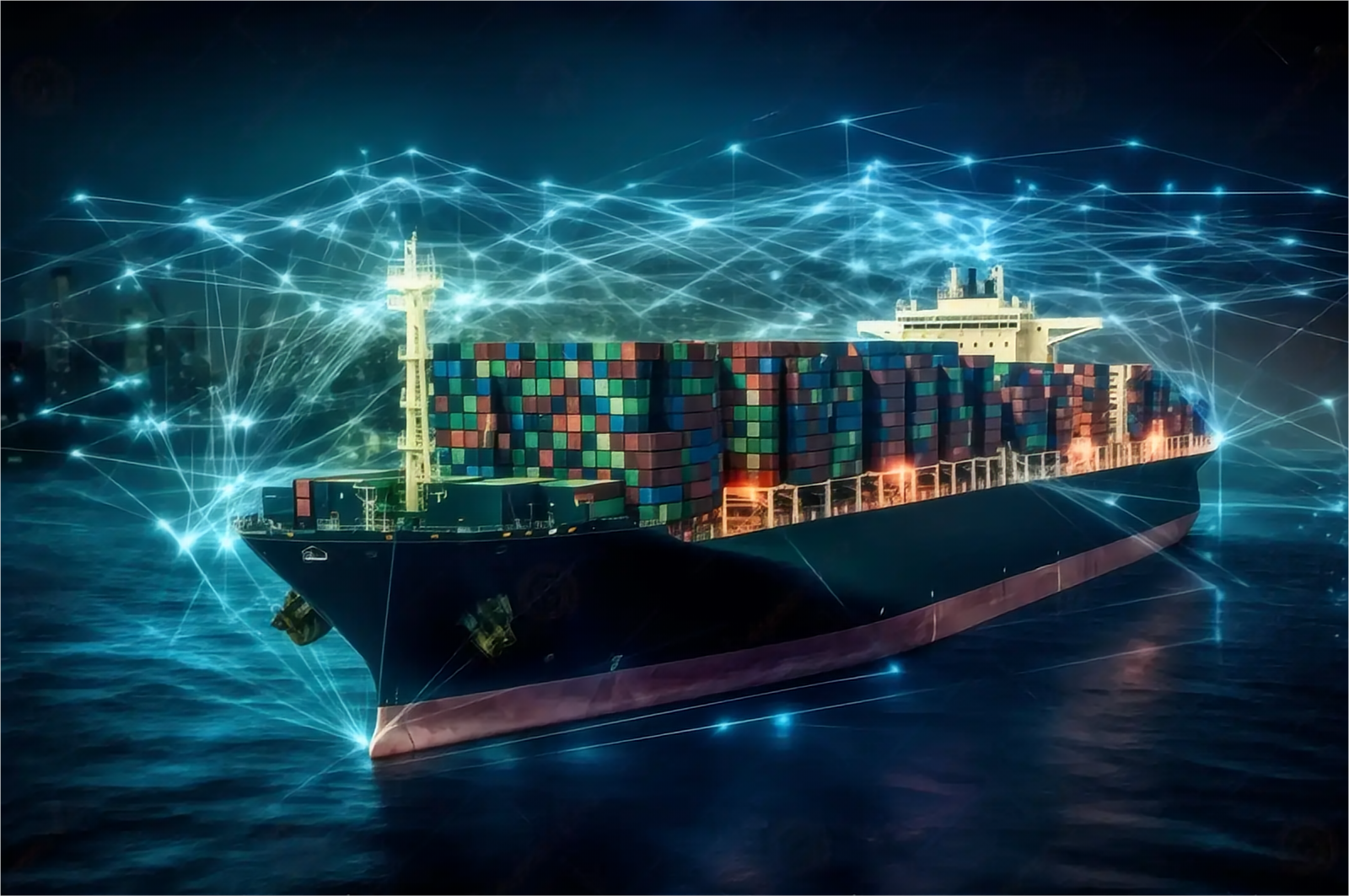
Detention charges arise when a shipper holds a container beyond the free time allowed by the shipping line, typically at the destination port. These fees can escalate rapidly, significantly impacting your overall sea freight shipping costs. For Open Top FCLs, the risk is often higher due to their specialized nature.
Specifically, the unique handling requirements of Open Top containers, such as specialized equipment for loading and unloading, can lead to delays. Furthermore, insufficient pre-planning for customs clearance or onward transportation in Italy can easily push shipments past their free time window. Therefore, proactive management is crucial to mitigate these financial risks.
Strategic Planning: Key to Open Top FCL Detention Prevention
Effective detention prevention for your electronics shipment begins long before the container leaves China. Thorough preparation and coordination among all parties in the supply chain are non-negotiable. This includes suppliers, freight forwarders, customs brokers, and your final delivery team in Italy.
Firstly, understand your free time allowance. Most carriers offer 3-7 days at the destination. Negotiating extended free time, especially for complex Open Top FCL shipments, can be a smart move. Secondly, ensure all documentation is meticulously prepared and submitted well in advance to avoid customs-related hold-ups. This proactive approach saves both time and money.

| Key Strategy | Actionable Steps | Benefit |
|---|---|---|
| Pre-booking & Scheduling | Book drayage and unloading equipment in Italy in advance. | Guaranteed equipment, reduced waiting time. |
| Documentation Accuracy | Verify all commercial invoices, packing lists, and certificates before shipping. | Smooth customs clearance, prevents delays. |
| Communication & Visibility | Maintain open communication with your forwarder and destination teams. | Early detection of potential issues, quick resolutions. |
| Extended Free Time | Negotiate longer free time with the carrier, if possible. | Buffer for unforeseen delays, reduced detention risk. |
Navigating Customs and Documentation for China-Italy Electronics
Customs procedures are a frequent cause of detention, particularly when importing electronics into Europe. Italy, as part of the EU, has specific import regulations that must be strictly adhered to. Consequently, any discrepancies or missing documents can lead to significant delays and penalties.
Engaging a reliable customs brokerage service is highly recommended. They can pre-clear your shipment and advise on necessary permits, such as CE marking for electronics, ensuring compliance. Furthermore, accurate HS codes, country of origin declarations, and correct valuation are critical for a seamless process. This diligence prevents your Open Top FCL from sitting idle at the port.
How Does Open Top FCL Compare to Other Shipping Options?
When shipping electronics from China to Italy, understanding the alternatives to Open Top FCL is crucial. While Open Top FCL is specialized for oversized cargo, other methods might be more suitable depending on cargo dimensions, urgency, and budget. Therefore, a comprehensive comparison helps in making informed decisions.
For instance, standard FCL containers are more cost-effective for goods that fit within their height limits. Conversely, air freight offers unparalleled speed for urgent or high-value, smaller electronics, albeit at a significantly higher cost. Considering these trade-offs is essential for optimizing your logistics strategy.
| Shipping Method | Cost Range (40HQ/Open Top) | Transit Time (China to Italy) | Best For | Limitations |
|---|---|---|---|---|
| Open Top FCL (Sea) | $3,500 – $5,000 | 28-35 days | Oversized, heavy electronics; cost-effective for large volumes. | Slower, specialized handling, higher detention risk. |
| Standard FCL (Sea) | $3,000 – $4,200 | 28-35 days | Bulk, non-oversized electronics; most economical for large volumes. | Slower, height restrictions, potential for port congestion. |
| LCL (Less than Container Load) | $80-150/CBM | 35-45 days | Smaller shipments, flexible volumes, cost-effective for low CBM. | Longer transit, more handling, potential for delays. |
| Air Freight | $5,000 – $25,000 (per ton) | 5-7 days | High-value, urgent, time-sensitive electronics; small volumes. | Very high cost, strict weight/dimension limits, fuel surcharges. |
Real-World Strategies: Case Studies in Detention Prevention
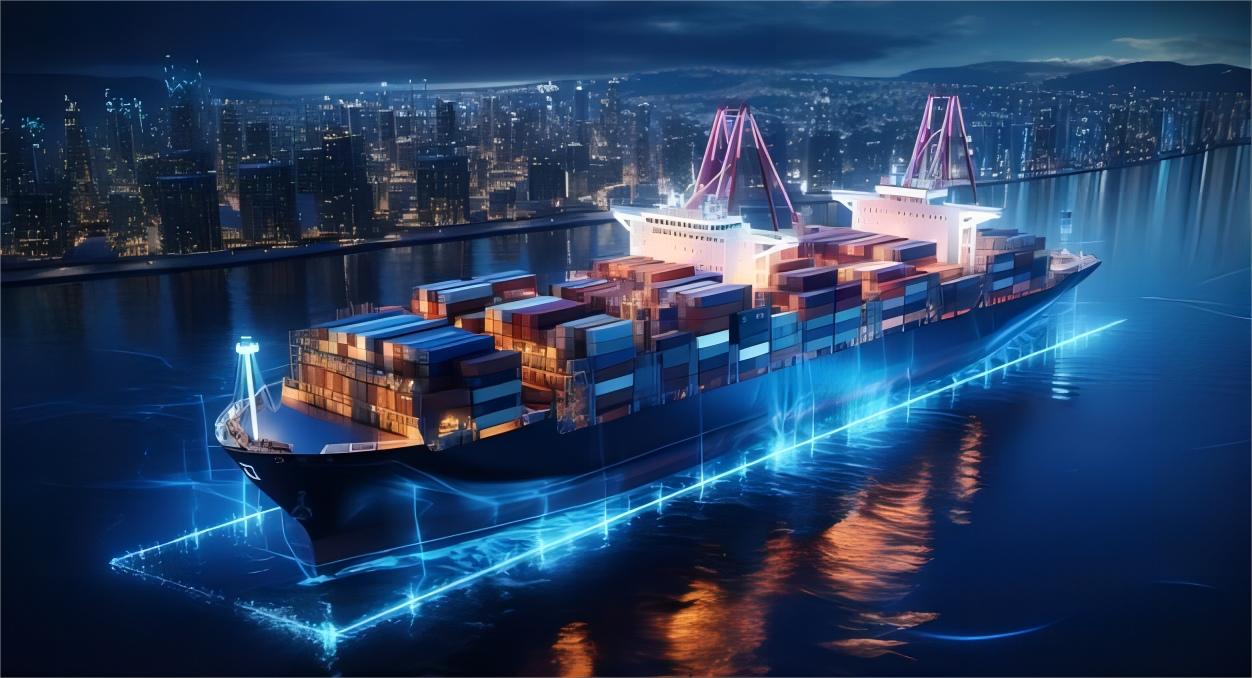
Examining practical scenarios helps illustrate effective detention prevention for Open Top FCL shipments. These case studies highlight how meticulous planning and strong partnerships can overcome common logistical hurdles. They demonstrate the tangible benefits of proactive supply chain management.
Indeed, learning from past successes and challenges provides valuable insights. These examples underscore the importance of preparation, communication, and leveraging expert services for complex international shipping routes like China to Italy.
Case Study 1: Large Industrial Printer Shipment
A client needed to ship a large industrial 3D printer, exceeding standard container height, from Shanghai to Genoa. The key challenge was coordinating specialized equipment at both ends and managing customs for a high-value item. Proactive booking and pre-clearance were essential.
Based on Q3 2024 market rates, the total landed cost was kept competitive by mitigating potential detention. The client leveraged door to door service for seamless delivery.
| Detail | Description |
|---|---|
| Route | Shanghai, China -> Genoa, Italy |
| Cargo | Industrial 3D Printer, 30 CBM, 4,500 kg |
| Container | 40′ Open Top FCL |
| Shipping Details | Carrier: MSC; Port of Loading: Shanghai; Port of Discharge: Genoa; Route Type: Direct |
| Cost Breakdown | Ocean Freight: $4,100; Origin Charges: $550; Destination Charges: $680; Customs & Duties (est): $1,200; Total Landed Cost: $6,530 |
| Timeline | Booking to Loading: 5 days; Sea Transit: 29 days; Customs Clearance: 2 days; Total Door-to-Door: 36 days |
| Key Insight | Early booking of specialized cranes at Genoa and pre-submission of customs documents prevented any detention charges, saving an estimated $800-1,000. |
Case Study 2: Solar Panel Mounting Systems
An importer of solar panel mounting systems faced challenges with oversized components from Ningbo to Livorno. Their previous shipments incurred detention due to documentation errors and delayed truck scheduling. This time, a comprehensive strategy was implemented.
Typical rates as of early 2025 indicated a volatile market. The focus was on robust communication and a detailed logistics plan to avoid repeat issues, successfully keeping the project on budget and schedule.
| Detail | Description |
|---|---|
| Route | Ningbo, China -> Livorno, Italy |
| Cargo | Oversized Solar Panel Mounting Systems, 28 CBM, 3,800 kg |
| Container | 40′ Open Top FCL |
| Shipping Details | Carrier: COSCO; Port of Loading: Ningbo; Port of Discharge: Livorno; Route Type: Transshipment via Piraeus |
| Cost Breakdown | Ocean Freight: $3,850; Origin Charges: $500; Destination Charges: $620; Customs & Duties (est): $950; Total Landed Cost: $5,920 |
| Timeline | Booking to Loading: 6 days; Sea Transit: 33 days; Customs Clearance: 3 days; Total Door-to-Door: 42 days |
| Key Insight | Using a dedicated customs broker and pre-arranging inland transport immediately upon vessel arrival eliminated detention, showcasing the value of end-to-end planning. |
Leveraging Technology and Partnerships for Seamless Logistics
In the complex world of international shipping, technology plays a pivotal role in preventing detention. Real-time tracking and predictive analytics provide invaluable insights into your Open Top FCL’s journey. This visibility allows for proactive adjustments to your logistics plan.
Furthermore, partnering with an experienced freight forwarder is paramount. A reputable partner can offer expert advice on routes, documentation, and carrier negotiations. They can also provide services like express service for urgent components or consolidate shipments, further streamlining your operations and preventing costly delays.
Which Option Should You Choose for Your Electronics Shipment?
Selecting the optimal shipping method for your electronics from China to Italy depends heavily on your specific business priorities. There is no one-size-fits-all solution; consequently, a careful evaluation of your needs is essential. Consider the following framework to guide your decision.
Your budget, urgency, cargo type, and shipment volume are the primary determinants. Each factor will steer you towards the most appropriate and cost-effective logistics solution, minimizing the risk of Open Top FCL detention.
| Priority | Recommendation | Considerations |
|---|---|---|
| Budget-Focused | Standard FCL or LCL Sea Freight | Accept longer transit times; optimize container utilization. |
| Speed-Focused | Air Freight | Higher cost is justified by urgency; ideal for high-value, light goods. |
| Oversized Cargo | Open Top FCL (Sea) | Mandatory for items exceeding standard container height; requires specialized planning. |
| High Volume (20+ CBM) | FCL (Standard or Open Top) | Most cost-effective per unit; reduces handling risks compared to LCL. |
| Small Volume (<15 CBM) | LCL Sea Freight | Economical for smaller shipments; combine with other cargo. |
Market Insights: Current Trends Affecting China-Italy Freight
As of Q1 2025, freight rates from China to Europe have seen some stabilization following the disruptions in 2024, particularly those related to the Red Sea. However, geopolitical events and fluctuating fuel costs continue to introduce volatility. Therefore, staying informed about market conditions is crucial for budgeting and planning.
Industry data suggests that port congestion, especially in major European hubs, can still cause unforeseen delays. Furthermore, seasonal peaks, such as the period before Chinese New Year and the Q3-Q4 holiday rush, typically see rates increase by 15-25%. Planning shipments outside these windows or booking well in advance can help mitigate these impacts on Open Top FCL detention prevention.
Mastering Your Open Top FCL Shipments to Italy
Ultimately, successful Open Top FCL detention prevention for electronics from China to Italy hinges on meticulous planning, robust documentation, and strong logistical partnerships. By understanding the unique challenges of oversized cargo and proactively addressing potential bottlenecks, businesses can significantly reduce costs and improve supply chain reliability.
Indeed, navigating international freight requires expertise and foresight. Implementing these strategies will not only save you money on detention charges but also enhance your overall operational efficiency. Remember, a well-executed plan is your best defense against unexpected delays and expenses.