

40GP FCL Transit Time for Textiles from China to Italy
The journey of textiles from China to Italy involves complex logistics, especially when utilizing a 40GP FCL (Full Container Load). Understanding the precise transit time for your textile shipments is crucial for effective supply chain management and meeting market demands. This comprehensive guide will explore the various factors influencing the 40GP FCL transit time for textiles from China to Italy, helping you plan with greater accuracy.

What Factors Influence 40GP FCL Transit Time for Textiles from China to Italy?
Several critical elements collectively determine the 40GP FCL transit time for textiles from China to Italy. These include the specific origin and destination ports, the chosen shipping carrier, and the vessel’s route. Moreover, seasonal demand and port congestion can significantly alter schedules.
The type of sea freight service, whether direct or involving transshipment, also plays a pivotal role. Direct services, for instance, generally offer faster transit but often come at a higher cost. Conversely, transshipment routes might be more economical, yet they typically extend the overall delivery schedule.
Furthermore, unexpected events such as adverse weather conditions, political instability, or global supply chain disruptions, like those seen in the Red Sea, can introduce unforeseen delays. Therefore, it is essential to build buffer time into your logistics planning.
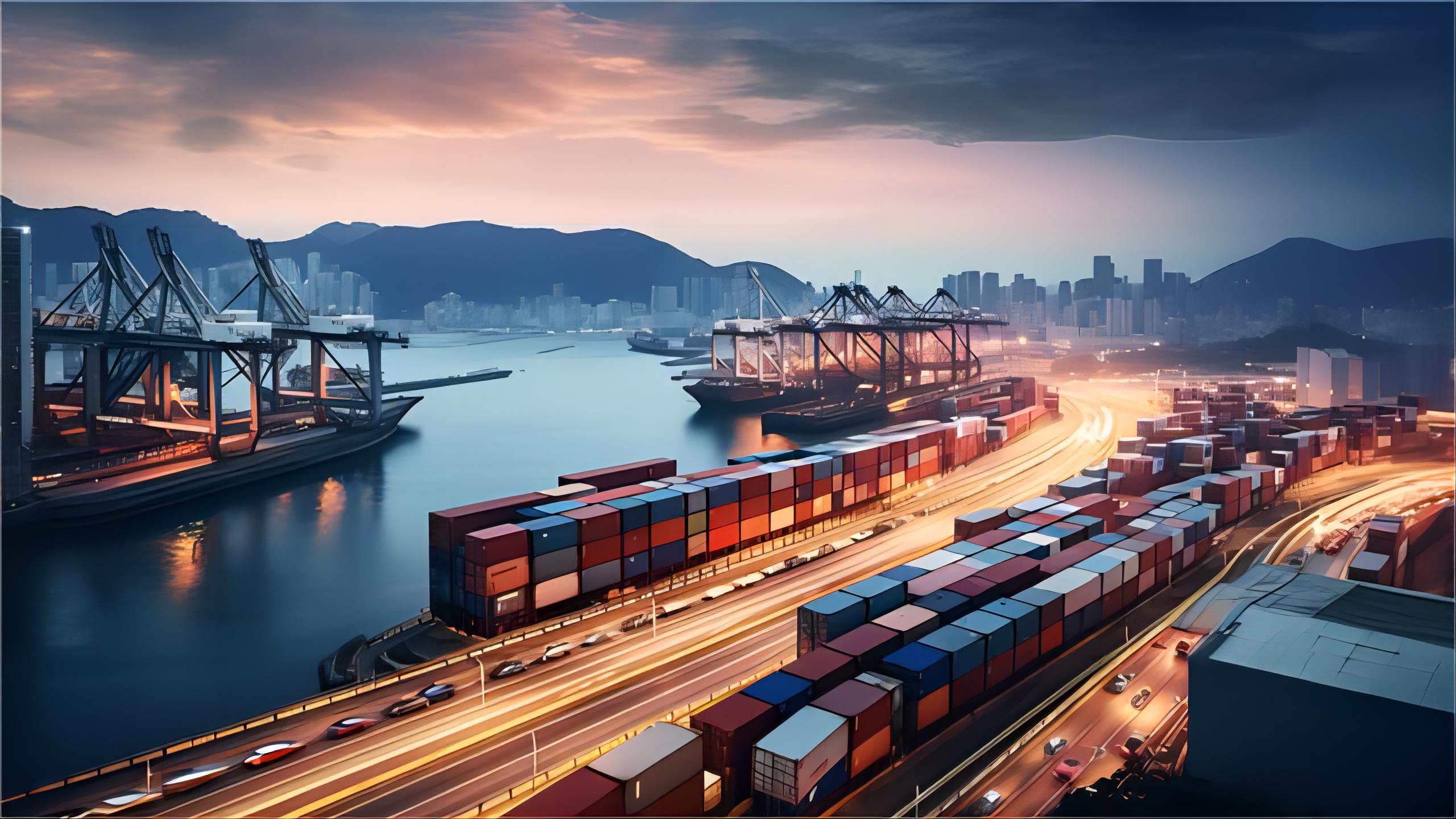
Average 40GP FCL Transit Times from Key Chinese Ports to Italy
Generally speaking, the 40GP FCL transit time for textiles from China to Italy ranges from 28 to 38 days for direct services. This duration typically covers the port-to-port journey. However, the total door-to-door delivery schedule can extend to 35-45 days, accounting for pre-carriage and on-carriage.
Major Chinese ports like Shanghai, Ningbo, and Shenzhen are primary departure points for textiles. Likewise, Italian ports such as Genoa, La Spezia, and Livorno are common destinations. Each specific port pair has its own typical transit duration.
For example, a shipment from Shanghai to Genoa might take around 30-35 days. Meanwhile, a route from Shenzhen to La Spezia could be 32-38 days. These are average figures, however, and can fluctuate based on current freight rates and vessel availability.
| Origin Port (China) | Destination Port (Italy) | Average Transit Time (Days) | Notes |
|---|---|---|---|
| Shanghai | Genoa | 30-35 | Direct service common |
| Ningbo | La Spezia | 32-37 | Potential for minor variations |
| Shenzhen | Livorno | 33-38 | South China to Central Italy |
| Qingdao | Venice | 35-40 | Longer routes, fewer direct options |
Navigating Customs and Documentation for Textile Imports to Italy
Efficient customs brokerage is paramount for minimizing delays in the 40GP FCL transit time for textiles from China to Italy process. Importers must ensure all documentation is accurate and complete. Incomplete paperwork is a frequent cause of hold-ups at Italian ports.
Key documents for textile imports include the commercial invoice, packing list, bill of lading, and certificate of origin. Furthermore, specific textile classifications may require additional permits or declarations. Understanding these requirements beforehand is crucial for smooth cargo handling.
Italy, as part of the European Union, adheres to EU customs regulations. Therefore, proper tariff classification and VAT declarations are mandatory. Working with an experienced customs clearance for textiles Italy partner can streamline this complex process significantly.
Optimizing Your Supply Chain for Textiles from China to Italy
Businesses importing textiles strive for predictable and efficient 40GP FCL transit time for textiles from China to Italy. Effective supply chain management involves careful planning from factory gate to final delivery. This includes selecting reliable carriers and optimizing container utilization.
Consider consolidating multiple smaller orders into a single 40GP FCL to maximize cost-efficiency. Additionally, leveraging advanced tracking systems provides real-time visibility into your shipment’s progress. This proactive approach helps anticipate and mitigate potential issues.
For a truly seamless experience, opting for door-to-door delivery services simplifies logistics considerably. This eliminates the need for multiple intermediaries and reduces the administrative burden on your team. Ultimately, this leads to a more streamlined and efficient operation.
Real-World Scenarios: 40GP FCL Textile Shipments to Italy
Examining actual case studies provides practical insights into the 40GP FCL transit time for textiles from China to Italy and associated logistics. These examples highlight typical costs, timelines, and potential challenges. Understanding these scenarios aids in better planning for future textile imports.
Case Study 1: Fashion Apparel from Shanghai to Milan
This case involved a medium-sized fashion brand importing finished apparel. The primary goal was balancing cost-effectiveness with a reasonable transit time. The shipment navigated typical peak season challenges.
| Route | Shanghai, China -> Milan, Italy |
|---|---|
| Cargo | Fashion Apparel, 65 CBM, 8,000 kg |
| Container | 40GP FCL |
| Shipping Details | |
| – Carrier/Service | COSCO |
| – Port of Loading | Shanghai |
| – Port of Discharge | Genoa |
| – Route Type | Direct |
| Cost Breakdown (Estimated, Q3 2024) | |
| – Ocean Freight | $3,500 |
| – Origin Charges (THC, documentation) | $450 |
| – Destination Charges (Italy) | $550 |
| – Customs & Duties (estimated) | $1,200 |
| – Total Landed Cost | $5,700 |
| Timeline | |
| – Booking to Loading | 5 days |
| – Sea Transit | 32 days |
| – Customs Clearance | 3 days |
| – Total Door-to-Door | 40 days |
| Key Insight | Despite Q3 peak season, direct service ensured predictable delivery. |
Case Study 2: Home Textiles from Ningbo to Florence
This scenario involved a home decor retailer importing a large volume of textiles. Cost-efficiency was a high priority, necessitating careful route selection. The shipment demonstrated the impact of efficient documentation.
| Route | Ningbo, China -> Florence, Italy |
|---|---|
| Cargo | Home Textiles, 60 CBM, 7,500 kg |
| Container | 40GP FCL |
| Shipping Details | |
| – Carrier/Service | MSC |
| – Port of Loading | Ningbo |
| – Port of Discharge | La Spezia |
| – Route Type | Direct |
| Cost Breakdown (Estimated, Q1 2025) | |
| – Ocean Freight | $3,200 |
| – Origin Charges (THC, documentation) | $400 |
| – Destination Charges (Italy) | $500 |
| – Customs & Duties (estimated) | $1,000 |
| – Total Landed Cost | $5,100 |
| Timeline | |
| – Booking to Loading | 4 days |
| – Sea Transit | 34 days |
| – Customs Clearance | 2 days |
| – Total Door-to-Door | 40 days |
| Key Insight | Proactive customs documentation minimized port delays, maintaining the Europe delivery schedule. |

How Does 40GP FCL Compare to Other Shipping Options for Textiles?
While 40GP FCL sea freight is often the most cost-effective for large textile volumes, it is not the only option. Businesses must weigh speed, cost, and cargo type when making a decision. Understanding alternatives can optimize your logistics solutions for Italian textile importers.
For example, air freight offers significantly faster transit times, often reducing delivery to 5-7 days. However, this speed comes at a substantially higher cost, making it suitable mainly for high-value, time-sensitive, or smaller textile shipments.
Conversely, LCL (Less than Container Load) sea freight is an option for smaller volumes that do not fill a 40GP container. Although more economical than air freight for smaller shipments, LCL generally has longer transit times and more complex cargo handling due to consolidation.
Rail freight, while not always direct from China to Italy, can be part of a multimodal solution. It offers a balance between sea and air in terms of speed and cost. However, direct rail services specifically to Italy for textiles are less common than to central European hubs.
| Shipping Method | Cost Range (40GP equivalent) | Transit Time | Best For | Limitations |
|---|---|---|---|---|
| FCL Sea Freight | $2,800 – $4,200 | 28-38 days | Large volumes, cost-efficiency | Slowest, port congestion risks |
| LCL Sea Freight | $80-150/CBM | 35-50 days | Smaller volumes (under 15 CBM) | Slower, more handling, potential for delays |
| Air Freight | $15,000 – $25,000 | 5-7 days | Urgent, high-value, small shipments | Very expensive, weight/volume restrictions |
| Rail Freight (Multimodal) | $8,000 – $12,000 | 18-25 days | Mid-range urgency, specific inland routes | Limited direct Italy services, transshipment |
Which Shipping Option Should You Choose for Your Textiles?
The optimal shipping method for your textiles depends on several key business priorities. Understanding these trade-offs is fundamental for making informed decisions and managing your supply chain effectively.
If **budget is your top priority** and you have sufficient volume (over 15 CBM), 40GP FCL sea freight is almost always the most economical choice. It offers the lowest cost per unit for large textile shipments.
When **speed is paramount**, for instance, for new fashion collections or urgent replenishment, air freight is unrivaled. Be prepared, however, for a significantly higher investment in shipping costs.
For **smaller volumes** (under 15 CBM) where cost is still a concern but urgency is moderate, LCL sea freight provides a viable middle-ground. This method allows you to ship smaller batches without paying for a full container.
Consider **multimodal rail solutions** if you need a balance of speed and cost, especially for inland Italian destinations. This approach can be faster than pure sea freight but less expensive than air freight.
Conclusion
Determining the precise 40GP FCL transit time for textiles from China to Italy involves navigating a confluence of factors, from port selection to customs clearance. While average transit times range from 28-38 days, strategic planning and an understanding of market dynamics are essential. By carefully considering shipping methods, optimizing documentation, and leveraging expert logistics solutions for Italian textile importers, businesses can achieve efficient and predictable textile imports.
Ready to streamline your logistics?
Ready to optimize your 40GP FCL transit time for textiles from China to Italy and ensure timely delivery of your textile products? Contact our experts today for a personalized quote and tailored logistics solutions. We are committed to providing reliable and efficient shipping services from China to Italy.
Request Quote