40HQ FCL Transit Time for Medical Equipment from China to Texas
Shipping medical equipment from China to Texas demands precision, reliability, and clear understanding of logistics. Navigating the complexities of international freight, especially for sensitive medical devices, requires careful planning. This guide details the typical 40HQ FCL transit time for medical equipment from China to Texas, alongside crucial factors influencing your shipment’s journey.
What is 40HQ FCL Shipping for Medical Equipment?
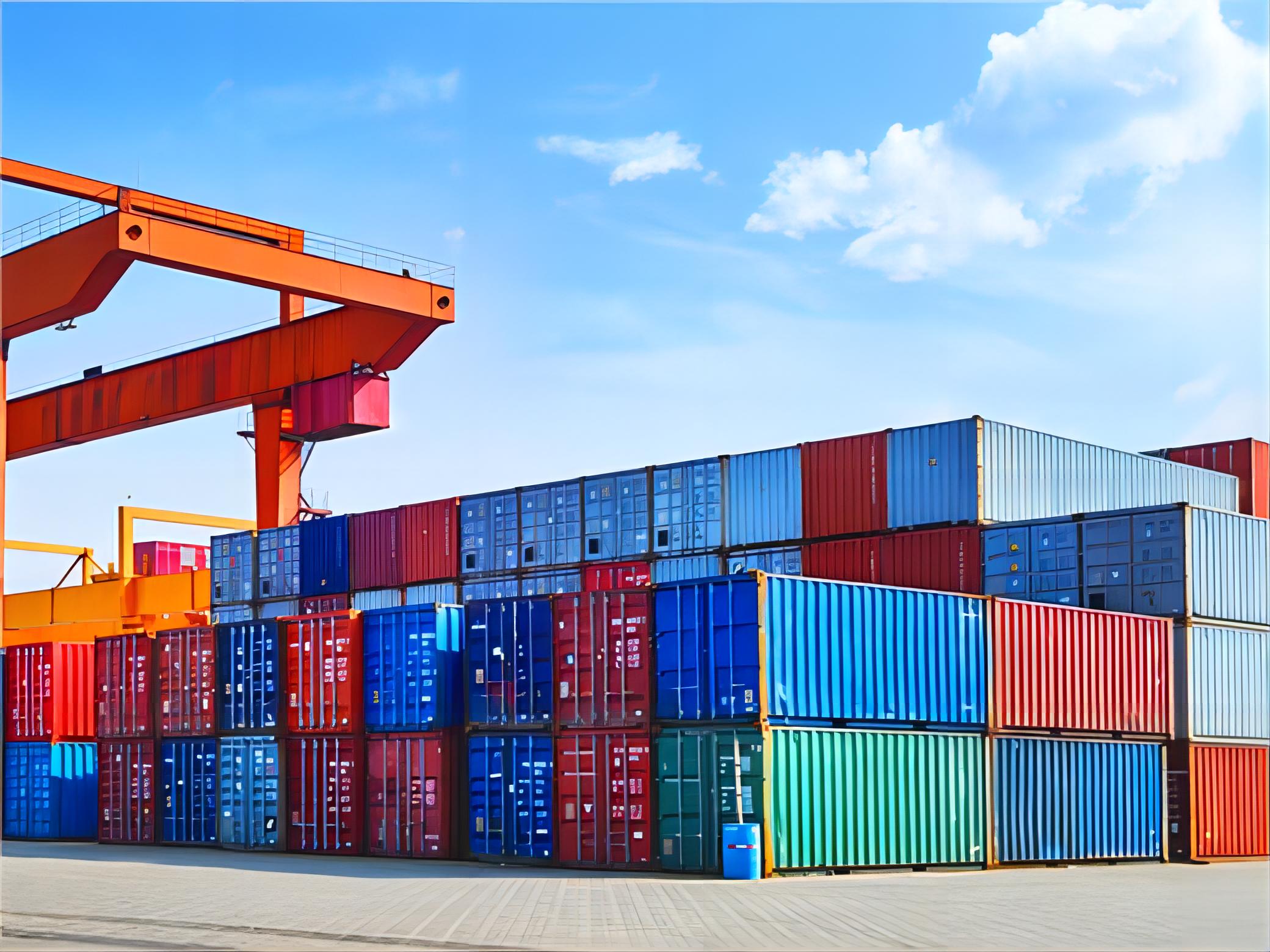
A 40HQ (40-foot High Cube) FCL (Full Container Load) refers to a shipping container that is 40 feet long, 8 feet wide, and 9.5 feet high. It offers maximum volume for a single shipper’s cargo.
Choosing FCL for medical equipment ensures your goods occupy the entire container, reducing handling and potential damage. This method is particularly suitable for large volumes of medical devices or sensitive instruments requiring dedicated space and security.
Consequently, FCL shipments often expedite transit through ports, as they do not require consolidation or deconsolidation processes. This dedicated approach can significantly streamline the journey for critical medical supplies.
Typical 40HQ FCL Transit Times from China to Texas Ports
The transit time for a 40HQ FCL shipment of medical equipment from China to Texas typically ranges from 30 to 45 days. This duration primarily accounts for the ocean voyage itself.
However, the total door-to-door delivery schedule can extend to 45-60 days. This includes pre-shipping preparations, customs clearance, and final inland transportation within Texas.
Several factors, such as the specific origin port in China and the destination port in Texas, along with carrier routes, can influence these timelines. Understanding these variables is key to effective supply chain management.
| China Port | Texas Port | Estimated Ocean Transit (Days) |
|---|---|---|
| Shanghai | Houston | 32-38 |
| Ningbo | Houston | 33-39 |
| Shenzhen | Houston | 30-36 |
| Qingdao | Houston | 35-42 |
| Xiamen | Houston | 31-37 |
| Tianjin | Houston | 38-45 |
What Factors Influence Your Shipping Duration?
Several critical elements can impact the overall sea freight transit time for medical equipment from China to Texas. Recognizing these factors allows for better planning and expectation management.
Firstly, the specific shipping route and whether it involves direct service or transshipment play a significant role. Direct routes are faster but can be more expensive, while transshipment via intermediate ports adds several days.
Secondly, port congestion at both origin and destination can cause unpredictable delays. Major ports like Shanghai, Shenzhen, and Houston occasionally experience bottlenecks, especially during peak seasons. Furthermore, adverse weather conditions, such as typhoons in Asia or hurricanes in the Gulf of Mexico, can also disrupt shipping schedules.
Lastly, customs clearance efficiency and the completeness of documentation are paramount. Any discrepancies or missing permits for medical devices can lead to substantial hold-ups, affecting your overall delivery schedule.
Navigating Customs and Regulatory Compliance for Medical Devices
Importing medical equipment into the USA involves stringent regulatory requirements enforced by the FDA (Food and Drug Administration). Proper documentation and compliance are non-negotiable for smooth entry.
Therefore, you must ensure all medical devices meet FDA standards and have the necessary pre-market approvals or clearances. This includes 510(k) premarket notification, PMA (Premarket Approval), or De Novo classification.
Additionally, accurate product labeling, device listing, and establishment registration are critical components of compliance. Working with an experienced customs brokerage service is highly recommended to manage these complexities efficiently.
Any oversight in documentation or compliance can lead to significant delays, penalties, or even the rejection of your shipment. Consequently, early preparation and expert guidance are essential for importing medical devices.
| Document Type | Purpose | Requirement |
|---|---|---|
| Commercial Invoice | Details of goods, value, seller/buyer | Mandatory for customs valuation |
| Packing List | Itemized list of contents, weights, dimensions | Aids in cargo inspection |
| Bill of Lading (B/L) | Contract between shipper and carrier, title to goods | Essential for cargo release |
| FDA Import Declaration | Specific to medical devices, regulatory compliance | Mandatory for FDA-regulated products |
| Certificate of Origin | Confirms country of manufacture | May be required for duties/tariffs |
| Material Safety Data Sheet (MSDS) | For hazardous materials (if applicable) | Ensures safe handling and transport |
How Does Sea Freight Compare to Other Shipping Options?
When considering the 40HQ FCL transit time for medical equipment from China to Texas, it’s crucial to evaluate alternative shipping methods. Each option presents different trade-offs in terms of cost, speed, and suitability.
Sea freight, particularly FCL, is the most cost-effective solution for large volumes. However, it also has the longest transit times. For time-sensitive medical supplies, faster options might be necessary.
Understanding these comparisons helps in making informed decisions about your supply chain. Ultimately, the best choice depends on your budget, urgency, and the nature of the medical equipment being shipped.
| Shipping Method | Cost Range (40HQ Equivalent) | Transit Time (China to Texas) | Best For | Limitations |
|---|---|---|---|---|
| FCL Sea Freight | $4,500 – $6,000 | 30-45 days | Large volumes, non-urgent, cost-sensitive | Long transit, port congestion risks |
| LCL Sea Freight | $50 – $80 per CBM | 35-55 days | Smaller volumes, less than 15 CBM | More handling, longer transit than FCL due to consolidation |
| Air Freight | $15,000 – $25,000 (for 40HQ equivalent volume) | 5-10 days | Urgent, high-value, small/medium volume medical devices | Very high cost, volume/weight restrictions |
| Sea-Air Hybrid | $8,000 – $15,000 | 20-25 days | Semi-urgent, compromise between speed and cost | Complex logistics, limited routes, additional handling |
Which Option Should You Choose for Your Medical Equipment?
Selecting the optimal shipping method for medical equipment from China to Texas depends on several key criteria. Consider your priorities carefully to ensure efficient and compliant delivery.
If budget is your primary concern and you have ample lead time, sea freight FCL is undoubtedly the most economical choice. It offers the lowest cost per unit for large shipments.
Conversely, if speed is paramount for critical medical supplies or emergency stock, air freight is the only viable option. While significantly more expensive, it drastically reduces transit time.
For a balance between speed and cost, or for medium-urgency shipments, a sea-air hybrid solution might be appropriate. This option can provide a quicker alternative to pure sea freight without the exorbitant costs of direct air cargo.
Ultimately, cargo type also dictates the choice; delicate or high-value instruments might benefit from dedicated FCL space or even specialized air cargo. Always weigh the trade-offs between cost, speed, and the specific needs of your medical devices.
Real-World Case Studies: China to Texas Medical Equipment Shipments
Examining actual scenarios provides practical insights into the 40HQ FCL transit time for medical equipment from China to Texas. These examples highlight typical costs, timelines, and challenges.
These case studies reflect market conditions as of late 2024 to early 2025. Rates and transit times can fluctuate based on global events and seasonal demand.
Consider these examples to better understand the practical implications of different shipping decisions. They underscore the importance of detailed planning and expert execution in medical logistics.
Case Study 1: Large Volume Diagnostic Devices
This shipment involved a substantial order of diagnostic imaging equipment, requiring full container utilization. The client prioritized cost-efficiency over extreme speed.
The comprehensive door-to-door service ensured seamless coordination from factory to final destination. This minimized the client’s logistical burden considerably.
| Detail | Description |
|---|---|
| Route | Shanghai, China -> Houston, Texas |
| Cargo | Diagnostic imaging machines, 60 CBM, 12,000 kg |
| Container | 1 x 40HQ |
| Shipping Details | Carrier: COSCO, Port of Loading: Shanghai, Port of Discharge: Houston, Route Type: Direct |
| Cost Breakdown | Ocean Freight: $5,200, Origin Charges: $450, Destination Charges: $600, Customs & Duties (estimated): $1,800, Total Landed Cost: $8,050 (Based on Q4 2024 market rates) |
| Timeline | Booking to Loading: 5 days, Sea Transit: 35 days, Customs Clearance: 3 days, Total Door-to-Door: 48 days |
| Key Insight | Direct service minimized transit, but port congestion in Houston added 2 days to offloading. Effective pre-clearance reduced customs delays. |

Case Study 2: Consumables for Medical Labs
This shipment consisted of high-volume, lower-value medical consumables for a large laboratory network. The primary goal was consistent supply and predictable delivery.
Utilizing FCL was essential to ensure the integrity of the bulk order. The client leveraged door-to-door services for complete logistical support.
| Detail | Description |
|---|---|
| Route | Ningbo, China -> Dallas, Texas (via Houston) |
| Cargo | Sterile lab consumables, 65 CBM, 10,500 kg |
| Container | 1 x 40HQ |
| Shipping Details | Carrier: MSC, Port of Loading: Ningbo, Port of Discharge: Houston, Route Type: Direct, Inland to Dallas |
| Cost Breakdown | Ocean Freight: $4,800, Origin Charges: $420, Destination Charges: $580, Inland Freight (Houston-Dallas): $1,100, Customs & Duties (estimated): $1,500, Total Landed Cost: $8,400 (Typical rates as of early 2025) |
| Timeline | Booking to Loading: 6 days, Sea Transit: 37 days, Customs Clearance: 4 days, Inland Delivery: 2 days, Total Door-to-Door: 49 days |
| Key Insight | Inland freight from Houston to Dallas added cost and time. Pre-booking inland transport was crucial for timely onward delivery. |
Case Study 3: Specialized Surgical Instruments
This shipment involved delicate, specialized surgical instruments requiring careful handling and an optimized transit time. While not urgent, reliability was key.
The client opted for FCL to prevent any co-mingling with other cargo. This ensured the sensitive nature of the instruments was respected throughout the journey.
| Detail | Description |
|---|---|
| Route | Shenzhen, China -> Galveston, Texas |
| Cargo | Specialized surgical instruments, 50 CBM, 8,000 kg |
| Container | 1 x 40HQ |
| Shipping Details | Carrier: Maersk, Port of Loading: Shenzhen, Port of Discharge: Galveston, Route Type: Direct |
| Cost Breakdown | Ocean Freight: $5,500, Origin Charges: $480, Destination Charges: $650, Customs & Duties (estimated): $2,000, Total Landed Cost: $8,630 (Based on Q1 2025 market rates) |
| Timeline | Booking to Loading: 4 days, Sea Transit: 32 days, Customs Clearance: 3 days, Total Door-to-Door: 43 days |
| Key Insight | Choosing a less congested port like Galveston can sometimes reduce overall transit time compared to Houston. Peak season surcharges (Q4 2024) were applied, increasing ocean freight slightly. |
Optimizing Your Supply Chain for Medical Equipment Imports
Efficiently managing the import of medical equipment from China to Texas is vital for healthcare providers. Optimizing your supply chain can lead to significant cost savings and improved delivery schedules.
Firstly, thorough planning of your shipping schedule, considering manufacturing lead times and transit times, is essential. This proactive approach helps mitigate potential delays.
Secondly, consolidating orders into full containers (FCL) whenever possible can reduce per-unit shipping costs and minimize handling. This is particularly beneficial for regular, high-volume imports.
Furthermore, partnering with a reputable freight forwarder specializing in medical logistics is crucial. They can navigate complex regulations, manage documentation, and provide visibility into your shipment’s journey. Consequently, this expertise streamlines the entire import process.
Lastly, consider utilizing advanced tracking systems and maintaining open communication with your logistics provider. This ensures you are always informed about the status and location of your critical medical supplies.
Risk Management in Medical Logistics
Shipping medical equipment inherently carries risks, from transit damage to regulatory non-compliance. Robust risk management strategies are therefore indispensable.
Firstly, comprehensive cargo insurance is non-negotiable for high-value medical devices. This protects against financial losses due to unforeseen incidents during transit.
Secondly, ensure all packaging adheres to international standards and is suitable for the specific type of medical equipment. Proper cushioning and temperature control are vital for sensitive items.
Moreover, maintaining detailed records of all documentation, certifications, and communication is critical for audit trails and customs inquiries. This transparency minimizes potential disputes.
Finally, having contingency plans for potential delays, such as port closures or customs holds, allows for swift adaptation. This preparedness helps maintain the integrity of your medical supply chain.
Ensuring Efficient 40HQ FCL Transit Time for Medical Equipment
Navigating the logistics of medical equipment imports from China to Texas requires a deep understanding of transit times, costs, and regulatory compliance. The typical 40HQ FCL transit time for medical equipment from China to Texas offers a cost-effective solution for large-volume shipments.
By carefully considering factors like port selection, customs requirements, and carrier services, businesses can significantly optimize their supply chain. Partnering with an experienced logistics provider is key to managing complexities and ensuring timely, compliant delivery of essential medical devices. Ultimately, informed decisions lead to a more robust and reliable medical equipment supply chain.
Ready to streamline your logistics?
Ready to optimize your 40HQ FCL transit time for medical equipment from China to Texas? Contact us today for a personalized quote and expert guidance on your next shipment. Our team is here to ensure your medical supplies arrive safely and on schedule.
Request Quote