

Reefer FCL Detention Prevention: Auto Parts from China to Miami
“Importing temperature-sensitive auto parts from China to Miami via Reefer FCL presents unique challenges, particularly concerning detention charges. These unexpected costs can significantly impact your bottom line and disrupt your supply chain. This article offers comprehensive strategies to prevent reefer FCL detention, ensuring efficient and cost-effective delivery of your valuable cargo. For reliable shipping solutions, visit China Top Freight.”

What is Reefer FCL Detention and Why it Matters for Auto Parts?
❖Reefer Full Container Load (FCL) refers to shipping temperature-controlled goods in a dedicated container. For auto parts, this is critical for sensitive components like electronic modules, specialized lubricants, rubber seals, or even certain battery types that require stable climate conditions.
Detention, conversely, is a charge levied by the shipping line when the consignee holds their container beyond the allotted free time, typically at the destination port or inland depot. These fees accumulate daily, significantly inflating your overall shipping costs for auto parts from China to Miami.
The Financial Impact of Detention: Beyond Basic Freight Costs
Indeed, detention fees extend far beyond typical freight rates. They often include demurrage, charged for holding the container at the terminal, and per diem, charged for holding the container off the terminal.
Consequently, these charges can quickly escalate into thousands of dollars, eroding profit margins and making your auto parts imports less competitive. Preventing these costs is paramount for a sustainable supply chain.
Identifying Key Causes of Reefer FCL Detention for Auto Parts
❖Understanding the root causes of detention is the first step towards prevention. Several factors contribute to these delays, especially when importing specialized cargo like auto parts into a busy port such as Miami.
Therefore, proactive identification of these potential bottlenecks is crucial for maintaining an efficient and cost-effective supply chain.
Port Congestion and Terminal Delays
Miami, as a major US East Coast port, frequently experiences periods of high congestion. This can lead to delays in vessel berthing, container offloading, and gate-out processes.
Moreover, specialized reefer containers often require specific handling and electrical plug-in points, which can be limited during peak times, further exacerbating delays and increasing the risk of detention.
Customs Clearance Complications and Documentation Errors
Without a doubt, accurate and complete documentation is vital for smooth customs clearance. Errors in commercial invoices, packing lists, bills of lading, or country of origin declarations can trigger inspections or holds by US Customs and Border Protection (CBP).
Furthermore, specific auto parts may be subject to additional regulations or duties, necessitating precise Harmonized System (HS) codes and compliance. Any discrepancy can result in prolonged delays and subsequent detention charges.
Receiver Unpreparedness and Drayage Challenges
Often, delays occur on the receiving end. A lack of available warehouse space, insufficient personnel to unload the container promptly, or unexpected drayage truck shortages can all lead to containers sitting idle.
Additionally, coordinating drayage in a busy metropolitan area like Miami requires careful planning and reliable carriers to ensure timely pickup and return of the container, thereby avoiding costly detention fees.
Implementing Effective Strategies for Reefer FCL Detention Prevention
❖Preventing reefer FCL detention requires a multi-faceted approach, combining meticulous planning with robust execution. By focusing on key areas, importers can significantly reduce their exposure to these avoidable costs.
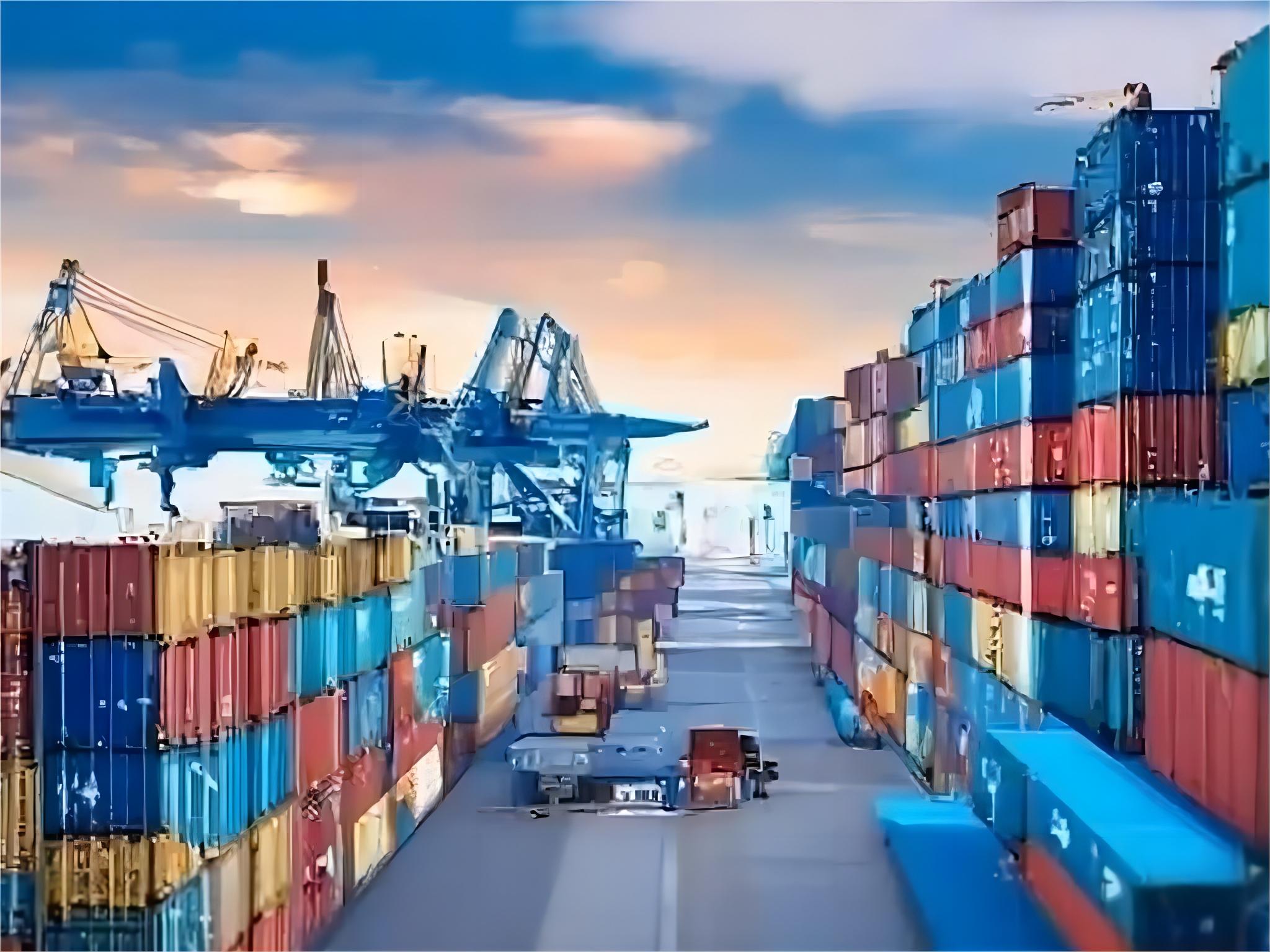
Ultimately, a well-orchestrated strategy safeguards your budget and ensures the timely arrival of your auto parts from China to Miami.
Strategic Planning and Booking Management
Firstly, secure your bookings well in advance, especially during peak shipping seasons. Understanding the carrier’s free time allowance for both demurrage and per diem is absolutely essential.
Accordingly, negotiate for extended free time if possible, particularly for high-volume or complex shipments. Always build a buffer into your delivery schedule to account for unforeseen delays.
Meticulous Documentation and Compliance
Secondly, ensure all shipping documents are accurate, consistent, and submitted electronically ahead of time. This includes the commercial invoice, packing list, bill of lading, and any required permits or certificates for auto parts.
Leveraging expert Customs Brokerage services is highly recommended. A professional broker can pre-clear your cargo, identify potential issues before they arise, and navigate complex regulations, thus accelerating the clearance process in Miami.
Enhanced Communication and Real-time Visibility
Consistent communication among all parties – your supplier, freight forwarder, drayage company, and receiver – is paramount. Utilize tracking systems to monitor your reefer FCL shipment’s progress in real-time.
Therefore, promptly share estimated arrival times and any changes with your Miami receiving team. Proactive communication allows for quick adjustments and prevents last-minute scrambling when the container arrives.
Streamlining the Supply Chain for Auto Parts Imports
❖Beyond individual detention prevention tactics, a holistic approach to your entire supply chain can yield significant benefits. Optimizing each stage ensures smoother operations and reduces overall logistics costs for auto parts from China.
Indeed, integrating various solutions creates a resilient and efficient import process.
Leveraging Technology for Sea Freight Logistics
Modern logistics platforms offer advanced tracking, predictive analytics, and automated document management. These tools provide unparalleled visibility into your sea freight shipments, allowing you to anticipate potential delays.
Moreover, digital integration with customs systems can further expedite clearance, thereby minimizing dwell times at the port and reducing detention risk for your auto parts cargo.
Building Robust Partnerships with Freight Forwarders
A reliable freight forwarder acts as an extension of your team. They possess the expertise, network, and resources to manage the complexities of international shipping, particularly for reefer FCL auto parts.
Consequently, a strong partnership can provide access to preferred carrier rates, extended free time, and expedited drayage services, all contributing to effective detention prevention.
Efficient Inventory Management and Warehousing
Effective inventory management in Miami is crucial. Ensure your receiving facility has adequate space and resources to unload the reefer FCL container immediately upon arrival.
Consider implementing just-in-time inventory strategies, but with a built-in buffer for unforeseen shipping delays. This balance prevents both stockouts and costly container detention.
Comparing Shipping Methods for Auto Parts from China to Miami
❖Choosing the right shipping method is fundamental to managing costs and transit times for auto parts. While reefer FCL is often necessary for temperature-sensitive items, other options exist for different cargo profiles.
Therefore, a comparative analysis helps in making informed decisions, balancing speed, cost, and cargo requirements for your China to Miami route.
| Shipping Method | Cost Range (40HQ est.) | Transit Time (China-Miami) | Best For | Limitations |
|---|---|---|---|---|
| Reefer FCL Sea Freight | $4,500 – $6,000 | 30-35 days | Large, temperature-sensitive volumes | Long transit, port delays |
| Air Freight | $15,000 – $25,000 | 5-7 days | Urgent, high-value, small volumes | High cost, limited capacity |
| LCL Sea Freight (Non-Reefer) | $800 – $1,500 (per CBM) | 35-45 days | Small, non-sensitive volumes | More handling, longer transit, less control |
| Express Service | $5,000 – $10,000 (per 100kg) | 3-5 days | Very urgent, small packages | Extremely high cost, volume limits |
Air Freight vs. Sea Freight for Temperature-Sensitive Auto Parts
While sea freight via reefer FCL is cost-effective for large volumes, air freight offers unparalleled speed. For urgent or high-value, small-volume auto parts, air freight might be preferable, despite higher costs.
However, air freight for temperature-sensitive goods also requires specialized handling and packaging to maintain climate control, which adds to the overall expense.
LCL vs. FCL for Auto Parts Shipments
For smaller volumes of auto parts that don’t fill an entire container, Less than Container Load (LCL) might seem appealing. Nevertheless, LCL shipments often entail more handling and can be subject to longer transit times due to consolidation and deconsolidation processes.
Conversely, FCL offers direct transit and greater control over the container environment, making it generally more reliable for sensitive reefer auto parts, even if the container isn’t completely full.
Hybrid Solutions for Optimal Balance
Sometimes, a combination of methods, such as sea-air, can offer a middle ground between speed and cost. This involves shipping by sea to a hub (e.g., Dubai) then by air to the final destination.
Additionally, for extremely urgent, smaller auto parts, utilizing an Express Service can expedite delivery significantly, bypassing some of the traditional port congestion and customs delays, albeit at a premium.
Case Studies: Successful Reefer FCL Detention Prevention
❖Reviewing real-world examples illustrates how effective planning and execution can circumvent detention charges. These scenarios highlight practical applications of the strategies discussed for auto parts logistics.
Indeed, learning from past successes provides valuable insights for your own import operations from China to Miami.
Case Study 1: Precision Documentation for Electronic Auto Modules
A Miami-based auto parts distributor frequently imports sensitive electronic control units (ECUs) from Shenzhen, China, requiring strict temperature control via reefer FCL. They faced recurring detention due to minor documentation discrepancies.
By implementing a rigorous pre-clearance process with a dedicated customs broker and digitalizing all compliance checks, they drastically reduced customs hold times. This proactive approach significantly lowered their overall logistics costs.
| Detail | Description |
|---|---|
| Route | Shenzhen, China -> Miami, USA |
| Cargo | Electronic Control Units (ECUs), 25 CBM, 8,000 kg |
| Container | 40HQ Reefer |
| Shipping Details | Carrier: MSC, Port of Loading: Yantian, Port of Discharge: Miami, Route Type: Direct |
| Cost Breakdown (Typical Q4 2024) | Ocean Freight: $5,200, Origin Charges: $450, Destination Charges: $700, Customs & Duties (estimated): $1,500, Total Landed Cost: $7,850 |
| Timeline | Booking to Loading: 5 days, Sea Transit: 32 days, Customs Clearance: 1 day, Total Door-to-Door: 38 days |
| Key Insight | Early submission of perfectly matched electronic documents prevented a 3-day customs hold, saving $900 in detention fees. |

Case Study 2: Proactive Planning for Seasonal Rubber Seals
An automotive aftermarket supplier imports large quantities of rubber seals from Ningbo, China, requiring reefer FCL to prevent material degradation. Their peak season imports often coincided with Miami’s busiest periods, leading to detention.
Working closely with their freight forwarder, they pre-booked drayage three weeks in advance and secured an extended free time agreement with the carrier. This foresight ensured immediate container pickup upon arrival, even during high congestion.
| Detail | Description |
|---|---|
| Route | Ningbo, China -> Miami, USA |
| Cargo | Automotive Rubber Seals, 28 CBM, 10,000 kg |
| Container | 40HQ Reefer |
| Shipping Details | Carrier: COSCO, Port of Loading: Ningbo, Port of Discharge: Miami, Route Type: Transshipment via Panama (faster option) |
| Cost Breakdown (Typical Q1 2025) | Ocean Freight: $4,800, Origin Charges: $400, Destination Charges: $650, Customs & Duties (estimated): $1,200, Total Landed Cost: $7,050 |
| Timeline | Booking to Loading: 7 days, Sea Transit: 30 days, Customs Clearance: 2 days, Total Door-to-Door: 40 days |
| Key Insight | Pre-arranged drayage and extended free time (additional 3 days) avoided potential $750 in detention during peak season. |
Case Study 3: Overcoming Port Congestion with Door-to-Door Service
A smaller importer of specialized auto fluids from Shanghai to Miami struggled with coordinating multiple vendors and managing port-side logistics. This often resulted in containers accumulating detention charges.
By switching to a comprehensive Door-to-Door service, they delegated the entire process, including customs clearance and final delivery, to a single provider. This streamlined approach removed their operational burden and eliminated detention issues.
This decision allowed them to focus on their core business while ensuring a smooth flow of auto parts from China to North America.
| Detail | Description |
|---|---|
| Route | Shanghai, China -> Miami, USA |
| Cargo | Specialized Auto Fluids, 20 CBM, 7,000 kg |
| Container | 20GP Reefer |
| Shipping Details | Carrier: Maersk (managed by freight forwarder), Port of Loading: Shanghai, Port of Discharge: Miami, Route Type: Direct |
| Cost Breakdown (Typical Q2 2025) | Ocean Freight: $3,000, Origin Charges: $350, Destination Charges: $550, Customs & Duties (estimated): $900, Total Landed Cost: $4,800 |
| Timeline | Booking to Loading: 6 days, Sea Transit: 33 days, Customs Clearance: 1 day, Total Door-to-Door: 41 days |
| Key Insight | Consolidated door-to-door service eliminated coordination gaps, preventing an average of 4 days of detention previously incurred, saving $1,200 per shipment. |
Choosing the Right Logistics Partner for Your Auto Parts
❖The success of your reefer FCL detention prevention strategy largely hinges on the expertise of your logistics partner. A knowledgeable freight forwarder is invaluable for navigating the complexities of international shipping.
Ultimately, selecting a partner with a proven track record is critical for reliable and efficient imports from China to Miami.
The Advantage of Deep Expertise in China to North America Routes
An experienced logistics provider understands the nuances of the China to North America trade lane, including specific port operations in Miami, customs regulations, and seasonal fluctuations.
This specialized knowledge allows them to anticipate potential issues and implement preventative measures, ensuring your auto parts arrive without incurring unnecessary detention charges.
Comprehensive Service Offerings for Seamless Logistics
Look for a partner who offers a full suite of services, from FCL and LCL to customs clearance, warehousing, and drayage. A single point of contact simplifies communication and coordination.
Moreover, this integrated approach helps to eliminate gaps in your supply chain, which are often breeding grounds for delays and subsequent detention fees.

Tailored Solutions for Amazon FBA Importers
For businesses importing auto parts directly to Amazon FBA warehouses, specialized logistics support is crucial. These services include labeling, palletizing, and scheduling deliveries according to Amazon’s strict requirements.
Such tailored solutions ensure compliance and prevent costly chargebacks or refusal of goods, which could indirectly lead to container detention at the port while alternative arrangements are made.
Navigating Market Dynamics and Future Trends
❖The global shipping landscape is constantly evolving, influenced by geopolitical events, economic shifts, and technological advancements. Staying informed about these dynamics is vital for effective supply chain management for auto parts.
Consequently, adapting to these changes ensures long-term resilience and sustained efficiency in your import operations.
Current Market Conditions: Rates and Capacity Stability
As of early 2025, freight rates from China to the US East Coast have seen some stabilization after periods of volatility caused by global disruptions. However, capacity for reefer containers can still be tight during peak seasons.
Therefore, it is essential to work with a forwarder who has strong relationships with carriers to secure space and favorable terms, mitigating the risk of delays and subsequent detention.
The Role of Digitalization in Future Supply Chains
Digital platforms, blockchain technology, and AI-driven analytics are transforming logistics. These innovations offer enhanced transparency, predictive capabilities, and automation.
Embracing such tools will become increasingly important for managing complex supply chains, minimizing human error, and proactively addressing issues like reefer FCL detention for auto parts from China to Miami.
Mastering Reefer FCL Detention Prevention for Auto Parts Shipments
In conclusion, preventing reefer FCL detention for auto parts from China to Miami is not merely about avoiding fees; it is about ensuring the integrity of your cargo and the efficiency of your supply chain. By implementing strategic planning, meticulous documentation, enhanced communication, and leveraging expert partnerships, importers can significantly mitigate these risks.
Indeed, a proactive and well-informed approach to your logistics strategy is the ultimate key to success. Partnering with a reliable freight forwarder like China Top Freight offers the expertise and resources necessary to navigate these complexities, ensuring your valuable auto parts arrive on time and within budget, free from unexpected detention charges.
Ready to streamline your logistics?
Are you looking to optimize your auto parts imports and prevent costly reefer FCL detention from China to Miami? Contact China Top Freight today for a personalized consultation and a competitive quote. Let our experts streamline your supply chain and protect your bottom line.
Request Quote