

China FCL Cargo Inspection to New Jersey: Complete Guide
Importing Full Container Load (FCL) cargo from China to New Jersey involves a complex process, particularly when ensuring product quality and compliance. Overlooking crucial inspection steps can lead to costly delays, damaged goods, or even regulatory penalties, jeopardizing your entire supply chain. This comprehensive guide, brought to you by China Top Freight, will illuminate the essential strategies for effective China FCL cargo inspection to New Jersey, helping you mitigate risks and achieve seamless deliveries.

Why is China FCL Cargo Inspection to New Jersey Critical?
Ensuring the quality and compliance of your FCL cargo before it leaves China is paramount for any importer targeting New Jersey. This proactive approach significantly reduces the risk of receiving substandard products, minimizing potential financial losses and damage to your brand reputation. Moreover, it helps in meeting stringent US import regulations.
Conversely, neglecting proper pre-shipment inspection services in China can lead to a cascade of problems upon arrival. These issues range from customs delays and penalties to costly returns or disposal of non-compliant goods. Therefore, a robust quality control for China imports strategy is indispensable for smooth operations.
Ultimately, a thorough inspection process acts as a vital safeguard. It verifies that your products meet specifications, quantities are accurate, and packaging is suitable for the long transit to New Jersey. This proactive risk management for China imports directly impacts your bottom line and customer satisfaction.
Key Stages of FCL Cargo Inspection in China
A comprehensive inspection plan for China FCL cargo typically involves several critical stages, each designed to catch potential issues at different points in the production and loading process. Each stage serves a distinct purpose, building confidence in your shipment’s integrity. Choosing an inspection company in China with expertise across these stages is crucial.
| Inspection Type | Timing | Focus | Benefit |
|---|---|---|---|
| Pre-Production (PPI) | Before mass production | Raw materials, components, factory setup | Prevents early stage defects |
| During Production (DPI) | 20-80% production completed | Product quality, compliance, schedule | Allows for mid-production correction |
| Pre-Shipment (PSI) | 100% production, packed | Final product quality, quantity, packaging | Confirms readiness for shipment |
| Container Loading (CLS) | During container loading | Loading process, security, count | Ensures safe and accurate loading |
Pre-Production Inspection (PPI)
This initial inspection occurs before mass production begins, focusing on raw materials and components. It verifies that the factory has the correct materials, machinery, and processes in place to meet your specifications. Addressing issues at this early stage prevents widespread manufacturing defects.
Furthermore, PPI helps confirm the factory’s understanding of your order requirements and quality standards. It’s a foundational step to ensure the entire production run starts on the right foot, saving considerable time and expense later on.
During Production Inspection (DPI)
Also known as DUPRO, this inspection takes place when 20-80% of your goods are produced and packaged. Inspectors check product quality, compliance, and production schedules. This allows for corrective actions to be implemented while production is still underway, preventing an entire batch from being flawed.
Indeed, DPI is crucial for continuous monitoring and maintaining consistent quality throughout the manufacturing cycle. It’s particularly valuable for large FCL orders where variations can easily occur across different production batches.
Pre-Shipment Inspection (PSI)
The PSI is arguably the most critical inspection for China FCL cargo inspection to New Jersey. It occurs when 100% of the order is completed, packed, and ready for shipment. Inspectors perform a detailed check of product quantity, specifications, quality, packaging, and shipping marks.
Moreover, this final check ensures that the entire shipment aligns with your order and international standards. A successful PSI provides the green light for loading and significantly reduces the risk of problems at the destination port. It is a mandatory step for many importers.
Container Loading Supervision (CLS)
For FCL shipments, container loading supervision in China is indispensable. An inspector monitors the entire loading process, ensuring correct product count, proper stacking, and secure placement within the container. This prevents damage during transit and verifies that the correct goods are shipped.
Therefore, CLS confirms the container is sealed properly and that no unauthorized items are added or removed. This final layer of vigilance provides peace of mind, knowing your FCL cargo is securely prepared for its journey to New Jersey.
Navigating FCL Shipping from China to New Jersey
The journey for FCL cargo from China to New Jersey typically involves trans-Pacific sea freight. Major ports of loading in China include Shanghai, Ningbo, Shenzhen, Qingdao, and Tianjin. These ports are well-connected to global shipping lanes, offering frequent sailings.
Upon arrival in the US, the primary port of discharge for New Jersey-bound cargo is the Port of New York and New Jersey. This bustling port complex is one of the largest on the East Coast, equipped to handle vast volumes of containerized cargo. Understanding the port’s operations is key to efficient delivery.
Transit times for FCL shipping from China to the Port of New York and New Jersey generally range from 30 to 35 days for direct services. However, transshipment routes, while sometimes more economical, can extend this by 5-7 days. Factors like port congestion, weather, and carrier schedules can also influence the total transit time.
| Origin Port (China) | Destination Port (USA) | Typical Transit Time (Days) | Key Considerations |
|---|---|---|---|
| Shanghai | New York/New Jersey | 30-34 | High frequency, direct routes |
| Ningbo | New York/New Jersey | 31-35 | Major export hub, reliable service |
| Shenzhen | New York/New Jersey | 32-36 | Southern China gateway, competitive rates |
| Qingdao | New York/New Jersey | 33-37 | Northern China, sometimes longer transit |
Understanding Costs and Factors for China FCL to New Jersey
The cost of FCL shipping to New Jersey is influenced by a multitude of factors, making accurate budgeting essential. Primarily, ocean freight rates fluctuate based on market demand, fuel costs, and carrier capacity. As of early 2025, typical rates for a 40HQ container from China to the US East Coast range from $4,500 to $6,000.
Additionally, various surcharges contribute to the total cost. These include Bunker Adjustment Factor (BAF), Terminal Handling Charges (THC) at both origin and destination, Peak Season Surcharges (PSS), and General Rate Increases (GRI). These can significantly impact the final freight rates.
Furthermore, inland transportation, or drayage, from the Port of New York and New Jersey to your final destination in New Jersey must be factored in. Customs duties, taxes, and insurance also add to the overall landed cost. Therefore, a detailed quote from your freight forwarder is always recommended.
Note: Freight rates are subject to change based on fuel costs, carrier capacity, and seasonal demand. Contact us for a current quote tailored to your specific shipment.
Essential Documentation and Customs Clearance for New Jersey Imports
Successfully clearing customs for your FCL cargo at the Port of New York and New Jersey requires meticulous preparation of documentation. Incomplete or inaccurate paperwork can lead to significant delays and penalties. Consequently, understanding the requirements is non-negotiable.
Crucial documents include the Bill of Lading (B/L), commercial invoice, packing list, and customs declaration. Depending on the product, you might also need certificates of origin, quality certificates, or specific permits. Engaging professional customs brokerage services is highly advisable for navigating these complexities.
Moreover, importers must comply with US import regulations, including those from the FDA, EPA, and other agencies, based on the type of goods. Proper classification of your cargo using Harmonized System (HS) codes is vital for correct duty assessment. A skilled customs broker can ensure smooth customs clearance New Jersey for FCL shipments, minimizing risks of examination or detention.
How Does FCL Shipping Compare to Other Options for New Jersey?
While FCL shipping is the backbone for large volume imports from China to New Jersey, it is not the only option. Understanding alternatives like LCL (Less than Container Load) and air freight is crucial for optimizing your logistics strategy. Each method offers distinct advantages and disadvantages depending on your specific needs.
For instance, if your shipment volume is small, LCL might be more economical than a full container. However, LCL shipments often involve more handling and can take longer due to consolidation and deconsolidation processes. In contrast, air freight offers unparalleled speed but comes at a significantly higher cost, making it suitable only for urgent or high-value goods.
| Shipping Method | Cost Range (China-NJ) | Transit Time (Days) | Best For | Limitations |
|---|---|---|---|---|
| Sea FCL (40HQ) | $4,500 – $6,000+ | 30-35 | Large volumes, cost-effective | Slowest, port congestion risks |
| Sea LCL (per CBM) | $80 – $150+ | 35-45 | Small to medium volumes (under 15 CBM) | More handling, longer transit, higher per CBM |
| Air Freight (per kg) | $5 – $10+ | 5-7 | Urgent, high-value, small shipments | Most expensive, volumetric weight rules |

Real-World Scenarios: China FCL Cargo Inspection to New Jersey
Examining actual case studies provides valuable insights into the practicalities of China FCL cargo inspection to New Jersey. These examples highlight common challenges and successful strategies in managing complex supply chain management China to US logistics. Based on Q3 2024 market rates, these scenarios reflect typical experiences.
Case Study 1: Electronics Components for Local Assembly
This case illustrates the importance of detailed pre-shipment inspection for sensitive goods.
| Detail | Value |
|---|---|
| Route | Shenzhen, China -> Newark, New Jersey |
| Cargo | Electronic circuit boards, 60 CBM, 12,000 kg |
| Container | 1 x 40HQ |
| Shipping Details | Carrier/Service: COSCO (Direct service), Port of Loading: Shenzhen, Port of Discharge: Port of New York and New Jersey, Route Type: Direct |
| Cost Breakdown | Ocean Freight: $5,200, Origin Charges (THC, documentation): $450, Destination Charges: $550, Customs & Duties (estimated): $1,200, Total Landed Cost: $7,400 |
| Timeline | Booking to Loading: 5 days, Sea Transit: 33 days, Customs Clearance: 3 days, Total Door-to-Door: 42 days (including 1 day drayage to Newark) |
| Key Insight | Pre-shipment inspection caught a batch of incorrectly labeled components, preventing a costly recall. The door-to-door services ensured smooth final delivery. |
Case Study 2: Apparel Shipment for an Online Retailer
This scenario demonstrates the value of container loading supervision for retail-ready goods.
| Detail | Value |
|---|---|
| Route | Qingdao, China -> Jersey City, New Jersey |
| Cargo | Seasonal clothing (polyester blend), 68 CBM, 9,500 kg |
| Container | 1 x 40HQ |
| Shipping Details | Carrier/Service: MSC (Transshipment via Busan), Port of Loading: Qingdao, Port of Discharge: Port of New York and New Jersey, Route Type: Transshipment via Busan |
| Cost Breakdown | Ocean Freight: $4,800, Origin Charges (THC, documentation): $480, Destination Charges: $600, Customs & Duties (estimated): $950, Total Landed Cost: $6,830 |
| Timeline | Booking to Loading: 7 days, Sea Transit: 38 days, Customs Clearance: 4 days, Total Door-to-Door: 49 days (including 2 days drayage to Jersey City) |
| Key Insight | Container loading supervision confirmed proper carton count and secure loading, crucial for avoiding stock discrepancies. The slightly longer transit via transshipment offered a 7% cost saving. |
Case Study 3: Furniture Imports for a Boutique Store
This example highlights the need for robust packaging inspection for fragile FCL items.
| Detail | Value |
|---|---|
| Route | Ningbo, China -> Edison, New Jersey |
| Cargo | Flat-pack wooden furniture, 55 CBM, 10,000 kg |
| Container | 1 x 40GP |
| Shipping Details | Carrier/Service: Maersk (Direct service), Port of Loading: Ningbo, Port of Discharge: Port of New York and New Jersey, Route Type: Direct |
| Cost Breakdown | Ocean Freight: $4,900, Origin Charges (THC, documentation): $420, Destination Charges: $500, Customs & Duties (estimated): $1,000, Total Landed Cost: $6,820 |
| Timeline | Booking to Loading: 6 days, Sea Transit: 32 days, Customs Clearance: 3 days, Total Door-to-Door: 41 days (including 1 day drayage to Edison) |
| Key Insight | During production inspection identified inadequate internal packaging, which was corrected before final assembly. This prevented transit damage, crucial for customer satisfaction. |
Optimizing Your Supply Chain: Tips for China FCL to New Jersey
To ensure a truly seamless experience for your China FCL cargo inspection to New Jersey, proactive supply chain optimization is key. This involves more than just inspections; it encompasses strategic planning and efficient execution at every stage. Implementing these tips can significantly enhance your logistics solutions China to East Coast operations.
Firstly, selecting a reputable and experienced freight forwarder is paramount. A good forwarder offers comprehensive services, from origin consolidation and inspection coordination to customs clearance and final delivery. They act as your eyes and ears, managing potential issues before they escalate.
Secondly, clear and consistent communication with your suppliers and logistics partners is vital. Establish clear expectations for product quality, packaging, and inspection protocols from the outset. Regular updates on production status and shipping milestones help maintain control over your entire import process.
Finally, leverage technology for enhanced visibility and control. Utilizing platforms that offer real-time tracking, digital documentation management, and predictive analytics can streamline your operations. For businesses selling online, integrating with Amazon FBA services can further simplify fulfillment once cargo arrives.
Which Shipping Option Should You Choose?
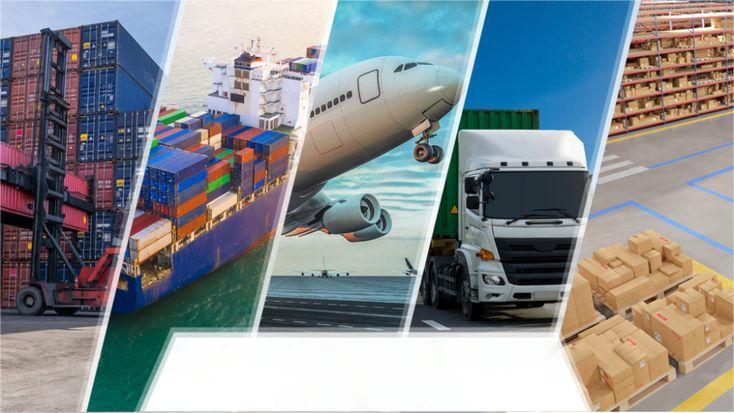
Deciding on the best shipping method for your goods depends on several critical factors. Each choice involves trade-offs between speed, cost, and cargo requirements. Consider these criteria to make an informed decision for your China to New Jersey shipments.
Budget Priority
If cost-efficiency is your primary concern and you have large volumes (over 15 CBM), FCL sea freight is almost always the most economical option. It offers the lowest per-unit cost for bulk goods. For smaller volumes where cost is still key, LCL sea freight is a viable alternative.
Speed Priority
When time is of the essence, especially for urgent orders, samples, or high-value, low-volume items, air freight is the clear winner. It drastically reduces transit times from weeks to days. However, be prepared for significantly higher shipping costs.
Cargo Type Considerations
Fragile, oversized, or hazardous materials often benefit from FCL due to dedicated container space and reduced handling. Perishable goods, on the other hand, might require specialized air cargo services with temperature control. Standard, durable goods can be flexible across methods.
Volume Thresholds for Switching Methods
Generally, for shipments below 15 CBM, LCL is often more cost-effective. As your volume approaches or exceeds 15 CBM, a 20GP FCL container often becomes more competitive. For volumes over 28 CBM, a 40GP or 40HQ FCL container is typically the most efficient choice, offering optimal space utilization and lower per-unit costs.
Conclusion: Securing Your China FCL Cargo Journey to New Jersey
Successfully importing FCL cargo from China to New Jersey demands a strategic approach, with robust inspection protocols at its core. From pre-production checks to container loading supervision, each stage plays a vital role in safeguarding your investment and ensuring product integrity. Furthermore, understanding the logistics, costs, and customs requirements is crucial for a smooth supply chain.
By partnering with experienced freight forwarders and adhering to best practices for China FCL cargo inspection to New Jersey, businesses can mitigate risks, avoid costly delays, and build a reputation for reliable product delivery. Ultimately, meticulous planning and execution pave the way for sustained import success.
Need a tailored shipping solution?
Ready to streamline your imports and ensure top-tier quality for your China FCL cargo inspection to New Jersey? Contact us today for a personalized consultation and a competitive quote. Our experts are here to guide you through every step of the shipping process.