

Container Shipping China to France: Your Definitive Guide
Shipping goods from China to France can seem complex, yet it is a critical component of global trade for many businesses. Understanding the nuances of container shipping from China to France ensures your cargo arrives efficiently and cost-effectively. This guide provides essential information to streamline your import process, helping you make informed decisions for your supply chain.
✦
Understanding Container Shipping China to France
The journey of goods from China to France involves a sophisticated logistics network, primarily relying on sea freight for bulk and heavy cargo. This route connects major manufacturing hubs in China with key European distribution centers. Consequently, understanding the options available is paramount for efficient supply chain management.
Furthermore, businesses seeking to import from China must consider various factors, including freight rates, transit times, and customs procedures. Effective planning can significantly reduce costs and potential delays. Therefore, choosing the right shipping method and partner is crucial for successful international trade.
Key Shipping Routes and Transit Times
Most sea freight from China to France departs from major Chinese ports like Shanghai, Ningbo, Shenzhen, and Qingdao. These vessels typically head towards prominent French ports such as Le Havre, Marseille, and Dunkirk. Direct services offer faster transit, albeit sometimes at a higher cost.
Conversely, many routes involve transshipment through major European hubs like Rotterdam or Hamburg. This can add several days to the overall transit time. Typical sea transit for container shipping from China to France ranges from 28 to 35 days, depending on the specific origin, destination, and carrier schedule.
| Departure Port (China) | Arrival Port (France) | Typical Transit Time (Days) | Key Considerations |
|---|---|---|---|
| Shanghai | Le Havre | 30-35 | Major hub, high frequency, potential for direct service |
| Ningbo | Marseille | 32-37 | Southern France access, sometimes via Mediterranean hubs |
| Shenzhen | Dunkirk | 28-33 | Southern China exports, often faster to northern France |
| Qingdao | Le Havre | 33-38 | Northern China exports, might involve more transshipments |
How Does Sea Freight Compare to Other Shipping Options?
While sea freight is the backbone of container shipping from China to France, alternative methods exist for different needs. Each option presents unique advantages and disadvantages concerning speed, cost, and capacity. Understanding these differences is vital for strategic logistics planning.
Specifically, the choice often boils down to balancing urgency with budget constraints. For instance, air freight offers speed but at a premium, whereas rail freight provides a middle ground. Therefore, careful consideration of cargo specifics is always recommended.
| Shipping Method | Cost Range (per kg/CBM) | Transit Time (Days) | Best For | Limitations |
|---|---|---|---|---|
| Sea Freight (FCL) | $2,800-4,200 (40HQ) | 28-35 | Large volumes, heavy goods, non-urgent | Long transit times, port congestion risk |
| Sea Freight (LCL) | $50-80 (per CBM) | 30-40 | Smaller shipments (under 15 CBM), cost-effective | Longer transit, potential for delays, complex pricing |
| Rail Freight | $0.80-$1.50 (per kg) | 18-22 | Medium urgency, general cargo, better than sea for speed | Less capacity than sea, not available to all locations |
| Air Freight | $5.00-$10.00 (per kg) | 5-7 | Urgent, high-value, perishable goods, samples | High cost, weight/size restrictions, carbon footprint |
Rail Freight from China to France
Rail freight has emerged as a viable alternative, particularly for shipments needing a balance between speed and cost. Services connect major Chinese cities to European rail hubs, including those with onward connections to France. This method is significantly faster than sea freight.
Indeed, transit times for rail freight typically range from 18 to 22 days to France. While more expensive than sea, it is considerably cheaper than air cargo. It is ideal for goods that are not extremely urgent but still require quicker delivery than ocean vessels.
Air Freight from China to France
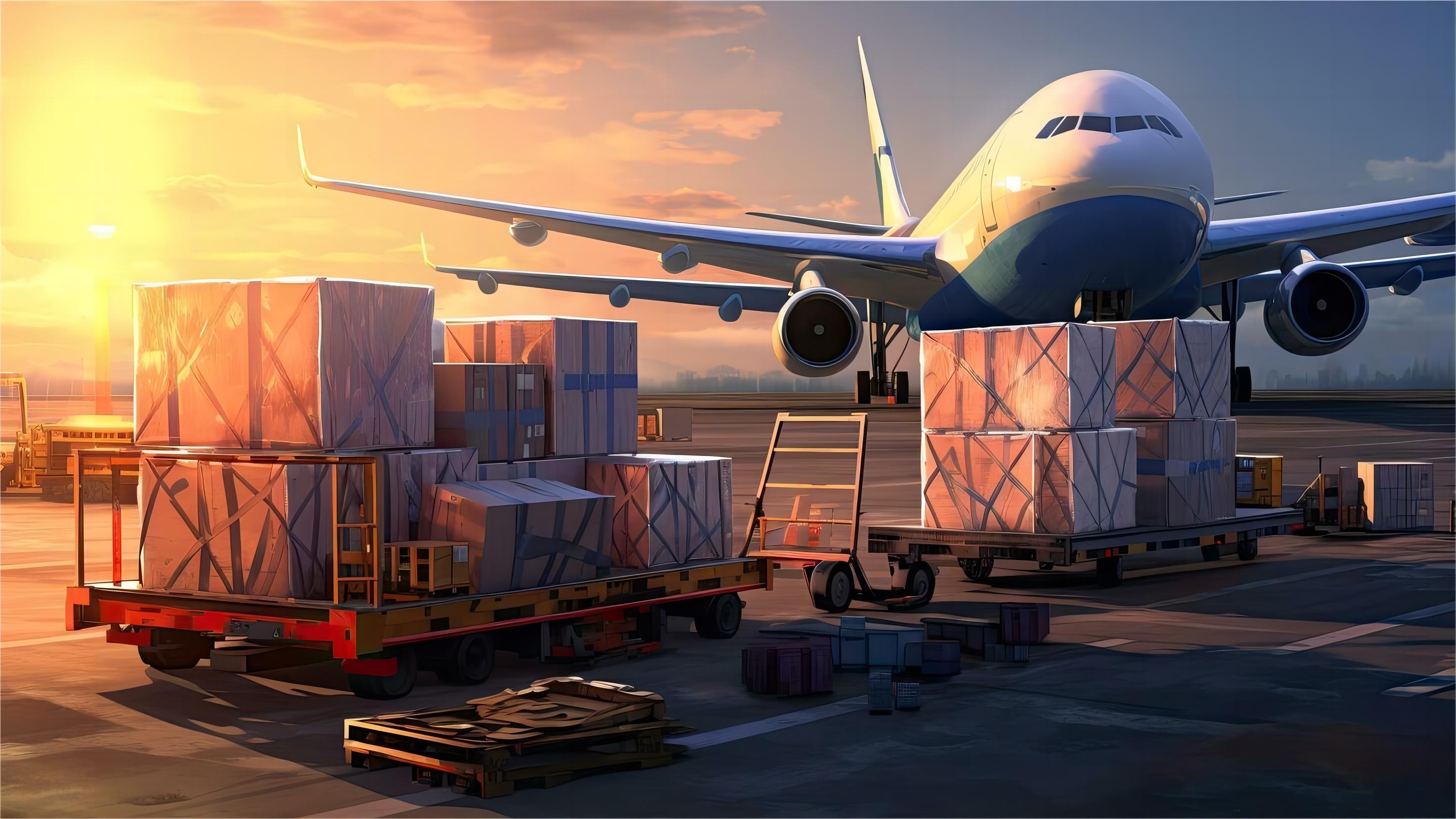
For urgent or high-value shipments, air freight remains the fastest option. Goods can reach France from China in 5 to 7 days, including customs clearance. This speed, however, comes at a significantly higher cost per kilogram. Consequently, air freight is generally reserved for time-sensitive deliveries.
Moreover, air cargo is subject to stricter size and weight limitations compared to sea containers. Therefore, businesses must weigh the premium cost against the critical need for rapid delivery. It is an excellent solution for samples, prototypes, or emergency stock replenishment.
Hybrid Solutions
Hybrid solutions, such as sea-air or rail-air combinations, offer a flexible approach to shipping. For example, goods might travel by sea to a Middle Eastern hub, then switch to air freight for the final leg to France. This can optimize both transit time and cost.
These integrated services provide a strategic balance for complex supply chains. They are particularly useful when facing tight deadlines but still aiming for some cost savings compared to pure air freight. Consulting with a freight forwarder can help identify the best hybrid strategy.
Which Option Should You Choose?
The optimal shipping method depends heavily on your specific business priorities. Budget-conscious importers usually prioritize sea freight for its cost-effectiveness, especially for large volumes. This is the default for most container shipping from China to France.
Conversely, if speed is the primary concern, air freight is indispensable. Rail freight offers a compelling middle ground for those seeking a balance. Cargo type, volume thresholds, and delivery schedule are all critical decision factors in this selection process.
Container Types and Capacity for Your Shipments
Selecting the correct container type is a fundamental aspect of efficient container shipping from China to France. The choice directly impacts both shipping costs and the safety of your cargo. Standard containers are the most common, but specialized options exist for unique requirements.
Indeed, understanding container dimensions and weight limits is crucial to maximize space utilization. Proper container loading also prevents damage during transit, ensuring your goods arrive in pristine condition. This planning minimizes unforeseen expenses and enhances reliability.
Standard Containers
The 20-foot General Purpose (20GP) and 40-foot General Purpose (40GP) containers are the most frequently used. A 20GP container holds approximately 33 CBM, while a 40GP holds about 67 CBM. The 40-foot High Cube (40HQ) offers additional height, providing around 76 CBM of space.
These containers are suitable for a vast array of dry cargo, from electronics to textiles and machinery. Therefore, they form the backbone of global trade routes. Most door to door shipping from China to France utilizes these standard sizes.
Specialized Containers
For cargo with specific needs, specialized containers are available. Refrigerated containers (Reefers) maintain controlled temperatures for perishables. Open-top containers facilitate loading of oversized goods from above. Flat rack containers are designed for heavy or oddly shaped items.
Furthermore, tank containers transport liquids or gases. Using the appropriate specialized container ensures cargo integrity and compliance with safety regulations. Always discuss specific cargo requirements with your freight forwarder to ensure correct selection.
Navigating Customs and Documentation
Customs clearance is a critical, often complex, stage in container shipping from China to France. Proper documentation and adherence to French import regulations are essential to avoid delays and penalties. Many businesses choose to use customs brokerage services to simplify this process.
Additionally, understanding Incoterms (International Commercial Terms) is vital, as they define responsibilities and costs between buyer and seller. Correctly declaring goods and paying duties and taxes are mandatory steps for successful importation into France. Therefore, thorough preparation is key.
Essential Documents
A comprehensive set of documents is required for customs clearance. These typically include the Commercial Invoice, Packing List, Bill of Lading (for sea freight) or Air Waybill (for air freight), and the Certificate of Origin. Each document serves a specific purpose in the import process.
Moreover, depending on the goods, additional permits or licenses might be necessary. For example, certain food products, electronics, or textiles may require specific certifications or declarations. Always verify the exact requirements for your specific cargo type before shipping.
| Document | Purpose | Issuing Party |
|---|---|---|
| Commercial Invoice | Details of goods, value, terms of sale | Exporter |
| Packing List | Itemized list of contents, weights, dimensions | Exporter |
| Bill of Lading (B/L) | Contract of carriage, title to goods | Carrier/Freight Forwarder |
| Certificate of Origin | Proves country of manufacture | Chamber of Commerce/Exporter |
| Customs Declaration | Formal declaration of goods to customs | Importer/Broker |
Customs Clearance Process
Upon arrival in France, your shipment undergoes a rigorous customs clearance process. This involves verifying documentation, assessing duties and taxes, and inspecting goods if required. Delays can occur due to incomplete paperwork or discrepancies.
Furthermore, France, as an EU member, adheres to strict import regulations. Therefore, ensuring all goods comply with EU standards is paramount. Engaging an experienced customs broker can significantly expedite this process and mitigate potential issues, ensuring smooth entry for your goods.
Real-World Case Studies: China to France Shipments
Examining real-world examples helps illustrate the practicalities and challenges of container shipping from China to France. These case studies highlight various scenarios, from large-scale industrial imports to smaller business consignments. They demonstrate how different shipping strategies are applied.
Based on current market rates as of early 2025, these examples provide realistic insights into costs, transit times, and potential issues. They underscore the importance of tailored logistics solutions for diverse cargo types and business needs. These insights can inform your own shipping decisions.
Case Study 1: Large Volume Textiles
| Category | Details |
|---|---|
| Route | Shanghai, China -> Le Havre, France |
| Cargo | Fashion textiles (clothing), 65 CBM, 15,000 kg |
| Container | 1 x 40GP |
| Shipping Details | |
| – Carrier/Service | COSCO (Direct Service) |
| – Port of Loading | Shanghai |
| – Port of Discharge | Le Havre |
| – Route Type | Direct |
| Cost Breakdown | |
| – Ocean Freight | $3,500 |
| – Origin Charges (THC, documentation) | $350 |
| – Destination Charges | $400 |
| – Customs & Duties (estimated) | $700 |
| – Total Landed Cost | $4,950 |
| Timeline | |
| – Booking to Loading | 5 days |
| – Sea Transit | 31 days |
| – Customs Clearance | 3 days |
| – Total Door-to-Door | 39 days |
| Key Insight | Early booking secured a competitive rate during a busy period. Efficient documentation minimized customs delays in Le Havre. |
Case Study 2: High-Value Electronics
| Category | Details |
|---|---|
| Route | Shenzhen, China -> Paris (CDG), France |
| Cargo | Consumer electronics (laptops, cameras), 5 CBM, 1,200 kg |
| Container | Air Cargo |
| Shipping Details | |
| – Carrier/Service | Air France Cargo |
| – Port of Loading | Shenzhen (SZX) |
| – Port of Discharge | Paris (CDG) |
| – Route Type | Direct Air Cargo |
| Cost Breakdown | |
| – Air Freight | $7,200 |
| – Origin Charges (handling, documentation) | $200 |
| – Destination Charges | $150 |
| – Customs & Duties (estimated) | $1,000 |
| – Total Landed Cost | $8,550 |
| Timeline | |
| – Booking to Loading | 2 days |
| – Air Transit | 1 day |
| – Customs Clearance | 2 days |
| – Total Door-to-Door | 5 days |
| Key Insight | Opting for express service ensured rapid delivery for a product launch. Pre-cleared customs documentation was crucial for speed. |
Case Study 3: Small Business Import (LCL)
| Category | Details |
|---|---|
| Route | Ningbo, China -> Lyon, France |
| Cargo | Assorted home goods, 8 CBM, 2,000 kg |
| Container | LCL (Less than Container Load) |
| Shipping Details | |
| – Carrier/Service | Major LCL consolidator |
| – Port of Loading | Ningbo |
| – Port of Discharge | Marseille (then rail/truck to Lyon) |
| – Route Type | Transshipment via Singapore |
| Cost Breakdown | |
| – Ocean Freight | $560 (8 CBM x $70/CBM) |
| – Origin Charges (consolidation, documentation) | $250 |
| – Destination Charges | $300 |
| – Inland Transport (Marseille to Lyon) | $400 |
| – Customs & Duties (estimated) | $450 |
| – Total Landed Cost | $1,960 |
| Timeline | |
| – Booking to Loading | 7 days |
| – Sea Transit | 35 days |
| – Customs Clearance | 4 days |
| – Inland Delivery | 3 days |
| – Total Door-to-Door | 49 days |
| Key Insight | LCL was cost-effective for a smaller volume. However, the extended transit time due to transshipment and inland transfer required careful inventory planning. |
Cost Factors and Freight Rates
The cost of container shipping from China to France is influenced by numerous variables. Understanding these factors helps businesses budget effectively and negotiate favorable terms. Freight rates fluctuate based on market dynamics and operational costs.
Accordingly, a detailed breakdown of all potential charges is essential for an accurate landed cost calculation. Ignoring any component can lead to unexpected expenses. Therefore, transparency in pricing is a hallmark of reliable freight services.
Major Cost Components
Key cost components include ocean freight (or air/rail freight), which is the base charge for transport. Additionally, origin charges cover local handling, terminal handling charges (THC), and documentation fees in China. Destination charges cover similar services upon arrival in France.
Furthermore, customs duties and taxes levied by the French government are significant. Inland transportation from the port to the final destination in France also adds to the total. Fuel surcharges and security fees are other variable costs. Note: Freight rates are subject to change based on fuel costs, carrier capacity, and seasonal demand. Contact us for a current quote tailored to your specific shipment.
Market Trends and Fluctuations
As of Q1 2025, freight rates from China to Europe have seen some stabilization after the volatility of 2024, influenced by factors like Red Sea disruptions. However, rates can still fluctuate significantly due to fuel prices, global capacity, and geopolitical events. Keeping abreast of logistics trends is crucial.
Industry data suggests rates typically increase by 15-25% during August-October due to peak season demand leading up to Christmas. Chinese New Year also causes temporary rate hikes and capacity shortages. Therefore, booking well in advance during these periods is a wise strategy. Visit Express Service for urgent needs.
Choosing the Right Freight Forwarder
Selecting an experienced and reliable freight forwarder is perhaps the most critical decision for successful container shipping from China to France. A good forwarder acts as your logistics partner, managing complex processes on your behalf. They offer expertise in international regulations and customs.
Moreover, they can provide various services, including Amazon FBA logistics, warehousing, and cargo insurance. An effective forwarder streamlines your supply chain, minimizes risks, and ultimately saves you time and money. Always look for transparent communication and comprehensive service offerings.
Conclusion: Navigating Your China to France Shipping Successfully
In conclusion, successful <a href=”https://chinatopfreight.com/”>container shipping from China to France</a> requires careful planning and an understanding of various factors. From selecting the right shipping method to navigating customs and managing costs, each step is crucial. Businesses must consider transit time, freight rates, and cargo handling requirements.
Ultimately, partnering with an experienced freight forwarder can significantly simplify this complex process, ensuring your goods reach their destination safely and on time. Their expertise in logistics trends and supply chain management proves invaluable. Therefore, making an informed choice is key to your import success.
