

Open Top FCL Detention Prevention for Medical Equipment to Long Beach
“Shipping specialized medical equipment from China to Long Beach presents unique logistical challenges. Ensuring timely delivery while preventing costly detention charges is paramount for healthcare providers and distributors. This guide explores effective strategies for Open Top FCL detention prevention for medical equipment, helping you streamline your imports and safeguard your budget. For comprehensive logistics solutions, visit China Top Freight.”

What is Open Top FCL and Why is it Crucial for Medical Equipment?
❖Open Top FCL (Full Container Load) containers are specifically designed for oversized cargo that cannot be loaded through standard container doors. This specialized container type is essential for transporting tall or heavy medical equipment, such as MRI machines, CT scanners, or large hospital beds.
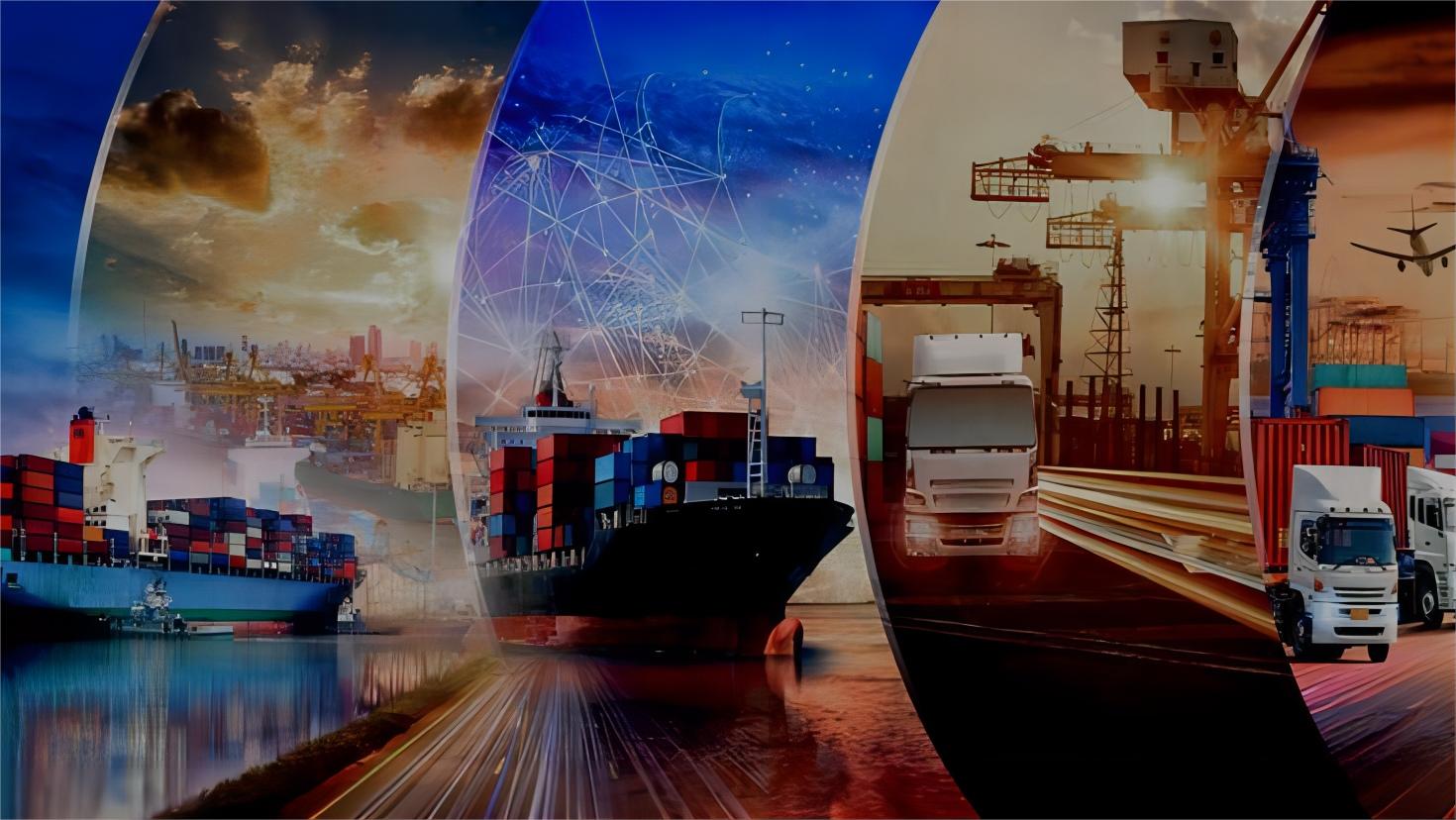
Utilizing these containers ensures secure transport for high-value goods, protecting them from damage during transit. Therefore, understanding their specific requirements is the first critical step in optimizing logistics for sensitive cargo and preventing potential delays.
Understanding Detention and Demurrage Charges in Ocean Freight
❖Detention and demurrage represent two distinct but frequently confused charges that can significantly inflate shipping costs. Demurrage typically applies when cargo remains at the port terminal beyond the allowed free time, often due to customs delays or late pickup by the consignee.
Conversely, detention occurs when the empty container is not returned to the carrier within the specified free time after discharge at the consignee’s facility. Both are daily fees, accumulating rapidly and impacting your overall import/export budget and delivery schedule. Effective Open Top FCL detention prevention requires a clear understanding of these charges.
Key Strategies for Open Top FCL Detention Prevention
❖Preventing detention charges begins long before the vessel even departs from China. Proactive planning and continuous communication are absolutely vital. Firstly, accurately assess your cargo’s dimensions and weight to ensure the correct Open Top FCL container type is booked, thereby avoiding costly last-minute changes.
Pre-Shipment Planning and Documentation
Thorough pre-shipment planning is essential for smooth operations. This includes preparing all necessary customs documentation well in advance, such as commercial invoices, packing lists, and any required medical device licenses. Errors or omissions in paperwork are a leading cause of customs clearance delays.
Consider leveraging pre-clearance procedures for Long Beach, where feasible, to expedite the release of your medical equipment. A skilled customs brokerage service can navigate these complexities effectively, ensuring compliance and preventing costly hold-ups.
Optimizing Transit and Delivery Schedules
Work closely with your freight forwarder to optimize transit times and delivery schedules. Choose reputable carriers known for their reliability on the China to Long Beach route. Factors like port congestion at both origin and destination can significantly impact vessel schedules.
Furthermore, arrange for immediate pick-up of your Open Top FCL container upon its arrival at Long Beach. This might involve pre-booking drayage services and ensuring all necessary equipment is ready for unloading specialized cargo. Planning for efficient last-mile delivery is crucial for Open Top FCL detention prevention.
Navigating Customs and Regulatory Compliance for Medical Equipment
❖Importing medical equipment into the United States is subject to stringent FDA regulations and complex customs requirements. Ensuring full compliance is non-negotiable to avoid delays, penalties, or even the rejection of your entire shipment.
This process involves accurate product classification, proper labeling, and obtaining any required import permits or licenses. Partnering with an experienced freight forwarder who specializes in healthcare logistics can significantly simplify this complex process, ensuring your medical equipment shipments meet all regulatory standards.
| Document | Purpose | Notes |
|---|---|---|
| Commercial Invoice | Value, terms of sale, description | Must be accurate and detailed |
| Packing List | Contents, weight, dimensions per package | Aids in customs inspection |
| Bill of Lading (B/L) | Contract of carriage | Proof of ownership, release of goods |
| FDA Import Notification | Required for most medical devices | Submit electronically before arrival |
| Manufacturer’s Declaration | Proof of origin, compliance with standards | May be required for certain devices |
How Does Open Top FCL Compare to Other Shipping Options?
❖When shipping medical equipment from China to Long Beach, selecting the right mode of transport is critical for efficiency and cost control. Open Top FCL is often chosen for its capacity and protection, especially for oversized items. However, alternative solutions exist depending on cargo characteristics, budget, and urgency.
Understanding the trade-offs between speed, cost, and capacity is key to effective supply chain management. This section explores viable alternatives and when they might be more suitable, offering insights into various logistics trends and freight rates.
| Shipping Method | Cost Range (40′ Eq) | Transit Time | Best For | Limitations |
|---|---|---|---|---|
| Open Top FCL Sea Freight | $2,800 – $3,800 | 14 – 18 days | Oversized, heavy medical equipment | Slower than air, port congestion risk |
| Standard FCL Sea Freight | $2,500 – $3,500 | 14 – 18 days | Standard-sized medical equipment | Not suitable for tall cargo |
| LCL Sea Freight | $50 – $80 per CBM | 18 – 25 days | Smaller, non-urgent medical supplies | Longer transit, more handling |
| Air Freight (Cargo) | $15,000 – $25,000 | 3 – 7 days | Urgent, high-value, small medical devices | High cost, limited volume/weight |
Alternative Approaches and Hybrid Solutions
For smaller, non-urgent medical supplies, sea freight as LCL (Less than Container Load) can be a highly cost-effective alternative. While transit times are longer due to consolidation, it avoids the expense of a full container.
Conversely, for time-critical medical devices or emergency stock, air freight offers unparalleled speed, albeit at a significantly higher cost. Hybrid solutions, such as sea-air combinations, are less common for direct China-US routes but can be considered for specific scenarios involving transshipment points.
Decision Framework: Which Option Should You Choose?
**Budget Priority:** If cost-effectiveness is paramount and transit time is flexible, standard FCL or LCL sea freight is recommended. Open Top FCL is ideal when cargo dimensions necessitate it, balancing cost with specialized handling needs.
**Speed Priority:** For urgent medical equipment where every day counts, air freight is the undisputed choice, despite the higher shipping costs and limited volume capacity.
**Cargo Type Considerations:** Oversized, non-stackable, or very tall items specifically mandate Open Top FCL. For standard palletized goods, a regular FCL container remains the most economical and efficient option.
**Volume Thresholds:** For shipments typically under 15 CBM, LCL often proves more economical than reserving an entire full container. Above this threshold, FCL usually becomes more cost-efficient per cubic meter.
Real-World Success: Case Studies in Preventing Detention
❖Understanding how others have successfully managed their logistics can provide invaluable insights. These case studies highlight effective strategies for Open Top FCL detention prevention for medical equipment from China to Long Beach, showcasing practical applications of meticulous planning and expert coordination.
Case Study 1: MRI Machine Shipment to a New Hospital Wing
This case involved a state-of-the-art MRI machine, which required an Open Top 40′ container due to its exceptional height. The primary goal was to ensure timely delivery and avoid any detention costs.
| Detail | Description |
|---|---|
| Route | Shanghai, China Long Beach, USA |
| Cargo | MRI Machine, 25 CBM, 15,000 kg |
| Container | 40′ Open Top FCL |
| Shipping Details | Carrier: COSCO, Port of Loading: Shanghai, Port of Discharge: Long Beach, Route Type: Direct |
| Cost Breakdown | Ocean Freight: $3,500; Origin Charges: $450; Destination Charges: $600; Customs & Duties (estimated): $1,200; Total Landed Cost: $5,750 (Based on Q3 2024 market rates) |
| Timeline | Booking to Loading: 7 days; Sea Transit: 16 days; Customs Clearance: 2 days; Total Door-to-Door: 20 days |
| Key Insight | Proactive FDA pre-notification and pre-arranged specialized drayage at Long Beach ensured immediate release and return of the empty container, completely avoiding detention charges. |

Case Study 2: Bulk Order of Hospital Beds and Operating Tables
A large shipment comprising numerous hospital beds and operating tables, some requiring Open Top containers while others fit standard FCLs, demanded careful orchestration. The objective was efficient delivery without incurring extra fees.
| Detail | Description |
|---|---|
| Route | Ningbo, China Long Beach, USA |
| Cargo | 200 Hospital Beds, 50 Operating Tables, 60 CBM, 20,000 kg |
| Container | One 40′ Open Top FCL, One 40′ HQ FCL |
| Shipping Details | Carrier: MSC, Port of Loading: Ningbo, Port of Discharge: Long Beach, Route Type: Direct |
| Cost Breakdown | Ocean Freight: $6,200; Origin Charges: $800; Destination Charges: $1,100; Customs & Duties (estimated): $2,500; Total Landed Cost: $10,600 (Typical rates as of early 2025) |
| Timeline | Booking to Loading: 10 days; Sea Transit: 15 days; Customs Clearance: 3 days; Total Door-to-Door: 23 days |
| Key Insight | Consolidating multiple container types and coordinating a single door-to-door delivery plan with the freight forwarder prevented delays across both specialized and standard cargo types. |
Optimizing Your Supply Chain for Medical Device Imports
❖Beyond managing individual shipments, a holistic approach to supply chain optimization is crucial for sustained efficiency. This involves selecting reliable partners, implementing robust tracking systems, and continuously reviewing logistics trends and current freight rates.
Building strong relationships with carriers and customs brokers can provide invaluable flexibility during peak seasons or unexpected disruptions. Furthermore, consider implementing comprehensive cargo insurance for high-value medical equipment, adding an essential extra layer of protection against unforeseen events.
The Role of a Reliable Freight Forwarder in Detention Prevention
❖Partnering with an experienced freight forwarder is perhaps the most critical step in successful Open Top FCL detention prevention. They possess the expertise to navigate complex regulations, manage intricate documentation, and coordinate all parties involved in the shipping process effectively.
A good freight forwarder will offer transparent communication, provide real-time updates on your shipment’s status, and proactively address potential issues. Their ability to manage booking, customs, and last-mile delivery, even integrating with services like Amazon FBA if applicable for distribution, is invaluable for peace of mind.
Conclusion
Effectively managing Open Top FCL detention prevention for medical equipment from China to Long Beach requires a multi-faceted approach. From meticulous pre-shipment planning and robust customs compliance to strategic carrier selection and proactive communication, every step significantly contributes to a smooth, cost-effective import process.
By leveraging expert advice and advanced logistics solutions, businesses can substantially reduce risks and ensure the timely delivery of their vital medical cargo, thereby optimizing their overall supply chain and avoiding unnecessary expenses.
Ready to streamline your logistics?
Ready to streamline your medical equipment imports from China to Long Beach and eliminate costly detention charges? Our team of logistics experts specializes in Open Top FCL solutions and comprehensive supply chain management. Contact us today for a personalized quote and discover how we can optimize your shipping process.
Request Quote