

Toys Shipping from China: Your Ultimate Guide
“Navigating the complexities of global logistics for toy imports can be challenging for businesses worldwide. Efficient China Top Freight solutions are crucial for maintaining competitive pricing and timely delivery. This comprehensive guide will simplify the process of toys shipping from China, ensuring your products reach their destination smoothly and economically. We will explore various shipping methods, cost considerations, and essential strategies for successful toy imports.”
Why is Toys Shipping from China a Global Necessity?
❖China remains the world’s leading manufacturer of toys, offering unparalleled production capabilities and diverse product ranges. Therefore, businesses worldwide rely heavily on efficient toys shipping from China to stock their shelves. Understanding the nuances of this supply chain is vital for importers seeking quality and affordability.
However, importing toys involves more than just selecting products; it requires strategic logistics planning. From small plush toys to large electronic gadgets, each shipment demands careful consideration of volume, urgency, and destination. Consequently, a well-executed shipping strategy can significantly impact your bottom line and customer satisfaction.
Key Considerations for Toys Shipping from China
❖When importing toys from China, several critical factors influence your shipping decisions and overall costs. Thoroughly evaluating these aspects ensures a streamlined and cost-effective process. Understanding these elements from the outset can prevent unexpected delays and expenses.
Moreover, effective planning helps businesses manage their inventory better and meet market demands efficiently. Neglecting any of these considerations could lead to significant logistical challenges. Therefore, proactive assessment is always recommended for successful toy imports.
Choosing the Right Shipping Method
The selection of your shipping method depends heavily on the urgency and size of your toy order. For instance, air freight offers speed but comes at a higher cost. Conversely, sea freight is more economical for large volumes but involves longer transit times.
Additionally, hybrid solutions or express services might be suitable for specific scenarios. Evaluating your inventory turnover and sales forecasts will guide you toward the most appropriate option. Ultimately, balancing speed and cost is paramount for profitable toy distribution.
Understanding Shipping Costs and Freight Rates
Shipping costs for toys from China are dynamic and influenced by various factors, including fuel prices, peak seasons, and port congestion. Furthermore, these costs encompass not just freight charges but also origin charges, destination fees, and customs duties. Obtaining a detailed quote is always advisable.
Indeed, comparing freight rates from multiple providers can yield significant savings. Always inquire about all-inclusive pricing to avoid hidden fees. Consequently, a clear understanding of the total landed cost is essential for accurate budgeting and pricing strategies.
Navigating Customs and Regulations for Toy Imports
Importing toys requires adherence to specific customs regulations and safety standards in the destination country. For example, many countries have strict rules regarding materials, labeling, and age appropriateness for children’s products. Therefore, proper documentation and compliance are non-negotiable.
Furthermore, incorrect documentation can lead to delays, penalties, or even seizure of your goods. Engaging a reliable customs brokerage service can simplify this complex process. Ultimately, ensuring full compliance safeguards your business and your customers.
Popular Shipping Methods for Toys from China
❖Several distinct shipping methods are available for transporting toys from China, each with its own advantages and disadvantages. Your choice will depend on a careful balance of budget, speed, and cargo volume. Understanding these options is the first step towards an optimized logistics strategy.
Moreover, market conditions and global events can influence the viability and cost-effectiveness of each method. Consequently, remaining flexible and informed about current logistics trends is crucial for importers. Let’s delve into the primary choices for toy transportation.
Sea Freight for Bulk Toy Shipments
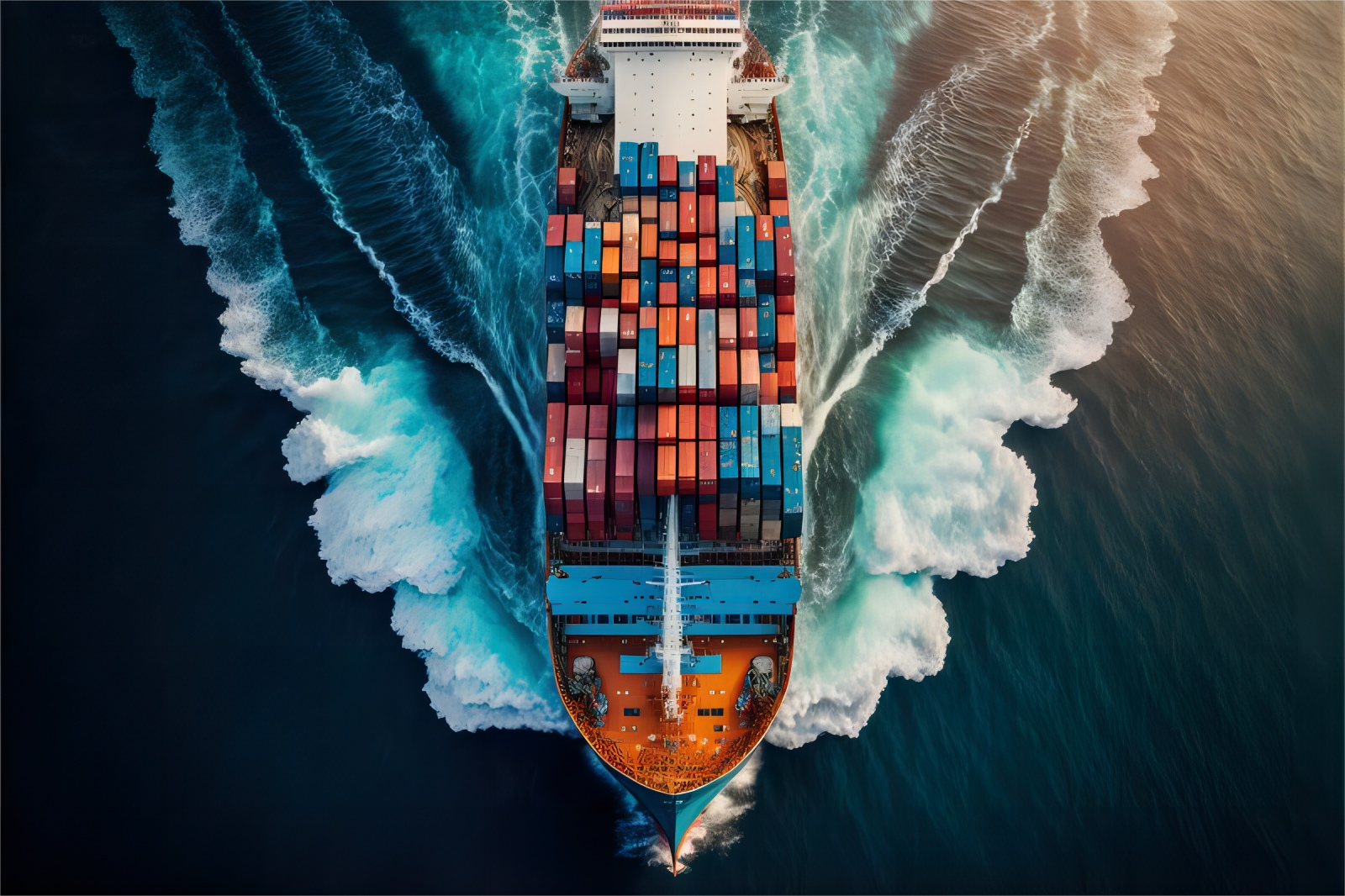
Sea freight is the most economical option for large volumes of toys, especially when time is not a critical factor. It is ideal for non-urgent, heavy, or bulky orders, such as large plastic playsets or full containers of plush toys. This method allows for significant cost savings per unit.
However, sea freight involves longer transit times, typically ranging from 20 to 45 days, depending on the destination. Shipments might face delays due to port congestion or adverse weather conditions. Nevertheless, for cost-conscious importers, it remains the preferred choice.
Air Freight for Urgent Toy Deliveries
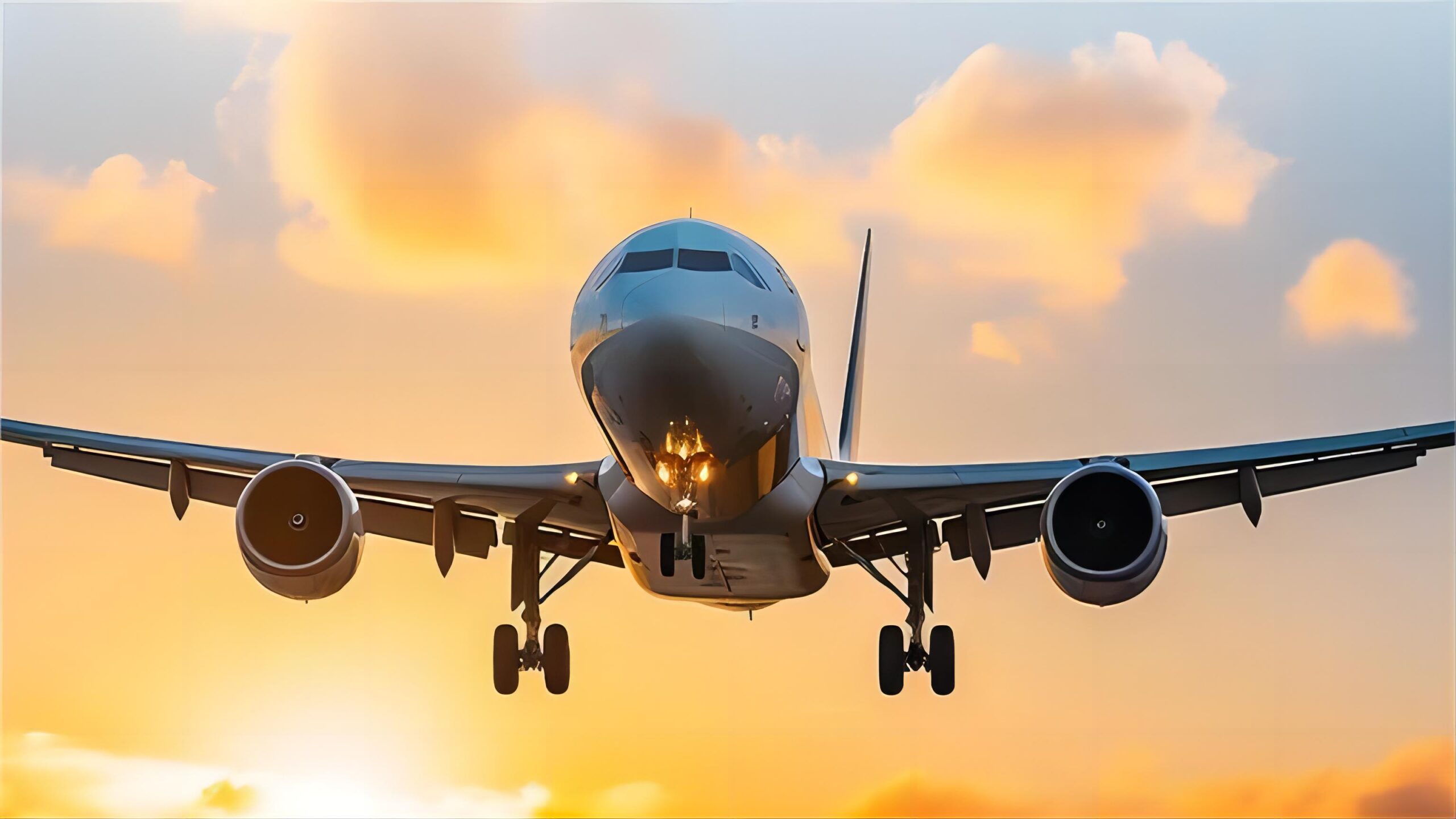
Air freight offers the fastest transit times, making it suitable for urgent toy deliveries, high-value items, or seasonal products that need to hit the market quickly. This method ensures your toys reach customers within days, often within a week. It is invaluable for meeting tight deadlines.
Conversely, air freight is significantly more expensive than sea freight, especially for heavy or bulky items. It is generally reserved for smaller, lighter shipments where speed is paramount. Therefore, careful cost-benefit analysis is essential before choosing this option.
Rail Freight for European Destinations
Rail freight offers a balanced solution between the speed of air freight and the cost-effectiveness of sea freight, primarily for destinations across Europe and Central Asia. It provides a reliable and increasingly popular option for toys shipping from China to these regions. Transit times are typically 15-25 days.
Indeed, rail transport is also considered more environmentally friendly than air or sea freight for certain routes. However, its availability is limited by specific rail networks and routes. Importers should consider this option if their market is in Europe and they seek a middle-ground solution.
Express Shipping for Small Parcels and Samples
Express shipping, typically via carriers like DHL, FedEx, or UPS, is ideal for small toy orders, samples, or urgent, lightweight packages. It offers door-to-door convenience and extremely fast delivery, often within 3-7 business days globally. This service streamlines the import of small quantities.
However, the cost per kilogram is the highest among all methods. Express shipping is not economical for bulk orders but proves invaluable for quick replenishments or initial product evaluations. Consequently, it fills a niche for rapid, small-scale logistics needs.
How Does Each Method Compare for Toys Shipping from China?
❖Selecting the optimal shipping method for your toy imports requires a clear understanding of the trade-offs involved. Each option presents a unique combination of cost, speed, and capacity. Therefore, a comparative overview helps in making informed decisions.
Furthermore, market data suggests that the best choice often depends on your specific business model and current supply chain demands. Below is a detailed comparison to guide your strategy for toys shipping from China.
| Shipping Method | Cost Range (per kg) | Transit Time | Best For | Limitations |
|---|---|---|---|---|
| Sea Freight (FCL) | $0.05 – $0.15 | 20-45 days | Large, heavy, non-urgent bulk orders | Slow, susceptible to port delays |
| Sea Freight (LCL) | $0.10 – $0.30 | 25-50 days | Medium-sized orders (1-15 CBM) | Longer handling time, potential for co-loading delays |
| Air Freight | $4.00 – $8.00 | 3-10 days | Urgent, high-value, small/light items | Very expensive, weight/volume restrictions |
| Rail Freight (Europe) | $0.80 – $1.50 | 15-25 days | Medium-to-large orders for European market | Limited routes, not global |
| Express Shipping | $8.00 – $15.00+ | 3-7 days | Samples, small parcels, very urgent items | Extremely expensive, strict weight limits |
Optimizing Your Toys Shipping from China Strategy
❖To maximize efficiency and minimize costs when importing toys, businesses should consider various optimization strategies. These approaches can streamline your supply chain and enhance overall operational resilience. Implementing these tactics can provide a significant competitive edge.
Moreover, proactive management of your logistics can help mitigate risks associated with international trade. Therefore, continuous evaluation and adaptation of your shipping practices are essential. Let’s explore some key strategies for better toy imports.
Consolidation and LCL Shipments
For businesses with smaller order volumes that do not fill an entire container, Less than Container Load (LCL) shipping is a cost-effective solution. Your goods are consolidated with other shippers’ cargo, sharing the container space and thus the shipping cost. This is ideal for managing inventory without overstocking.
However, LCL shipments require more handling and can sometimes experience slightly longer transit times due to consolidation and deconsolidation processes. Nevertheless, it remains a popular choice for many small to medium-sized toy importers. Consider this for efficient inventory management.
Leveraging Door-to-Door Services
A door-to-door service simplifies the entire shipping process, from your supplier’s factory in China directly to your warehouse. This comprehensive solution handles all aspects, including customs clearance, documentation, and inland transportation. It significantly reduces the administrative burden on importers.
Indeed, this integrated approach provides greater predictability in transit times and costs, as all charges are typically included in one quote. It is particularly beneficial for businesses that lack extensive experience in international logistics. Consequently, it offers peace of mind and operational simplicity.
Integrating with Amazon FBA Logistics
For toy sellers on Amazon, direct shipping to Amazon FBA warehouses from China can be a game-changer. This strategy bypasses intermediate warehousing, reducing handling costs and accelerating product availability. Furthermore, it integrates seamlessly with Amazon’s fulfillment network.
However, FBA shipments have specific packaging, labeling, and delivery requirements that must be strictly followed. Working with a freight forwarder experienced in Amazon FBA prep and delivery is crucial to avoid rejections or delays. This specialized service optimizes your e-commerce supply chain.
Real-World Scenarios: Efficient Toys Shipping from China
❖Understanding theoretical shipping methods is one thing; seeing them applied in real-world scenarios provides invaluable insight. These case studies illustrate practical solutions and potential challenges in toys shipping from China. They highlight how different approaches are chosen based on specific needs.
Moreover, these examples offer a glimpse into typical costs and timelines, which are vital for planning your own logistics. Based on Q3 2024 market rates, these scenarios reflect common shipping experiences. They demonstrate the versatility required in global freight management.
Note: Freight rates are subject to change based on fuel costs, carrier capacity, and seasonal demand. Contact us for a current quote tailored to your specific shipment.
Case Study 1: Large Volume Seasonal Toy Import
This case involved a major retailer importing a large quantity of plush toys for the upcoming holiday season. Cost efficiency was the primary concern, with a reasonable buffer for transit time. The shipment aimed for a major European port.
The choice of full container load (FCL) sea freight proved most economical. Despite potential delays, careful planning allowed for ample lead time. This strategy optimized freight costs for a high-volume, seasonal product line.
| Detail | Value |
|---|---|
| Route | Ningbo, China -> Hamburg, Germany |
| Cargo | Plush Toys, 55 CBM, 8,000 kg |
| Container | 1 x 40HQ |
| Carrier/Service | COSCO |
| Port of Loading | Ningbo |
| Port of Discharge | Hamburg |
| Route Type | Direct |
| Ocean Freight | $3,800 |
| Origin Charges | $450 |
| Destination Charges | $550 |
| Customs & Duties (estimated) | $1,200 |
| Total Landed Cost (estimated) | $6,000 |
| Booking to Loading | 5 days |
| Sea Transit | 32 days |
| Customs Clearance | 3 days |
| Total Door-to-Door | 45 days |
| Key Insight | FCL sea freight offered the best value for large, non-urgent seasonal stock. Q4 peak season rates were 15% higher than off-peak. |
Case Study 2: Urgent Electronic Gadget Toys
A tech startup needed to quickly launch a new electronic toy gadget in the US market before a competitor. Speed was absolutely critical, even at a higher cost. The product was relatively small and lightweight but high-value.
Air freight was the clear choice, ensuring rapid delivery to meet the tight market window. This allowed the company to capture early market share effectively. The premium cost was justified by the competitive advantage gained.
| Detail | Value |
|---|---|
| Route | Shenzhen, China -> Los Angeles, USA |
| Cargo | Electronic Gadgets (Toys), 2.5 CBM, 350 kg |
| Container | Air Cargo |
| Carrier/Service | Cathay Pacific Cargo |
| Airport of Loading | Shenzhen Bao’an (SZX) |
| Airport of Discharge | Los Angeles (LAX) |
| Route Type | Direct |
| Air Freight | $2,100 |
| Origin Charges | $200 |
| Destination Charges | $150 |
| Customs & Duties (estimated) | $300 |
| Total Landed Cost (estimated) | $2,750 |
| Booking to Loading | 2 days |
| Air Transit | 5 days |
| Customs Clearance | 1 day |
| Total Door-to-Door | 8 days |
| Key Insight | Air freight enabled a fast market entry, crucial for a time-sensitive product launch. Typical rates as of early 2025 were stable. |
Case Study 3: Mid-Sized Educational Toy Shipment to Australia
An educational toy distributor required a cost-effective solution for a medium-sized order of learning kits. While not extremely urgent, a reasonable transit time was preferred. The destination was a key market in Australia.
LCL sea freight was chosen to balance cost and delivery speed for this volume. This method allowed the distributor to manage inventory efficiently without committing to a full container. The shipment arrived within expected parameters, demonstrating LCL’s viability.
| Detail | Value |
|---|---|
| Route | Shanghai, China -> Sydney, Australia |
| Cargo | Educational Toy Kits, 10 CBM, 1,500 kg |
| Container | LCL (10 CBM) |
| Carrier/Service | Maersk (LCL Consolidation) |
| Port of Loading | Shanghai |
| Port of Discharge | Sydney |
| Route Type | Direct |
| Ocean Freight (LCL) | $950 |
| Origin Charges | $300 |
| Destination Charges | $400 |
| Customs & Duties (estimated) | $600 |
| Total Landed Cost (estimated) | $2,250 |
| Booking to Loading | 7 days |
| Sea Transit | 18 days |
| Customs Clearance | 4 days |
| Total Door-to-Door | 30 days |
| Key Insight | LCL sea freight offered a balanced approach for medium volumes. Market data suggests this route is less prone to congestion than others. |
Market Trends and Cost Factors in Toys Shipping from China
❖The landscape of global freight for toys shipping from China is constantly evolving, influenced by various market trends and external factors. Staying informed about these dynamics is crucial for effective logistics planning. Understanding these shifts can help mitigate risks and optimize costs.
As of Q1 2025, freight rates from China to Europe have shown signs of stabilization after the Red Sea disruptions of 2024. However, geopolitical events continue to pose potential challenges to global supply chain reliability. Therefore, flexibility in planning is paramount.
Furthermore, seasonal patterns significantly impact shipping costs and transit times. Rates typically increase by 15-25% during August-October due to the pre-holiday peak season. Moreover, Chinese New Year factory closures also necessitate careful scheduling to avoid delays. Consequently, proactive booking during these periods is essential.
Which Option Should You Choose for Your Toy Imports?
❖Deciding on the best shipping strategy for your toys from China involves weighing multiple factors unique to your business. There is no one-size-fits-all solution; instead, the optimal choice aligns with your specific priorities. Consider these criteria to guide your decision-making process.
Ultimately, a well-informed choice can lead to significant savings and improved customer satisfaction. Therefore, assess your needs carefully before committing to a shipping method. Here’s a framework to help you choose wisely.
Budget Priority
If minimizing shipping costs is your top priority, especially for large, non-urgent toy orders, sea freight (FCL or LCL) is generally the most economical option. For instance, FCL can cost $3,000-4,200 for a 40HQ container to Europe. Consider consolidating multiple orders to achieve better rates.
Speed Priority
When quick market entry or urgent replenishment is crucial, air freight or express service is recommended. While more expensive, these methods ensure your toys reach customers in days, not weeks. A 350kg shipment to the USA might cost $2,100 by air, arriving in 5 days.
Cargo Type and Volume Considerations
For small, high-value, or fragile toys, express shipping provides speed and careful handling. For bulky but lightweight items, air freight might become prohibitively expensive, making sea freight a better choice. Always compare volumetric weight to actual weight for air cargo calculations.
Conversely, for shipments under 15 CBM, LCL sea freight is often more economical than a full container. For example, LCL at $50-80/CBM can be significantly cheaper than committing to an FCL if your volume doesn’t justify it. Hybrid solutions like sea-air can also be considered for a balance.
Mastering Your Toys Shipping from China Logistics
Successfully navigating the complexities of toys shipping from China is fundamental for any business in the toy industry. By carefully evaluating shipping methods, understanding costs, and adhering to customs regulations, you can build a robust and efficient supply chain. Proactive planning and strategic partnerships are key to overcoming logistical hurdles.
Ultimately, choosing the right freight forwarder and optimizing your shipping strategy will lead to significant cost savings and improved delivery times. This ensures your high-quality toys reach their target markets reliably and profitably. Let our expertise guide your next toy import journey.
Ready to streamline your logistics?
Ready to streamline your toys shipping from China? Contact our expert team today for a personalized quote and tailored logistics solutions. We are committed to ensuring your toy imports are handled with efficiency and care.
Request Quote