

Mastering Toys Sea Freight from China: A Comprehensive Guide
Importing toys from China requires careful planning, especially when considering large volumes. China Top Freight offers expert solutions to streamline your supply chain. This guide will explore the intricacies of toys sea freight from China, ensuring your products reach their destination safely and cost-effectively. Discover how to optimize your shipping strategy and avoid common pitfalls.
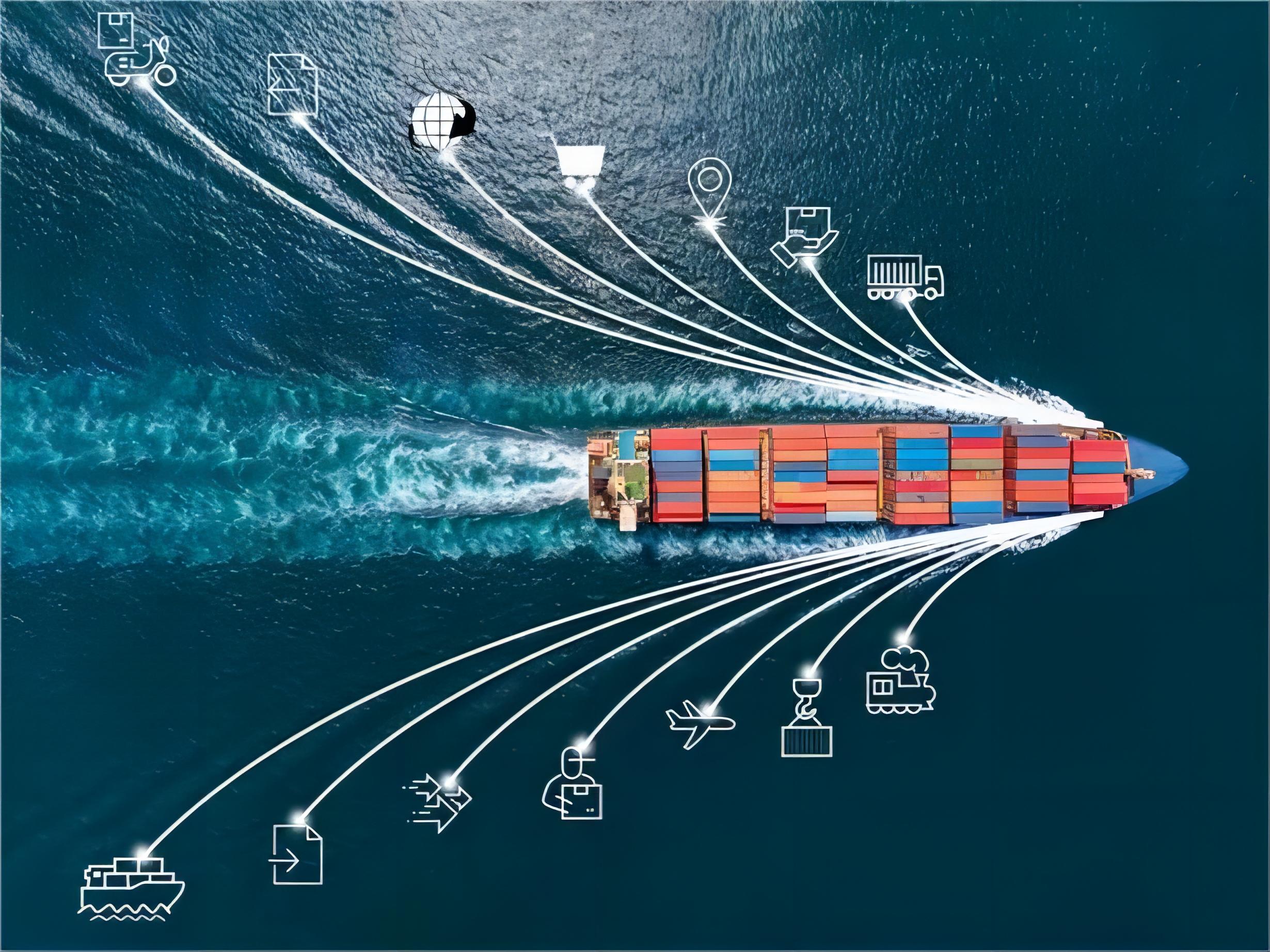
Why Choose Sea Freight for Your Toy Imports?
For businesses importing toys from China, sea freight often presents the most economical solution. It allows for the transportation of large volumes, significantly reducing the per-unit shipping cost. Consequently, this method is ideal for bulk toy shipments, helping maintain competitive retail pricing.
Furthermore, ocean shipping offers excellent capacity for oversized or heavy toy items that might be impractical for air transport. This method supports a stable and predictable supply chain, especially for non-urgent inventory replenishment. Therefore, many toy manufacturers and distributors rely on this shipping method.
Benefits of Ocean Shipping for Toys
Indeed, the primary advantage of sea freight is its cost-effectiveness for large quantities. Businesses can achieve substantial savings compared to air cargo, particularly for heavy or bulky toy products. This makes it a preferred choice for managing large-scale inventory.
Moreover, sea freight offers superior capacity, allowing for the shipment of entire container loads of toys. This reduces the risk of damage often associated with multiple handling points. Consequently, it provides a secure and reliable option for valuable toy shipments.
Considerations for Toy Products
However, transit times for toys sea freight from China are considerably longer than air freight. Planning ahead is crucial to accommodate these extended delivery schedules, especially during peak seasons. Therefore, careful inventory management is essential for successful toy imports.
Additionally, the nature of toy products, including potential hazardous materials like batteries or specific plastics, requires adherence to international shipping regulations. Proper documentation and packaging are paramount. Thus, working with an experienced freight forwarder is highly recommended.
Understanding Toys Sea Freight from China: Key Concepts
Navigating the world of international shipping requires familiarity with several core concepts. Understanding these terms helps importers make informed decisions about their toys sea freight from China. This knowledge empowers businesses to choose the best service for their specific needs.
Moreover, proper classification of your toy products is vital for customs clearance and accurate freight calculations. Familiarity with Incoterms also defines responsibilities between buyer and seller. Therefore, a solid grasp of these fundamentals is indispensable.
FCL vs. LCL for Toys
For large volumes of toys, Full Container Load (FCL) shipping is often the most efficient option. Your goods occupy an entire container, offering better security and faster transit times. This method is generally more cost-effective when your shipment exceeds 15-20 CBM.
Conversely, Less than Container Load (LCL) is suitable for smaller toy shipments that do not fill a whole container. Your cargo shares space with other shipments, which can be more economical for smaller quantities. However, LCL may involve longer transit times due to consolidation and deconsolidation processes.
Container Types for Toy Cargo
Standard dry containers, such as 20GP, 40GP, and 40HQ, are typically used for most toy products. Choosing the right size depends on the volume and dimensions of your toys. A 40HQ offers the most capacity for bulk toy shipping.
Nevertheless, specialized containers might be necessary for certain types of toys. For instance, open-top containers could be used for unusually tall items, while temperature-controlled containers are rarely needed unless the toys are highly sensitive. Consult your freight forwarder for specific requirements.
How Does Sea Freight Compare to Other Shipping Options?
When importing toys from China, businesses have several shipping methods at their disposal. Each option offers distinct advantages and disadvantages regarding cost, speed, and capacity. Understanding these differences is crucial for strategic decision-making in your supply chain.
Consequently, selecting the right mode of transport depends heavily on your budget, urgency, and the specific characteristics of your toy products. This comparative analysis helps identify the most suitable solution for your unique business needs. We consider all viable alternatives for shipping from China.
| Shipping Method | Cost Range (per kg/CBM) | Transit Time | Best For | Limitations |
|---|---|---|---|---|
| Sea Freight (FCL) | $30-$80/CBM | 12-45 days | Large volume, heavy, non-urgent, cost-sensitive toy imports | Long transit times, potential port delays |
| Sea Freight (LCL) | $50-$120/CBM | 20-55 days | Smaller volume toy imports (under 15 CBM), cost-sensitive | Longer transit, more handling, potential for delays |
| Air Freight | $5-$10/kg | 3-7 days | Urgent, high-value, low-volume toy samples or emergency stock | High cost, weight/volume restrictions, environmental impact |
| Rail Freight (to Europe) | $1.5-$3.5/kg | 15-25 days | Medium urgency, cost-effective for Europe-bound toy shipments | Limited routes (primarily Europe), not suitable for all destinations |
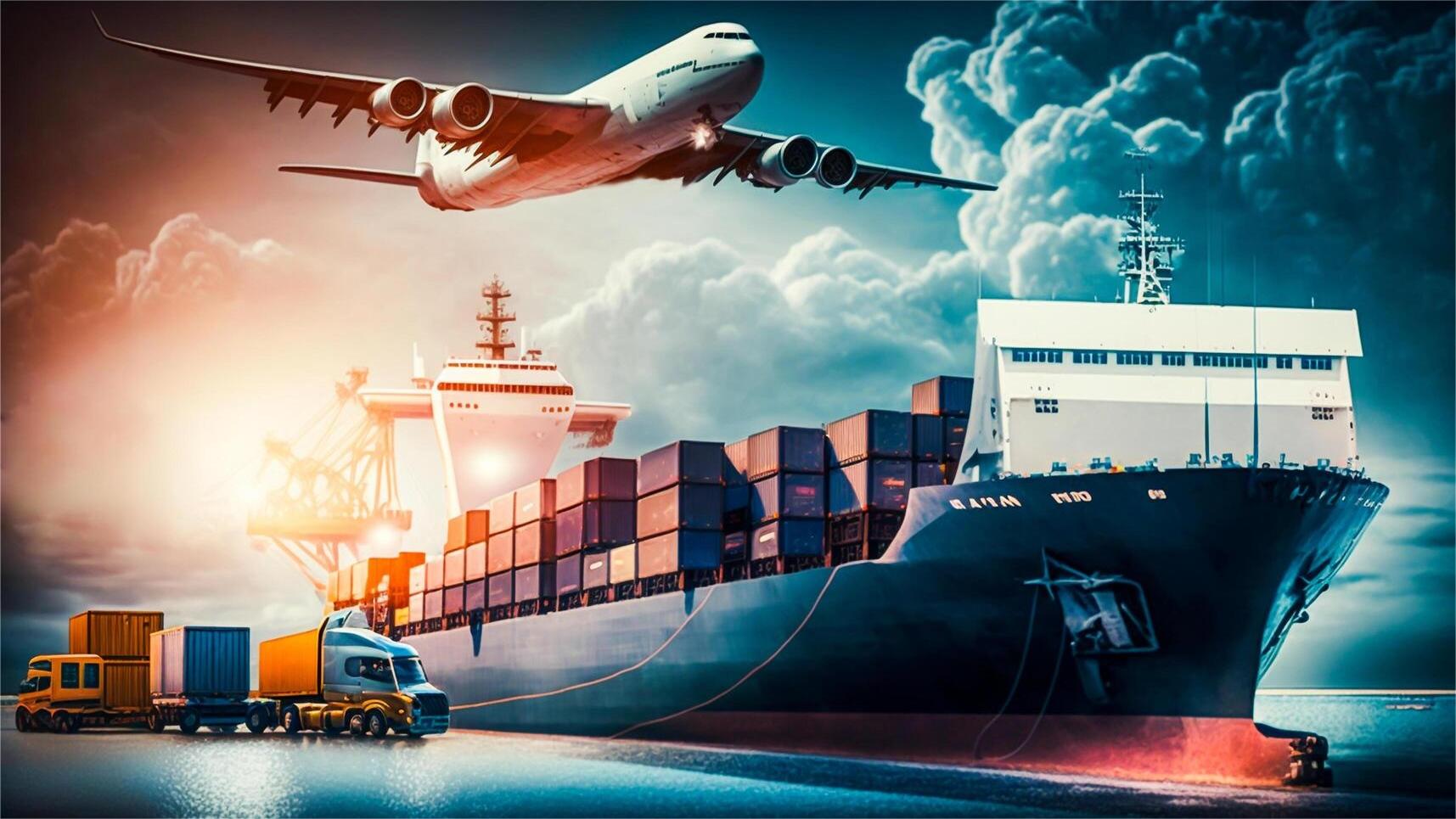
Air Freight Alternatives for Urgent Toy Shipments
While air freight is significantly faster, it is also considerably more expensive than sea freight. It is best reserved for high-value, low-volume toy items or urgent replenishment orders. Air cargo typically delivers within 3-7 days.
However, the cost difference can be substantial; for instance, shipping a similar volume of toys via air could be 5-10 times more expensive than by sea. Therefore, air freight is usually not viable for bulk toy shipping. This option is ideal for emergency stock or new product launches requiring speed.
Rail Freight for Specific Routes
Rail freight offers a middle ground between sea and air for routes connecting China to Europe. It is faster than sea freight and more cost-effective than air freight, with transit times around 15-20 days. This can be a strong contender for European toy importers.
Nevertheless, rail service is limited to specific continental routes and is not available for destinations like North America or Australia. It provides a good balance of speed and cost for certain markets. Therefore, consider rail if your destination is well-connected by the China-Europe railway.
Navigating Costs and Transit Times for Toy Shipments
Understanding the financial and temporal aspects of toys sea freight from China is paramount. Freight rates are influenced by numerous variables, making accurate cost estimation a complex task. Furthermore, transit times can vary significantly based on destination and current market conditions.
Therefore, gaining clarity on these factors allows businesses to budget effectively and manage customer expectations regarding delivery schedules. Market data suggests careful planning can lead to substantial savings. Always seek a detailed quote for your specific toy imports.
Factors Influencing Freight Rates
Several key factors dictate the overall cost of shipping toys from China. These include the volume and weight of the cargo, the chosen container type (FCL or LCL), and the specific port of loading and discharge. Origin and destination charges also contribute significantly.
Moreover, seasonal demand, fuel surcharges (Bunker Adjustment Factor – BAF), and currency fluctuations can impact freight rates. Peak seasons, typically from August to October, often see rate increases of 15-25% due to higher demand. Therefore, booking in advance can mitigate these spikes.
Note: Freight rates are subject to change based on fuel costs, carrier capacity, and seasonal demand. Contact us for a current quote tailored to your specific shipment.
Typical Transit Times to Major Markets
Transit times for toys sea freight vary widely depending on the destination country and specific port. Direct routes are generally faster but can be 10-15% more expensive. Transshipment via intermediate ports like Singapore or Port Klang might add 5-7 days.
For example, shipping toys from major Chinese ports like Shanghai or Ningbo to North America typically takes 14-35 days. Shipments to Europe can range from 28-38 days, while Australia usually sees transit times of 12-18 days. These are average durations, and delays can occur.
| Route | 20GP Cost (USD) | 40GP Cost (USD) | 40HQ Cost (USD) | Estimated Transit Time (days) |
|---|---|---|---|---|
| China Europe | $1,800-2,500 | $2,800-3,800 | $3,000-4,200 | 28-35 |
| China USA West Coast | $1,500-2,200 | $2,500-3,500 | $2,800-3,800 | 14-18 |
| China USA East Coast | $2,500-3,500 | $4,000-5,500 | $4,500-6,000 | 30-35 |
| China Australia | $800-1,200 | $1,200-1,800 | $1,400-2,000 | 12-18 |
| China UK | $2,000-2,800 | $3,200-4,200 | $3,500-4,500 | 30-38 |
Essential Documentation and Customs Clearance for Toys
Successful toys sea freight from China hinges on meticulous documentation and smooth customs clearance. Incorrect or incomplete paperwork can lead to significant delays and additional costs. Therefore, understanding the requirements is critical for any toy importer.
Moreover, toy products often face specific regulations related to safety and materials, which must be clearly addressed in the documentation. Proactive preparation prevents many common shipping hurdles. Consider engaging a professional for customs brokerage services.
Required Paperwork for Toy Imports
Key documents typically include the Commercial Invoice, Packing List, Bill of Lading, and Certificate of Origin. These papers provide essential details about the cargo, its value, and its journey. Ensuring their accuracy is paramount for efficient processing.
Additionally, depending on the destination country, you might need specific import permits or licenses. For example, some regions require a declaration of conformity for toy safety standards. Always verify the exact documentation requirements with your freight forwarder or customs broker.
Navigating Toy Safety Standards
Toy safety standards, such as EN71 in Europe or ASTM F963 in the USA, are stringent and require careful attention. Importers must ensure their products comply with these regulations before shipment. Non-compliance can result in seizure or refusal of entry.
Therefore, it is advisable to obtain relevant test reports and certificates from your Chinese suppliers. These documents prove that your toy products meet the necessary safety criteria. Partnering with a knowledgeable freight forwarder can help navigate these complex requirements for importing toys from China.
Real-World Success: Case Studies in Toys Sea Freight
Examining real-world examples helps illustrate the complexities and successful strategies involved in toys sea freight from China. These case studies highlight practical applications of different shipping methods and demonstrate how challenges are overcome. They provide valuable insights for your own import operations.
Indeed, each scenario underscores the importance of choosing the right logistics partner and understanding market dynamics. The following examples showcase diverse shipping requirements and solutions. These reflect typical rates as of early 2025, though prices always fluctuate.
Case Study 1: Bulk Toy Import to Europe
This case study demonstrates efficient bulk shipping for a major European toy distributor. The challenge was to deliver a large volume of plastic figurines before the holiday season. Optimizing container utilization was key to cost savings.
| Detail | Value |
|---|---|
| Route | Ningbo, China Hamburg, Germany |
| Cargo | Plastic figurines, 55 CBM, 15,000 kg |
| Container | 1 x 40HQ |
| Shipping Details | Carrier: Maersk; Port of Loading: Ningbo; Port of Discharge: Hamburg; Route Type: Direct |
| Cost Breakdown | Ocean Freight: $3,850; Origin Charges: $450; Destination Charges: $550; Customs & Duties (estimated): $1,200; Total Landed Cost: $6,050 |
| Timeline | Booking to Loading: 7 days; Sea Transit: 30 days; Customs Clearance: 3 days; Total Door-to-Door: 40 days |
| Key Insight | Early booking in Q3 avoided peak season surcharges. A direct route ensured quicker delivery for seasonal stock. Based on Q4 2024 market rates. |
Case Study 2: Seasonal Toy Delivery to North America
A small US-based online retailer needed to import a mix of plush toys and board games for their Q4 sales. The goal was to balance cost and a reasonable transit time. LCL was chosen due to the moderate volume.
| Detail | Value |
|---|---|
| Route | Shenzhen, China Los Angeles, USA |
| Cargo | Plush toys & board games, 10 CBM, 2,500 kg |
| Container | LCL 10 CBM |
| Shipping Details | Carrier: COSCO (consolidated); Port of Loading: Shenzhen; Port of Discharge: Los Angeles; Route Type: Transshipment via Busan |
| Cost Breakdown | Ocean Freight: $1,100; Origin Charges: $300; Destination Charges: $400; Customs & Duties (estimated): $450; Total Landed Cost: $2,250 |
| Timeline | Booking to Loading: 10 days; Sea Transit: 20 days; Customs Clearance: 4 days; Total Door-to-Door: 38 days |
| Key Insight | Utilizing LCL kept costs down for a smaller shipment, but transshipment added a few days. Effective communication with supplier and forwarder was vital. Typical rates as of early 2025. |
Case Study 3: Small Business Toy Import to Australia
An Australian boutique toy store regularly imports unique wooden toys. They prioritize reliability and door-to-door convenience for their consistent, smaller volume orders. Door to Door service was essential.
| Detail | Value |
|---|---|
| Route | Shanghai, China Sydney, Australia |
| Cargo | Wooden educational toys, 6 CBM, 1,000 kg |
| Container | LCL 6 CBM |
| Shipping Details | Carrier: MSC (consolidated); Port of Loading: Shanghai; Port of Discharge: Sydney; Route Type: Direct |
| Cost Breakdown | Ocean Freight: $720; Origin Charges: $250; Destination Charges: $350; Customs & Duties (estimated): $300; Total Landed Cost: $1,620 |
| Timeline | Booking to Loading: 5 days; Sea Transit: 15 days; Customs Clearance: 2 days; Total Door-to-Door: 25 days |
| Key Insight | Consistent small orders benefit from LCL and a reliable direct route. Streamlined Amazon FBA preparation and delivery support simplified logistics. Based on Q1 2025 market rates. |
Which Option Should You Choose for Your Toy Business?
Deciding on the best shipping method for your toy imports requires a strategic approach. It depends on several critical factors unique to your business and product. Evaluating these aspects will guide you toward the most efficient and cost-effective solution for toys sea freight from China.
Therefore, consider your priorities carefully before making a final choice. A clear understanding of your needs will prevent unnecessary expenses and delays. Ultimately, the right choice supports a robust and responsive supply chain for your toy business.
Budget Priority
If cost savings are your utmost priority, particularly for bulk toy products, sea freight is unequivocally the best option. LCL is ideal for smaller, non-urgent shipments, while FCL offers superior per-unit cost for larger volumes.
Consider optimizing container space and consolidating multiple suppliers to further reduce expenses. Moreover, factor in all associated costs, including origin and destination charges, to get a true landed cost. This holistic view ensures optimal budget management.
Speed Priority
For urgent toy shipments, such as new product launches or critical stock replenishment, air freight is the fastest solution. However, be prepared for significantly higher costs. This method is suitable when speed outweighs budget concerns.
Alternatively, for European destinations, rail freight provides a faster option than sea freight at a more moderate cost. Evaluate the urgency of your toy delivery schedule against the associated shipping expenses. Remember, faster shipping directly impacts profitability for time-sensitive items.
Cargo Type and Volume
The type and volume of your toy cargo greatly influence the best shipping choice. Heavy, bulky items are always more economical via sea freight. Small, lightweight, high-value items might justify air freight due to their low volumetric weight.
Furthermore, for volumes under 15 CBM, LCL sea freight is often more economical than FCL. For larger volumes, a full container ensures better security and potentially faster customs processing. Proper cargo handling also depends on the chosen method.
Optimizing Your Toy Supply Chain from China
A well-optimized supply chain is crucial for the success of any toy business importing from China. This involves more than just selecting a shipping method; it encompasses strategic planning, risk management, and effective communication. Furthermore, continuous improvement in logistics trends is key.
Indeed, focusing on efficiency and reliability can significantly impact your bottom line and customer satisfaction. Implementing best practices ensures smooth operations from the factory floor to the customer’s hands. Therefore, investing in robust logistics solutions is a smart business move.
Choosing a Reliable Freight Forwarder
Partnering with an experienced freight forwarder is perhaps the most critical step in successful toys sea freight from China. A good forwarder handles everything from booking space to customs clearance and final delivery. They act as your logistics arm.
Moreover, they can advise on optimal routes, consolidate shipments, and navigate complex regulations. Look for a partner with a strong track record in toy imports and transparent communication. A reliable forwarder ensures peace of mind and reduces operational burdens.
Leveraging Technology for Logistics
Modern logistics benefits immensely from technological advancements. Tracking systems, digital documentation, and online booking platforms enhance transparency and efficiency. These tools provide real-time updates on your toy shipments.
Furthermore, utilizing data analytics can help predict shipping trends and optimize delivery schedules. Adopting these technologies ensures a more agile and responsive supply chain. This ultimately leads to better inventory management and reduced lead times for your toy products.
Your Partner for Seamless Toys Sea Freight from China
In conclusion, mastering toys sea freight from China is essential for any business looking to import toy products efficiently and affordably. By understanding the nuances of FCL vs. LCL, navigating costs and transit times, and ensuring proper documentation, you can build a robust supply chain. Therefore, strategic planning is paramount.
Partnering with an experienced freight forwarder like <a href=”https://chinatopfreight.com/”>China Top Freight</a> simplifies this complex process. We provide comprehensive solutions, from port to door, ensuring your toy imports arrive safely and on schedule. Let us help you optimize your logistics and achieve greater success in your toy business.
Get Your Shipping Quote Today
Ready to streamline your toys sea freight from China? Contact us today for a personalized quote and expert guidance. Our team is dedicated to providing efficient and cost-effective shipping solutions tailored to your specific toy import needs. Get a quote and let us handle your logistics.
Request Quote