

Seamless China FCL Container Loading Service to Sweden
Shipping full container loads (FCL) from China to Sweden demands precise planning and efficient execution. Businesses importing goods into Sweden constantly seek ways to optimize their logistics and supply chain. This comprehensive guide explores the China FCL container loading service to Sweden, offering solutions to streamline your import process and ensure timely, cost-effective cargo delivery. We will delve into key considerations, operational procedures, and valuable strategies for your shipments.
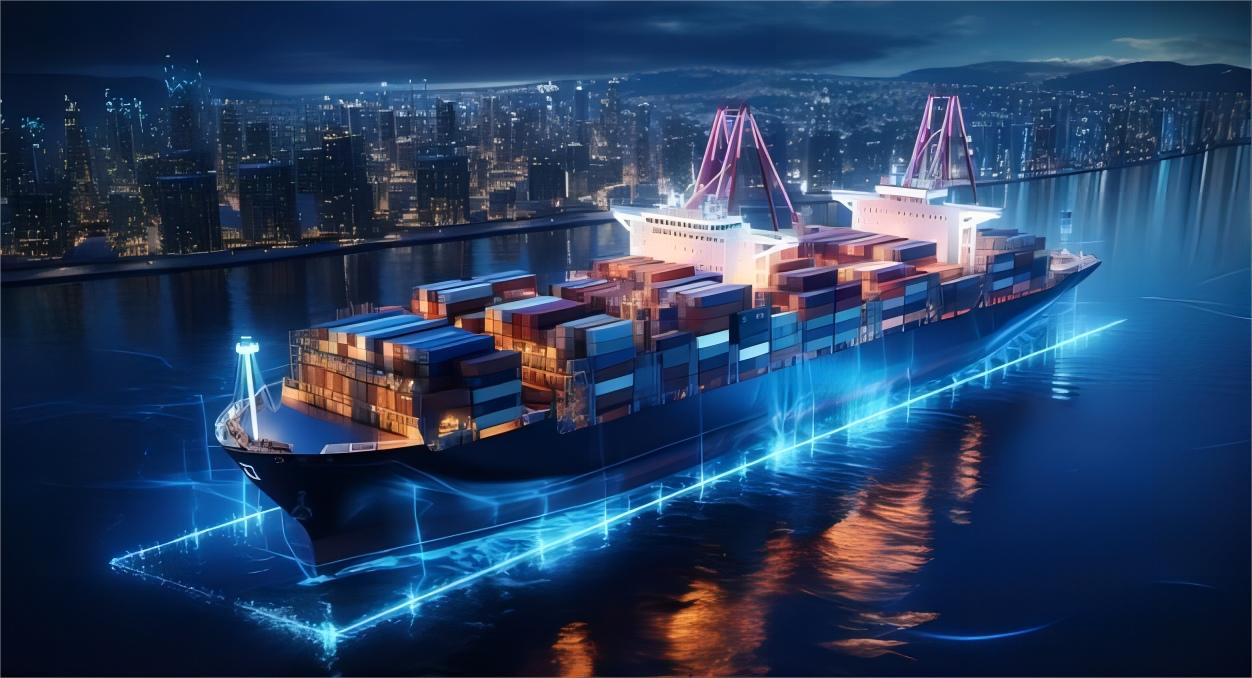
What is China FCL Container Loading Service to Sweden?
Full Container Load (FCL) shipping involves reserving an entire container exclusively for your cargo. This method is ideal for larger shipments that can fill a 20-foot or 40-foot container. Consequently, it provides dedicated space, minimizing handling and potential damage.
Specifically, a China FCL container loading service to Sweden means your goods are loaded in China, transported by sea, and then delivered to your specified location in Sweden. This end-to-end service encompasses all necessary steps from origin to destination. Therefore, it offers a streamlined solution for international trade.
In contrast to Less than Container Load (LCL), FCL shipments are not consolidated with other shippers’ goods. This directly results in faster transit times and enhanced security for your valuable cargo. Moreover, FCL shipping is often more cost-effective for high-volume imports.
Why Choose FCL for Your Shipments to Sweden?
Opting for FCL shipping presents several significant advantages for businesses importing from China to Sweden. Primarily, it offers superior security because your cargo remains sealed within its container from origin to destination. This minimizes tampering risks and provides greater peace of mind.
Furthermore, FCL shipments typically experience faster transit times compared to LCL. Since there is no need for consolidation or deconsolidation at various ports, vessels can proceed directly to the destination. As a result, your goods reach Sweden more quickly, improving inventory turnover.
For larger volumes, FCL proves to be more cost-efficient per unit. Although the upfront cost might seem higher than LCL, the overall per-unit cost decreases significantly as you fill the container. Therefore, businesses with substantial cargo volumes benefit greatly from this economic scale.
Indeed, FCL is particularly suitable for fragile, high-value, or time-sensitive goods. The reduced handling and direct transit protect your products from potential damage. This makes it an excellent choice for a wide range of industries, from electronics to machinery.
The FCL Shipping Process from China to Sweden
The FCL shipping process from China to Sweden involves several critical stages, each requiring careful attention. Initially, it begins with booking your container and arranging for cargo pickup from your supplier’s factory in China. This initial step sets the entire logistical chain in motion.
Subsequently, the container is transported to the port of loading, such as Shanghai, Ningbo, or Shenzhen. Here, your goods undergo inspection and are loaded securely into the chosen container type (20GP, 40GP, or 40HQ). Proper loading techniques are essential for cargo safety.
Following loading, the necessary export customs clearance procedures are completed in China. This involves submitting accurate documentation and complying with all local regulations. After clearance, the container is loaded onto a vessel bound for Sweden.
Upon arrival at a Swedish port, typically Gothenburg, the container undergoes import customs clearance. This crucial step requires precise documentation and adherence to Swedish import laws. Our customs brokerage services can significantly simplify this complex process.
Finally, after successful clearance, the container is discharged from the vessel and transported by truck or rail to your final delivery address in Sweden. This entire process, therefore, ensures a complete door-to-door solution for your FCL shipment.
How Does China FCL Container Loading Service Compare to Other Shipping Options?
When planning your shipments from China to Sweden, understanding the various shipping methods is paramount. While China FCL container loading service offers distinct advantages, other options like Less than Container Load (LCL), air freight, and even rail freight present different trade-offs. Each method suits specific cargo types, budgets, and urgency requirements.
For instance, sea freight, encompassing both FCL and LCL, remains the most common and economical choice for large volumes. However, its transit times are considerably longer than air freight. Conversely, air freight prioritizes speed but comes at a significantly higher cost.
Rail freight, while a viable option for some routes within Europe or Central Asia, is not a direct FCL solution from China to Sweden via a single rail line. While combined rail freight services might connect to European hubs, the final leg to Sweden for FCL generally still involves sea or road. Therefore, a direct FCL rail route to Sweden is not practical for most shippers.
Consider the comprehensive comparison table below, which outlines the key differences. This will assist you in making an informed decision based on your specific logistical needs. Ultimately, choosing the right method depends on balancing cost, speed, and cargo characteristics.
| Shipping Method | Cost Range (per 40HQ equivalent) | Transit Time (China-Sweden) | Best For | Limitations |
|---|---|---|---|---|
| FCL Sea Freight | $3,000-4,200 | 28-35 days | Large volumes, non-urgent, Cost-sensitive | Slower than air/rail |
| LCL Sea Freight | $50-80 per CBM | 35-45 days | Smaller volumes (under 15 CBM), Flexible | More handling, longer transit, less security |
| Air Freight | $15,000-25,000 (for 40HQ equivalent) | 5-7 days | Urgent, high-value, small volume | Very high cost, limited capacity for heavy/bulky |
| Rail Freight (Hybrid to Europe) | $8,000-12,000 (for 40HQ) | 18-25 days (to Central Europe) | Mid-sized, time-sensitive, specific routes | Not direct to Sweden, often requires transshipment |

Which Option Should You Choose?
Selecting the optimal shipping method hinges on your primary business priorities. If budget is your foremost concern and you have significant cargo volume, FCL sea freight is undeniably the most economical choice. It provides excellent value for money over longer distances.
However, if speed is critical for your product launch or urgent replenishment, air freight stands out as the fastest option. While more expensive, it significantly reduces lead times, which can be crucial for competitive markets.
Moreover, consider your cargo type; fragile or high-value goods often benefit from the reduced handling of FCL. For smaller, less urgent shipments, LCL sea freight offers a flexible and cost-effective alternative. Ultimately, a thorough assessment of your needs will guide the best decision.
Understanding FCL Shipping Costs and Transit Times to Sweden
The total cost of a China FCL container loading service to Sweden is influenced by several dynamic factors. These include fluctuating fuel surcharges, peak season demand, port congestion, and the specific container type (20GP, 40GP, 40HQ). Additionally, origin and destination charges, along with customs duties, contribute significantly to the overall expense.
As of Q1 2025, freight rates from China to Europe have generally stabilized following the disruptions experienced in 2024. However, rates typically increase 15-25% during the August-October peak season due to higher demand. Therefore, planning your shipments to avoid these periods can lead to substantial savings.
Typical transit times for FCL sea freight from major Chinese ports like Shanghai, Ningbo, or Shenzhen to Gothenburg, Sweden, range from 28 to 35 days. This duration can vary based on the specific carrier, vessel schedule, and whether the route involves direct sailing or transshipment through other European hubs.
It is crucial to remember that these transit times only account for the ocean journey. You must also factor in additional time for cargo pickup, export customs clearance in China, and import customs clearance and final delivery in Sweden. Consequently, the total door-to-door timeline can extend to 35-45 days.
Disclaimer: Freight rates are subject to change based on fuel costs, carrier capacity, and seasonal demand. Contact us for a current quote tailored to your specific shipment.
Case Studies: Successful FCL Shipments to Sweden
Case Study 1: Furniture Importer’s Seasonal Rush
This case illustrates how careful planning and carrier selection can mitigate peak season challenges for a China FCL container loading service to Sweden.
| Detail | Description |
|---|---|
| Route | Ningbo, China -> Gothenburg, Sweden |
| Cargo | Flat-pack furniture components, 58 CBM, 15,000 kg |
| Container | 40HQ |
| Shipping Details | Carrier: COSCO, Port of Loading: Ningbo, Port of Discharge: Gothenburg, Route Type: Direct |
| Cost Breakdown | Ocean Freight: $3,850 (Q3 2024 peak), Origin Charges (THC, documentation): $500, Destination Charges: $750, Customs & Duties (estimated): $1,200, Total Landed Cost: $6,300 |
| Timeline | Booking to Loading: 6 days, Sea Transit: 32 days, Customs Clearance: 4 days, Total Door-to-Door: 42 days |
| Key Insight | Booking well in advance during peak season secured space and minimized rate volatility, ensuring stock for holiday sales. |

Case Study 2: Electronics Manufacturer’s Expansion
This example demonstrates efficient FCL shipping for high-value electronics, highlighting the importance of secure transit and timely delivery for a new market.
| Detail | Description |
|---|---|
| Route | Shenzhen, China -> Stockholm, Sweden |
| Cargo | Consumer electronics (boxed), 25 CBM, 7,000 kg |
| Container | 20GP |
| Shipping Details | Carrier: MSC, Port of Loading: Shenzhen, Port of Discharge: Stockholm (via transshipment in Hamburg), Route Type: Transshipment |
| Cost Breakdown | Ocean Freight: $2,500 (Early 2025), Origin Charges (THC, documentation): $400, Destination Charges: $650, Customs & Duties (estimated): $1,000, Total Landed Cost: $4,550 |
| Timeline | Booking to Loading: 4 days, Sea Transit: 38 days, Customs Clearance: 3 days, Total Door-to-Door: 45 days |
| Key Insight | Opting for a slightly longer transshipment route provided cost savings without significantly impacting the overall project timeline. |
Case Study 3: Industrial Machinery Project
This case highlights the complexities of shipping heavy industrial machinery via FCL, emphasizing careful cargo handling and precise documentation.
| Detail | Description |
|---|---|
| Route | Qingdao, China -> Malmo, Sweden |
| Cargo | Industrial CNC machine, 32 CBM, 12,000 kg |
| Container | 40GP (Open Top for loading) |
| Shipping Details | Carrier: CMA CGM, Port of Loading: Qingdao, Port of Discharge: Malmo, Route Type: Direct |
| Cost Breakdown | Ocean Freight: $4,100 (Q4 2024), Origin Charges (THC, documentation, special equipment): $800, Destination Charges: $900, Customs & Duties (estimated): $1,500, Total Landed Cost: $7,300 |
| Timeline | Booking to Loading: 7 days, Sea Transit: 30 days, Customs Clearance: 5 days, Total Door-to-Door: 42 days |
| Key Insight | Specialized container choice (Open Top) and detailed cargo securing plans were crucial for safe transport of oversized machinery. |
Navigating Customs and Documentation for Sweden Imports
Successful import of your FCL container to Sweden heavily relies on accurate and complete documentation. Incorrect paperwork can lead to significant delays, fines, and even cargo abandonment. Therefore, meticulous preparation is non-negotiable for a smooth process.
Essential documents typically include the Bill of Lading (BoL), Commercial Invoice, Packing List, and Certificate of Origin. The BoL acts as a contract of carriage and title to the goods. Meanwhile, the Commercial Invoice details the transaction value and terms.
Furthermore, a precise Packing List outlines the contents of each package within the container, which is vital for customs inspections. The Certificate of Origin confirms the manufacturing country, impacting potential tariffs and trade agreements. Ensuring all these documents align perfectly is key.
Engaging a knowledgeable freight forwarder for your China FCL container loading service to Sweden significantly simplifies these complexities. They can guide you through specific Swedish import regulations, ensure proper tariff classification, and handle all submissions to customs authorities. This expertise is invaluable.
Optimizing Your China FCL Supply Chain to Sweden
Optimizing your FCL supply chain from China to Sweden extends beyond just booking a container. Strategic planning can lead to substantial cost savings and improved efficiency. For instance, consolidating orders from multiple Chinese suppliers into a single FCL shipment can dramatically reduce per-unit shipping costs.
Consider implementing a robust warehousing strategy, both at origin and destination, to manage inventory effectively. This allows for flexible loading schedules in China and efficient distribution upon arrival in Sweden. Consequently, it minimizes potential demurrage charges at ports.
Furthermore, exploring door-to-door FCL services offers unparalleled convenience. This comprehensive solution handles every aspect, from factory pickup in China to final delivery in Sweden, including all customs formalities. It simplifies logistics for importers significantly.
Choosing a reliable logistics partner with extensive experience in China-Sweden routes is paramount. An expert freight forwarder can provide real-time tracking, proactive communication, and solutions to unforeseen challenges. Ultimately, this partnership ensures your China FCL container loading service to Sweden operates seamlessly.
Conclusion: Mastering Your China FCL Shipments to Sweden
Successfully managing a China FCL container loading service to Sweden requires a comprehensive understanding of logistics, regulations, and market dynamics. By choosing FCL, businesses benefit from enhanced security, faster transit for large volumes, and significant cost efficiencies. Navigating the complexities of customs, documentation, and carrier selection is crucial for a smooth operation.
Understanding the trade-offs between FCL, LCL, and air freight allows importers to make informed decisions tailored to their specific needs and priorities. Moreover, leveraging the expertise of a professional freight forwarder can transform potential logistical hurdles into seamless processes. This ensures your supply chain remains robust and responsive.
Ultimately, a well-executed China FCL container loading service to Sweden is a cornerstone of efficient international trade. Partnering with experienced logistics providers ensures your goods arrive safely, on time, and within budget, supporting your business growth in the competitive Swedish market.
Start Your Shipment
Ready to streamline your imports? Contact us today to discuss your China FCL container loading service to Sweden requirements and receive a personalized, competitive quote. Our team of experts is prepared to optimize your shipping strategy and ensure a smooth, efficient delivery process.
Request Quote