

40HQ FCL Sailing Schedule for Auto Parts: China to Germany
Shipping auto parts from China to Germany demands precision and efficiency. A reliable 40HQ FCL sailing schedule is indeed crucial for maintaining a seamless supply chain. This comprehensive guide from China Top Freight will help you navigate the complexities, ensuring timely and cost-effective delivery.
Why is a Reliable 40HQ FCL Sailing Schedule Critical for Auto Parts?
Maintaining a consistent inventory of auto parts is paramount for manufacturers and distributors alike. Delays in the 40HQ FCL sailing schedule for auto parts from China to Germany can significantly disrupt production lines. Consequently, this leads to increased costs and potential loss of market share.
Therefore, understanding and optimizing your shipping schedule is not merely a logistical task. It represents a strategic advantage. Efficient planning ensures that crucial components arrive exactly when needed, supporting just-in-time inventory management.
Understanding 40HQ FCL Shipping from China to Germany
FCL, or Full Container Load, means your goods occupy an entire shipping container. A 40HQ container, specifically, offers maximum capacity for bulkier items like auto parts. This option is generally more cost-effective for larger volumes, reducing per-unit shipping costs significantly.
Furthermore, using a dedicated container minimizes handling and potential damage to your valuable cargo. This method also provides better control over transit times and delivery schedules. For robust sea freight solutions, FCL remains the preferred choice for many businesses.
Key Ports and Routes for China-Germany Shipments
Major Chinese ports like Shanghai, Ningbo, and Shenzhen are primary loading points for shipments to Germany. These ports offer extensive connections and frequent sailing schedules. Conversely, Hamburg and Bremerhaven are Germany’s main receiving ports, equipped to handle large volumes of cargo.
Most routes involve direct services or minimal transshipment, usually through major hubs like Singapore or Port Klang. Direct routes, however, often offer quicker transit times. Consequently, they are preferred for time-sensitive auto parts deliveries to Europe.
Navigating the 40HQ FCL Sailing Schedule: What to Expect?
Several factors influence the 40HQ FCL sailing schedule from China to Germany. Seasonal demand, especially during peak shipping seasons like August to October, can lead to increased freight rates and potential delays. Additionally, unforeseen circumstances such as port congestion, adverse weather, or global events impact schedules.
Therefore, proactive planning and booking in advance are essential strategies. Staying informed about current logistics trends and potential disruptions helps mitigate risks. This approach ensures a smoother shipping process for your critical auto parts.
Typical Transit Times and Factors Influencing Them
The average sea transit time for a 40HQ FCL from China to Germany typically ranges between 28 to 35 days. This duration can vary based on the specific origin and destination ports, the chosen shipping line, and whether the service is direct or involves transshipment. Faster services often come at a premium.
Moreover, the vessel’s speed, route efficiency, and port turnaround times also play significant roles. For example, a direct service from Shanghai to Hamburg will generally be faster than one with intermediate stops. Always factor in potential customs clearance time upon arrival in Germany.
| Origin Port (China) | Destination Port (Germany) | Typical Transit Time (Days) | Frequency |
|---|---|---|---|
| Shanghai | Hamburg | 28-32 | Weekly |
| Ningbo | Bremerhaven | 30-34 | Weekly |
| Shenzhen | Hamburg | 32-35 | Weekly |
| Qingdao | Bremerhaven | 30-35 | Weekly |
How Does 40HQ FCL Compare to Other Shipping Options?
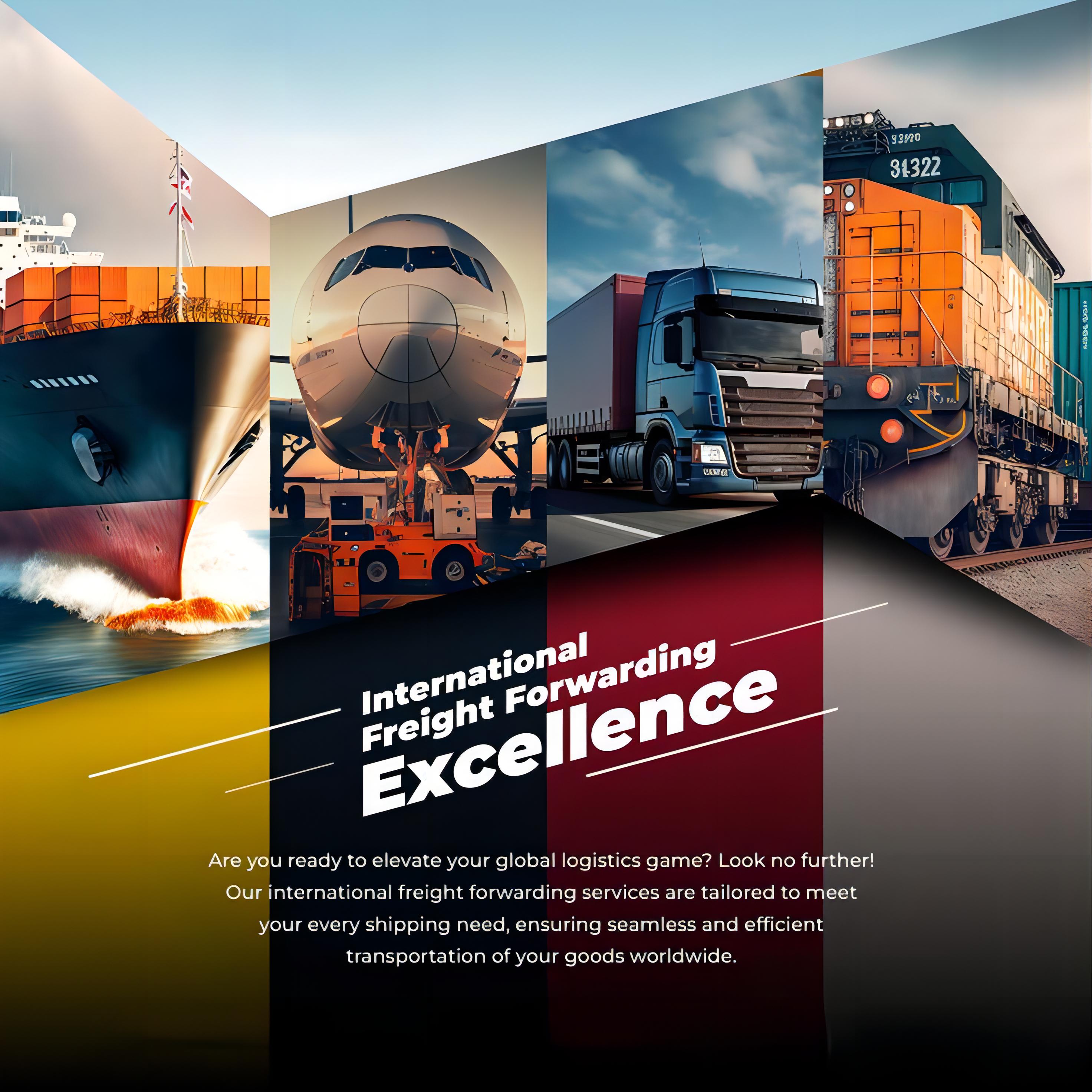
While 40HQ FCL is ideal for large volumes of auto parts, other shipping methods offer distinct advantages depending on your specific needs. Evaluating alternatives like LCL, air freight, or rail freight is crucial for an optimized supply chain strategy. Each method presents unique trade-offs in terms of cost, speed, and capacity.
For example, LCL (Less than Container Load) is suitable for smaller shipments that do not fill an entire 40HQ container. However, it involves more handling and potentially longer transit times due to consolidation and deconsolidation processes. Understanding these differences helps in making informed decisions for your `shipping auto parts from China to Germany`.
| Shipping Method | Cost Range (40HQ equivalent) | Transit Time (China-Germany) | Best For | Limitations |
|---|---|---|---|---|
| 40HQ FCL Sea Freight | $3,000-4,200 | 28-35 days | Large volume, non-urgent, cost-effective | Slowest transit time |
| LCL Sea Freight | $50-80/CBM (cost per CBM) | 35-45 days | Smaller volumes (under 15 CBM), flexible | More handling, longer transit, less control |
| Rail Freight | $8,000-12,000 | 15-20 days | Medium urgency, balanced cost/speed, inland delivery | Limited capacity, specific rail terminals |
| Air Freight | $15,000-25,000 (for equivalent volume) | 3-7 days | Urgent, high-value, small volume, time-critical | Highest cost, volume/weight restrictions |
Which Option Should You Choose for Your Auto Parts?
Your decision framework should prioritize budget, speed, and cargo type. If budget is paramount and you have large volumes, 40HQ FCL sea freight is undoubtedly the most economical. Conversely, for urgent, high-value auto parts, air freight offers unparalleled speed, albeit at a significantly higher cost.
For a balance between cost and speed, especially for inland European destinations, rail freight from China to Germany can be a viable hybrid solution. Rail typically takes 15-20 days, faster than sea but much cheaper than air. Consider cargo type: fragile items might benefit from less handling in FCL, while small, lightweight items could go LCL or air. Volume thresholds for switching methods are critical: generally, above 15-20 CBM favors FCL.
Essential Documentation and Customs Clearance for Auto Parts
Proper documentation is indispensable for smooth customs clearance of auto parts in Germany. Required documents typically include the Commercial Invoice, Packing List, Bill of Lading, and Certificate of Origin. Inaccurate or incomplete paperwork can lead to significant delays and penalties, impacting your delivery schedule.
Furthermore, auto parts may be subject to specific import regulations and tariffs in the EU. Engaging a professional customs brokerage service is highly recommended. They ensure compliance with all German and EU customs requirements, minimizing risks and expediting clearance. This expertise is vital for managing your `import/export` operations effectively.
Case Studies: Successful 40HQ FCL Shipments of Auto Parts
These real-world examples illustrate the practical application of efficient 40HQ FCL sailing schedules. They highlight how strategic planning and expert execution overcome common shipping challenges. Based on Q3 2024 market rates, these scenarios provide valuable insights into managing your `supply chain for auto parts`.
Indeed, each case demonstrates the importance of a tailored approach to logistics. Understanding specific cargo needs and route dynamics is crucial. These examples underscore the benefits of partnering with experienced freight forwarders.
Case Study 1: Large Volume Engine Components to Stuttgart
A German auto manufacturer needed a consistent supply of engine components for their assembly line. They opted for a regular 40HQ FCL service to manage their `optimizing ocean freight for auto parts` needs. This strategy provided predictability and cost efficiency for their high-volume requirements.
| Detail | Description |
|---|---|
| Route | Shanghai, China -> Stuttgart, Germany |
| Cargo | Engine blocks and cylinder heads, 65 CBM, 25,000 kg |
| Container | 40HQ |
| Shipping Details | Carrier: COSCO, Port of Loading: Shanghai, Port of Discharge: Hamburg, Route Type: Direct |
| Cost Breakdown | Ocean Freight: $3,800; Origin Charges: $450; Destination Charges: $380; Customs & Duties (est): $1,200; Total Landed Cost: $5,830 |
| Timeline | Booking to Loading: 5 days; Sea Transit: 30 days; Customs Clearance: 2 days; Total Door-to-Door: 38 days |
| Key Insight | Consistent direct service maintained production schedule, avoiding costly air freight alternatives. |
Case Study 2: Aftermarket Body Panels to Munich
An aftermarket auto parts distributor required a balanced approach for their bulky, yet relatively light, body panels. A 40HQ FCL was chosen for its optimal `container capacity` and cost-effectiveness. This ensured minimal damage during transit.
| Detail | Description |
|---|---|
| Route | Ningbo, China -> Munich, Germany |
| Cargo | Car body panels, bumpers, and fenders, 68 CBM, 8,000 kg |
| Container | 40HQ |
| Shipping Details | Carrier: Maersk, Port of Loading: Ningbo, Port of Discharge: Bremerhaven, Route Type: Direct |
| Cost Breakdown | Ocean Freight: $3,500; Origin Charges: $420; Destination Charges: $350; Customs & Duties (est): $950; Total Landed Cost: $5,220 |
| Timeline | Booking to Loading: 6 days; Sea Transit: 32 days; Customs Clearance: 3 days; Total Door-to-Door: 41 days |
| Key Insight | Strategic booking during off-peak season secured favorable `freight rates` and minimal delays. |
Case Study 3: Specialized Electronic Auto Components to Berlin (Door-to-Door)
A supplier of specialized electronic auto components needed a seamless, hassle-free shipping solution. They opted for a door to door 40HQ FCL service, managing every step from factory to warehouse. This approach simplified their `logistics trends` and reduced their operational burden.
| Detail | Description |
|---|---|
| Route | Shenzhen, China -> Berlin, Germany |
| Cargo | Electronic control units (ECUs), sensors, and wiring harnesses, 58 CBM, 15,000 kg |
| Container | 40HQ |
| Shipping Details | Carrier: Evergreen, Port of Loading: Shenzhen, Port of Discharge: Hamburg, Route Type: Transshipment via Singapore |
| Cost Breakdown | Ocean Freight: $4,000; Origin Charges: $500; Destination Charges: $400; Customs & Duties (est): $1,500; Total Landed Cost: $6,400 |
| Timeline | Booking to Loading: 7 days; Sea Transit: 35 days; Customs Clearance: 2 days; Total Door-to-Door: 45 days |
| Key Insight | Integrated `door-to-door shipping auto parts` service ensured end-to-end control and minimized client effort, despite a slightly longer transit time. |
Optimizing Your Auto Parts Supply Chain: Tips for Importers
Effective supply chain management extends beyond merely finding a good 40HQ FCL sailing schedule. Proactive measures can significantly enhance efficiency and cost-effectiveness. Consider implementing robust inventory forecasting to align with shipping schedules, thereby reducing warehousing costs.
Moreover, building strong relationships with reliable freight forwarders is invaluable. They can provide insights into `seasonal freight rate changes China Europe` and offer flexible solutions. Always review cargo insurance options to protect your valuable auto parts against unforeseen events during transit.
Ensuring Seamless Auto Parts Logistics from China to Germany
Securing a reliable 40HQ FCL sailing schedule for auto parts from China to Germany is fundamental for business success. This involves understanding transit times, navigating customs, and choosing the right shipping method. Proactive planning and expert partnership are indeed key.
Ultimately, an optimized `delivery schedule` ensures timely inventory, reduces costs, and strengthens your market position. We encourage you to reach out to our team. Let us help you master your `40HQ FCL sailing schedule for auto parts from China to Germany` with confidence.
Need a tailored shipping solution?
Ready to streamline your auto parts shipments from China to Germany? Contact China Top Freight today for a personalized 40HQ FCL sailing schedule. Our experts are here to provide competitive quotes and seamless logistics solutions tailored to your needs.