

40HQ FCL Transit Time for Textiles: China to Germany Shipping Guide
Navigating international logistics can be complex, especially when shipping large volumes of goods like textiles. Determining the precise 40HQ FCL transit time for textiles from China to Germany is crucial for efficient supply chain management. This comprehensive guide, brought to you by China Top Freight, will delve into the factors influencing these timelines, helping you plan your imports effectively.
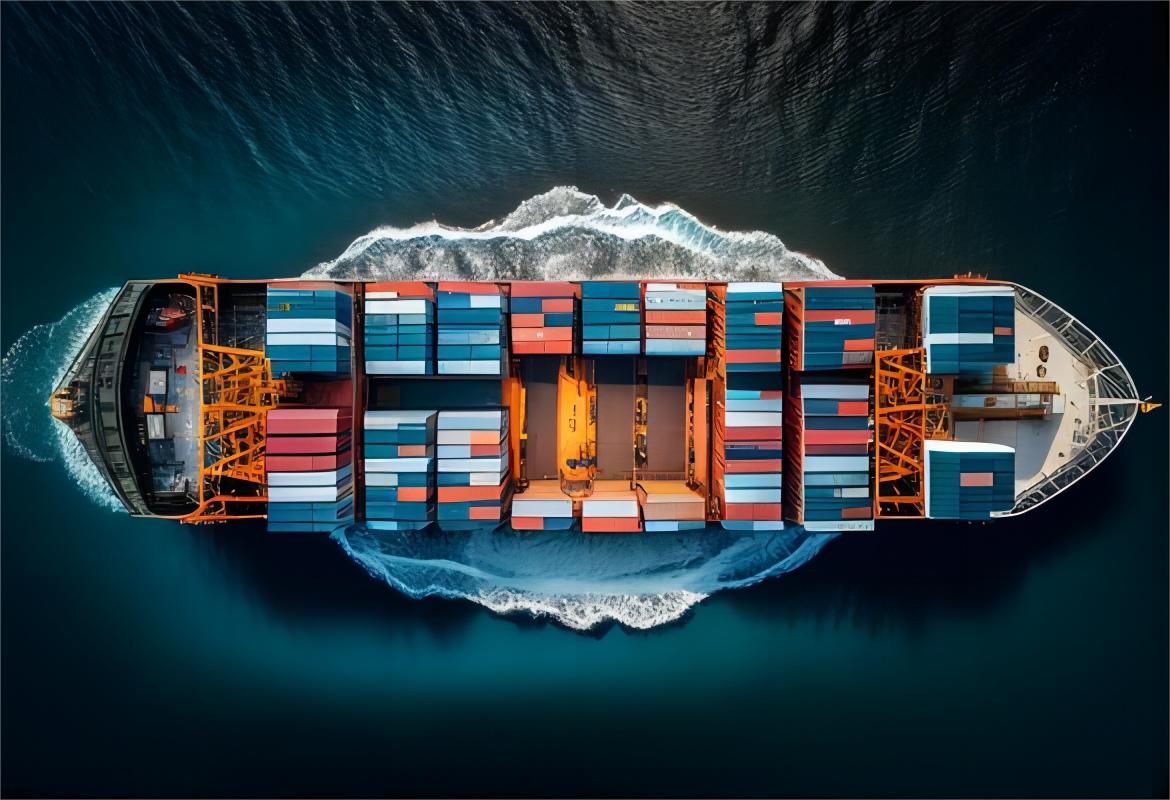
What is 40HQ FCL Shipping for Textiles?
Specifically, FCL stands for Full Container Load. This means your goods occupy an entire shipping container, providing dedicated space for your cargo. Consequently, FCL is highly recommended for larger shipments, ensuring better security and fewer handling risks.
Furthermore, a 40HQ refers to a 40-foot High Cube container. These containers offer increased vertical space compared to standard 40-foot containers, making them ideal for bulky items like textiles. Therefore, you can maximize your volume and reduce per-unit shipping costs.
Choosing 40HQ FCL for textiles offers distinct advantages. Firstly, it minimizes the risk of damage or contamination from other cargo, as your textiles are isolated. Secondly, it often leads to more predictable transit times, since there is no need for consolidation or deconsolidation with other shipments.
Typical 40HQ FCL Transit Time for Textiles from China to Germany
Generally, the port-to-port transit time for a 40HQ FCL textile shipment from major Chinese ports to Germany ranges from 28 to 38 days. However, this is an estimate and can fluctuate based on numerous factors. For instance, direct services are usually faster than routes involving transshipment.
Key ports of origin in China include Shanghai, Ningbo, and Shenzhen, which are major export hubs for textiles. Correspondingly, primary destination ports in Germany are Hamburg and Bremerhaven, both well-equipped to handle large container volumes. Therefore, your choice of ports significantly impacts the total transit duration.
Considerably, the overall door-to-door delivery schedule will extend beyond the port-to-port transit time. This includes crucial phases such as inland transportation in China, customs clearance at both ends, and final delivery within Germany. Consequently, planning for a total of 35-45 days from factory to warehouse is a more realistic expectation.
| Origin Port (China) | Destination Port (Germany) | Typical Transit Time (Days) | Notes |
|---|---|---|---|
| Shanghai | Hamburg | 30-35 | Often direct services |
| Ningbo | Bremerhaven | 32-37 | Good carrier options |
| Shenzhen | Hamburg | 28-33 | Fastest routes available |
| Qingdao | Bremerhaven | 33-38 | Northern China hub |
What Factors Influence Your 40HQ FCL Transit Time for Textiles?
Several critical elements collectively determine the final 40HQ FCL transit time for textiles from China to Germany. Understanding these factors allows for better planning and expectation management. Moreover, proactive measures can help mitigate potential delays.
Firstly, the specific shipping route and chosen carrier play a significant role. Direct services, for example, bypass intermediate ports, leading to faster transit times. Conversely, routes with transshipment via hubs like Singapore or Port Klang might add 5-10 days to the journey.
Secondly, port congestion at either the origin or destination can cause substantial delays. During peak seasons or unforeseen events, vessels might wait for days before docking and unloading. Therefore, monitoring port conditions is essential for accurate delivery schedule predictions.
Furthermore, customs clearance procedures in both China and Germany are vital steps. Incomplete or incorrect documentation can lead to significant hold-ups. Thankfully, professional customs brokerage services can expedite this process, ensuring compliance and smooth passage for your textile imports.
Seasonality also impacts shipping timelines and freight rates. For instance, the pre-Christmas peak season (August to October) and Chinese New Year periods often see increased demand and reduced capacity. Consequently, booking well in advance during these times is advisable to secure space and avoid delays.
Finally, unexpected weather conditions, such as typhoons or severe storms, can disrupt vessel schedules. While less frequent, these events can cause rerouting or port closures, thereby extending transit times. Therefore, building a buffer into your delivery schedule is always a prudent strategy.

How Do Shipping Costs Impact 40HQ FCL Textile Deliveries?
Understanding the cost structure of 40HQ FCL textile shipments is as important as knowing the transit time. Ultimately, shipping costs directly influence your landed cost and overall profitability. Thus, a clear breakdown helps in budgeting and strategic decision-making.
Ocean freight charges represent the largest component of total shipping costs. These rates fluctuate based on market demand, fuel prices, and carrier capacity. For example, a 40HQ container from China to Germany might cost between $3,000 and $4,200 for ocean freight, as of early 2025.
Additionally, various surcharges apply, including Bunker Adjustment Factor (BAF), Currency Adjustment Factor (CAF), and Peak Season Surcharges (PSS). Origin charges, such as Terminal Handling Charges (THC) and documentation fees, are also incurred in China. Similarly, destination charges cover THC and other local handling fees in Germany.
Import duties and taxes, specifically VAT in Germany, are also significant cost factors for textiles. These are calculated based on the declared value and HS codes of your goods. Therefore, accurate classification and declaration are paramount to avoid penalties and delays.
Note: Freight rates are subject to change based on fuel costs, carrier capacity, and seasonal demand. Contact us for a current quote tailored to your specific shipment. Moreover, utilizing services like door-to-door shipping can consolidate these costs into a single, transparent invoice.
Navigating Customs and Documentation for German Textile Imports
Effective customs clearance is a non-negotiable step for any international shipment, particularly for textiles entering Germany. Proper documentation ensures smooth passage and prevents costly delays. Consequently, preparation and accuracy are key for seamless import/export operations.
A comprehensive set of documents is required for customs procedures. These typically include the commercial invoice, packing list, bill of lading, and a certificate of origin. Furthermore, specific textile products may require additional certifications or licenses, depending on their composition or intended use.
Correctly identifying the Harmonized System (HS) codes for your textile products is absolutely critical. This classification determines the applicable duties and taxes. Therefore, consulting with an experienced freight forwarder or customs broker can prevent misclassification issues, which might lead to delays or unexpected costs.
Upon arrival in Germany, your shipment will undergo import customs clearance. This involves verifying documents, assessing duties, and ensuring compliance with EU regulations. Subsequently, any applicable VAT and import duties must be paid before your textiles can be released for onward delivery.
Utilizing a professional freight forwarder simplifies this complex process. They manage all necessary paperwork, liaise with customs authorities, and ensure adherence to all regulations. This expertise is invaluable for optimizing your textile supply chain and avoiding potential pitfalls.
Essential Customs Documents Checklist for Textiles
| Document | Purpose | Notes |
|---|---|---|
| Commercial Invoice | Details of goods, value, seller/buyer | Crucial for customs valuation |
| Packing List | Contents, weight, dimensions of packages | Aids in cargo handling and inspection |
| Bill of Lading (B/L) | Contract of carriage, title to goods | Issued by the carrier |
| Certificate of Origin | Country where goods were manufactured | May affect duty rates |
| Textile Composition Certificate | Details fabric materials | Required for specific textile types |

How Does 40HQ FCL Compare to Other Shipping Options for Textiles?
While 40HQ FCL sea freight is often the most economical choice for large textile volumes, it’s essential to consider alternative shipping methods. Each option presents different trade-offs in terms of speed, cost, and capacity. Therefore, selecting the right method depends on your specific supply chain priorities.
For smaller textile shipments, Less than Container Load (LCL) might be suitable. However, LCL typically involves longer transit times due to consolidation and deconsolidation processes. In contrast, FCL offers direct movement, reducing handling and transit time variability.
When speed is paramount, air freight provides the fastest transit, usually 3-7 days from China to Germany. Nevertheless, air freight costs are significantly higher, making it less viable for bulky or low-value textile goods. It’s best reserved for urgent or high-value fashion items.
Moreover, rail freight presents a compelling middle-ground option for shipping from China to Europe. Rail transit times are generally 18-25 days, faster than sea freight but more economical than air freight. This method is particularly efficient for inland German destinations, offering a reliable overland connection.
Hybrid solutions, such as sea-rail or sea-air, combine the benefits of different modes. For example, textiles can travel by sea to a European port, then by rail or air to the final destination. These approaches offer flexibility, balancing speed and cost for optimized textile logistics.
| Shipping Method | Cost Range (40HQ equivalent) | Transit Time (China to Germany) | Best For | Limitations |
|---|---|---|---|---|
| Sea Freight (FCL) | $3,000 – $4,200 | 28-38 days | Large volumes, cost-efficiency, non-urgent | Slowest, port congestion risks |
| Sea Freight (LCL) | $100 – $200 per CBM | 35-45 days | Small volumes, budget-conscious | Longer transit, more handling |
| Rail Freight | $8,000 – $12,000 | 18-25 days | Medium urgency, balanced cost/speed, inland delivery | Limited capacity, specific routes |
| Air Freight | $15,000 – $25,000+ | 3-7 days | Highest cost, volume/weight restrictions | Urgent, high-value, small volumes |
Optimizing Your Textile Supply Chain: Strategies and Tips
Achieving an efficient and resilient textile supply chain requires strategic planning and execution. Beyond merely understanding the 40HQ FCL transit time for textiles from China to Germany, proactive measures are vital. These strategies aim to reduce costs, mitigate risks, and enhance delivery schedules.
Firstly, establishing strong relationships with reliable suppliers and freight forwarders is paramount. A trusted logistics partner like China Top Freight can offer invaluable insights and proactive solutions. They help navigate complexities from origin to destination.
Secondly, consider consolidating orders to maximize container utilization. If you have multiple smaller orders from different suppliers, coordinating their readiness allows for a single FCL shipment. This approach significantly reduces per-unit shipping costs and simplifies logistics management.
Furthermore, leveraging technology for real-time tracking and visibility is increasingly important. Modern logistics platforms provide updates on vessel positions, customs status, and estimated arrival times. Consequently, this enhances transparency and allows for quicker responses to any unforeseen issues.
Finally, always build a contingency plan into your supply chain. Unexpected events, such as port strikes or natural disasters, can disrupt even the best-laid plans. Therefore, having alternative shipping methods or buffer inventory can prevent significant business interruptions.
Which Option Should You Choose for Your Textile Shipments?
Your ideal shipping solution depends on a careful assessment of your business priorities. Consider these decision criteria to make an informed choice. Ultimately, aligning your logistics strategy with your operational needs is key.
Budget Priority: If cost-efficiency is your primary concern, FCL sea freight is almost always the most economical option for large textile volumes. LCL can be considered for smaller, less urgent shipments.
Speed Priority: For time-sensitive textile collections or urgent replenishments, air freight is the undisputed champion. Rail freight offers a good balance if air freight is too costly but sea freight is too slow.
Cargo Type Considerations: Fragile or high-value textiles benefit from the dedicated space and reduced handling of FCL. Bulky items like rolls of fabric are also best suited for 40HQ containers.
Volume Thresholds: Generally, if your textile shipment exceeds 15-20 CBM, an FCL 20GP or 40HQ container becomes more cost-effective than LCL. A 40HQ is ideal for maximizing volume up to 67 CBM.

Real-World Case Studies: 40HQ FCL Textile Shipments to Germany
Examining real-world scenarios provides practical insights into the complexities and solutions involved in shipping textiles. These case studies highlight typical challenges and successful strategies. They illustrate the practical application of understanding 40HQ FCL transit time for textiles from China to Germany.
Based on Q3 2024 market rates, these examples reflect common shipping experiences. They offer a tangible perspective on costs, timelines, and the factors that influence them. Therefore, these insights can help inform your own logistics planning.
Case Study 1: Large Volume Apparel Shipment
| Detail | Value |
|---|---|
| Route | Shanghai, China Hamburg, Germany |
| Cargo | Finished Apparel (T-shirts, Jeans), 60 CBM, 9,000 kg |
| Container | 40HQ FCL |
| Shipping Details – Carrier/Service | COSCO |
| Shipping Details – Port of Loading | Shanghai |
| Shipping Details – Port of Discharge | Hamburg |
| Shipping Details – Route Type | Direct |
| Cost Breakdown – Ocean Freight | $3,850 |
| Cost Breakdown – Origin Charges (THC, documentation) | $450 |
| Cost Breakdown – Destination Charges | $300 |
| Cost Breakdown – Customs & Duties (estimated) | $1,200 |
| Cost Breakdown – Total Landed Cost | $5,800 |
| Timeline – Booking to Loading | 5 days |
| Timeline – Sea Transit | 32 days |
| Timeline – Customs Clearance | 3 days |
| Timeline – Total Door-to-Door | 40 days |
| Key Insight | Direct service minimized transit time, despite Q3 peak season surcharges. |
Case Study 2: Fabric Rolls for Manufacturing
| Detail | Value |
|---|---|
| Route | Ningbo, China Bremerhaven, Germany |
| Cargo | Fabric Rolls (Polyester, Cotton), 55 CBM, 11,000 kg |
| Container | 40HQ FCL |
| Shipping Details – Carrier/Service | Maersk |
| Shipping Details – Port of Loading | Ningbo |
| Shipping Details – Port of Discharge | Bremerhaven |
| Shipping Details – Route Type | Transshipment via Singapore |
| Cost Breakdown – Ocean Freight | $3,200 |
| Cost Breakdown – Origin Charges (THC, documentation) | $400 |
| Cost Breakdown – Destination Charges | $280 |
| Cost Breakdown – Customs & Duties (estimated) | $950 |
| Cost Breakdown – Total Landed Cost | $4,830 |
| Timeline – Booking to Loading | 7 days |
| Timeline – Sea Transit | 36 days |
| Timeline – Customs Clearance | 4 days |
| Timeline – Total Door-to-Door | 47 days |
| Key Insight | Choosing a transshipment route offered cost savings but added several days to the transit time. |
Case Study 3: Seasonal Home Textiles Shipment
| Detail | Value |
|---|---|
| Route | Qingdao, China Hamburg, Germany |
| Cargo | Home Textiles (Bedding, Curtains), 62 CBM, 8,500 kg |
| Container | 40HQ FCL |
| Shipping Details – Carrier/Service | MSC |
| Shipping Details – Port of Loading | Qingdao |
| Shipping Details – Port of Discharge | Hamburg |
| Shipping Details – Route Type | Direct |
| Cost Breakdown – Ocean Freight | $4,100 |
| Cost Breakdown – Origin Charges (THC, documentation) | $480 |
| Cost Breakdown – Destination Charges | $320 |
| Cost Breakdown – Customs & Duties (estimated) | $1,100 |
| Cost Breakdown – Total Landed Cost | $6,000 |
| Timeline – Booking to Loading | 6 days |
| Timeline – Sea Transit | 34 days |
| Timeline – Customs Clearance | 3 days |
| Timeline – Total Door-to-Door | 43 days |
| Key Insight | Despite slightly higher rates due to early Q4 demand, direct service ensured timely arrival for seasonal sales. |
Mastering Your Textile Logistics: The Key to Efficient Supply Chains
Ultimately, understanding the nuances of 40HQ FCL transit time for textiles from China to Germany is paramount for businesses. This knowledge empowers you to make informed decisions regarding your inventory and delivery schedules. Therefore, accurate planning is crucial for success.
By carefully considering various factors like route, carrier, and customs, you can mitigate risks and optimize costs. Furthermore, partnering with an experienced freight forwarder simplifies the entire process. Thus, you can ensure efficient, cost-effective, and timely delivery of your valuable textile shipments.
Start Your Shipment
Ready to streamline your textile imports to Germany? Contact our experts at China Top Freight today for a personalized quote and optimize your supply chain. We provide tailored solutions to meet your specific shipping needs and ensure timely delivery.
Request Quote