

Best Route for FCL Shipping from China to Illinois: Your Ultimate Guide
Navigating the complexities of international freight can be challenging, especially when shipping full container loads (FCL) from China to Illinois. Businesses seek efficient, cost-effective, and reliable routes to ensure their goods arrive on time. This guide outlines the optimal strategies for FCL shipping, providing clarity and actionable advice for your supply chain needs. Explore comprehensive solutions at China Top Freight.

Navigating FCL Shipping from China to Illinois
Shipping a Full Container Load (FCL) from China to Illinois involves a strategic blend of sea freight and efficient inland logistics. This method is ideal for businesses with sufficient cargo volume to fill an entire container. Consequently, it offers better security, reduced handling, and often a lower per-unit cost compared to Less than Container Load (LCL) options.
Furthermore, selecting the best route for FCL shipping from China to Illinois requires careful consideration of various factors. These include transit time, overall cost, customs procedures, and the specific nature of your goods. Understanding these elements is paramount for a successful and streamlined import process.
Understanding the Primary FCL Route: Sea Freight
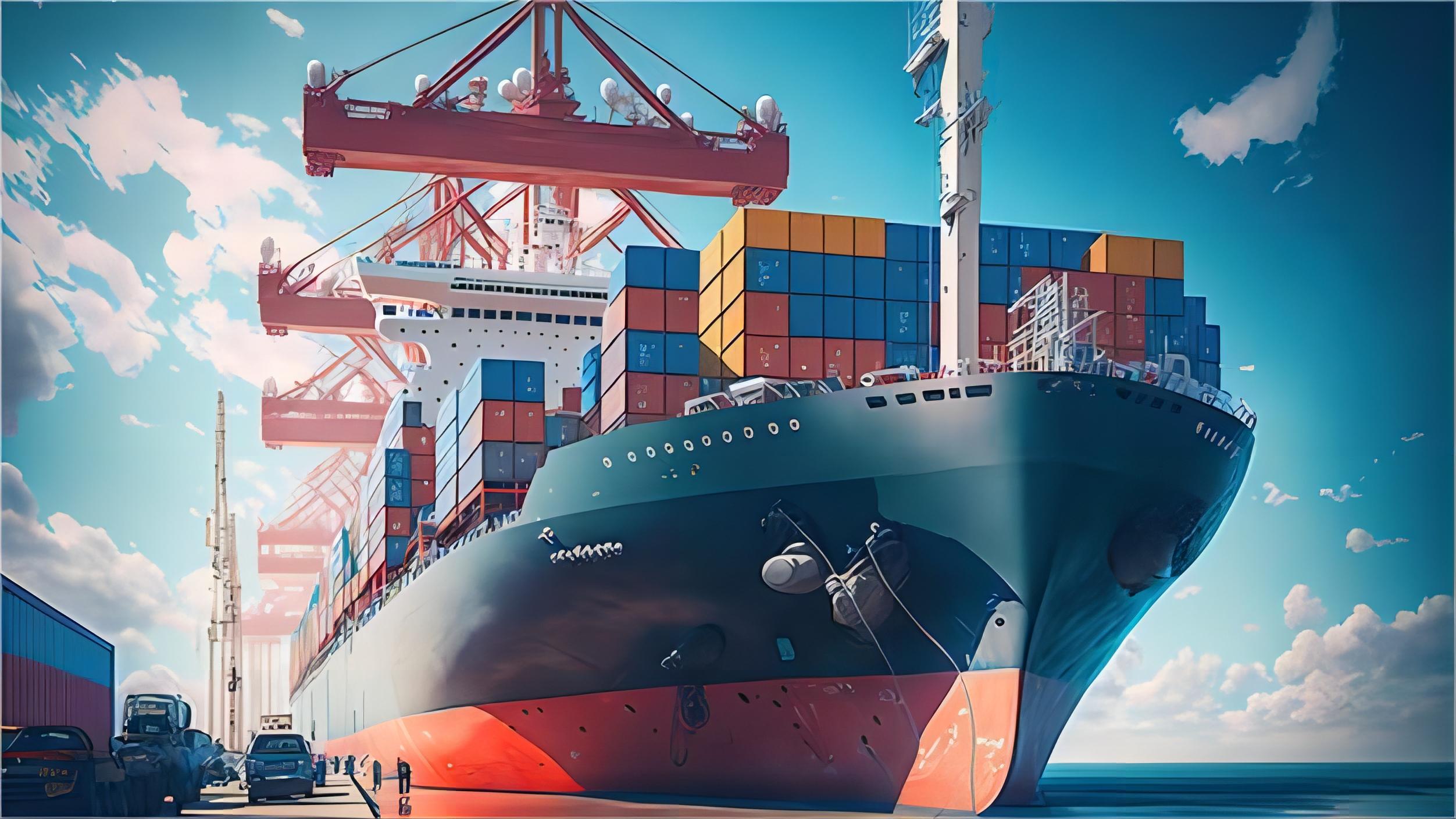
The most common and cost-effective method for FCL shipping from China to Illinois is undoubtedly sea freight. This involves loading your goods into a 20-foot (20GP), 40-foot (40GP), or 40-foot High Cube (40HQ) container. The container then travels by ocean vessel to a major US port. Notably, the journey is extensive but highly efficient for bulk goods.
Upon arrival at a US port, containers are typically transferred to rail for onward transport to Illinois. Chicago, with its extensive rail network, serves as a primary inland hub for cargo destined for the entire Midwest. Therefore, a seamless transition from sea to rail is crucial for timely delivery.
| Route Segment | Typical Transit Time | Key Considerations |
|---|---|---|
| China Port to US West Coast (LA/LB) | 14-18 days | Faster sea transit, longer rail to Illinois |
| China Port to US East Coast (NY/NJ) | 30-35 days | Longer sea transit, shorter rail to Illinois |
| US West Coast to Chicago (Rail) | 5-7 days | Intermodal efficiency, potential for congestion |
| US East Coast to Chicago (Rail) | 2-3 days | Direct rail service, less inland transit time |
Key Chinese Ports for Export
China boasts several world-class ports that facilitate massive export volumes. Shanghai, Ningbo-Zhoushan, and Shenzhen are among the busiest, offering frequent sailings and advanced logistics infrastructure. Choosing the right origin port in China depends on your supplier’s location and the specific shipping line’s schedule.
For instance, ports like Qingdao, Tianjin, and Guangzhou also provide excellent FCL services. Proximity to your manufacturing base in China can significantly reduce drayage costs and transit times to the port. Always consider the efficiency of the local supply chain.
Major US Ports for Illinois-Bound Cargo
For shipments to Illinois, containers typically arrive at either the US West Coast (USWC) or US East Coast (USEC) ports. Los Angeles and Long Beach in California are the busiest USWC ports, offering faster ocean transit times from China. However, they require longer and often more expensive rail connections to Illinois.
Alternatively, USEC ports like New York/New Jersey, Savannah, or Norfolk have longer ocean transit times but shorter, less costly rail hauls to Illinois. The choice between USWC and USEC depends heavily on your priority: speed or overall cost. Sea freight options are flexible.
Inland Transportation to Illinois: The Rail Link
Once containers reach a US port, they are transferred onto freight trains for the journey to inland destinations like Chicago, Illinois. Chicago’s vast intermodal rail yards are critical for distributing goods across the Midwest. This segment of the journey is known as intermodal rail.
Indeed, rail transport is a highly efficient and cost-effective way to move large volumes of cargo over long distances within the US. The rail network connects directly to major distribution centers and warehouses throughout Illinois. Furthermore, planning this leg meticulously ensures smooth final delivery.
Factors Influencing Your FCL Shipping Decision
Several critical factors dictate the best route and strategy for FCL shipping from China to Illinois. Businesses must evaluate these elements meticulously to make informed decisions. Understanding these nuances helps in optimizing both cost and delivery schedules.
Moreover, market conditions, fuel surcharges, and carrier capacity can significantly impact freight rates and transit times. Therefore, staying updated on global logistics trends is essential for effective planning.
Balancing Cost and Transit Time
The trade-off between cost and speed is perhaps the most significant consideration in FCL shipping. Generally, faster transit times come with higher costs. For instance, choosing a direct service over a transshipment route might save a few days but incur a premium. Conversely, opting for a slower, more economical service can reduce expenses.
Furthermore, peak seasons often see increased demand and higher rates, making early booking crucial for cost control. Evaluate your inventory management strategy to determine whether speed or savings takes precedence. This balance is key to a robust supply chain.
The Role of Container Type and Size
Choosing the correct container size is vital for maximizing cost efficiency. A 20GP container is suitable for heavier goods or smaller volumes, whereas 40GP and 40HQ containers are better for lighter, bulkier cargo. Overfilling or underfilling a container can lead to inefficiencies.
Indeed, understanding the dimensions and weight limits for each container type prevents costly repacking or demurrage charges. Always ensure your cargo dimensions align perfectly with the chosen container. This foresight helps avoid unexpected delays and expenses.
Critical Customs and Documentation Requirements
Navigating customs clearance is a complex but unavoidable part of international shipping. Proper documentation, including commercial invoices, packing lists, and bills of lading, is essential. Any discrepancies can lead to significant delays and penalties.
Therefore, engaging experienced customs brokerage services is highly recommended. They can ensure compliance with all US import regulations, calculate duties and taxes, and expedite the clearance process. This expertise minimizes risks and streamlines the entire import journey.
How Does FCL Sea Freight Compare to Other Shipping Options?
While FCL sea freight is often the preferred choice for cost-efficiency, it is not the only option available for shipping from China to Illinois. Businesses should understand the alternatives and their respective advantages and limitations. This comparative analysis helps tailor the shipping solution to specific needs.
Moreover, considering hybrid solutions or alternative methods can provide flexibility during unforeseen circumstances or for particular cargo types. Each method offers a different balance of speed, cost, and capacity. Consequently, informed decision-making is vital for optimal logistics.
| Shipping Method | Cost Range (40HQ approx.) | Transit Time (China to Illinois) | Best For | Limitations |
|---|---|---|---|---|
| FCL Sea Freight (USWC+Rail) | $4,000-6,000 | 20-25 days | Large volumes, cost-efficiency, standard goods | Slower than air, potential port congestion |
| FCL Sea Freight (USEC+Rail) | $4,500-6,500 | 32-38 days | Large volumes, cost-efficiency, less inland rail cost | Longest overall transit time |
| Air Freight | $15,000-25,000 (per ton equivalent) | 3-7 days | Urgent, high-value, small volume goods | Very high cost, strict weight/size limits |
| LCL Sea Freight | $50-80 per CBM | 30-45 days | Small volumes (<15 CBM), budget-friendly | Longer transit, more handling, less security |
When to Consider Air Freight
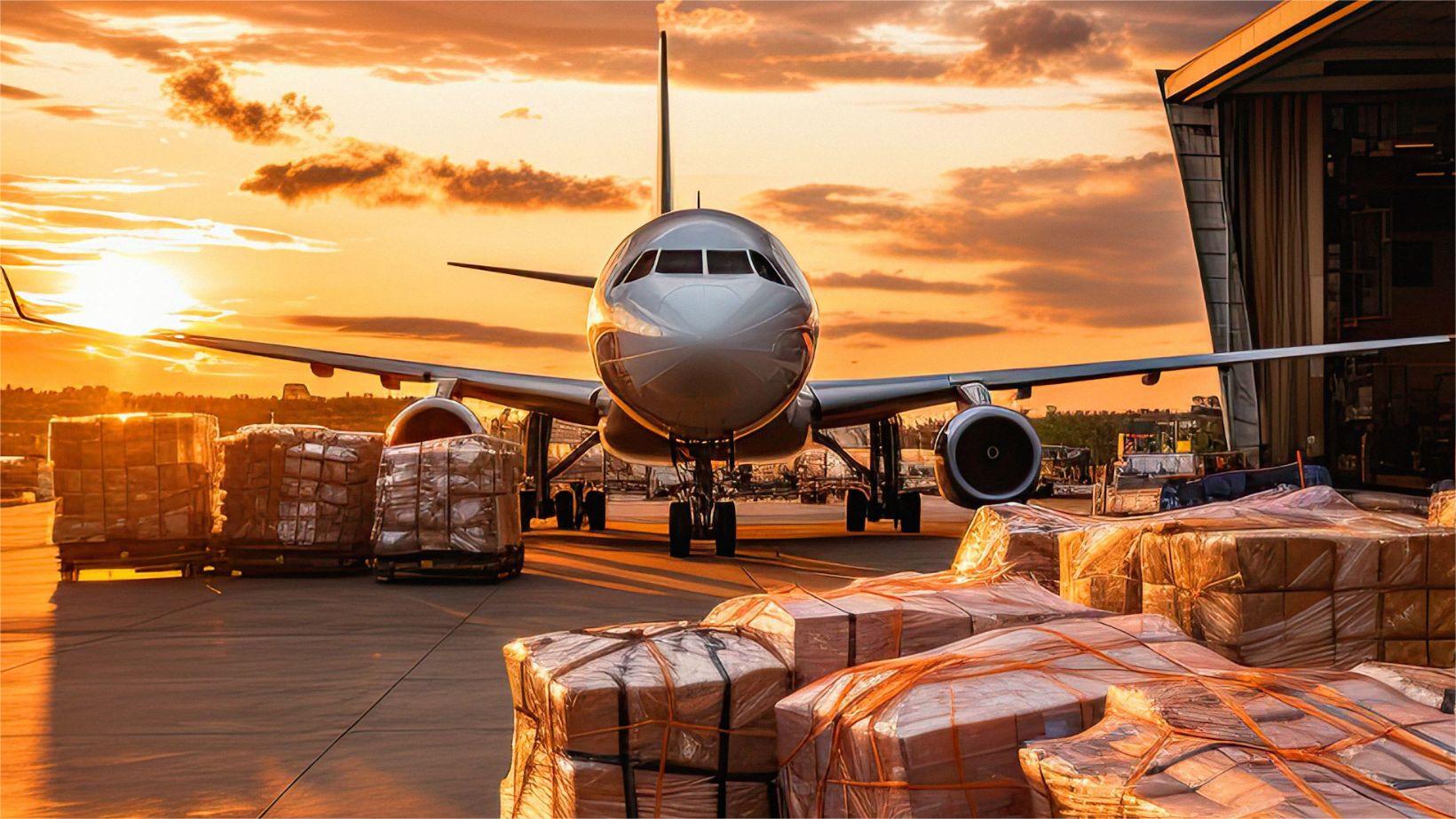
For highly time-sensitive or high-value cargo, air freight offers significantly faster transit times compared to sea freight. While substantially more expensive, it can be invaluable for urgent deliveries, prototypes, or products with short shelf lives. Air freight typically takes 3-7 days from China to a major US airport.
However, air freight is generally not suitable for FCL volumes due to cost and weight restrictions. It is primarily used for smaller, lighter shipments. Therefore, if speed is your absolute top priority and budget permits, air freight presents a viable, albeit premium, solution.
FCL vs. LCL: Volume and Cost Efficiency
FCL (Full Container Load) is ideal when your cargo volume is sufficient to fill at least 70-80% of a container. It offers better security and usually a lower per-unit cost. Conversely, LCL (Less than Container Load) is for smaller shipments that don’t require a full container.
With LCL, your goods share container space with other shippers’ cargo, leading to lower upfront costs but potentially longer transit times due to consolidation and deconsolidation. Generally, for shipments over 15 CBM, FCL becomes more economical than LCL. This threshold is a key decision point for many importers.
Exploring Multimodal and Express Services
Multimodal shipping combines different transport modes, such as sea and rail, which is the standard for FCL from China to Illinois. However, there are also expedited services that might combine sea freight with faster rail or even a portion of air transport for critical legs. These hybrid solutions can shave days off transit time at a moderate premium.
Additionally, for very small, urgent parcels, an express service (like DHL, UPS, FedEx) offers door-to-door delivery within a few days. While not an FCL solution, it serves as a valuable option for samples or emergency stock. These services provide unparalleled speed for specific logistical needs.
Optimizing Your FCL Supply Chain to Illinois
Optimizing your FCL supply chain involves more than just selecting a shipping method. It requires strategic planning, leveraging technology, and partnering with reliable logistics providers. A well-optimized supply chain can lead to significant cost savings and improved delivery reliability.
Furthermore, proactive management of potential disruptions and efficient communication with all stakeholders are key. This holistic approach ensures resilience and adaptability in a dynamic global market. Consequently, long-term success hinges on robust operational strategies.
Strategic Planning for Peak Seasons
Shipping during peak seasons, such as before major holidays (e.g., Chinese New Year, Christmas), can lead to increased rates and extended transit times. Planning your shipments well in advance is crucial to avoid these surcharges and delays. Booking container space early ensures availability and better pricing.
Indeed, understanding seasonal demand patterns helps in forecasting and scheduling. Many businesses factor in an additional 15-25% increase in rates and 5-10 days longer transit during August-October peak season. Proactive scheduling is your best defense against market volatility.
Leveraging Door-to-Door Services
For ultimate convenience and reduced logistical complexity, consider using a door-to-door shipping service. This option means your freight forwarder manages the entire process from your supplier’s factory in China to your warehouse in Illinois. It encompasses everything from pickup and ocean freight to customs clearance and final inland delivery.
This comprehensive service minimizes your administrative burden and streamlines communication. It effectively reduces the risk of miscommunication between multiple parties. Hence, it is particularly beneficial for businesses without dedicated in-house logistics teams. This integrated approach ensures a smooth and hassle-free experience.
Amazon FBA Considerations
Many businesses shipping to Illinois are destined for Amazon Fulfillment Centers (FBA). If your FCL shipment is for Amazon FBA, specific requirements must be met, including labeling, palletization, and appointment scheduling. Freight forwarders specializing in FBA shipments can navigate these complexities.
Ensuring compliance with Amazon’s strict receiving guidelines is paramount to avoid penalties or refusal of goods. This specialized knowledge can prevent costly delays and ensure your products are available for sale promptly. Therefore, choosing a forwarder experienced with FBA is a strategic advantage.
Real-World FCL Shipping Case Studies to Illinois
Examining real-world scenarios provides valuable insights into the practicalities of FCL shipping from China to Illinois. These case studies highlight diverse cargo types, strategic choices, and typical outcomes. They illustrate how different priorities shape the best route for FCL shipping from China to Illinois.
These examples also demonstrate the importance of selecting the right shipping partner. Based on Q3 2024 market rates, these scenarios reflect common challenges and successful resolutions. Consequently, understanding these practical applications can inform your own shipping strategy.
Case Study 1: Electronics Importer
An Illinois-based electronics distributor needed to import a 20GP container of consumer electronics from Shenzhen, China. Their priority was a balance of cost-effectiveness and reasonable transit time, aiming for stock replenishment every 6-8 weeks.
The chosen route utilized a major carrier from Shenzhen to Los Angeles, followed by an intermodal rail connection to Chicago. This strategy allowed for efficient handling and delivery to their Illinois warehouse. The shipment arrived within expected parameters.
| Detail | Value |
|---|---|
| Route | Shenzhen, China -> Chicago, Illinois |
| Cargo | Consumer electronics, 28 CBM, 15,000 kg |
| Container | 20GP |
| Shipping Details | Carrier: COSCO, Port of Loading: Shenzhen, Port of Discharge: Los Angeles (via Trans-Pacific), Route Type: Direct sea + Rail |
| Cost Breakdown | Ocean Freight: $2,800, Origin Charges: $450, Destination Charges: $600, Customs & Duties (estimated): $750, Total Landed Cost: $4,600 |
| Timeline | Booking to Loading: 5 days, Sea Transit: 16 days, Customs Clearance: 2 days, Total Door-to-Door: 25 days |
| Key Insight | Optimized for cost and moderate speed, leveraging USWC for quicker ocean transit. Typical rates as of Q3 2024. |
Case Study 2: Furniture Manufacturer
A large furniture manufacturer in Illinois required a 40HQ container of unassembled furniture frames from Ningbo, China. Their focus was on maximizing volume and ensuring consistent supply to their assembly plant, with cost being a significant factor.
The best route for FCL shipping from China to Illinois in this case involved a carrier service from Ningbo to New York/New Jersey. From there, a direct rail line transported the container to a Chicago intermodal yard. This approach minimized inland costs despite a longer sea journey.
| Detail | Value |
|---|---|
| Route | Ningbo, China -> Springfield, Illinois |
| Cargo | Unassembled furniture frames, 65 CBM, 12,000 kg |
| Container | 40HQ |
| Shipping Details | Carrier: Maersk, Port of Loading: Ningbo, Port of Discharge: New York/New Jersey (via Suez Canal), Route Type: Direct sea + Rail |
| Cost Breakdown | Ocean Freight: $5,200, Origin Charges: $550, Destination Charges: $700, Customs & Duties (estimated): $900, Total Landed Cost: $7,350 |
| Timeline | Booking to Loading: 7 days, Sea Transit: 33 days, Customs Clearance: 3 days, Total Door-to-Door: 43 days |
| Key Insight | Prioritized lower overall landed cost by utilizing USEC port, accepting longer transit. Based on early 2025 market rates. |
Case Study 3: Apparel Distributor
An apparel distributor in Chicago needed a 40GP container of seasonal clothing from Shanghai, China, with a slightly expedited timeline due to a fast-approaching retail season. While not air freight urgent, standard sea freight was too slow.
This scenario called for a premium FCL sea freight service to the US West Coast (e.g., LA/Long Beach) with guaranteed space and a faster, dedicated rail service to Chicago. This hybrid approach balanced speed and cost effectively.
| Detail | Value |
|---|---|
| Route | Shanghai, China -> Chicago, Illinois |
| Cargo | Seasonal apparel, 58 CBM, 9,000 kg |
| Container | 40GP |
| Shipping Details | Carrier: Hapag-Lloyd, Port of Loading: Shanghai, Port of Discharge: Long Beach, Route Type: Expedited Sea + Premium Rail |
| Cost Breakdown | Ocean Freight: $4,800, Origin Charges: $500, Destination Charges: $650, Customs & Duties (estimated): $800, Total Landed Cost: $6,750 |
| Timeline | Booking to Loading: 4 days, Sea Transit: 15 days, Customs Clearance: 2 days, Total Door-to-Door: 22 days |
| Key Insight | Strategic choice for faster USWC transit combined with expedited rail to meet seasonal deadlines at a moderate premium. Note: Freight rates are subject to change based on fuel costs, carrier capacity, and seasonal demand. Contact us for a current quote tailored to your specific shipment. |
Choosing the Best Route for FCL Shipping to Illinois: A Decision Framework
Making the optimal choice for FCL shipping from China to Illinois depends entirely on your business priorities. A clear framework helps align your logistics strategy with your overarching business goals. Consider these key drivers when planning your next shipment.
Consequently, understanding your specific needs regarding cost, speed, and cargo type will guide you toward the most suitable shipping solution. This systematic approach ensures efficient and effective supply chain management.
Prioritizing Budget
If budget is your primary concern, prioritizing the lowest possible freight rates is essential. This typically means opting for standard FCL sea freight services, potentially utilizing US East Coast ports for their often lower inland rail costs to Illinois. You should also allow for longer transit times.
Furthermore, booking well in advance and avoiding peak seasons can significantly reduce costs. Consolidating shipments to maximize container utilization also contributes to savings. This approach is best for non-urgent, high-volume goods.
Prioritizing Speed
When speed is paramount, the best route for FCL shipping from China to Illinois will involve US West Coast ports. These offer shorter ocean transit times, despite potentially higher inland rail costs. Expedited rail services from the USWC to Chicago can further reduce transit.
For extremely urgent, smaller shipments, air freight remains the fastest, albeit most expensive, option. However, for FCL, the USWC-to-Illinois route provides the quickest sea freight solution. This strategy is ideal for time-sensitive inventory or product launches.
Cargo Specifics and Volume Thresholds
The nature of your cargo also influences the best shipping method. Perishable goods or those with short shelf lives might necessitate air freight, regardless of cost. Conversely, durable, non-perishable items are perfectly suited for FCL sea freight.
Moreover, the volume of your cargo dictates whether FCL or LCL is more economical. As a rule, shipments exceeding 15 cubic meters are typically more cost-effective as FCL. For smaller volumes, LCL can be a viable alternative, though with different cost structures and transit dynamics. This assessment is crucial for efficient logistics planning.
Market Trends and Future Outlook for China-Illinois Freight
The global logistics landscape is constantly evolving, with market trends significantly impacting FCL shipping from China to Illinois. Staying informed about these dynamics allows businesses to adapt their strategies and maintain supply chain resilience. Understanding current conditions is key to future planning.
As of Q1 2025, freight rates from China to North America have seen some stabilization after recent global disruptions. However, geopolitical events and economic shifts continue to influence shipping costs and transit reliability. Therefore, continuous monitoring of market intelligence is advisable.
Current Freight Rate Dynamics
Freight rates are influenced by various factors, including fuel prices, carrier capacity, port congestion, and seasonal demand. While rates have generally normalized from their pandemic highs, they remain sensitive to geopolitical events, such as the Red Sea disruptions earlier in 2024. These events can cause rerouting and increased costs.
According to industry benchmarks, typical rates as of early 2025 indicate a more predictable pricing environment. However, businesses should always expect some fluctuation. Transparent communication with your freight forwarder about potential surcharges is vital. This proactive approach helps manage budget expectations.
Geopolitical Impacts and Supply Chain Resilience
Global events, trade policies, and regional conflicts can have profound effects on international shipping routes and schedules. Building a resilient supply chain means having contingency plans in place for potential disruptions. Diversifying sourcing or considering alternative routes can mitigate risks.
Furthermore, investing in robust supply chain visibility tools allows businesses to track shipments in real-time and react quickly to unforeseen challenges. This preparedness is invaluable in maintaining operational continuity. Industry average for this route suggests that flexibility is a major asset.
Mastering the Best Route for FCL Shipping from China to Illinois
Ultimately, the best route for FCL shipping from China to Illinois is a strategic decision tailored to your specific business needs. While sea freight combined with intermodal rail via US West Coast ports often offers the optimal balance of speed and cost, understanding all alternatives is crucial. Factors like transit time, budget, cargo type, and market trends significantly influence this choice.
By partnering with an experienced freight forwarder, leveraging comprehensive services, and staying informed about market dynamics, you can ensure a smooth, cost-effective, and reliable supply chain for your full container loads. Proactive planning and expert guidance are key to success in this complex logistical landscape. We are committed to helping you navigate these challenges effectively.
Ready to streamline your logistics?
Ready to optimize your FCL shipping from China to Illinois? Our team of experts at China Top Freight is here to provide tailored solutions and competitive quotes. Contact us today to streamline your logistics and ensure efficient delivery of your full container loads.
Request Quote