

20GP FCL Best Route for Medical Equipment: China to Portugal
Navigating international logistics for sensitive cargo like medical equipment demands precision. Finding the 20GP FCL best route for medical equipment from China to Portugal is crucial for maintaining supply chain integrity and ensuring timely delivery. This comprehensive guide explores optimal shipping strategies, cost considerations, and essential customs procedures, thereby helping you make informed decisions for your valuable shipments.
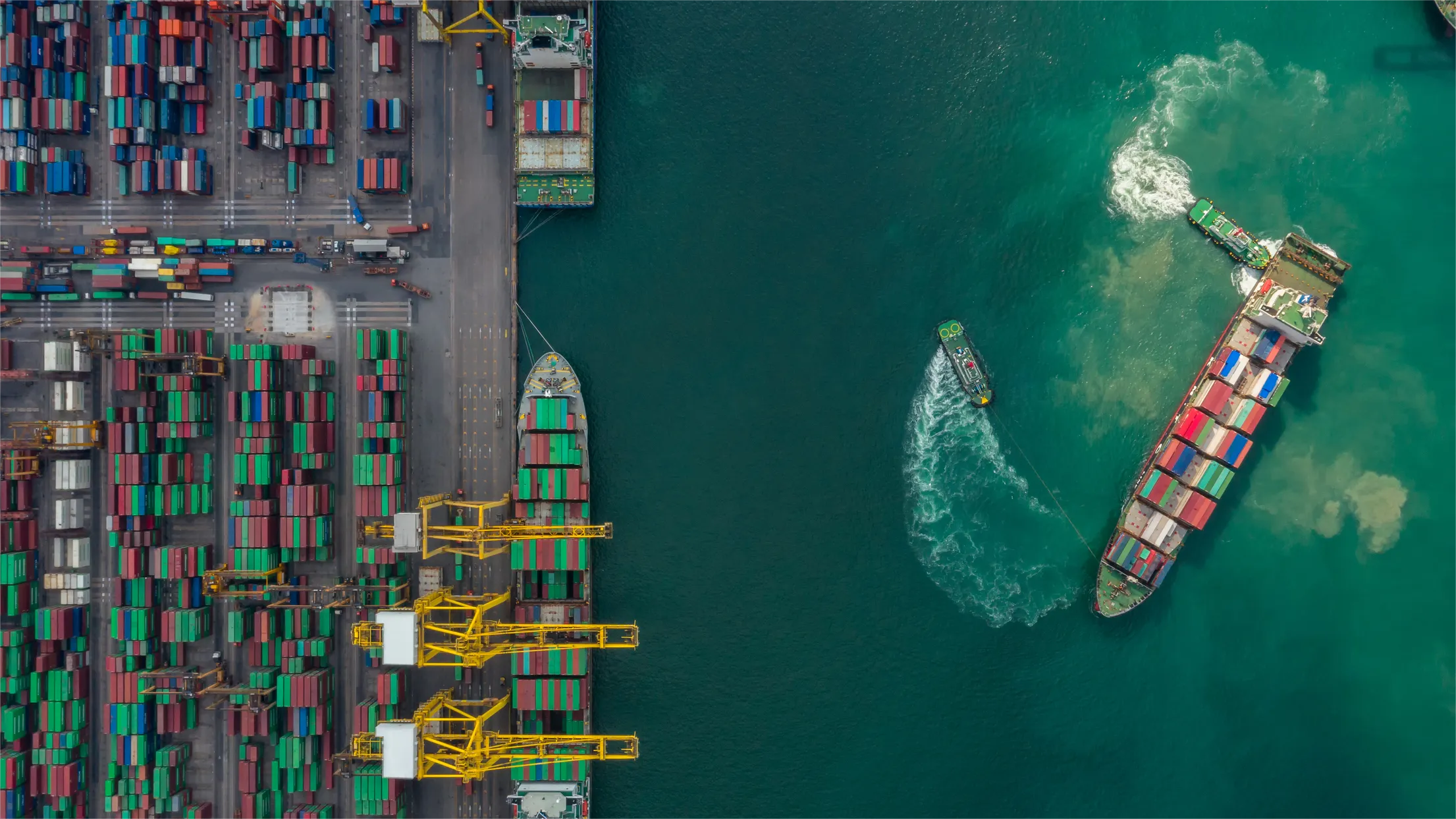
What is 20GP FCL Shipping for Medical Equipment?
Specifically, a 20GP (General Purpose) Full Container Load (FCL) means your medical equipment occupies an entire 20-foot shipping container. This method offers significant advantages, including enhanced security and reduced handling, which are paramount for sensitive medical devices.
Furthermore, choosing FCL shipping helps minimize the risk of damage or contamination, a critical factor when shipping medical devices from China to Portugal. Consequently, it provides greater control over transit times and delivery schedules compared to Less than Container Load (LCL) options.
Key Factors for Determining the Best Route from China to Portugal
Several crucial elements influence the optimal shipping route for your medical equipment. Firstly, transit time is often a primary concern, especially for high-demand or time-sensitive products. Therefore, balancing speed with cost-effectiveness becomes essential.

Secondly, overall shipping costs, including ocean freight, port charges, and destination fees, must be carefully evaluated. Reliability of the shipping line and port infrastructure in both China and Portugal also play significant roles. Ultimately, a robust supply chain management strategy considers all these aspects.
How Does Sea Freight Compare to Other Shipping Options?
When transporting medical equipment from China to Portugal, various shipping methods are available, each with distinct advantages and drawbacks. Sea freight, particularly FCL, is often the most economical choice for larger volumes. However, air freight offers unparalleled speed for urgent deliveries.
Moreover, hybrid solutions or specialized services might be suitable depending on your cargo’s specific requirements. Therefore, understanding the trade-offs between cost, speed, and capacity is vital for making an informed decision.
| Shipping Method | Cost Range (20GP Equivalent) | Transit Time (China-Portugal) | Best For | Limitations |
|---|---|---|---|---|
| Sea Freight (FCL) | $1,800 – $4,200 | 30 – 45 days | Large volumes, cost-efficiency, non-urgent cargo | Long transit times, potential port delays |
| Air Freight | $15,000 – $25,000+ | 5 – 10 days | Urgent, high-value, small volume shipments | Very high cost, volume/weight restrictions |
| Rail Freight (China-Europe) | $8,000 – $12,000 | 18 – 25 days | Medium urgency, good balance of cost/speed | Limited direct routes to Portugal, transshipment needed |

Which Option Should You Choose for Your Medical Equipment?
The ideal shipping method for your medical equipment depends heavily on your priorities. For instance, if budget is your primary concern and transit time is flexible, sea freight via a 20GP FCL from China to Portugal is typically the most cost-effective option. This method provides excellent value for bulk shipments.
Conversely, if speed is paramount for critical medical supplies, air freight is indispensable, despite its higher cost. For a balance of speed and cost, considering rail freight to a European hub and then trucking to Portugal could be a viable alternative. Cargo type also dictates choice; fragile or temperature-sensitive items may require specialized handling regardless of method.
Choosing Your Port of Loading in China
Selecting the right port of loading in China significantly impacts the efficiency and cost of your shipment. Major ports like Shanghai, Ningbo, and Shenzhen offer extensive global connections and frequent sailing schedules to Europe. Therefore, proximity to your supplier’s location is a key consideration to minimize inland transportation costs and time.
Shanghai, for example, is ideal for manufacturers in Eastern China, offering numerous direct routes. Meanwhile, Shenzhen serves the bustling manufacturing hubs in Southern China. Ultimately, a strategic choice here streamlines the initial leg of your supply chain for medical equipment overseas.
Selecting Your Port of Discharge in Portugal
Upon arrival in Portugal, your choice of discharge port will influence final delivery times and costs. The two primary commercial ports are Lisbon and Leixões (Porto). Lisbon is centrally located and well-connected for distribution throughout Southern and Central Portugal. Consequently, it is often favored for destinations in and around the capital.
Leixões, near Porto, efficiently serves the northern regions of Portugal and parts of Spain. Therefore, understanding your final destination within Portugal is crucial for minimizing inland delivery schedule costs and maximizing efficiency. Both ports are equipped to handle diverse cargo, including sensitive medical devices.

Essential Documentation and Customs Clearance for Portugal
Importing medical equipment into Portugal, part of the EU, requires meticulous adherence to customs regulations. Key documents include the commercial invoice, packing list, bill of lading, and a certificate of origin. Furthermore, specific certifications for medical devices, such as CE marking and EU Declarations of Conformity, are mandatory.
Customs brokerage expertise is invaluable to navigate these complexities, ensuring smooth clearance and avoiding costly delays. Consequently, working with an experienced freight forwarder can significantly simplify the process, especially for sensitive pharmaceutical goods. They can also assist with import regulations for medical devices in the EU.
| Document Type | Purpose | Key Details |
|---|---|---|
| Commercial Invoice | Proof of sale, value for customs | Seller/buyer details, product description, value, Incoterms |
| Packing List | Details of cargo contents | Quantity, weight, dimensions, packaging type |
| Bill of Lading (B/L) | Contract of carriage, title to goods | Shipper, consignee, notify party, vessel, ports |
| Certificate of Origin | Confirms country of manufacture | Issued by Chamber of Commerce, required for preferential tariffs |
| CE Marking & EU DoC | Mandatory for medical devices in EU | Demonstrates conformity with EU health, safety, and environmental protection standards |
Optimizing Transit Times and Costs for 20GP FCL
To achieve the most efficient and cost-effective 20GP FCL best route for medical equipment from China to Portugal, several strategies can be employed. Firstly, consider the trade-off between direct routes and transshipment options. Direct services, while potentially 10-15% more expensive, can shave 5-7 days off transit times by avoiding intermediate port calls.
Secondly, strategic planning and booking in advance can secure better freight rates, especially outside peak seasons. Additionally, optimizing container loading ensures maximum utilization of the 20ft container shipping costs. Lastly, leveraging door-to-door delivery services simplifies logistics trends by consolidating multiple vendors under one provider.
Real-World Case Studies: 20GP FCL Medical Equipment Shipments
Examining actual scenarios provides valuable insights into the complexities and solutions for shipping medical equipment. These examples highlight typical shipping costs and transit times, helping illustrate the practical application of optimized routes.
Based on Q3 2024 market rates, these cases demonstrate effective logistics for sensitive cargo.
Case Study 1: Urgent Diagnostic Equipment to Lisbon
This case involved a time-sensitive shipment of new diagnostic equipment for a hospital expansion. The focus was on balancing speed with reasonable cost, opting for a relatively direct route.
| Detail | Description |
|---|---|
| Route | Shanghai, China Lisbon, Portugal |
| Cargo | Diagnostic Imaging Units, 28 CBM, 9,500 kg |
| Container | 20GP FCL |
| Carrier/Service | COSCO (Direct Service) |
| Port of Loading | Shanghai |
| Port of Discharge | Lisbon |
| Route Type | Direct |
| Ocean Freight | $2,900 |
| Origin Charges | $450 |
| Destination Charges | $580 |
| Customs & Duties (estimated) | $750 |
| Total Landed Cost | $4,680 |
| Booking to Loading | 4 days |
| Sea Transit | 32 days |
| Customs Clearance | 3 days |
| Total Door-to-Door | 39 days |
| Key Insight | Choosing a direct service minimized transit time, crucial for project deadlines. Early booking secured competitive FCL shipping rates medical supplies. |
Case Study 2: Bulk Consumables to Porto via Leixões
A regular shipment of medical consumables required cost-efficiency and reliable delivery to Northern Portugal. The strategy focused on optimal cargo handling and port selection for inland distribution.
| Detail | Description |
|---|---|
| Route | Ningbo, China Leixões, Portugal |
| Cargo | Medical Consumables (gloves, masks), 30 CBM, 12,000 kg |
| Container | 20GP FCL |
| Carrier/Service | MSC (Transshipment via Valencia) |
| Port of Loading | Ningbo |
| Port of Discharge | Leixões |
| Route Type | Transshipment |
| Ocean Freight | $2,350 |
| Origin Charges | $420 |
| Destination Charges | $550 |
| Customs & Duties (estimated) | $600 |
| Total Landed Cost | $3,920 |
| Booking to Loading | 5 days |
| Sea Transit | 38 days |
| Customs Clearance | 4 days |
| Total Door-to-Door | 47 days |
| Key Insight | Utilizing a transshipment route offered significant cost savings for bulk items. Leixões provided efficient onward delivery to the northern distribution center. |
Market Insights and Seasonal Considerations
Current market conditions significantly impact freight rates and transit times. As of Q1 2025, freight rates from China to Europe have seen some stabilization after the Red Sea disruptions of late 2024. However, global events can still introduce volatility, affecting carrier capacity and overall shipping costs.
Furthermore, seasonal patterns play a crucial role in logistics trends. Rates typically increase by 15-25% during peak seasons, notably from August to October, and before major holidays like Chinese New Year. Therefore, planning shipments to avoid these periods or booking well in advance can lead to substantial savings. Industry benchmarks suggest consistent monitoring of the market.
Conclusion: Securing Your Medical Equipment Supply Chain
Choosing the 20GP FCL best route for medical equipment from China to Portugal involves a careful balance of cost, transit time, and reliability. By understanding the nuances of sea freight, port selection, and customs regulations, businesses can optimize their logistics operations.
Ultimately, partnering with a knowledgeable freight forwarder is paramount for navigating these complexities. This ensures your vital medical equipment arrives safely and efficiently, thereby supporting healthcare demands in Portugal.
Get Your Shipping Quote Today
Ready to streamline your medical equipment imports? Contact us today for a personalized quote and expert guidance on the 20GP FCL best route for medical equipment from China to Portugal. Our team is prepared to optimize your supply chain and ensure secure, timely delivery.
Request Quote