

40GP FCL Insurance for Auto Parts from China to Savannah
Shipping valuable auto parts from China to Savannah requires meticulous planning and robust risk management. Protecting your 40GP Full Container Load (FCL) investment with comprehensive insurance is paramount. This guide explores essential insurance considerations, ensuring your supply chain remains resilient and your cargo arrives safely. For comprehensive logistics solutions, visit China Top Freight.
What is 40GP FCL Shipping for Auto Parts?
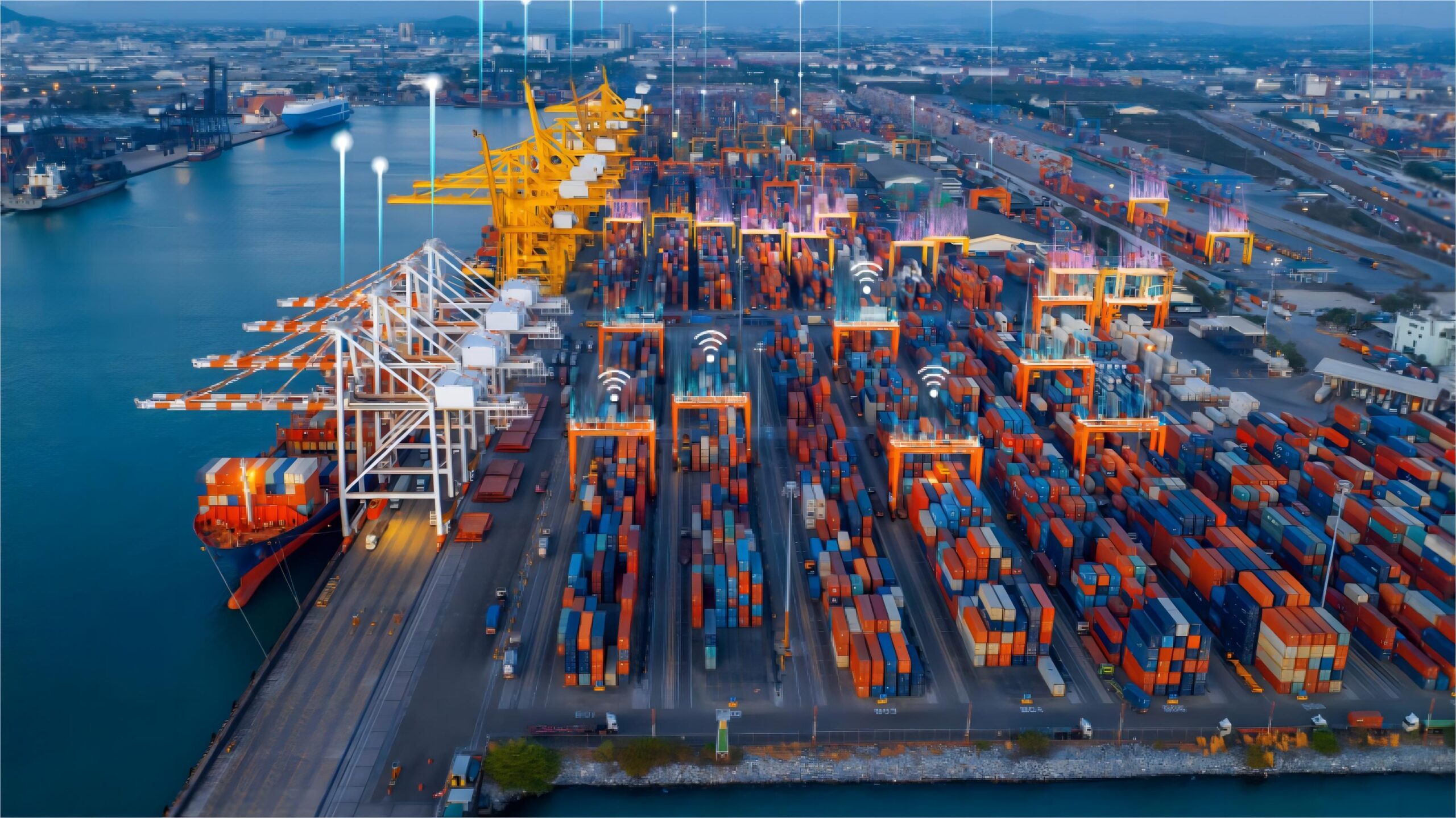
Shipping auto parts from China to Savannah often involves large volumes, making Full Container Load (FCL) the preferred method. A 40GP (General Purpose) container is a standard 40-foot unit, ideal for substantial quantities. This ensures your specialized automotive components are transported securely and efficiently.
What is a 40GP FCL Container?
A 40GP container measures approximately 40 feet long, 8 feet wide, and 8.5 feet high. It offers a significant capacity, typically around 67.7 cubic meters. Consequently, it is perfectly suited for bulk shipments of auto parts, providing exclusive use of the container space.
Why Choose FCL for Auto Parts Shipments?
Choosing FCL for auto parts offers numerous advantages compared to LCL (Less than Container Load). Firstly, it minimizes handling, reducing the risk of damage or loss to your sensitive components. Moreover, FCL provides faster transit times because there are no delays for consolidation or deconsolidation at ports. Therefore, it is a highly reliable option for maintaining tight supply chain schedules.
What Are the Key Risks for 40GP FCL Auto Parts Shipments?
Despite careful planning, shipping auto parts internationally involves inherent risks that demand robust protection. These risks can range from environmental factors to human error and unforeseen delays. Understanding these potential challenges is crucial for securing appropriate sea freight insurance.
What Transit Risks Affect Auto Parts Cargo?
During transit, cargo faces various perils, including severe weather conditions at sea. Additionally, collisions, groundings, or even general average declarations can impact your shipment. Furthermore, theft or piracy, while less common on major routes, remains a potential concern that must be acknowledged.
What Port and Handling Risks Should You Consider?
Ports present unique risks, such as mishandling during loading or unloading operations. Furthermore, containers might suffer damage from improper stacking or equipment malfunctions. Prolonged port congestion can also expose cargo to longer periods of vulnerability.
What Customs and Documentation Risks Exist?
Incorrect or incomplete documentation can lead to significant customs delays and penalties in both China and Savannah. For instance, misdeclarations of cargo value or type can result in fines or even seizure. Therefore, accurate customs brokerage is essential to mitigate these regulatory hurdles.
What Types of Freight Insurance Protect Your 40GP FCL Auto Parts?
Selecting the right insurance policy is fundamental to safeguarding your auto parts investment. Different coverage types offer varying levels of protection against potential shipping perils. Consequently, understanding these options helps you make an informed decision for your North America bound cargo.
What Does All-Risk Coverage Include?
All-Risk coverage is the most comprehensive type of marine cargo insurance available. It protects against all external causes of loss or damage, except for specific exclusions listed in the policy. Typically, this includes theft, non-delivery, accidental damage, and natural disasters, offering broad peace of mind.
What is Named Perils Coverage?
Named Perils coverage, conversely, only covers losses specifically itemized in the policy document. Common named perils might include fire, explosion, or vessel sinking. Therefore, if a particular risk is not explicitly mentioned, it will not be covered by this type of policy.
What is Free of Particular Average (FPA) Coverage?
Free of Particular Average (FPA) offers the most limited form of marine cargo insurance. It primarily covers total loss of the cargo or vessel, or damage resulting from very specific major casualties like stranding or collision. This option is generally suitable for low-value goods or when budget is the primary concern.
How Do You Select the Best 40GP FCL Insurance for Auto Parts?
Choosing appropriate insurance for your 40GP FCL auto parts shipment from China to Savannah requires careful evaluation. The decision hinges on several factors, including the value of your cargo and your risk tolerance. Ultimately, the goal is to balance comprehensive protection with cost-effectiveness.
| Coverage Type | Protection Level | Common Perils Covered | Best For | Limitations |
|---|---|---|---|---|
| All-Risk | High | Theft, non-delivery, accidental damage, natural disasters | High-value, sensitive auto parts | Excludes inherent vice, improper packing |
| Named Perils | Medium | Fire, explosion, vessel sinking, collision | Mid-value, less fragile auto parts | Only covers listed perils, specific events |
| Free of Particular Average (FPA) | Low | Total loss of cargo/vessel, major casualties | Low-value, resilient auto parts | Very limited coverage, difficult claims |
How Do You Assess Your Auto Parts Cargo Value?
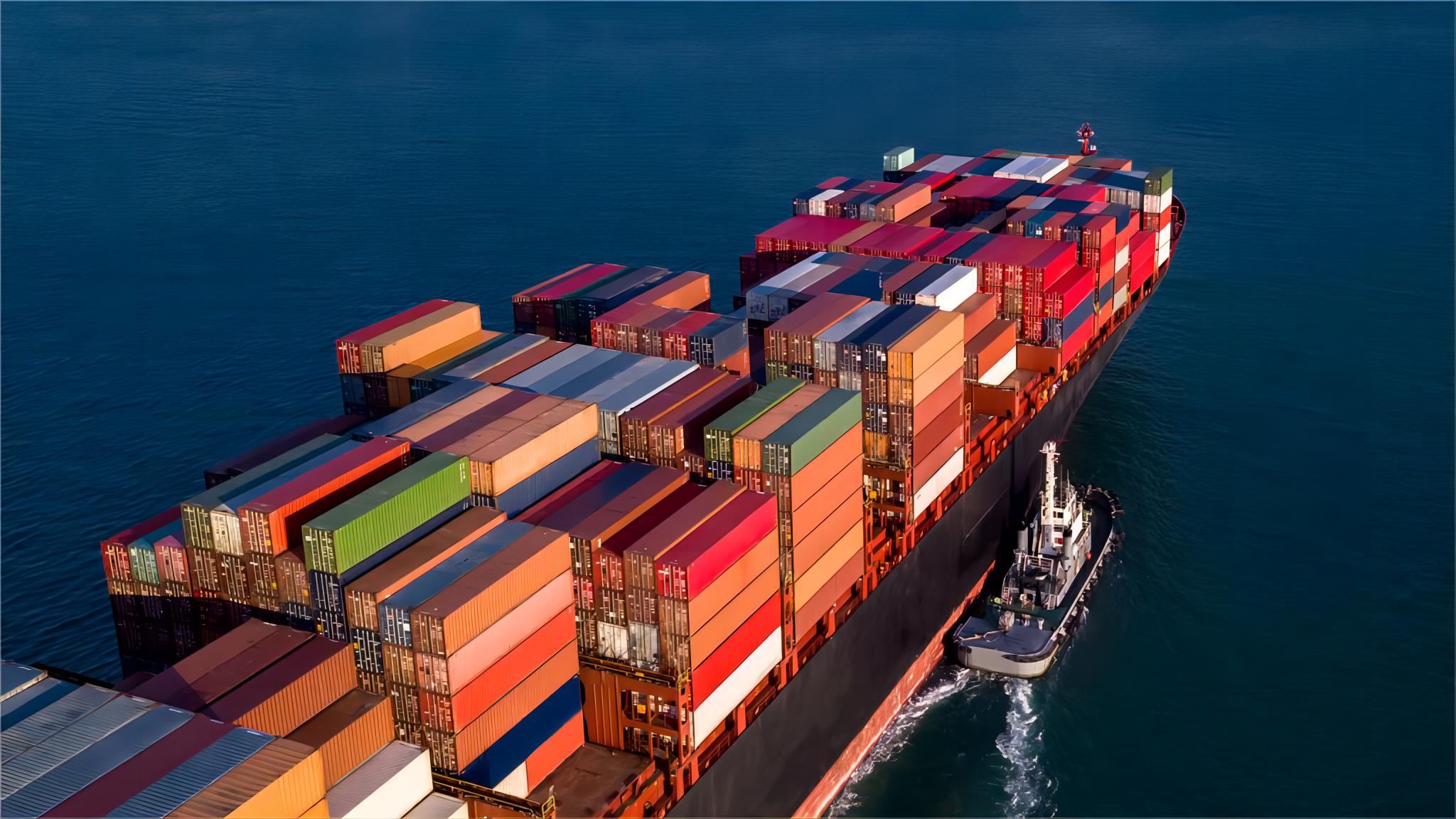
Properly assessing your cargo’s total value is the first step in determining adequate insurance coverage. Include not just the cost of the goods, but also freight charges, duties, and a percentage for anticipated profit. This ensures full recovery in case of a total loss, protecting your business financially.
What Should You Know About Policy Exclusions?
Every insurance policy contains exclusions, which are circumstances or types of damage not covered. Common exclusions include damage due to improper packing, inherent vice of the goods, or political risks. Always read the policy document thoroughly to understand these limitations before committing.
Why Work with a Reliable Insurance Provider?
Partnering with an experienced freight forwarder or insurance broker simplifies the process of securing suitable coverage. They can offer expert advice on policy types and help navigate complex claims procedures. Furthermore, a reliable provider ensures your door to door shipment is fully protected from origin to destination.
What is the Typical 40GP FCL Shipping Process from China to Savannah for Auto Parts?
The journey of auto parts from China to Savannah involves multiple stages, each requiring careful coordination. From factory floor to final delivery, understanding each step helps in managing expectations and mitigating potential issues. Robust planning ensures a smooth and efficient supply chain.
What Are the Origin Logistics Steps?
Origin logistics commence with cargo pickup from the supplier’s factory in China. The auto parts are then loaded into the 40GP FCL container and transported to the port of loading. Essential documentation, including the Bill of Lading and commercial invoice, is prepared and verified.
What Happens During Ocean Transit?
Once loaded onto the vessel, the 40GP FCL container begins its ocean transit across the Pacific Ocean and through the Panama Canal. This leg is the longest part of the journey, typically lasting 30-35 days to reach the US East Coast. Monitoring the vessel’s progress is crucial during this period.
What Are the Destination Logistics in Savannah?
Upon arrival at the Port of Savannah, the container undergoes customs clearance procedures. After clearance, the container is offloaded and transported to the final destination warehouse or distribution center. Efficient Amazon FBA services or direct delivery can then be arranged.
What Are the Cost Factors for 40GP FCL Insurance and Shipping?
Understanding the various cost components is vital for budgeting your auto parts imports from China to Savannah. Both insurance premiums and freight rates contribute significantly to the total landed cost. Transparency in these charges helps in effective financial planning.
| Cost Component | Range (USD) | Notes |
|---|---|---|
| Ocean Freight (40GP) | $4,000 – $5,500 | From major China ports to Savannah, GA |
| Origin Charges | $400 – $700 | THC, documentation, customs clearance in China |
| Destination Charges | $500 – $900 | THC, port fees, drayage to local warehouse |
| Customs Duties & Fees | Varies (0-25% of value) | Based on HS Code of auto parts, tariffs |
| Insurance Premium | 0.2% – 0.7% of cargo value | Depends on coverage and cargo type |
| Total Estimated Landed Cost | Varies significantly | Excludes specific product cost and profit margin |
How Are Insurance Premiums Calculated?
Insurance premiums are typically calculated as a percentage of the total declared value of your cargo. This percentage varies based on the type of coverage (e.g., All-Risk vs. FPA), the nature of the goods, and the specific route. High-value or fragile auto parts will generally incur higher premiums.
What Influences Overall Shipping Costs?
Overall shipping costs for a 40GP FCL include ocean freight, port charges at both origin and destination, and local transportation. Additionally, fuel surcharges, customs duties, and any special handling fees contribute to the final expense. Market demand and seasonality also heavily influence freight rates.
How Does 40GP FCL Sea Freight Compare to Other Shipping Options for Auto Parts?
While 40GP FCL sea freight is often the most economical choice for auto parts, other shipping methods offer distinct advantages depending on your priorities. Evaluating alternatives like air freight or express services is crucial for optimizing your supply chain strategy. Each option presents unique trade-offs in terms of speed, cost, and capacity.
| Shipping Method | Cost Range (40GP equivalent/kg) | Transit Time (days) | Best For | Limitations |
|---|---|---|---|---|
| FCL Sea Freight | $0.05 – $0.10/kg | 30 – 35 | Large volume, heavy, non-urgent auto parts | Slowest, susceptible to port congestion |
| LCL Sea Freight | $0.15 – $0.30/kg | 35 – 45 | Smaller shipments (under 15 CBM) | More handling, longer transit, potential damage |
| Air Freight | $4.00 – $8.00/kg | 5 – 7 | Urgent, high-value, light auto parts | Very expensive, limited by cargo size/weight |
| Express Service | $8.00 – $15.00/kg | 2 – 4 | Small, extremely urgent, high-value components | Most expensive, very limited capacity |

Which Option Should You Choose?
The optimal shipping method depends heavily on your specific needs: budget, urgency, and cargo type. For instance, if speed is paramount for urgent repairs, express service or air freight might be preferable despite higher costs. Conversely, for regular, large-volume replenishment, FCL sea freight remains unbeatable.
Real-World Case Studies: 40GP FCL Insurance for Auto Parts Shipments
Examining actual shipment scenarios provides practical insights into the importance of proper insurance and logistics planning. These case studies highlight how different decisions impact outcomes for auto parts importers. They demonstrate the value of comprehensive strategies in managing international freight.
Case Study 1: Large Volume OEM Parts
This case involved an OEM supplier shipping heavy engine blocks and transmission components. The client opted for All-Risk insurance due to the high value and critical nature of the parts. The robust coverage proved invaluable when a minor container leak occurred, causing slight water damage to some crated items.
| Field | Value |
|---|---|
| Route | Shanghai, China -> Savannah, USA |
| Cargo | Engine blocks, transmission components, 60 CBM, 25,000 kg |
| Container | 40GP FCL |
| Shipping Details | |
| – Carrier/Service | COSCO |
| – Port of Loading | Shanghai |
| – Port of Discharge | Savannah, GA |
| – Route Type | Direct |
| Cost Breakdown | |
| – Ocean Freight | $4,850 (Based on Q1 2025 market rates) |
| – Origin Charges | $620 |
| – Destination Charges | $850 |
| – Customs & Duties (estimated) | $1,200 (for specific HS codes) |
| – Total Landed Cost | $7,520 (Excl. cargo value and insurance) |
| Timeline | |
| – Booking to Loading | 5 days |
| – Sea Transit | 32 days |
| – Customs Clearance | 3 days |
| – Total Door-to-Door | 40 days |
| Key Insight | All-Risk insurance facilitated a swift claim settlement for water damage, minimizing production delays. |
Case Study 2: High-Value Aftermarket Components
A client needed to import delicate electronic control units (ECUs) and display screens for luxury vehicles. Given the high unit value and susceptibility to shock, they chose comprehensive All-Risk coverage with specific clauses for handling fragile goods. This foresight protected their investment against potential transit damage.
| Field | Value |
|---|---|
| Route | Ningbo, China -> Savannah, USA |
| Cargo | Electronic Control Units (ECUs), display screens, 50 CBM, 15,000 kg |
| Container | 40GP FCL |
| Shipping Details | |
| – Carrier/Service | Maersk |
| – Port of Loading | Ningbo |
| – Port of Discharge | Savannah, GA |
| – Route Type | Transshipment via Panama |
| Cost Breakdown | |
| – Ocean Freight | $5,100 (Typical rates as of early 2025) |
| – Origin Charges | $580 |
| – Destination Charges | $920 |
| – Customs & Duties (estimated) | $1,800 (for high-tech components) |
| – Total Landed Cost | $8,400 (Excl. cargo value and insurance) |
| Timeline | |
| – Booking to Loading | 6 days |
| – Sea Transit | 35 days |
| – Customs Clearance | 4 days |
| – Total Door-to-Door | 45 days |
| Key Insight | Specific fragile cargo clauses in the All-Risk policy ensured coverage for minor impact damage during port transfer. |
Case Study 3: Addressing Unexpected Delays
This case involved a shipment of brake rotors and suspension parts facing unforeseen delays at the Port of Shanghai due to severe weather. The client had opted for a standard Named Perils policy, which covered delays caused by natural disasters. This coverage helped mitigate financial losses from extended storage and rescheduled deliveries.
| Field | Value |
|---|---|
| Route | Tianjin, China -> Savannah, USA |
| Cargo | Brake rotors, suspension parts, 65 CBM, 28,000 kg |
| Container | 40GP FCL |
| Shipping Details | |
| – Carrier/Service | Evergreen |
| – Port of Loading | Tianjin |
| – Port of Discharge | Savannah, GA |
| – Route Type | Direct |
| Cost Breakdown | |
| – Ocean Freight | $4,600 (Market data suggests this range Q3 2024) |
| – Origin Charges | $600 |
| – Destination Charges | $800 |
| – Customs & Duties (estimated) | $950 |
| – Total Landed Cost | $6,950 (Excl. cargo value and insurance) |
| Timeline | |
| – Booking to Loading | 4 days |
| – Sea Transit | 33 days |
| – Customs Clearance | 3 days |
| – Total Door-to-Door | 40 days (originally 36 days, 4 days delay due to weather) |
| Key Insight | Named Perils coverage proved adequate for weather-related delays, demonstrating that full All-Risk is not always necessary for resilient cargo. |

How Do You Navigate Customs for 40GP FCL Auto Parts to Savannah?
Importing auto parts into the United States, especially a 40GP FCL, involves strict customs regulations. Proper adherence to these rules is essential to avoid delays, fines, or even cargo seizure. Understanding the documentation and processes streamlines your import operations.
What Documentation is Required for Auto Parts Imports?
Key documents include the commercial invoice, packing list, bill of lading, and potentially a certificate of origin. Furthermore, specific auto parts might require additional certifications or declarations for safety or environmental compliance. Accurate and complete documentation is crucial for smooth clearance.
What About Import Duties and Taxes on Auto Parts?
Import duties and taxes are levied based on the Harmonized System (HS) codes of your auto parts. These rates can vary significantly, impacting your total landed cost. Consulting with a customs expert can help identify applicable tariffs and potential duty reduction programs.
Why is Customs Brokerage Important?
A professional customs broker acts as an intermediary between the importer and Customs and Border Protection (CBP). They ensure all declarations are accurate, duties are paid correctly, and compliance is maintained. This expertise is invaluable for avoiding costly errors and expediting clearance for your rail freight connections after port arrival, or direct delivery.
How Can You Maximize Supply Chain Efficiency for Auto Parts Imports?
Optimizing your supply chain for 40GP FCL auto parts from China to Savannah involves more than just selecting a shipping method. It requires a holistic approach, integrating risk management, technology, and strategic partnerships. Proactive measures can significantly enhance overall operational efficiency and reduce costs.
What Are Key Strategies for Risk Mitigation?
Beyond insurance, implementing robust quality control at the origin significantly reduces claims for damaged goods. Diversifying suppliers and shipping routes can also build resilience against unforeseen disruptions. Regularly reviewing your logistics strategy is therefore highly recommended.
How Does Technology Enhance Logistics?
Leveraging logistics technology, such as real-time tracking and predictive analytics, provides greater visibility into your shipments. This allows for proactive responses to potential delays or issues. Consequently, improved data management can lead to more efficient inventory planning and reduced holding costs.
Why is a Strong Logistics Partner Essential?
A reputable freight forwarder offers end-to-end solutions, from origin consolidation to destination delivery and everything in between. They can provide competitive freight rates, expert customs advice, and tailored insurance options. Partnering with a specialist ensures your air freight or sea freight needs are met with precision.
Conclusion: Securing Your 40GP FCL Auto Parts Shipments
Shipping 40GP FCL auto parts from China to Savannah is a complex undertaking, necessitating careful attention to logistics and risk management. Comprehensive insurance is not merely an expense but a critical investment in protecting your valuable cargo and ensuring business continuity. By understanding the risks, choosing appropriate coverage, and partnering with experienced professionals, you can safeguard your supply chain effectively. Ultimately, securing your 40GP FCL insurance for auto parts from China to Savannah ensures peace of mind and financial protection against unforeseen events.
Get Your Shipping Quote Today
Ready to secure your next 40GP FCL auto parts shipment from China to Savannah? Contact China Top Freight today for a customized quote and expert advice. Our team is ready to help you navigate the complexities of international logistics and insurance with confidence.
Request Quote