

Mastering the FCL Booking Process for China to Illinois Shipments
Shipping full container loads (FCL) from China to Illinois can appear complex, yet it is a highly efficient method for substantial cargo volumes. Understanding the intricate booking process for FCL shipping from China to Illinois is crucial for importers aiming for smooth operations. This comprehensive guide outlines every essential step, ensuring your supply chain remains robust and predictable.
What is FCL Shipping and Why Choose It for Illinois?
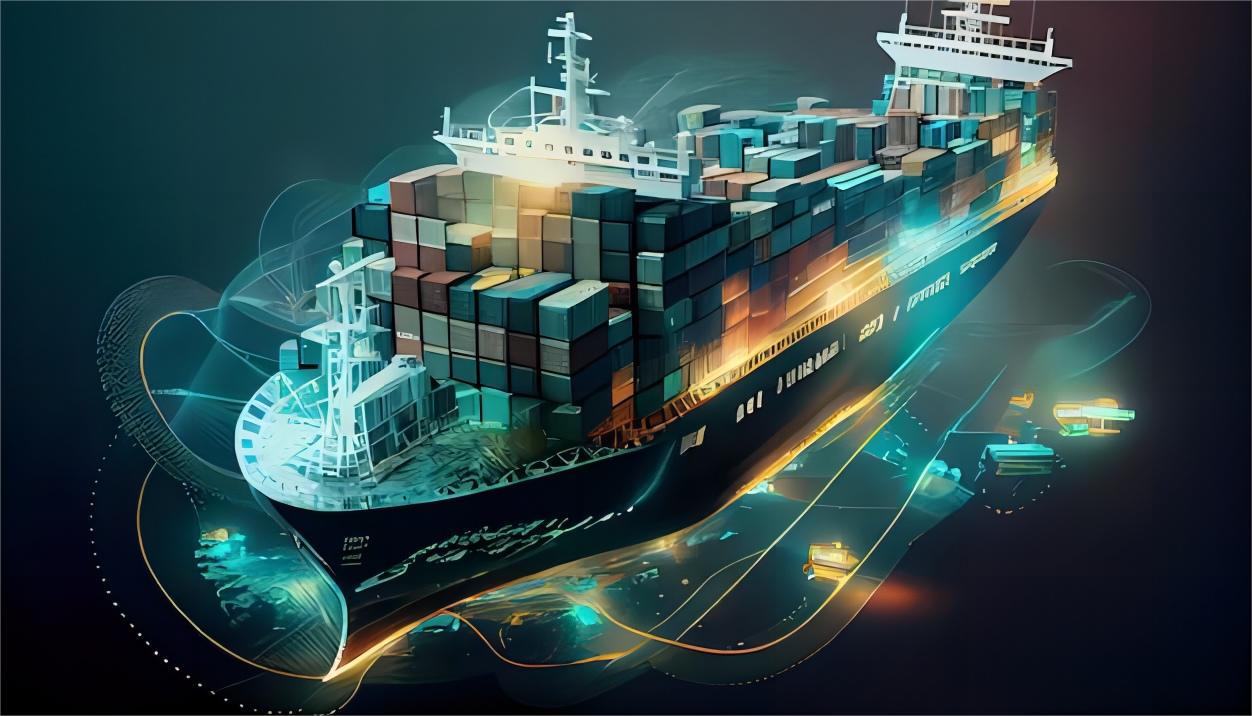
Full Container Load (FCL) shipping involves booking an entire container exclusively for your cargo. This method is ideal for businesses importing large quantities of goods, offering both security and efficiency.
For businesses in Illinois, FCL shipping from China provides direct routing and generally faster transit times compared to Less than Container Load (LCL). Furthermore, it offers greater control over your cargo and potentially lower per-unit costs.
FCL shipments typically utilize standard container sizes, such as 20-foot (20GP) or 40-foot (40GP/40HQ) units. Selecting the correct container size is a critical early step in the sea freight booking process.
Key Stages of the FCL Booking Process from China to Illinois
Step 1: Requesting a Quote and Booking Confirmation
The initial phase involves requesting a detailed quote from a reputable freight forwarder. Provide comprehensive shipment details, including origin, destination, cargo type, dimensions, and weight.
Upon reviewing quotes, proceed with booking your container. The forwarder then confirms vessel space and issues a booking confirmation for your FCL shipment.
Step 2: Cargo Preparation and Documentation
Thoroughly prepare your goods for international transit, including proper packaging, labeling, and palletization. This step prevents damage and ensures efficient cargo handling.
Simultaneously, gather all necessary documentation, such as the Commercial Invoice, Packing List, Bill of Lading (BOL), and Certificate of Origin. Accurate paperwork streamlines the entire process.
Step 3: Origin Logistics and Ocean Transit
Once cargo is ready, the freight forwarder arranges for container pickup from your supplier’s factory in China. It is then transported to the designated port of loading.
After arriving at the port, the container undergoes customs clearance in China and is loaded onto the vessel. The vessel then embarks on its journey towards a US port, typically on the West or Gulf Coast.
Step 4: Destination Logistics and Delivery
Upon arrival at the US port, the container is unloaded and prepared for further transportation. This process includes port handling and drayage to an inland rail yard or distribution center.
Subsequently, the shipment undergoes US customs brokerage and clearance. Once cleared, the container is transported by rail or truck to its final destination in Illinois, often via a door-to-door service.
Understanding FCL Shipping Costs and Quotes
FCL shipping rates from China to Illinois comprise several key elements, including ocean freight, origin charges, destination charges, and inland transportation costs. Understanding each component is essential for accurate budgeting.
Freight rates are highly dynamic, influenced by factors like fuel prices, carrier capacity, and seasonal demand. For instance, rates often increase during peak seasons like the pre-holiday rush (August-October) by 15-25%.

Always request a detailed, all-inclusive quote from your freight forwarder, clearly itemizing all charges. Comparing multiple quotes helps ensure competitive pricing for your full container load shipping process.
Note: Freight rates are subject to change based on fuel costs, carrier capacity, and seasonal demand. Contact us for a current quote tailored to your specific shipment.
Documentation Requirements for FCL Shipments
Proper documentation is the backbone of any international FCL shipment, preventing delays and ensuring compliance. Missing or incorrect paperwork can lead to significant customs issues and additional costs.
The primary documents required include the Commercial Invoice, Packing List, Bill of Lading (BOL), and Certificate of Origin. These are fundamental for customs clearance and smooth import procedures into Illinois.
Depending on the cargo type, additional permits or certifications might be necessary. Your chosen freight forwarder can guide you through specific requirements for importing goods from China to Illinois.
| Document | Purpose | Issuing Party | Key Details |
|---|---|---|---|
| Commercial Invoice | Declares goods’ value for customs | Seller/Exporter | Item description, quantity, price, terms of sale |
| Packing List | Details cargo contents and dimensions | Seller/Exporter | Itemized list of goods, packaging type, weight, dimensions |
| Bill of Lading (BOL) | Contract of carriage and title | Carrier/Forwarder | Shipper, consignee, cargo details, port of loading/discharge |
| Certificate of Origin | Verifies country of manufacture | Chamber of Commerce/Exporter | Country of origin, goods description |
| Importer Security Filing (ISF) | US Customs security declaration | Importer/Agent | Importer, consignee, manufacturer, container stuffing location |
Navigating Customs Clearance for Illinois Imports
Clearing customs is a critical step for any FCL shipment entering the United States en route to Illinois. This process involves submitting accurate documentation, paying applicable duties, and complying with import regulations.
Before your vessel departs China, an Importer Security Filing (ISF) must be submitted to US Customs and Border Protection (CBP). Failure to comply can result in significant penalties.
Be aware of potential duties and tariffs imposed on goods imported from China, such as Section 301 tariffs. These additional costs can significantly impact your total landed cost for your full container load shipping process.
While most shipments clear quickly, some may be selected for customs inspections. These can cause delays, so having all documentation in order minimizes such interruptions.
How Does FCL Shipping Compare to Other Options?
While FCL shipping from China to Illinois is often the most economical for large volumes, it’s crucial to compare it with other available methods. This comparison helps in making informed decisions based on your cargo, budget, and urgency.
For shipments under 15 CBM, Less than Container Load (LCL) might seem cheaper. However, FCL provides dedicated space, reducing handling and offering faster transit times compared to LCL’s consolidation and deconsolidation fees.
Air freight offers significantly faster transit, usually 5-7 days, compared to sea freight’s 30-35 days for China to Illinois. Nevertheless, air freight costs are substantially higher, best suited for high-value, time-sensitive cargo.
Intermodal rail transport plays a huge role once cargo reaches a US West Coast port. It offers a cost-effective and environmentally friendly alternative to long-haul trucking for inland movement to Illinois.
| Shipping Method | Cost Range (40HQ/1000kg) | Transit Time | Best For | Limitations |
|---|---|---|---|---|
| FCL Sea Freight | $4,000 – $6,000 (40HQ) | 30-35 days | Large volumes, non-urgent | Slow transit, port congestion risk |
| LCL Sea Freight | $100 – $180/CBM | 35-45 days | Smaller volumes (under 15 CBM) | Slower, more handling, higher risk of damage |
| Air Freight | $6 – $10/kg (1000kg) | 5-7 days | High-value, urgent, small cargo | Very expensive, limited volume capacity |
| Intermodal Rail (after sea) | Included in FCL/LCL | Adds 5-7 days to sea transit | Inland transport after port | Requires sea leg, less flexible routing |

Which Option Should You Choose?
If budget is your primary concern and you have ample lead time, FCL sea freight is almost always the most cost-effective option for substantial volumes.
Conversely, if time is critical for market entry or urgent stock replenishment, air freight is the undisputed choice, despite its higher cost.
For extremely large or bulky items, FCL is necessary. Smaller, less time-sensitive cargo might use LCL, while hybrid solutions can offer a middle ground.
Real-World FCL Shipping Scenarios to Illinois
To illustrate the complexities and solutions in FCL shipping, let’s examine a few real-world case studies. These scenarios highlight typical challenges and successful strategies for importers shipping to Illinois.
Case Study 1: Consumer Electronics from Shanghai to Chicago
Efficient intermodal rail from the West Coast significantly reduced overall transit time and costs compared to all-trucking to Illinois.
| Detail | Value |
|---|---|
| Route | Shanghai, China -> Chicago, USA |
| Cargo | Consumer Electronics, 65 CBM, 12,000 kg |
| Container | 40HQ |
| Carrier/Service | Maersk |
| Port of Loading | Shanghai |
| Port of Discharge | Long Beach, CA (then intermodal rail to Chicago) |
| Route Type | Transshipment via Long Beach |
| Ocean Freight | $4,800 |
| Origin Charges (THC, documentation) | $550 |
| Destination Charges (Drayage, rail to Chicago) | $2,200 |
| Customs & Duties (estimated) | $1,500 |
| Total Landed Cost | $9,050 |
| Booking to Loading | 5 days |
| Sea Transit | 18 days |
| Customs Clearance | 3 days |
| Total Door-to-Door | 28 days |
Case Study 2: Furniture Imports from Ningbo to Bloomington, IL
Choosing a direct East Coast port minimized transshipment complexities, though inland trucking added significant time to the journey to Illinois.
| Detail | Value |
|---|---|
| Route | Ningbo, China -> Bloomington, IL, USA |
| Cargo | Flat-pack Furniture, 30 CBM, 8,000 kg |
| Container | 20GP |
| Carrier/Service | COSCO |
| Port of Loading | Ningbo |
| Port of Discharge | New York/New Jersey (NYNJ) |
| Route Type | Direct to East Coast, then truck to Illinois |
| Ocean Freight | $3,200 |
| Origin Charges (THC, documentation) | $480 |
| Destination Charges (Drayage, truck to Bloomington) | $1,800 |
| Customs & Duties (estimated) | $1,000 |
| Total Landed Cost | $6,480 |
| Booking to Loading | 7 days |
| Sea Transit | 32 days |
| Customs Clearance | 4 days |
| Total Door-to-Door | 43 days |
Case Study 3: Industrial Components from Shenzhen to Peoria, IL (Amazon FBA)
Integrating Amazon FBA services required precise coordination for final mile delivery and adherence to Amazon’s strict receiving guidelines for the Illinois warehouse.
| Detail | Value |
|---|---|
| Route | Shenzhen, China -> Peoria, IL (Amazon FBA warehouse), USA |
| Cargo | Industrial Components, 55 CBM, 15,000 kg |
| Container | 40HQ |
| Carrier/Service | MSC |
| Port of Loading | Shenzhen |
| Port of Discharge | Savannah, GA (then rail to Chicago, truck to Peoria FBA) |
| Route Type | Transshipment via Savannah for FBA delivery |
| Ocean Freight | $5,500 |
| Origin Charges (THC, documentation) | $600 |
| Destination Charges (Rail/Truck to Peoria FBA) | $2,800 |
| Customs & Duties (estimated) | $1,800 |
| Total Landed Cost | $10,700 |
| Booking to Loading | 6 days |
| Sea Transit | 30 days |
| Customs Clearance | 5 days |
| Total Door-to-Door | 41 days |
Optimizing the FCL Booking Process for China to Illinois
Selecting a reliable freight forwarder is paramount for a smooth FCL shipping process from China to Illinois. Look for partners with extensive experience on this specific route and strong carrier relationships.
Early planning is critical, especially during peak seasons or holidays. Booking container space well in advance can help secure better rates and avoid potential delays, enhancing your supply chain management.
Always consider comprehensive marine cargo insurance to protect your investment against unforeseen events like damage, loss, or theft during transit. Insurance provides a worthwhile safeguard.
Utilize modern logistics platforms that offer real-time tracking and visibility of your FCL shipments. Knowing your cargo’s exact location provides peace of mind and allows for better inventory management.
Challenges in the FCL Booking Process for China to Illinois
One common challenge is port congestion, which can lead to significant delays in vessel berthing and container unloading. This issue is particularly prevalent during peak shipping seasons.
Inaccurate documentation or non-compliance with import regulations can cause customs delays. Work closely with your customs broker to ensure all paperwork is precise and submitted on time.
Hidden fees or unforeseen surcharges can inflate shipping costs. Always request an all-inclusive quote and clarify any potential additional charges beforehand from your forwarder.
Miscommunication between suppliers, forwarders, and consignees can lead to errors. Establishing clear communication channels and utilizing dedicated account managers can prevent misunderstandings.
Conclusion
The booking process for FCL shipping from China to Illinois, while detailed, is entirely manageable with the right approach and a reliable logistics partner. By understanding each stage, from quoting to customs clearance and final delivery, you can ensure your goods arrive efficiently and cost-effectively. Ultimately, a well-executed FCL strategy is vital for a robust international supply chain.
Need a tailored shipping solution?
Ready to streamline your full container load shipments from China to Illinois? Let our experts guide you through every step of the booking process for FCL shipping from China to Illinois. Contact China Top Freight today for a personalized quote and a seamless shipping experience.