

40HQ FCL Shipping from China to UK: Your Ultimate Guide
Navigating the complexities of international logistics can be daunting, especially when dealing with large volumes. If you’re looking to import substantial goods, understanding 40HQ FCL shipping from China to UK is crucial. This comprehensive guide from China Top Freight will demystify the process, helping you optimize your supply chain and ensure smooth delivery.
Understanding 40HQ FCL Shipping from China to UK
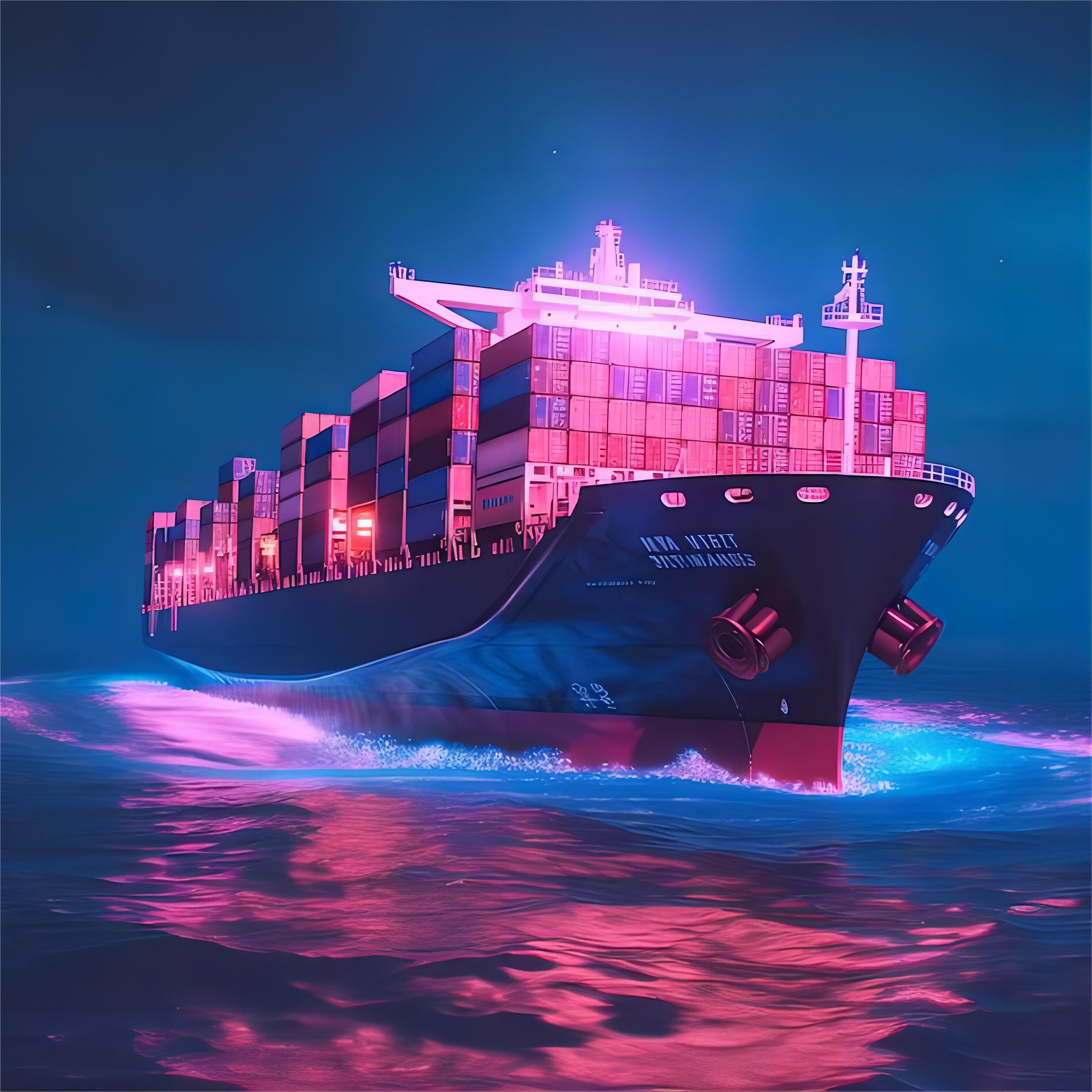
Full Container Load (FCL) shipping involves reserving an entire container for your goods, regardless of whether it’s completely filled. A 40HQ, or 40-foot High Cube container, offers increased height compared to a standard 40GP, providing approximately 76 cubic meters (CBM) of space. This makes it ideal for shipping high-volume or bulky cargo efficiently.
Conversely, choosing FCL shipping from China to UK offers several advantages, including greater security, faster transit times, and reduced risk of damage due to minimal cargo handling. It is a preferred option for businesses with significant import needs, ensuring dedicated space and streamlined logistics.
Ultimately, FCL streamlines your import/export operations, especially for large consignments. This method significantly enhances your control over the entire shipping process, from loading in China to final delivery in the UK.
Why Choose 40HQ FCL for Your UK Imports?
Opting for a 40HQ FCL shipment provides unparalleled cost-effectiveness for large-volume imports. When your cargo exceeds a certain threshold (typically 15-20 CBM), the per-unit cost of shipping via FCL becomes significantly lower than Less than Container Load (LCL) options. This directly impacts your bottom line, increasing profit margins.
Moreover, FCL shipping offers enhanced security and reduced transit times. Since your goods are the sole occupants of the container, there’s less handling and a lower risk of damage or loss. Furthermore, FCL containers are dispatched directly to their destination port, bypassing consolidation and deconsolidation delays inherent in LCL services.
Therefore, for businesses importing substantial quantities of goods, 40HQ FCL shipping is often the most strategic and economical choice. It ensures your supply chain remains robust and predictable, crucial for maintaining inventory levels and meeting customer demand.
Key Considerations for Your 40HQ FCL Shipment
Before initiating your 40HQ FCL shipping from China to UK, several critical factors require attention. Proper documentation is paramount, including commercial invoices, packing lists, bills of lading, and certificates of origin. Errors or omissions in these documents can lead to significant delays and additional costs at customs.
Furthermore, understanding UK import duties and taxes is essential for accurate financial planning. The UK’s customs regulations require precise classification of goods using Harmonized System (HS) codes. Engaging a professional for customs brokerage can simplify this complex process, ensuring compliance and avoiding penalties.
Additionally, choosing appropriate Incoterms (International Commercial Terms) dictates the responsibilities and liabilities between buyer and seller. Common choices like FOB (Free On Board) or EXW (Ex Works) significantly impact who pays for which part of the shipping process, affecting your overall shipping costs and delivery schedule.
| Document Type | Purpose | Required For |
|---|---|---|
| Commercial Invoice | Details goods, value, seller/buyer | Customs clearance, payment |
| Packing List | Itemizes contents, weights, dimensions | Customs, cargo handling |
| Bill of Lading (B/L) | Contract of carriage, title to goods | Release of cargo at destination |
| Certificate of Origin | Confirms country of manufacture | Tariff treatment, trade agreements |
| Import License (if applicable) | Permission for restricted goods | Specific product categories |
Navigating Transit Times and Routes for China to UK FCL
The transit time for 40HQ FCL shipping from China to UK typically ranges from 30 to 38 days. This duration can vary based on the specific port of loading in China, the destination port in the UK, and the chosen shipping carrier’s route and schedule. Direct services usually offer faster transit compared to routes involving transshipment.
Major Chinese ports for UK-bound shipments include Shanghai, Ningbo, Shenzhen, and Qingdao. In the UK, key receiving ports are Felixstowe, Southampton, and London Gateway. The efficiency of port operations and potential port congestion at either end can also influence the overall delivery schedule.
Selecting a reputable carrier with a proven track record for this route is crucial for reliable transit times. Factors like vessel speed, weather conditions, and unforeseen logistical trends can impact schedules, making contingency planning advisable for your supply chain.
| Origin Port (China) | Destination Port (UK) | Typical Sea Transit (Days) |
|---|---|---|
| Shanghai | Felixstowe | 32-37 |
| Ningbo | Southampton | 30-35 |
| Shenzhen | London Gateway | 33-38 |
| Qingdao | Felixstowe | 34-39 |
How Does 40HQ FCL Compare to Other Shipping Options?
When considering sea freight from China to UK, comparing FCL with other methods is vital for informed decision-making. Less than Container Load (LCL) is an alternative for smaller shipments, where your goods share container space with others. While LCL might seem cheaper upfront for low volumes, FCL becomes more economical and efficient once your cargo exceeds 15-20 CBM.
Conversely, air freight offers significantly faster transit times, typically 5-7 days, but at a much higher cost. For urgent or high-value, low-volume goods, air freight is indispensable. However, for bulk goods like those suited for a 40HQ FCL, the cost difference is substantial, often making air freight impractical.
Ultimately, the choice hinges on your priorities: speed versus cost. For most businesses importing large quantities, the balance of affordability and reasonable transit time offered by 40HQ FCL shipping from China to UK is unmatched. This method optimizes freight rates for significant volumes, supporting a steady supply chain without excessive expense.
| Shipping Method | Cost Range (40HQ equivalent) | Transit Time | Best For | Limitations |
|---|---|---|---|---|
| 40HQ FCL Sea Freight | $3,500-4,500 | 30-38 days | Bulk, non-urgent goods, cost-efficiency | Longer transit, port congestion risk |
| LCL Sea Freight | $50-80/CBM (higher per unit) | 35-45 days | Small to medium volumes, cost-conscious | More handling, slower, potential delays |
| Air Freight | $15,000-25,000 | 5-7 days | Urgent, high-value, low-volume goods | Very high cost, weight/size restrictions |

Cost Factors and Pricing for 40HQ FCL Shipping
The cost of 40HQ FCL shipping from China to UK is influenced by numerous factors, making it a dynamic figure. Key elements include the ocean freight rate itself, which fluctuates based on carrier capacity, fuel surcharges (Bunker Adjustment Factor – BAF), and seasonal demand. Peak seasons, like pre-Chinese New Year or Q4, typically see higher freight rates.
Moreover, origin charges in China encompass drayage to the port, terminal handling charges (THC), documentation fees, and customs clearance. Similarly, destination charges in the UK include port charges, customs inspection fees, and local delivery to your warehouse. These ‘hidden’ costs can significantly impact the total landed cost of your goods.
As of Q1 2025, freight rates for a 40HQ from China to the UK typically range from $3,500 to $4,500 for ocean freight alone, excluding origin and destination charges. These figures are subject to change based on global logistics trends and geopolitical events. Always request a current quote for precise pricing tailored to your specific needs.
Note: Freight rates are subject to change based on fuel costs, carrier capacity, and seasonal demand. Contact us for a current quote tailored to your specific shipment.
Optimizing Your 40HQ FCL Logistics
Efficient 40HQ FCL shipping from China to UK requires proactive planning and strategic partnerships. Begin by forecasting your inventory needs accurately to consolidate shipments and maximize container utilization. This approach minimizes wasted space and optimizes your overall shipping costs.
Furthermore, consider leveraging integrated services like Amazon FBA preparation or door-to-door service. These options streamline the entire logistics chain, handling everything from factory pickup to final delivery at your warehouse or Amazon fulfillment center. This reduces complexity and potential delays.
Indeed, partnering with a reliable freight forwarder with extensive experience on the China-UK route is paramount. They can offer expert advice on routes, customs, and optimal timing, ensuring your goods arrive on schedule and within budget. Their expertise is invaluable for navigating potential challenges in your supply chain.
Real-World Scenarios: 40HQ FCL Shipping Successes
Understanding how 40HQ FCL shipping operates in practice can provide valuable insights. These case studies highlight diverse scenarios and demonstrate the effectiveness of FCL for various businesses importing from China to the UK. They showcase the practical application of efficient logistics strategies.
Case Study 1: Furniture Importer
A UK-based furniture retailer regularly imports large volumes of flat-packed furniture. Their primary concern was balancing cost-efficiency with predictable delivery schedules to maintain inventory. 40HQ FCL proved to be the ideal solution for their consistent, bulky shipments.
| Detail | Description |
|---|---|
| Route | Foshan, China Felixstowe, UK |
| Cargo | Flat-packed wooden furniture, 68 CBM, 15,000 kg |
| Container | 40HQ |
| Shipping Details | Carrier: MSC (direct service), Port of Loading: Nansha, Port of Discharge: Felixstowe, Route Type: Direct |
| Cost Breakdown (Based on Q4 2024 rates) | Ocean Freight: $4,100, Origin Charges: $550, Destination Charges: $700, Customs & Duties (estimated): $1,200, Total Landed Cost: $6,550 |
| Timeline | Booking to Loading: 5 days, Sea Transit: 34 days, Customs Clearance: 2 days, Total Door-to-Door: 41 days |
| Key Insight | Utilizing a direct service during peak season (Q4) ensured minimal delays despite higher rates, maintaining a critical delivery schedule. |

Case Study 2: Electronics Distributor
An electronics distributor required secure and timely delivery of sensitive, high-value consumer electronics. While not always filling a 40HQ, the dedicated container space of FCL minimized handling and risk, justifying the cost for their specific product type.
| Detail | Description |
|---|---|
| Route | Shenzhen, China Southampton, UK |
| Cargo | Consumer electronics, 55 CBM, 9,000 kg |
| Container | 40HQ (partially filled for security) |
| Shipping Details | Carrier: COSCO, Port of Loading: Yantian, Port of Discharge: Southampton, Route Type: Direct |
| Cost Breakdown (Based on Q1 2025 rates) | Ocean Freight: $3,800, Origin Charges: $500, Destination Charges: $650, Customs & Duties (estimated): $1,500, Total Landed Cost: $6,450 |
| Timeline | Booking to Loading: 7 days, Sea Transit: 33 days, Customs Clearance: 3 days, Total Door-to-Door: 43 days |
| Key Insight | Prioritizing cargo security for high-value goods led to FCL even when not fully utilized, offering peace of mind and reduced insurance costs. |
Case Study 3: Retail Goods Supplier
A diverse retail supplier with varied product lines needed a consistent shipping solution for general merchandise. They utilized 40HQ FCL to consolidate different product types into single shipments, streamlining their inventory management and reducing overall freight costs.
| Detail | Description |
|---|---|
| Route | Ningbo, China London Gateway, UK |
| Cargo | Mixed retail goods (textiles, kitchenware), 72 CBM, 18,000 kg |
| Container | 40HQ |
| Shipping Details | Carrier: Maersk (transshipment via Singapore), Port of Loading: Ningbo, Port of Discharge: London Gateway, Route Type: Transshipment |
| Cost Breakdown (Based on Q2 2025 rates) | Ocean Freight: $3,600, Origin Charges: $520, Destination Charges: $680, Customs & Duties (estimated): $1,000, Total Landed Cost: $5,800 |
| Timeline | Booking to Loading: 6 days, Sea Transit: 36 days, Customs Clearance: 2 days, Total Door-to-Door: 44 days |
| Key Insight | Opting for a slightly longer transshipment route offered a more competitive freight rate, successfully balancing cost-saving with acceptable delivery times. |
Which Shipping Option Should You Choose?
Deciding on the best shipping method for your goods involves weighing several factors. If budget is your primary concern and you have large volumes of non-urgent goods, then sea freight, specifically 40HQ FCL, is unequivocally the most cost-effective solution. This method significantly reduces per-unit shipping costs, bolstering your profit margins.
Conversely, if speed is paramount for time-sensitive or high-value items, air freight is the superior choice, despite its higher expense. For cargo types that are fragile or require minimal handling, FCL provides dedicated space and security, reducing potential damage. Finally, for shipments under 15-20 CBM, LCL sea freight might be a suitable, economical alternative, though with longer transit times.
Ultimately, the ideal choice aligns with your specific cargo, budget, and delivery schedule. Consider these trade-offs carefully to optimize your logistics strategy for shipping from China to the UK.
Partnering with China Top Freight for Seamless Shipping
Navigating the complexities of 40HQ FCL shipping from China to UK demands expertise and a reliable partner. China Top Freight specializes in comprehensive logistics solutions, ensuring your cargo reaches its destination efficiently and securely. We offer tailored services designed to meet your unique supply chain requirements.
We possess in-depth knowledge of both Chinese export procedures and UK import regulations, ensuring smooth customs clearance and compliance. Our extensive network and experience in shipping to Europe position us as your ideal partner for robust and predictable delivery schedules. Let us handle the intricacies while you focus on your business growth.
Conclusion: Master Your 40HQ FCL Shipping to the UK
In summary, 40HQ FCL shipping from China to UK presents an excellent solution for businesses importing large volumes of goods. It offers a compelling balance of cost-effectiveness, security, and reasonable transit times when compared to other methods. Understanding the key considerations, from documentation to cost factors, is crucial for success.
By strategically planning your shipments and partnering with an experienced freight forwarder, you can navigate the complexities of international logistics with confidence. Optimize your supply chain, control your shipping costs, and ensure a reliable flow of goods to the UK market.
Need a tailored shipping solution?
Ready to streamline your 40HQ FCL shipping from China to UK? Contact China Top Freight today for a personalized quote and expert guidance. Our team is prepared to help you optimize your logistics and ensure a smooth, cost-effective shipping experience.