40HQ FCL Transit Time: Solar Panels China to France
“Understanding the transit time for your solar panel shipments from China to France is crucial for effective project planning and supply chain management. This guide provides a comprehensive overview of the 40HQ FCL transit time for solar panels, helping you anticipate delivery schedules and manage expectations. We aim to equip you with the knowledge needed for smooth and timely imports, ensuring your renewable energy projects stay on track. For reliable shipping solutions, visit China Top Freight.”
What is 40HQ FCL Shipping for Solar Panels?
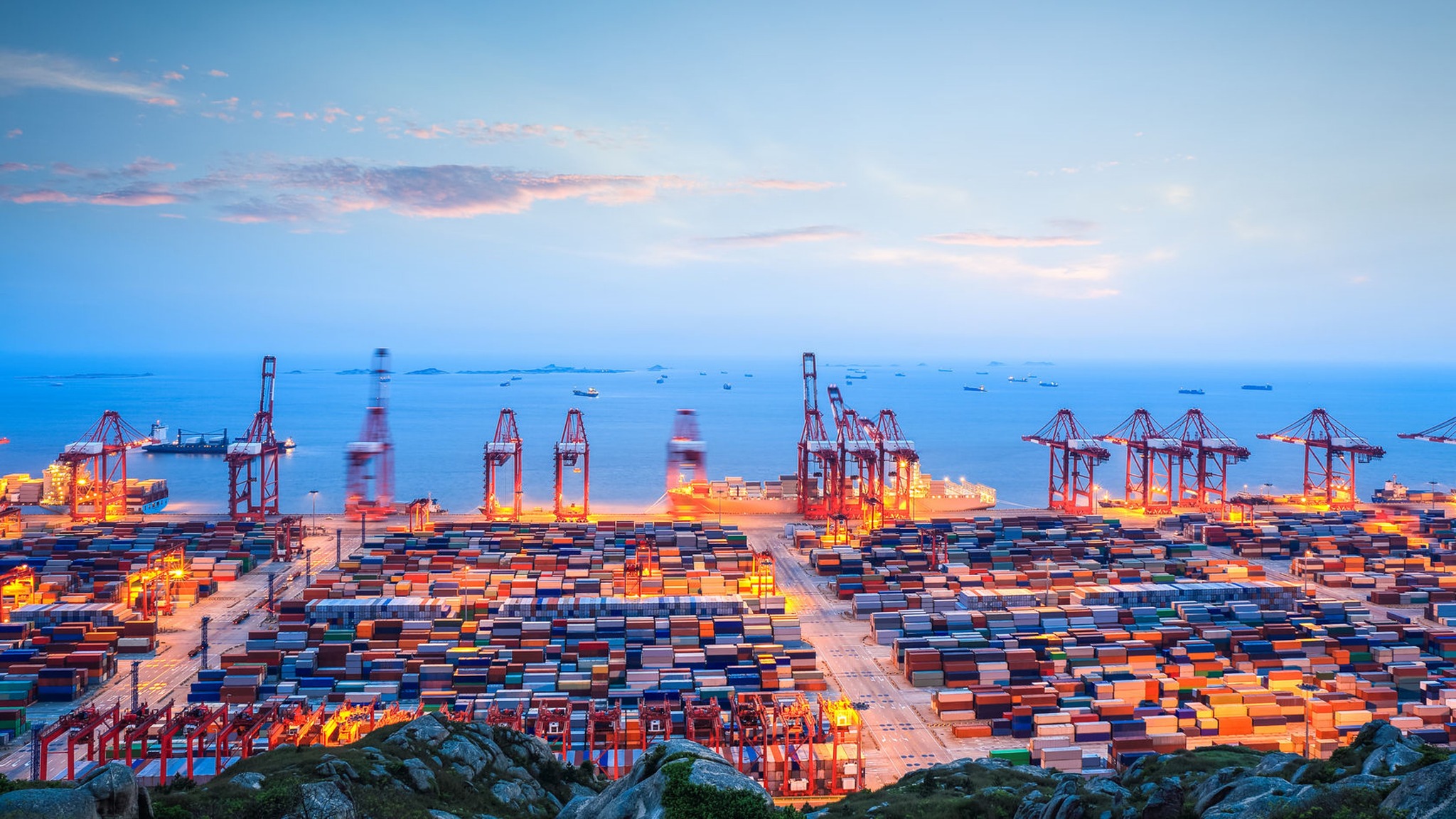
❖Firstly, a 40HQ (40-foot High Cube) container is a standard shipping unit, measuring 40 feet long, 8 feet wide, and 9.5 feet high. This extra height provides significant additional cubic capacity, making it ideal for bulky cargo like solar panels. Consequently, it allows for more modules per shipment, optimizing space and reducing per-unit shipping costs.
Furthermore, FCL stands for Full Container Load, meaning your solar panels will be the sole contents of the container. This method offers several advantages, including reduced handling, enhanced security, and often faster transit times compared to Less than Container Load (LCL) shipments. Therefore, for large-scale solar projects, 40HQ FCL is typically the preferred shipping solution from China to France.
Key Factors Influencing 40HQ FCL Transit Time from China to France
❖Several critical elements dictate the overall 40HQ FCL transit time for solar panels from China to France. Understanding these factors helps in setting realistic expectations and planning your supply chain effectively. Moreover, careful consideration of these aspects can significantly impact your project timeline and budget.
Primarily, the specific port of origin in China and the destination port in France play a major role. Major ports like Shanghai, Ningbo, or Shenzhen in China and Le Havre, Marseille, or Dunkirk in France generally offer more direct routes and frequent sailings. Conversely, smaller ports might involve transshipment, adding several days to the journey.
Carrier Service and Route Selection
Secondly, the choice of shipping carrier and the service route profoundly affects transit duration. Direct services, though sometimes pricier, offer the fastest transit as they avoid intermediate stops. On the other hand, services involving transshipment through hubs like Singapore or Port Klang can extend the total transit time. Therefore, selecting the right carrier service is a strategic decision.
Additionally, different carriers have varying schedules and vessel speeds. Some carriers prioritize speed, while others focus on cost-effectiveness. Consequently, researching and comparing various carrier options is essential for balancing your priorities. Your freight forwarder can provide valuable insights into these choices.
Seasonal Variations and Port Congestion
Seasonal peaks, such as before major holidays like Chinese New Year or during the peak shipping season (August to October), often lead to port congestion. This can cause significant delays in vessel loading and departure. Furthermore, unexpected events like bad weather or labor disputes can also disrupt shipping schedules. Thus, flexibility in planning is highly advisable.
As a result, it is wise to factor in potential delays, especially when shipping during these busy periods. Booking well in advance can help mitigate some of these risks. Indeed, staying informed about global shipping conditions is a vital part of managing logistics effectively.
Customs Clearance and Documentation
Efficient customs clearance at both the origin and destination ports is paramount for timely delivery. Inaccurate or incomplete documentation can lead to significant delays and additional costs. Therefore, ensuring all paperwork, including commercial invoices, packing lists, and certificates of origin, is meticulously prepared is crucial. Our customs brokerage services can streamline this process.
Moreover, specific import regulations for solar panels in France and the EU must be strictly adhered to. Non-compliance can result in inspections, penalties, and prolonged holding times at the port. Consequently, partnering with an experienced freight forwarder who understands these nuances is highly beneficial for smooth customs procedures.
Typical 40HQ FCL Transit Times to France
❖Generally, the sea transit time for a 40HQ FCL container carrying solar panels from major Chinese ports to key French ports ranges from 28 to 38 days. This estimate covers the time from vessel departure to arrival at the destination port. However, the total door-to-door transit time will be longer, accounting for pre-carriage, loading, customs, and final delivery. Hence, comprehensive planning is necessary.
For instance, shipments from Shanghai or Ningbo to Le Havre often fall within the 30-35 day range for sea transit. Conversely, routes to southern French ports like Marseille might see slightly different durations. Always consult with your freight forwarder for the most current and accurate transit time estimates based on your specific route and carrier choice. This ensures you get the most reliable delivery schedule.
| Origin Port (China) | Destination Port (France) | Estimated Sea Transit Time (Days) | Common Carriers |
|---|---|---|---|
| Shanghai | Le Havre | 30-35 | COSCO, CMA CGM, Maersk |
| Ningbo | Marseille-Fos | 32-38 | MSC, Evergreen, Hapag-Lloyd |
| Shenzhen | Dunkirk | 28-33 | ONE, Yang Ming, ZIM |
| Qingdao | Le Havre | 33-37 | HMM, PIL, OOCL |

Cost Components of Shipping Solar Panels from China to France
❖Beyond transit time, understanding the financial aspects of your shipment is equally important for budgeting and project viability. Shipping solar panels involves various costs, each contributing to the total landed cost. Therefore, a clear breakdown of these expenses is essential for financial planning. This includes freight rates, surcharges, and local fees.
Firstly, the ocean freight rate is the primary cost for transporting your 40HQ FCL container. This rate fluctuates based on market demand, fuel prices, and carrier capacity. Secondly, origin charges cover local transport, terminal handling, and documentation at the Chinese port. Similarly, destination charges include port fees, handling, and customs clearance at the French port. Consequently, these charges can add a significant amount to the overall cost.
Customs Duties, Taxes, and Insurance
Importing solar panels into France means they are subject to EU customs duties and VAT. The specific rates depend on the type of solar panel and its Harmonized System (HS) code. Proper classification is crucial to avoid overpaying or facing penalties. Our customs brokerage experts can guide you through this complex process. Therefore, accurate documentation is key.
Moreover, cargo insurance is highly recommended to protect your investment against loss or damage during transit. While not always mandatory, the value of solar panels makes insurance a wise expenditure. Subsequently, budgeting for these additional costs ensures a comprehensive financial plan. Note: Freight rates are subject to change based on fuel costs, carrier capacity, and seasonal demand. Contact us for a current quote tailored to your specific shipment.
How Does 40HQ FCL Sea Freight Compare to Other Shipping Options?
❖While 40HQ FCL sea freight is often the most economical choice for solar panels, it is not the only option. Comparing it with other modes of transport reveals distinct advantages and disadvantages. Consequently, selecting the best method depends on your specific priorities, such as urgency, budget, and cargo volume. Each method presents a unique set of trade-offs.
For example, air freight offers significantly faster transit times but at a much higher cost. Rail freight provides a middle ground in terms of speed and cost for shipments to Europe. Meanwhile, Less than Container Load (LCL) sea freight is suitable for smaller volumes. Therefore, evaluating these alternatives is crucial for an informed decision.
| Shipping Method | Cost Range (40HQ Equivalent) | Transit Time (China-France) | Best For | Limitations |
|---|---|---|---|---|
| FCL Sea Freight (40HQ) | $3,000 – $4,500 | 28-38 Days | Large volumes, cost-efficiency, non-urgent | Long transit times, port congestion |
| LCL Sea Freight | $80 – $150/CBM | 35-50 Days | Small volumes (under 15 CBM), budget-conscious | Longer transit, more handling, less secure |
| Rail Freight | $8,000 – $12,000 | 15-20 Days | Moderate urgency, balance of cost/speed | Limited routes, potential transshipment, volume limits |
| Air Freight | $15,000 – $25,000+ | 5-10 Days | Extreme urgency, high-value, small volume | Very high cost, strict weight/size limits |

Sea Freight (FCL vs. LCL)
Full Container Load (FCL) shipping, particularly with a 40HQ, is ideal for large quantities of solar panels. It offers dedicated container space, minimizing handling and potential damage. Furthermore, FCL generally provides more predictable transit times. However, if your shipment is too small to fill a 40HQ, LCL (Less than Container Load) might seem appealing. LCL involves consolidating your cargo with others, reducing your direct container cost.
Nonetheless, LCL shipments often experience longer transit times due to the consolidation and deconsolidation processes at various ports. They are also subject to more handling, increasing the risk of damage. Therefore, for most solar panel importers, FCL remains the superior choice for efficiency and safety. Consider sea freight as your primary option.
Air Freight for Urgent Shipments
When speed is the absolute priority, air freight is an undeniable solution. It can deliver solar panels from China to France in 5-10 days, a stark contrast to sea freight’s weeks-long journey. This makes it suitable for urgent project deadlines, critical spare parts, or high-value, time-sensitive components. However, the cost is substantially higher, often 5-10 times that of sea freight. Consequently, it’s typically reserved for specific scenarios.
As a result, air freight is generally not economical for full 40HQ FCL volumes of solar panels. It is more practical for smaller, lighter consignments or when the financial implications of project delays outweigh the increased shipping cost. Therefore, carefully assess the urgency versus budget before opting for air transport. For smaller, urgent components, express service might be an option.
Rail Freight as an Alternative
Rail freight presents a viable middle-ground option for shipping goods from China to Europe, including France. It offers faster transit times than sea freight (typically 15-20 days) and is significantly more cost-effective than air freight. The New Silk Road railway routes connect major Chinese cities directly to European hubs. Therefore, it’s gaining popularity for certain types of cargo.
However, rail freight might have limitations regarding container availability and specific routes to France. Furthermore, not all solar panel suppliers are located near rail hubs, requiring additional inland transport. Nevertheless, for destinations accessible by rail, it can be an excellent balance of speed and cost. Always check specific rail route availability and schedules.
Which Option Should You Choose for Your Solar Panels?
❖Making the right shipping decision involves weighing various factors against your project’s specific requirements. There is no one-size-fits-all solution; consequently, a tailored approach is often the most effective. Understanding your priorities is the first step in selecting the optimal transport method. This framework helps clarify your options.
If your primary concern is minimizing costs, FCL sea freight for your 40HQ solar panel shipment remains the most economical choice. It offers the best value for large volumes, assuming you have sufficient lead time. Conversely, if project deadlines are tight and delays are costly, air freight, despite its expense, might be justifiable for critical components or smaller consignments. Hybrid solutions can also be considered.
Volume Thresholds and Hybrid Solutions
For shipments exceeding 15 CBM, FCL sea freight usually becomes more cost-effective than LCL. The cost per cubic meter drops significantly with a full container load. Therefore, optimizing your order quantity to fill a 40HQ container can lead to substantial savings. This strategy maximizes the value of your shipping investment.
Consider hybrid solutions for complex projects. For instance, you might ship the bulk of your solar panels via FCL sea freight for cost-efficiency. Meanwhile, critical inverters or specific components requiring immediate arrival could be sent via air freight. Our door-to-door service can coordinate these multi-modal solutions seamlessly, managing the entire logistics chain from China to France.
Real-World Scenarios: 40HQ FCL Solar Panel Shipments to France
❖To illustrate the practicalities of shipping solar panels, let’s examine a few real-world examples. These case studies highlight typical transit times, costs, and common challenges. Understanding these scenarios can help you better prepare for your own imports. Each example provides valuable insights into logistics planning.
These examples are based on Q3 2024 market rates, which may fluctuate. Always obtain a current quote for precise figures. They demonstrate the various factors at play in international shipping.
Case Study 1: Standard Project Shipment
Key Insight: This shipment demonstrates a typical, well-planned FCL solar panel import, balancing cost and reliable transit. Proactive documentation ensured smooth customs clearance, avoiding delays.
| Detail | Description |
|---|---|
| Route | Shanghai, China Le Havre, France |
| Cargo | 800 Monocrystalline Solar Panels, 65 CBM, 20,000 kg |
| Container | 40HQ FCL |
| Shipping Details | |
| – Carrier/Service | CMA CGM (Direct Service) |
| – Port of Loading | Shanghai |
| – Port of Discharge | Le Havre |
| – Route Type | Direct |
| Cost Breakdown | |
| – Ocean Freight | $3,800 |
| – Origin Charges | $450 |
| – Destination Charges | $600 |
| – Customs & Duties (est.) | $1,200 |
| – Total Landed Cost | $6,050 |
| Timeline | |
| – Booking to Loading | 7 days |
| – Sea Transit | 32 days |
| – Customs Clearance | 3 days |
| – Total Door-to-Door | 45 days |
Case Study 2: Remote Origin with Transshipment
Key Insight: This case highlights how a less direct origin port and transshipment can add to the transit time and overall cost. Early booking and clear communication with the freight forwarder were crucial to manage expectations. This demonstrates the importance of detailed planning for less common routes.
| Detail | Description |
|---|---|
| Route | Xiamen, China Marseille, France |
| Cargo | 750 Thin-Film Solar Panels, 60 CBM, 18,000 kg |
| Container | 40HQ FCL |
| Shipping Details | |
| – Carrier/Service | MSC (via Singapore) |
| – Port of Loading | Xiamen |
| – Port of Discharge | Marseille-Fos |
| – Route Type | Transshipment |
| Cost Breakdown | |
| – Ocean Freight | $4,100 |
| – Origin Charges | $500 |
| – Destination Charges | $650 |
| – Customs & Duties (est.) | $1,150 |
| – Total Landed Cost | $6,400 |
| Timeline | |
| – Booking to Loading | 10 days |
| – Sea Transit | 38 days |
| – Customs Clearance | 4 days |
| – Total Door-to-Door | 55 days |
Case Study 3: Peak Season Shipment with Delays
Key Insight: This case exemplifies the impact of peak season and unforeseen port congestion on transit times and costs. Despite early booking, external factors caused delays. It underscores the importance of a buffer in project timelines and having a responsive freight forwarder. The slight increase in origin charges was due to higher demand for trucking during peak season.
| Detail | Description |
|---|---|
| Route | Ningbo, China Dunkirk, France |
| Cargo | 820 Bifacial Solar Panels, 68 CBM, 21,500 kg |
| Container | 40HQ FCL |
| Shipping Details | |
| – Carrier/Service | Hapag-Lloyd (Direct, but congested) |
| – Port of Loading | Ningbo |
| – Port of Discharge | Dunkirk |
| – Route Type | Direct (affected by congestion) |
| Cost Breakdown | |
| – Ocean Freight | $4,200 (Peak Season Surcharge) |
| – Origin Charges | $550 |
| – Destination Charges | $620 |
| – Customs & Duties (est.) | $1,250 |
| – Total Landed Cost | $6,620 |
| Timeline | |
| – Booking to Loading | 12 days (due to port queue) |
| – Sea Transit | 36 days (slow steaming) |
| – Customs Clearance | 3 days |
| – Total Door-to-Door | 56 days |
Essential Documentation and Compliance for Solar Panels
❖Ensuring proper documentation is critical for smooth international shipping, particularly for solar panels. Incorrect or missing paperwork can lead to significant delays, fines, and even seizure of goods. Therefore, meticulous preparation is non-negotiable for compliance with both Chinese export and French import regulations. This aspect cannot be overstated.
Key documents typically include the commercial invoice, packing list, bill of lading, and certificate of origin. Additionally, for solar panels, specific certifications like CE marking, demonstrating conformity with EU health, safety, and environmental protection standards, are mandatory. Furthermore, understanding Incoterms (e.g., FOB, CIF, DDP) is vital as they define responsibilities and costs between buyer and seller.
EU Import Regulations for Renewable Energy Components
France, as part of the European Union, adheres to strict import regulations for renewable energy components. These regulations ensure product safety, environmental protection, and fair trade practices. Consequently, importers must verify that their solar panels meet all relevant EU directives and national French standards. This includes adherence to WEEE (Waste Electrical and Electronic Equipment) directives.
Moreover, tariffs and taxes can vary, so it’s essential to classify your solar panels correctly under the Harmonized System (HS) code. Working with an experienced freight forwarder who specializes in EU imports can simplify this complex process. They can provide expert guidance on compliance and help avoid costly mistakes. Therefore, professional assistance is highly recommended for navigating these intricate rules.
Why Choose a Specialized Freight Forwarder for Solar Panels?
❖Navigating the complexities of international shipping, especially for specialized cargo like solar panels, requires expertise. A professional freight forwarder offers invaluable services that can save you time, money, and potential headaches. They act as your logistics partner, managing the entire shipping process from origin to destination. Therefore, choosing the right partner is a strategic business decision.
A specialized freight forwarder possesses in-depth knowledge of routes, customs regulations, and carrier options specific to solar panel shipments. They can negotiate competitive freight rates, optimize your shipping schedule, and handle all necessary documentation. Furthermore, they provide real-time tracking and proactive communication, ensuring you are always informed about your shipment’s status. Consequently, their expertise minimizes risks and maximizes efficiency.
Conclusion: Mastering Your Solar Panel Imports to France
Effectively managing the 40HQ FCL transit time for solar panels from China to France is pivotal for the success of your renewable energy projects. By understanding the influencing factors, comparing shipping options, and preparing for customs requirements, you can significantly streamline your supply chain. Furthermore, leveraging the expertise of a specialized freight forwarder ensures that your valuable cargo arrives safely and on schedule. This comprehensive approach mitigates risks and optimizes costs.
Ultimately, informed decision-making regarding your logistics strategy is key to maintaining project timelines and budget control. Whether prioritizing speed, cost, or security, a well-executed shipping plan for your solar panels will contribute directly to your business’s success. Therefore, consider all variables and partner with experienced professionals to achieve efficient and reliable imports. We are here to support your logistics needs.
Ready to streamline your logistics?
Ready to optimize your solar panel imports? Contact us today for a personalized quote and expert advice on your 40HQ FCL transit time for solar panels from China to France. Our team is here to ensure a seamless and efficient shipping experience for your valuable cargo. We are committed to providing reliable logistics solutions tailored to your needs.
Request Quote