

20GP FCL Demurrage Prevention for Auto Parts from China to Miami
Shipping auto parts from China to Miami using a 20GP FCL container presents unique challenges, particularly regarding demurrage charges. These unforeseen costs can significantly inflate your import expenses, impacting profitability and supply chain efficiency. Understanding the root causes of demurrage and implementing proactive prevention strategies is therefore essential for importers. For comprehensive logistics solutions, visit China Top Freight.
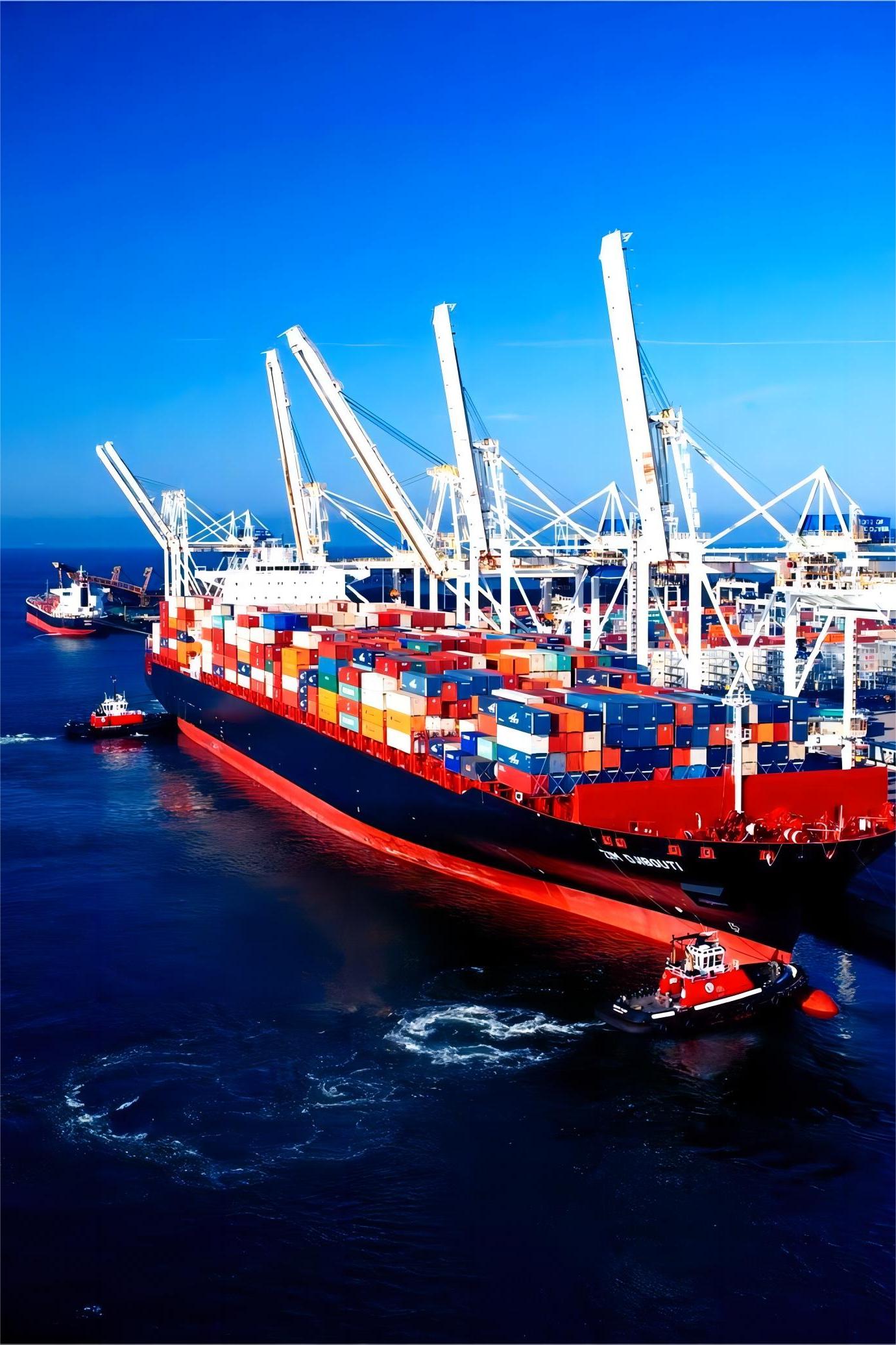
Understanding 20GP FCL Demurrage for Auto Parts Shipments
Demurrage refers to the charges levied by the shipping line when a container remains at the port terminal beyond the allotted free time. This free time typically ranges from 3 to 7 days, depending on the carrier and port. For auto parts, especially those with high value or specific handling requirements, exceeding this period can lead to substantial daily penalties.

Consequently, these charges can quickly accumulate, transforming a cost-effective 20GP FCL shipment into an expensive ordeal. Moreover, understanding the exact terms and conditions of free time at both the origin and destination ports is a critical first step. Importers must recognize that demurrage is distinct from detention, which relates to exceeding free time outside the port terminal.
Why is 20GP FCL Demurrage a Concern for Auto Parts to Miami?
Several factors contribute to the risk of demurrage when shipping auto parts from China to Miami. Firstly, the long transit times associated with sea freight mean that unforeseen delays can significantly impact schedules. Furthermore, the sheer volume and diversity of auto parts often lead to complex customs clearance processes.

Secondly, Miami’s port, while efficient, can experience congestion, particularly during peak seasons or due to unexpected weather events. Additionally, the specific regulatory requirements for importing auto parts into the U.S. demand meticulous documentation. Any discrepancies can cause holds, consequently triggering demurrage charges. Effective customs brokerage is thus vital.
Key Strategies for 20GP FCL Demurrage Prevention
Preventing demurrage requires a multi-faceted approach, combining meticulous planning with proactive communication. Implementing robust strategies throughout the supply chain is paramount. By focusing on these key areas, importers can significantly mitigate their risk and protect their profit margins.
Proactive Planning and Documentation Accuracy
Initiate planning well in advance of shipment. This includes thoroughly vetting your supplier in China to ensure they can meet production and documentation deadlines. Moreover, confirm all shipping documents, such as the commercial invoice, packing list, bill of lading, and certificate of origin, are accurate and complete before the vessel departs. Incomplete or incorrect paperwork is a leading cause of customs delays.
Additionally, collaborate closely with your freight forwarder to anticipate potential issues. A detailed shipping schedule, including estimated transit time and free time at the Port of Miami, should be established early on. Consequently, this allows for buffer time to address minor hitches without incurring penalties.
Optimizing Port Operations and Local Logistics in Miami
Efficiently managing the final leg of the journey in Miami is crucial. Firstly, ensure your receiving warehouse or distribution center is ready to accept the container immediately upon arrival. Pre-arranging drayage and unloading services can prevent costly delays. Secondly, establish clear communication channels with your local trucking company and warehousing staff.
Furthermore, consider utilizing a reliable door-to-door service. This integrated approach minimizes hand-off points and streamlines the entire delivery process from port to final destination. Consequently, it reduces the likelihood of delays that could lead to demurrage charges. Active monitoring of vessel tracking is also indispensable here.
Leveraging Technology and Expert Partnerships
Modern logistics platforms offer real-time tracking and predictive analytics, providing valuable insights into potential delays. Utilizing such tools allows for quick adjustments to schedules and resources. Moreover, partnering with an experienced freight forwarder specializing in China-USA routes is invaluable.
Indeed, a reputable forwarder possesses in-depth knowledge of port operations, customs regulations, and carrier free time policies. They can negotiate extended free time, expedite customs clearance, and provide alternative solutions during disruptions. This expert guidance is often the most effective demurrage prevention strategy.
How Does Sea Freight Compare to Other Shipping Options for Auto Parts?
Choosing the right shipping method for auto parts from China to Miami significantly impacts both cost and transit time. While 20GP FCL sea freight is generally the most economical for bulk shipments, other options exist, such as air freight for urgent shipments. Understanding the trade-offs is essential for informed decision-making.
Consider the various factors like urgency, cargo volume, and budget when evaluating alternatives. Each method presents a unique balance of speed, cost, and capacity. Therefore, a comprehensive comparison helps in selecting the optimal logistics solution for your specific auto parts requirements.
| Shipping Method | Cost Range (20GP Equivalent) | Transit Time (China to Miami) | Best For | Limitations |
|---|---|---|---|---|
| FCL Sea Freight (20GP) | $2,500 – $3,500 | 30-35 days | Large volume, non-urgent, cost-sensitive auto parts | Slowest transit, port congestion risk |
| LCL Sea Freight | $50 – $80 per CBM | 35-45 days | Smaller shipments (under 15 CBM), less urgent | Longer transit, potential for consolidation delays |
| Air Freight | $4.00 – $8.00 per kg | 5-7 days | Urgent, high-value, small volume auto parts | Highest cost, limited by cargo size/weight |
| Express Service | $8.00 – $15.00 per kg | 2-4 days | Very urgent, small parcels/samples, critical components | Extremely high cost, strict weight/size limits |
Real-World Demurrage Prevention: Case Studies
Examining actual shipping scenarios highlights the importance of effective demurrage prevention strategies. These case studies illustrate common challenges and successful approaches for shipping auto parts from China to Miami. They offer practical insights into managing complex logistics processes.
Case Study 1: Consolidating Multiple Suppliers for a 20GP FCL
This case involved an importer sourcing various auto parts from three different manufacturers in Guangzhou. The goal was to consolidate into a single 20GP FCL container to Miami, optimizing freight costs. Efficient coordination was paramount to avoid demurrage.
| Detail | Description | ||||
|---|---|---|---|---|---|
| Route | Guangzhou, China -> Miami, USA | ||||
| Cargo | Diverse auto parts (engine components, body panels, accessories), 25 CBM, 12,000 kg | ||||
| Container | 20GP FCL | ||||
| Shipping Details | Carrier: COSCO, Port of Loading: Nansha, Port of Discharge: Port of Miami, Route Type: Direct | ||||
| Cost Breakdown (Estimated Q3 2024) | Ocean Freight: $2,800 | Origin Charges: $450 | Destination Charges: $600 | Customs & Duties: $900 | Total Landed Cost: $4,750 |
| Timeline | Booking to Loading: 7 days | Sea Transit: 32 days | Customs Clearance: 2 days | Total Door-to-Door: 38 days | |
| Key Insight | Pre-arranged consolidation at origin warehouse, meticulous documentation, and pre-clearance with customs brokerage prevented delays. All suppliers met their deadlines. |
Case Study 2: Expedited Clearance for Time-Sensitive Auto Parts
A Miami-based auto repair shop needed a critical batch of OEM parts quickly to fulfill urgent repair orders. While sea freight was chosen for cost-efficiency, minimizing port time was essential. This scenario emphasized the need for rapid processing upon arrival.
| Detail | Description | ||||
|---|---|---|---|---|---|
| Route | Shanghai, China -> Miami, USA | ||||
| Cargo | OEM brake systems and suspension kits, 20 CBM, 10,000 kg | ||||
| Container | 20GP FCL | ||||
| Shipping Details | Carrier: Maersk, Port of Loading: Shanghai, Port of Discharge: Port of Miami, Route Type: Direct | ||||
| Cost Breakdown (Estimated Q4 2024) | Ocean Freight: $3,100 | Origin Charges: $480 | Destination Charges: $650 | Customs & Duties: $1,100 | Total Landed Cost: $5,330 |
| Timeline | Booking to Loading: 5 days | Sea Transit: 30 days | Customs Clearance: 1 day | Total Door-to-Door: 36 days | |
| Key Insight | Utilized a specialized customs broker for pre-filing and expedited clearance. Drayage was pre-booked for immediate container pickup, avoiding any demurrage charges. This ensured efficient handling of critical auto parts. |
Case Study 3: Overcoming Peak Season Congestion
During the busy Q4 holiday season, a distributor faced potential demurrage due to anticipated port congestion at Miami. Their shipment of aftermarket auto accessories was arriving at a particularly challenging time. Proactive measures were necessary to navigate the peak period.
| Detail | Description | ||||
|---|---|---|---|---|---|
| Route | Ningbo, China -> Miami, USA | ||||
| Cargo | Aftermarket lighting and interior accessories, 28 CBM, 13,500 kg | ||||
| Container | 20GP FCL | ||||
| Shipping Details | Carrier: MSC, Port of Loading: Ningbo, Port of Discharge: Port of Miami, Route Type: Transshipment via Panama | ||||
| Cost Breakdown (Estimated Q1 2025) | Ocean Freight: $3,200 | Origin Charges: $500 | Destination Charges: $700 | Customs & Duties: $1,050 | Total Landed Cost: $5,450 |
| Timeline | Booking to Loading: 6 days | Sea Transit: 35 days | Customs Clearance: 3 days | Total Door-to-Door: 44 days | |
| Key Insight | Negotiated extended free time (7 days instead of 5) with the carrier. Monitored vessel arrival continuously and had a backup drayage company on standby. Despite minor port delays, the extended free time successfully prevented demurrage. This demonstrates the value of proactive negotiation and robust contingency planning for 20GP FCL demurrage prevention. |

Which Option Should You Choose for Your Auto Parts Shipments?
Selecting the ideal shipping solution hinges on several critical factors. Your budget, urgency, and the nature of the auto parts significantly influence this decision. Therefore, a clear assessment of your priorities is essential.
Consider these guidelines to make an informed choice. Each scenario calls for a tailored approach to ensure cost-effectiveness and timely delivery. Ultimately, aligning your shipping method with your business needs will yield the best results.
Budget Priority
If cost-saving is your primary concern, FCL sea freight is almost always the most economical option for larger volumes. However, ensure you account for potential demurrage by implementing robust prevention strategies. LCL sea freight is suitable for smaller, non-urgent shipments.
Speed Priority
For urgent auto parts, such as those needed for critical repairs or product launches, air freight is the fastest solution. While significantly more expensive, it drastically reduces transit times. Express services offer even quicker delivery for very small, high-value components.
Cargo Type and Volume Thresholds
Large, heavy, or bulky auto parts (e.g., engine blocks, body panels) are best suited for FCL sea freight. For shipments exceeding approximately 15 CBM, an FCL 20GP container usually becomes more cost-effective than LCL. Conversely, small, lightweight, or high-value electronics might be better suited for air freight, even in larger quantities if urgency is paramount. Hybrid solutions, like sea-air, can offer a balance for specific scenarios.
Market Context and Pricing Disclaimer for China to Miami Shipping
As of early 2025, freight rates from China to the USA East Coast, including Miami, have seen some stabilization after previous volatility. However, geopolitical events and fuel price fluctuations continue to influence the market. Industry benchmarks suggest rates can still fluctuate significantly.
Seasonal patterns also play a major role. Rates typically increase by 15-25% during the peak shipping season from August to October due to higher demand. Moreover, pre-Chinese New Year surges can also impact pricing and capacity. Always secure a current quote for precise planning. Note: Freight rates are subject to change based on fuel costs, carrier capacity, and seasonal demand. Contact us for a current quote tailored to your specific shipment.
Mastering 20GP FCL Demurrage Prevention for Auto Parts from China to Miami
Effectively managing 20GP FCL demurrage for auto parts shipments from China to Miami is not merely about cost reduction; it’s about optimizing your entire supply chain. By implementing proactive planning, ensuring meticulous documentation, streamlining port operations, and leveraging expert partnerships, importers can significantly mitigate risks. Consequently, this leads to more predictable costs and smoother delivery schedules.
Indeed, navigating international logistics demands vigilance and strategic foresight. Partnering with a knowledgeable freight forwarder like China Top Freight empowers you to overcome challenges and achieve efficiency. Ultimately, a well-executed strategy for 20GP FCL demurrage prevention safeguards your profitability and strengthens your competitive edge in the auto parts market.
Start Your Shipment
Ready to optimize your auto parts shipments and avoid costly 20GP FCL demurrage from China to Miami? Our experts are here to provide tailored logistics solutions and competitive quotes. Get in touch today to streamline your supply chain and ensure smooth delivery.
Request Quote