

Open Top FCL Detention Prevention for Hardware Tools from China to Germany
Shipping hardware tools, especially oversized or heavy items, from China to Germany via Open Top FCL can present unique challenges. Unexpected detention charges can significantly inflate your overall shipping costs and delay your projects. This guide will explore effective strategies for Open Top FCL detention prevention, ensuring a smoother and more cost-effective import process for your specialized cargo.

Understanding Open Top FCL for Hardware Tools
Open Top Full Container Load (FCL) containers are essential for transporting hardware tools that are too tall to fit into standard containers. These specialized containers feature a removable tarpaulin roof, allowing for easy loading of oversized items via crane. Therefore, they are ideal for machinery, industrial equipment, or large components often found in the hardware sector.
Crucially, selecting the right container type is the first step in optimizing your sea freight operations. Utilizing Open Top FCL ensures secure transit for items that would otherwise require breakbulk shipping. This method helps maintain cargo integrity throughout the long journey from China to Germany, supporting your overall supply chain efficiency.

Why Detention Charges Occur: Common Pitfalls in International Shipping
Detention charges arise when an importer holds a container outside the port or terminal beyond the allotted free time. This typically happens at the destination, after the container has been picked up from the port but before it is returned empty. Moreover, these charges can quickly accumulate, adding substantial unexpected shipping costs to your hardware tools.
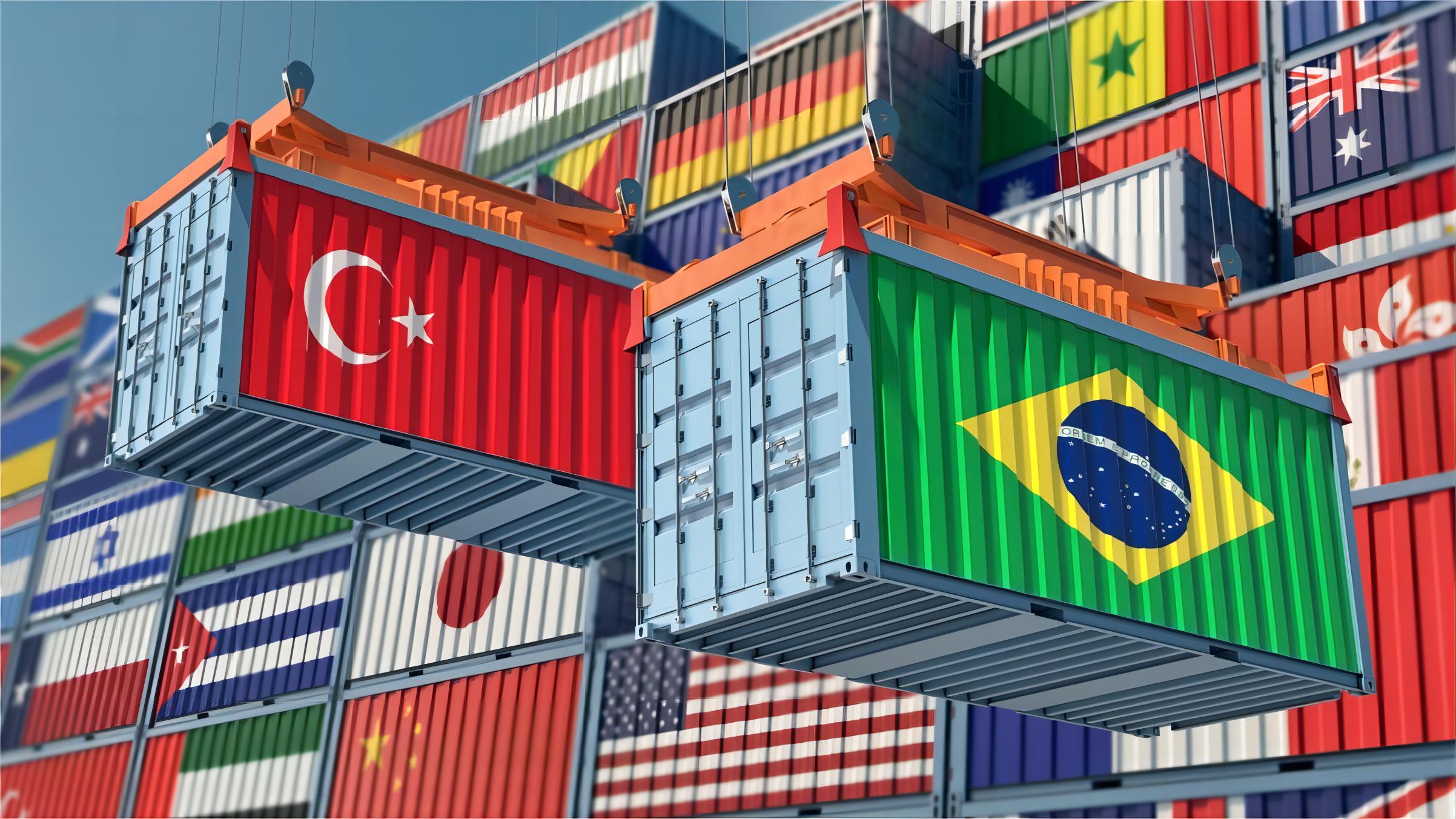
Several factors contribute to detention. For instance, delays in customs clearance, inefficient cargo handling at the warehouse, or simply a lack of coordination in the delivery schedule can all lead to containers being held for too long. Consequently, understanding these triggers is vital for effective Open Top FCL detention prevention.
Key Strategies for Open Top FCL Detention Prevention for Hardware Tools
Preventing detention charges requires a proactive and well-coordinated approach across the entire import/export process. Implementing robust strategies helps streamline the movement of your hardware tools from China to Germany. Indeed, meticulous planning and efficient execution are paramount.
By focusing on critical stages from booking to final delivery, businesses can significantly reduce the risk of incurring these avoidable fees. Furthermore, a clear understanding of carrier policies and local regulations in Germany is indispensable for successful logistics planning. This holistic approach ensures smooth cargo handling and timely container returns.
Pre-Shipment Planning and Preparation
Thorough planning begins long before the container even leaves the factory in China. Firstly, accurately estimate the cargo’s dimensions and weight to ensure the correct Open Top FCL size is booked. Secondly, negotiate sufficient free time with your carrier at the destination port; this provides a buffer against unforeseen delays.
Additionally, ensure all necessary permits and licenses for importing hardware tools into Germany are secured in advance. This proactive step prevents last-minute holdups. Consider the entire delivery schedule, including trucking and warehouse availability, well ahead of time. This diligence is crucial for successful Open Top FCL detention prevention.
Efficient Documentation and Customs Clearance
Accurate and complete documentation is perhaps the most critical factor in avoiding customs delays. All commercial invoices, packing lists, bills of lading, and certificates of origin must be precisely prepared and submitted. Any discrepancies can lead to significant hold-ups and, subsequently, detention charges.
Working with an experienced customs brokerage service in Germany is highly recommended. They can pre-file necessary documents and expedite the clearance process. This expertise ensures your hardware tools clear customs swiftly, minimizing the time the container spends awaiting release.
Proactive Communication and Monitoring
Maintaining open lines of communication with all parties involved—your supplier, freight forwarder, trucking company, and warehouse staff—is essential. Regular updates on vessel schedules and estimated arrival times allow for timely adjustments to your delivery plans. This transparency helps manage expectations and coordinate resources effectively.
Utilize tracking systems to monitor your Open Top FCL shipment’s progress in real-time. Promptly address any potential issues, such as port congestion or unexpected changes in transit time. Proactive problem-solving is key to mitigating risks and ensuring your hardware tools reach their final destination without unnecessary delays.
How Does Open Top FCL Compare to Other Shipping Options?
When importing hardware tools from China to Germany, several shipping methods are available, each with distinct advantages and disadvantages. Open Top FCL is ideal for specific cargo types, but other options might be more suitable depending on your priorities. Therefore, understanding the alternatives is key to making informed logistics decisions.
Comparing cost, transit time, and cargo suitability helps determine the optimal solution for your import needs. For example, while sea freight is generally the most economical, its longer transit times might not suit urgent shipments. Conversely, faster options come with a higher price tag. This comparative analysis is crucial for optimizing your supply chain for hardware tools.
| Shipping Method | Cost Range (40HQ/equivalent) | Transit Time (China to Germany) | Best For | Limitations |
|---|---|---|---|---|
| Open Top FCL Sea Freight | $3,000 – $4,500 | 28 – 35 days | Oversized/heavy hardware tools | Long transit time, detention risk |
| Standard FCL Sea Freight | $2,800 – $4,200 | 28 – 35 days | Standard-sized bulk hardware tools | Long transit time, not for oversized |
| LCL Sea Freight | $50 – $80 per CBM | 35 – 45 days | Small volume hardware tools (<15 CBM) | Longer transit, higher per-unit cost |
| Rail Freight | $6,000 – $8,000 | 18 – 25 days | Time-sensitive, medium-volume cargo | Limited oversized capacity, higher cost than sea |
| Air Freight | $15,000 – $25,000+ | 3 – 7 days | Urgent, high-value, lightweight items | Very high cost, strict weight/size limits |
Sea Freight (Standard FCL, LCL)
Standard FCL (Full Container Load) is the most common method for large volumes of goods that fit within container dimensions. It offers dedicated space and is cost-effective for shipments over 15 CBM. For instance, a 40HQ from China to Germany typically costs around $3,000-4,200, with transit times of 28-35 days.
LCL (Less than Container Load) is suitable for smaller shipments (under 15 CBM) where you share container space with other shippers. While more flexible for smaller volumes, LCL can sometimes incur higher per-unit costs and longer transit times due to consolidation and deconsolidation processes. Therefore, for most hardware tools requiring Open Top, FCL is preferred.
Rail Freight
Rail freight from China to Germany has gained popularity as a faster alternative to sea freight and a more economical option than air freight. Transit times typically range from 18-25 days, significantly reducing the overall delivery schedule. This makes it an attractive option for time-sensitive hardware tools that don’t require Open Top containers.
However, rail freight might not always accommodate oversized Open Top cargo directly. Its cost is generally higher than sea freight but considerably lower than air freight, presenting a balanced solution for many businesses. Explore rail freight if speed is a priority without the extreme cost of air travel.
Air Freight
For urgent shipments of high-value or lightweight hardware tools, air freight offers the fastest transit times, usually 3-7 days. This speed comes at a premium, with costs significantly higher than sea or rail. Consequently, it is generally reserved for critical components or samples where speed outweighs cost considerations.
While air freight is unparalleled in speed, it is often impractical for heavy or oversized hardware tools that require Open Top containers. The volume and weight restrictions, coupled with high freight rates, make it unsuitable for bulk Open Top FCL shipments. Nevertheless, it remains a viable option for emergency parts.
Which Option Should You Choose for Your Hardware Tools?
Selecting the right shipping method for your hardware tools depends heavily on your specific business priorities and cargo characteristics. A careful evaluation of budget, speed, and cargo type will guide your decision. Therefore, a strategic approach is essential for optimizing your logistics from China to Europe.
Indeed, understanding the trade-offs between different options ensures that you achieve the best balance for your supply chain needs. This framework helps you navigate the complexities of international shipping and make choices that support your business goals.
Decision Framework for Hardware Tool Imports
If **budget is your primary concern** and you have oversized hardware tools, Open Top FCL sea freight is typically the most cost-effective option. However, prioritize Open Top FCL detention prevention strategies.
When **speed is critical** for regular-sized hardware tools, rail freight offers a good balance between cost and transit time. For extremely urgent, high-value, or lightweight components, air freight is the undisputed choice.
For **cargo type considerations**, Open Top FCL is specifically designed for items that exceed standard container height. For smaller, less urgent shipments, LCL sea freight can be economical, though it requires more lead time.
Consider **volume thresholds**: For shipments exceeding 15 CBM, FCL (either standard or Open Top) is almost always more economical than LCL. If your cargo volume is substantial, a dedicated container is preferable for security and efficiency. For example, a door-to-door service can simplify FCL logistics.
Real-World Success: Case Studies in Open Top FCL Shipping
These case studies illustrate practical applications and successful strategies for Open Top FCL shipments of hardware tools from China to Germany. They highlight how meticulous planning and expert execution can overcome common challenges. Indeed, learning from real-world scenarios provides valuable insights for your own import operations.
The examples below showcase typical challenges such as port congestion, customs complexities, and the need for specialized cargo handling. They also demonstrate how effective Open Top FCL detention prevention can lead to significant cost and time savings. These insights are based on typical rates as of early 2025.
Case Study 1: Large Industrial Press from Shanghai to Hamburg
| Detail | Description |
|---|---|
| Route | Shanghai, China to Hamburg, Germany |
| Cargo | Industrial Hydraulic Press, 25 CBM, 18,000 kg |
| Container | 1 x 40′ Open Top FCL |
| Shipping Details | |
| – Carrier/Service | COSCO |
| – Port of Loading | Shanghai |
| – Port of Discharge | Hamburg |
| – Route Type | Direct |
| Cost Breakdown | |
| – Ocean Freight | $3,850 |
| – Origin Charges (THC, documentation) | $450 |
| – Destination Charges | $550 |
| – Customs & Duties (estimated) | $1,200 |
| – Total Landed Cost | $6,050 |
| Timeline | |
| – Booking to Loading | 7 days |
| – Sea Transit | 30 days |
| – Customs Clearance | 3 days |
| – Total Door-to-Door | 38 days |
| Key Insight | Early booking and pre-clearance of customs documents prevented delays, ensuring the container was unstuffed and returned within free time. Proactive communication with the German consignee was crucial for smooth delivery. |
Case Study 2: Construction Equipment Parts from Ningbo to Bremerhaven
| Detail | Description |
|---|---|
| Route | Ningbo, China to Bremerhaven, Germany |
| Cargo | Assorted Construction Equipment Parts (oversized), 20 CBM, 15,000 kg |
| Container | 1 x 20′ Open Top FCL |
| Shipping Details | |
| – Carrier/Service | Maersk |
| – Port of Loading | Ningbo |
| – Port of Discharge | Bremerhaven |
| – Route Type | Direct |
| Cost Breakdown | |
| – Ocean Freight | $2,200 |
| – Origin Charges (THC, documentation) | $380 |
| – Destination Charges | $480 |
| – Customs & Duties (estimated) | $950 |
| – Total Landed Cost | $4,010 |
| Timeline | |
| – Booking to Loading | 5 days |
| – Sea Transit | 32 days |
| – Customs Clearance | 2 days |
| – Total Door-to-Door | 39 days |
| Key Insight | Despite minor port congestion in Ningbo, flexible trucking arrangements at Bremerhaven, coordinated via express service, ensured prompt container return. This minimized the risk of detention charges by optimizing the final mile. |
Case Study 3: Specialized Manufacturing Tools from Shenzhen to Hamburg
| Detail | Description |
|---|---|
| Route | Shenzhen, China to Hamburg, Germany |
| Cargo | Specialized Manufacturing Tools, 28 CBM, 20,000 kg |
| Container | 1 x 40′ Open Top FCL |
| Shipping Details | |
| – Carrier/Service | MSC |
| – Port of Loading | Shenzhen |
| – Port of Discharge | Hamburg |
| – Route Type | Transshipment via Singapore |
| Cost Breakdown | |
| – Ocean Freight | $3,600 |
| – Origin Charges (THC, documentation) | $420 |
| – Destination Charges | $500 |
| – Customs & Duties (estimated) | $1,100 |
| – Total Landed Cost | $5,620 |
| Timeline | |
| – Booking to Loading | 6 days |
| – Sea Transit | 35 days |
| – Customs Clearance | 4 days |
| – Total Door-to-Door | 45 days |
| Key Insight | Utilizing a transshipment route reduced initial ocean freight costs but added a few days to transit. However, meticulous documentation and a pre-arranged Amazon FBA delivery slot in Germany ensured the container was swiftly processed upon arrival, avoiding detention fees. |
Navigating Market Trends and Seasonal Impacts
Freight rates and transit times for Open Top FCL shipments from China to Germany are not static; they are heavily influenced by global market conditions and seasonal patterns. As of Q1 2025, freight rates from China to Europe have stabilized after the 2024 Red Sea disruptions, but volatility can still occur. Therefore, staying informed is crucial for effective logistics planning.
Seasonal peaks, such as the period before Chinese New Year and the Q3/Q4 peak season (August-October), typically see rates increase by 15-25% and potential port congestion. Planning your shipments outside these windows or booking well in advance can help mitigate these impacts. Always obtain a current quote to reflect the latest market data.
Mastering Open Top FCL Detention Prevention for Hardware Tools
Effectively managing Open Top FCL shipments of hardware tools from China to Germany requires a comprehensive strategy focused on prevention. By implementing diligent pre-shipment planning, ensuring accurate documentation, fostering proactive communication, and understanding market dynamics, businesses can significantly reduce their exposure to detention charges. Therefore, a well-executed logistics plan is paramount.
Ultimately, preventing detention ensures your hardware tools arrive on schedule and within budget, contributing to a more resilient and efficient supply chain. Partnering with an experienced freight forwarder can provide the expertise needed to navigate these complexities and achieve seamless international shipping. Master Open Top FCL detention prevention for continued success.
Need a tailored shipping solution?
Ready to optimize your Open Top FCL shipments of hardware tools from China to Germany and prevent costly detention charges? Contact China Top Freight today for a personalized consultation and a competitive quote. Our experts are here to streamline your logistics.