

Reefer FCL space availability for solar panels from China to Netherlands
Finding Reefer FCL space availability for solar panels from China to Netherlands is a critical step for businesses aiming to maintain a stable renewable energy supply chain. China Top Freight offers comprehensive logistics management to ensure your high-value solar components arrive safely and on schedule. As the global demand for green energy grows, understanding the nuances of container allocation becomes essential for successful international trade.
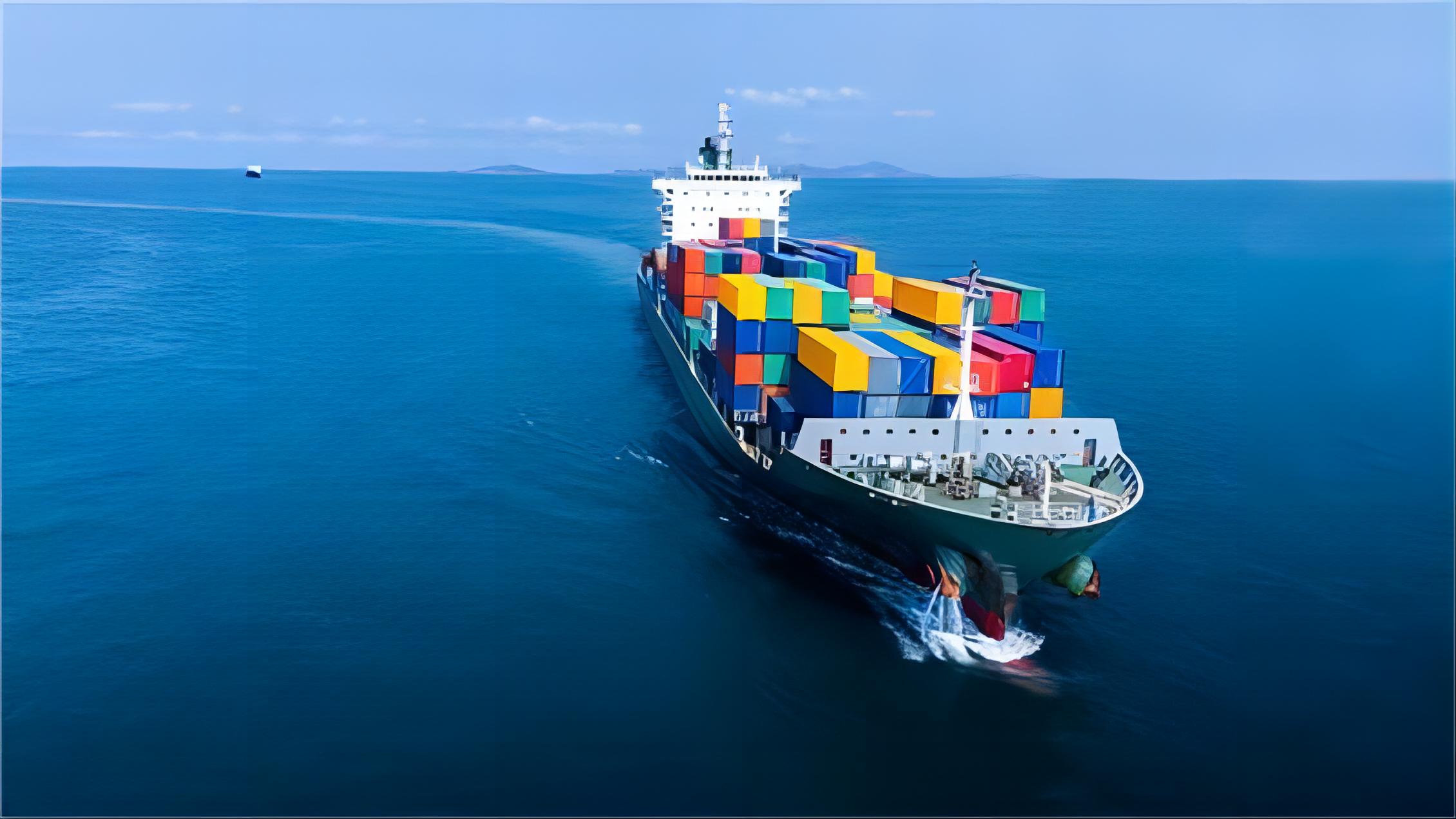
Why is Reefer FCL space availability for solar panels from China to Netherlands Important?
Shipping solar panels often requires specialized equipment to protect sensitive photovoltaic materials from extreme temperature fluctuations during long ocean voyages. Although standard dry containers are common, reefer units provide a controlled environment that prevents micro-cracks and thermal stress on high-efficiency modules. Consequently, many importers prioritize reefer space to ensure product integrity upon arrival in Rotterdam or Amsterdam.
Moreover, the market for reefer containers is highly competitive, especially during peak harvest seasons when food exports take priority. Therefore, securing Reefer FCL space availability for solar panels from China to Netherlands requires early booking and a deep understanding of carrier schedules. Businesses must navigate these capacity constraints to avoid costly delays in their project timelines.
Additionally, using a sea freight strategy that includes reefer options can serve as a buffer when standard container slots are overbooked. This flexibility allows for more consistent delivery schedules even during periods of high port congestion. Indeed, a diversified equipment strategy is a hallmark of a resilient supply chain.
How Does Reefer FCL Compare to Other Shipping Options?
When evaluating logistics strategies, it is vital to compare all available transport modes to find the best balance between cost and speed. Reefer FCL offers superior protection but often comes at a higher price point compared to standard dry containers. On the other hand, alternatives like rail or air freight provide different benefits depending on the urgency of the shipment.
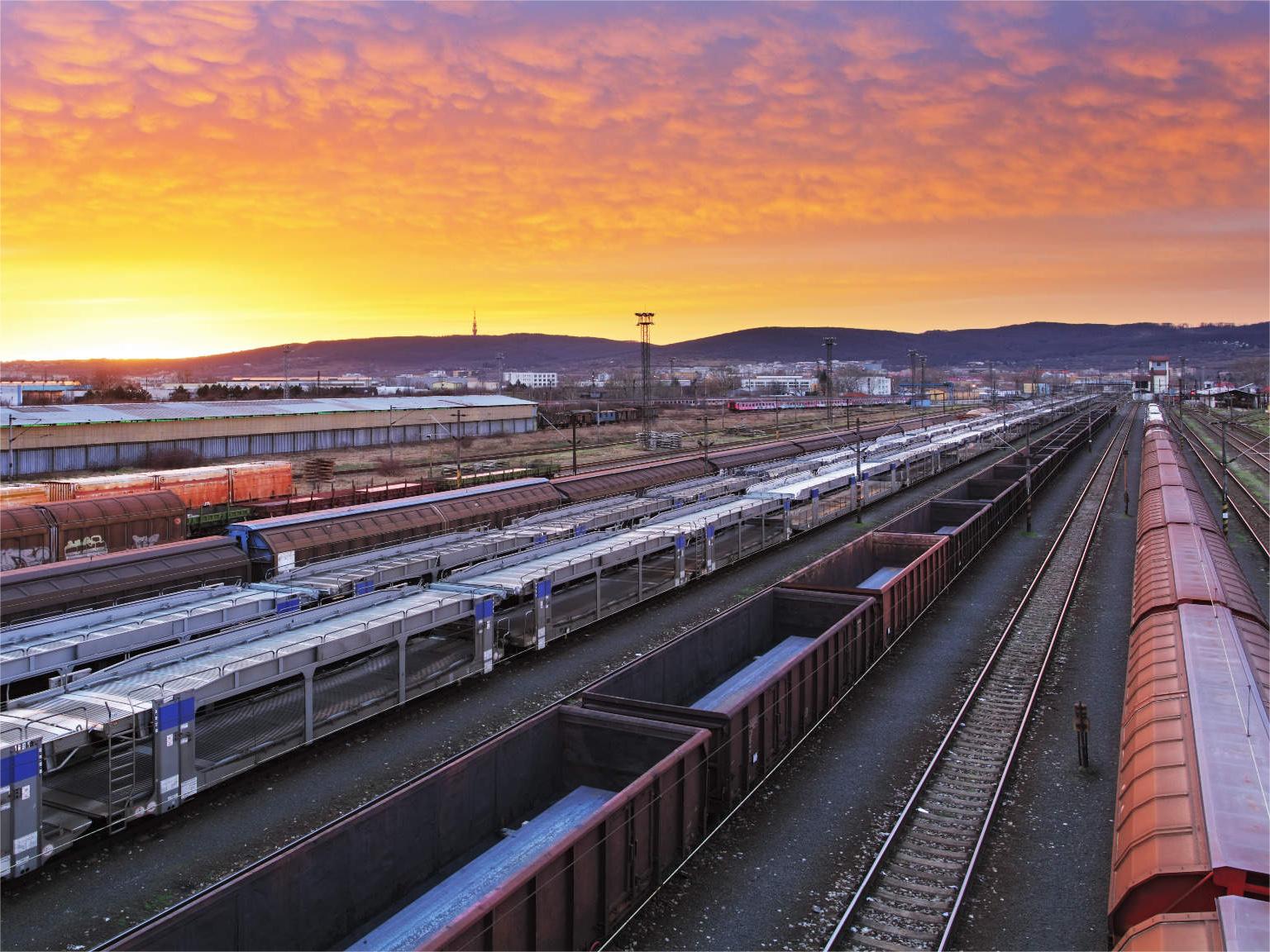
For instance, rail freight serves as a middle ground, offering faster transit times than sea freight while remaining more affordable than air transport. However, rail capacity for reefer units is often more limited than maritime options. Therefore, shippers must weigh the speed of rail against the equipment availability of the ocean route.
Meanwhile, air freight remains the fastest method for urgent replacements or small-scale pilot projects. Because air transport is significantly more expensive, it is rarely used for large-scale solar farm deployments. Most large-scale importers continue to rely on maritime routes for the bulk of their cargo volume.
| Shipping Method | Cost Range (USD) | Transit Time | Best For | Limitations |
|---|---|---|---|---|
| Reefer FCL (Sea) | $3,200 – $4,800 | 30-40 Days | Sensitive PV Modules | Higher cost than dry |
| Standard FCL (Sea) | $2,500 – $3,800 | 30-40 Days | Bulk Shipments | No temp control |
| Rail Freight | $4,500 – $6,500 | 18-22 Days | Urgent Projects | Limited reefer slots |
| Air Freight | $15,000 – $25,000 | 5-8 Days | Emergency Spares | Extremely high cost |
Current Market Trends for Shipping to the Netherlands
As of early 2025, the logistics landscape between China and Europe has stabilized following several years of volatility. Nevertheless, equipment imbalances still occur, particularly in major manufacturing hubs like Ningbo and Shanghai. These imbalances directly impact the Reefer FCL space availability for solar panels from China to Netherlands, causing temporary price spikes.
Furthermore, the push for sustainable logistics is driving carriers to invest in more energy-efficient reefer technology. This trend is beneficial for solar panel importers who want to align their transport methods with their green energy products. Consequently, we are seeing a rise in the use of smart reefer containers that provide real-time tracking and environmental monitoring.
Market data suggests that freight rates typically increase by 15-25% during the peak season from August to October. To mitigate these costs, savvy importers are negotiating long-term contracts with freight forwarders. Such agreements provide more predictable pricing and guaranteed space even when the market is tight.
Decision Framework: Which Option Should You Choose?
Choosing the right shipping method depends on several factors, including your budget, timeline, and the specific sensitivity of your solar panels. If your priority is absolute product safety and you have a flexible budget, Reefer FCL is the recommended choice. This method ensures that the delicate semiconductor layers in your panels are not exposed to extreme heat during the equator crossing.
However, if you are working with a tight budget and your panels are rated for high-temperature durability, standard FCL might be more economical. In this case, you should still consider using high-quality packing materials to provide some level of insulation. Always consult with your manufacturer regarding the maximum temperature tolerances of your specific modules.
For those with extremely tight deadlines, a hybrid solution involving sea-air or rail-sea combinations might be appropriate. These strategies can shave days off the transit time while keeping costs lower than pure air freight. Ultimately, the decision should be based on a comprehensive risk assessment of your supply chain.
Real Case Studies: China to Netherlands Solar Shipments
Examining real-world examples helps to illustrate the practicalities of securing Reefer FCL space availability for solar panels from China to Netherlands. These cases reflect actual market conditions and provide a benchmark for your own shipping expectations. Note: Freight rates are subject to change based on fuel costs, carrier capacity, and seasonal demand.
Case Study 1: Large Scale Solar Farm Deployment
Route: Shanghai, China to Rotterdam, Netherlands. Cargo: 400 High-efficiency PV Modules, 68 CBM, 18,000 kg. Container: 40HQ Reefer. Shipping Details: Direct service via major carrier. Sea Transit: 32 days. Ocean Freight: $4,200. Total Landed Cost: $5,850. Key Insight: Early booking 4 weeks in advance secured the reefer space during a peak period.
Case Study 2: Urgent Residential Solar Project
Route: Ningbo, China to Amsterdam, Netherlands. Cargo: 120 PV Modules, 22 CBM, 5,500 kg. Container: 20GP Reefer. Shipping Details: Transshipment via Singapore. Sea Transit: 38 days. Ocean Freight: $2,400. Total Landed Cost: $3,600. Key Insight: Choosing a transshipment route saved 15% on freight costs but added 6 days to the timeline.
Navigating Customs and Documentation
Efficiently clearing customs is just as important as the physical transport of your goods. In the Netherlands, the process requires precise documentation to avoid holding up your reefer container at the port. Utilizing a professional customs brokerage service can streamline this process and ensure compliance with all EU regulations.
Key documents include the Commercial Invoice, Packing List, Bill of Lading, and the Certificate of Origin. Furthermore, solar panels may be subject to specific environmental certifications or anti-dumping duties depending on their origin. Therefore, you must verify the latest trade policies before your cargo departs China.
Without a doubt, delays at the port of Rotterdam can be expensive, especially with reefer containers that require constant power. Consequently, ensuring that all paperwork is digitalized and submitted in advance is a best practice for modern importers. This proactive approach minimizes the risk of demurrage and detention charges.
Conclusion
To summarize, managing Reefer FCL space availability for solar panels from China to Netherlands requires a combination of strategic planning and market awareness. While reefer containers offer the best protection for sensitive equipment, they also require careful coordination to secure. By comparing different shipping methods and understanding the current market trends, you can optimize your supply chain for both cost and reliability.
As the industry moves toward 2025, the demand for green energy transport will only increase. Therefore, partnering with an experienced freight forwarder is essential for navigating the complexities of international logistics. Whether you choose sea, rail, or air, the goal remains the same: ensuring your solar panels arrive in perfect condition to power a sustainable future.
Ready to streamline your logistics?
Ensure your renewable energy projects stay on track by securing the best Reefer FCL space availability for solar panels from China to Netherlands today. Contact our expert team to receive a customized quote and professional logistics advice tailored to your specific shipping needs. Visit our inquiry page to get started: Send Inquiry link
Request Quote