

20GP FCL Best Route for Medical Equipment from China to UK: 2025 Guide
Finding the 20GP FCL best route for medical equipment from China to UK is a critical task for healthcare suppliers. Shipping sensitive instruments requires a balance of speed, cost, and safety. China Top Freight specializes in managing these high-stakes logistics to ensure your equipment arrives in perfect condition. This guide explores the most efficient routes and methods to optimize your supply chain.
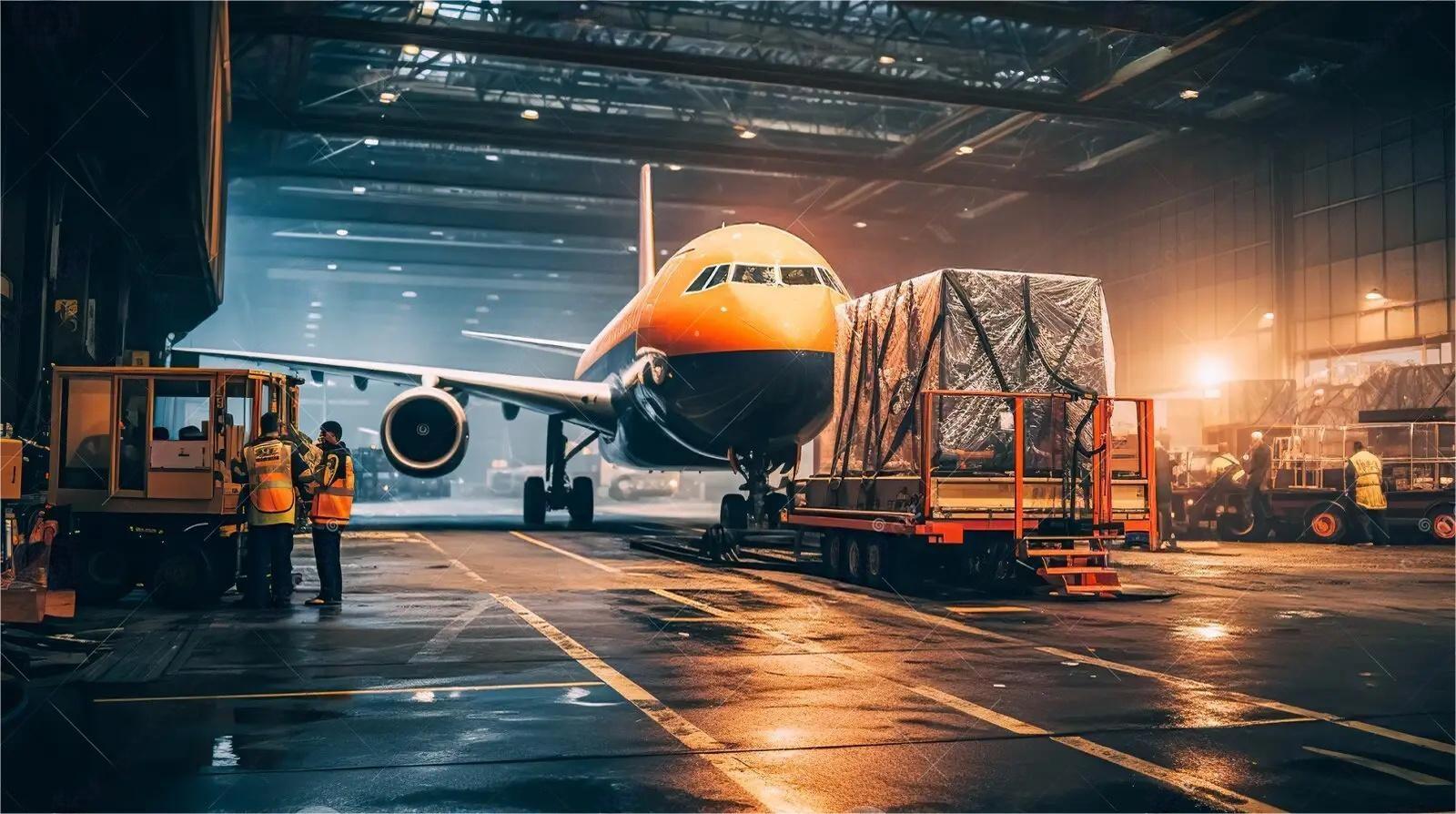
Why Choose 20GP FCL for Medical Equipment?
A 20GP container offers the ideal space for medium-sized medical shipments. Consequently, it provides a dedicated environment that reduces the risk of contamination or damage from other goods. Full Container Load (FCL) shipping ensures that your cargo remains sealed from the point of origin until it reaches the destination.
Moreover, FCL shipments generally experience fewer delays compared to Less than Container Load (LCL) options. Since there is no need for consolidation at the port, the transit time is often more predictable. This reliability is essential for medical facilities that operate on strict delivery schedules.
Additionally, the 20GP size is cost-effective for high-density medical supplies like hospital beds or diagnostic machines. It allows for efficient floor loading while maintaining structural integrity during ocean transit. Therefore, many importers prefer this specific container size for its versatility and security.
How Does Sea Freight Compare to Other Shipping Options?
When evaluating the 20GP FCL best route for medical equipment from China to UK, you must consider all transport modes. While sea freight is the most common choice, alternatives like rail or air may suit specific needs. Each method offers unique trade-offs regarding budget and speed.
For instance, air freight is significantly faster but comes with a much higher price tag. In contrast, sea freight remains the most economical solution for large volumes. Rail freight has emerged as a middle-ground option, offering faster transit than sea at a lower cost than air.
To help you decide, we have compiled a comprehensive comparison of the primary shipping methods available for this route.
| Shipping Method | Cost Range (20GP) | Transit Time | Best For |
|---|---|---|---|
| Sea Freight | $2,000 – $2,800 | 30-38 Days | Bulk orders, non-urgent supplies |
| Rail Freight | $3,500 – $4,800 | 18-22 Days | Medium urgency, landlocked origins |
| Air Freight | $15,000 – $25,000 | 5-7 Days | Emergency parts, high-value devices |
| Sea-Air Hybrid | $6,000 – $9,000 | 15-20 Days | Balancing cost and speed |
Top Sea Freight Routes from China to the UK
The primary sea routes for medical equipment usually originate from major Chinese hubs like Shanghai, Shenzhen, or Ningbo. These ports offer frequent sailings and direct connections to the UK. Specifically, the route through the Suez Canal is the standard path for most vessels heading to Europe.
Direct services to Felixstowe or Southampton are highly recommended for medical goods. By avoiding transshipment ports, you minimize the handling of the container. Consequently, this reduces the likelihood of physical shock to sensitive electronic medical components.
Furthermore, choosing a carrier with a reliable track record is vital. Lines such as Maersk, COSCO, and MSC offer robust schedules for shipping from China to Europe. These carriers provide advanced tracking systems, allowing you to monitor your medical equipment in real-time.

Alternative Strategy: Utilizing Rail Freight for Faster Delivery
If the sea transit time is too long for your requirements, rail freight is a viable alternative. The China-Europe Railway Express connects cities like Chengdu and Xi’an directly to European terminals. This route can save up to 15 days compared to traditional ocean shipping.
However, rail freight involves more vibrations than sea transport. Therefore, you must ensure that your medical equipment is packaged with extra cushioning and stabilization. Meanwhile, the costs are generally 40% to 60% higher than sea freight but significantly lower than air.
Indeed, rail is an excellent choice for high-value medical devices that are needed sooner than a month. It provides a consistent schedule that is less affected by port congestion or maritime weather conditions. As a result, it has become a popular secondary strategy for UK importers.
Cost Breakdown for a 20GP FCL Shipment
Understanding the total landed cost is essential for budgeting your medical equipment imports. The ocean freight rate is only one part of the total expense. You must also account for origin charges, destination fees, and potential duties.
For example, origin charges include terminal handling, documentation, and trucking from the factory to the port. In the UK, you will face discharge fees, customs clearance costs, and final delivery to your warehouse. Additionally, VAT and import duties are calculated based on the HS code of the medical equipment.
Below is a typical cost breakdown based on early 2025 market rates for a 20GP container from Shenzhen to Felixstowe.
| Expense Category | Estimated Cost (USD) | Description |
|---|---|---|
| Ocean Freight | $2,200 | Port-to-port shipping charge |
| Origin Charges | $450 | THC, Docs, and Port Entry |
| Destination Charges | $600 | Unloading and UK Port Fees |
| Customs Brokerage | $150 | Professional filing service |
Customs Documentation for Medical Equipment in the UK
Importing medical devices into the UK requires strict adherence to MHRA (Medicines and Healthcare products Regulatory Agency) guidelines. You must provide accurate documentation to avoid lengthy delays at the border. Consequently, hiring a professional customs brokerage service is highly beneficial.
Essential documents include the Commercial Invoice, Packing List, and Bill of Lading. Furthermore, you must provide the CE or UKCA certification to prove the equipment meets safety standards. Without these certificates, UK customs may seize the shipment or require expensive testing.
Moreover, ensure that your HS codes are correctly classified. Medical equipment often falls under Chapter 90 of the Harmonized System. Incorrect classification can lead to overpaying duties or facing fines for non-compliance. Therefore, double-checking all paperwork before the ship departs China is a best practice.

Real-World Case Studies
To illustrate the 20GP FCL best route for medical equipment from China to UK, we have documented two recent shipments. These examples show how different priorities influence the choice of route and method. Both cases were handled with precision to ensure regulatory compliance.
Case Study 1: Diagnostic Imaging Parts. Origin: Shanghai. Destination: London. Method: Sea Freight. Cargo: 12 CBM of sensitive components. Transit: 34 days. Outcome: Successful delivery with zero damage and minimal costs.
Case Study 2: Emergency Hospital Beds. Origin: Ningbo. Destination: Birmingham. Method: Rail Freight. Cargo: 20GP full load. Transit: 20 days. Outcome: Arrived in time for a new clinic opening, despite a tight deadline.
Case Study 1: Sea Freight Reliability
Route: Shanghai to Felixstowe. Cargo: Dental chairs and accessories. Container: 20GP FCL. Ocean Freight: $2,350. Total Landed Cost: $3,600. Total Door-to-Door: 42 days. Key Insight: Planning 2 months in advance allowed the importer to secure a lower rate during a peak season.
Case Study 2: Rail Freight Speed
Route: Xi’an to London Gateway (via Rail). Cargo: Laboratory centrifuges. Container: 20GP FCL. Freight Cost: $4,200. Total Door-to-Door: 25 days. Key Insight: Rail saved 18 days compared to sea, which was crucial for a research contract deadline.
Decision Framework: Which Option Should You Choose?
Choosing the right route depends on your specific business priorities. If your primary goal is cost reduction, sea freight is the clear winner. However, if you are facing a stockout or a project deadline, rail or air freight becomes necessary.
Consider the volume of your shipment as well. For a full 20GP container, FCL is almost always more efficient than LCL. Additionally, evaluate the sensitivity of your equipment. Highly fragile items may benefit from the shorter handling time of a door to door service.
Finally, always check the current market conditions. Freight rates can fluctuate by 20% or more within a few weeks due to fuel surcharges or seasonal demand. Consulting with a freight forwarder can provide you with the most up-to-date intelligence for your specific route.
Final Thoughts on Shipping Medical Equipment
In summary, selecting the 20GP FCL best route for medical equipment from China to UK requires careful planning and market knowledge. Sea freight remains the most popular choice for its balance of cost and capacity. Meanwhile, rail freight offers a strategic alternative for those needing faster transit times without the extreme cost of air transport.
Always prioritize compliance and documentation to ensure a smooth customs process in the UK. By working with experienced partners and choosing the right container size, you can protect your medical cargo and maintain a healthy supply chain. Note: Freight rates are subject to change based on fuel costs, carrier capacity, and seasonal demand. Contact us for a current quote tailored to your specific shipment.
Ready to streamline your logistics?
Ready to secure the 20GP FCL best route for medical equipment from China to UK? Contact China Top Freight today for a customized quote and expert logistics advice. Send Inquiry
Request Quote