

40HQ FCL Transit Time for Auto Parts from China to Miami
Managing a supply chain for automotive components requires precise scheduling and reliable logistics partners. Therefore, understanding the 40HQ FCL transit time for auto parts from China to Miami is essential for businesses looking to maintain inventory levels and satisfy customer demand. China Top Freight provides comprehensive shipping solutions that ensure your cargo reaches Florida efficiently. This guide explores the variables influencing ocean freight speed, cost structures, and alternative shipping strategies for the Miami route.

Understanding 40HQ FCL Transit Time for Auto Parts from China to Miami
Shipping auto parts in a 40HQ container offers the best balance of volume and protection for high-value components. Consequently, most importers prefer this method when moving large quantities of engines, transmissions, or body panels. The standard 40HQ FCL transit time for auto parts from China to Miami typically ranges between 30 and 45 days depending on the specific route taken.
Vessels departing from Eastern China ports like Shanghai or Ningbo usually take longer than those from Southern China due to the geographical distance. Furthermore, the choice between the Panama Canal and the Suez Canal significantly alters the arrival date at the Port of Miami. Carriers often adjust their schedules based on canal congestion and seasonal weather patterns in the Atlantic Ocean.
Importers must also account for the time required for container loading and inland transportation within China. Additionally, the port congestion at Miami can sometimes add a few days to the total door-to-door timeline. By planning for a 40-day window, businesses can mitigate the risks associated with minor delays in the maritime network.
How Does 40HQ FCL Compare to Other Shipping Options?
Evaluating the efficiency of sea freight against other methods is crucial for optimizing your logistics budget. While FCL is the standard for bulk shipments, air freight and LCL offer different advantages depending on the urgency of the order. Specifically, air freight is significantly faster but carries a much higher price tag per kilogram.
Moreover, LCL shipping is a viable alternative if you do not have enough cargo to fill a 40HQ container. However, LCL often involves longer transit times because the consolidator must wait for other shipments to fill the container before departure. In contrast, FCL allows for direct sealing and transport, which reduces handling risks for sensitive auto parts.
Hybrid solutions like sea-air combinations can also be explored for urgent automotive components that cannot justify full air freight costs. These strategies involve shipping by sea to a hub like Dubai or Los Angeles and then flying the cargo to Miami. This approach often saves 10 to 15 days compared to a standard ocean voyage.
| Shipping Method | Cost Range | Transit Time | Best For |
|---|---|---|---|
| 40HQ FCL Sea | $4,500 – $6,000 | 30-45 Days | Bulk Auto Parts |
| LCL Sea Freight | $50 – $120/CBM | 35-50 Days | Small Batches |
| Air Freight | $4.50 – $8.00/kg | 5-8 Days | Urgent Repairs |
| Express Service | $8.00 – $12.00/kg | 3-5 Days | Samples/Small Parts |
Major Factors Impacting 40HQ FCL Transit Time for Auto Parts
Several external variables can influence the speed of your shipment from China to the East Coast of the United States. First, the departure port plays a massive role in determining the initial leg of the journey. Ports in Southern China like Shenzhen often have more frequent sailings to the Americas than smaller regional ports.
Second, the route chosen by the shipping line affects the duration of the voyage. Direct services through the Panama Canal are generally the fastest way to reach Miami from the Pacific side. Nevertheless, if the canal faces drought conditions or heavy traffic, carriers might divert ships around the Cape of Good Hope, adding weeks to the transit.
Third, seasonal demand fluctuations during the Golden Week or the Lunar New Year can lead to rolled cargo and port delays. During these peak periods, vessels are often overbooked, and containers may sit at the terminal for several days before being loaded. Therefore, booking your 40HQ container at least 3-4 weeks in advance is highly recommended.
Port to Port Transit Times China to Miami
Different Chinese ports offer varying schedules for shipments heading to Florida. Shanghai and Ningbo are the primary hubs for auto parts manufacturers, and they offer numerous weekly departures. Typically, a vessel from Shanghai to Miami will spend about 32 to 38 days at sea under normal conditions.
Alternatively, shipments from the Port of Shenzhen or Guangzhou might arrive slightly faster if the carrier uses a premium transpacific service. These southern ports benefit from being closer to the initial maritime exit points of the South China Sea. Many carriers also offer transshipment services through Busan or Kaohsiung, which can impact the final delivery date.
Importers should also consider the destination terminal at the Port of Miami. Some terminals handle automotive cargo more efficiently than others, leading to faster discharge times. Checking the specific carrier’s terminal agreement can provide insights into how quickly your 40HQ container will be available for pickup.
| Origin Port | Destination | Transit Time | Route Type |
|---|---|---|---|
| Shanghai | Miami | 33-38 Days | Panama Canal |
| Shenzhen | Miami | 30-35 Days | Direct |
| Ningbo | Miami | 35-42 Days | Transshipment |
| Qingdao | Miami | 38-45 Days | Panama Canal |
Shipping Costs and Freight Rates for 40HQ Containers
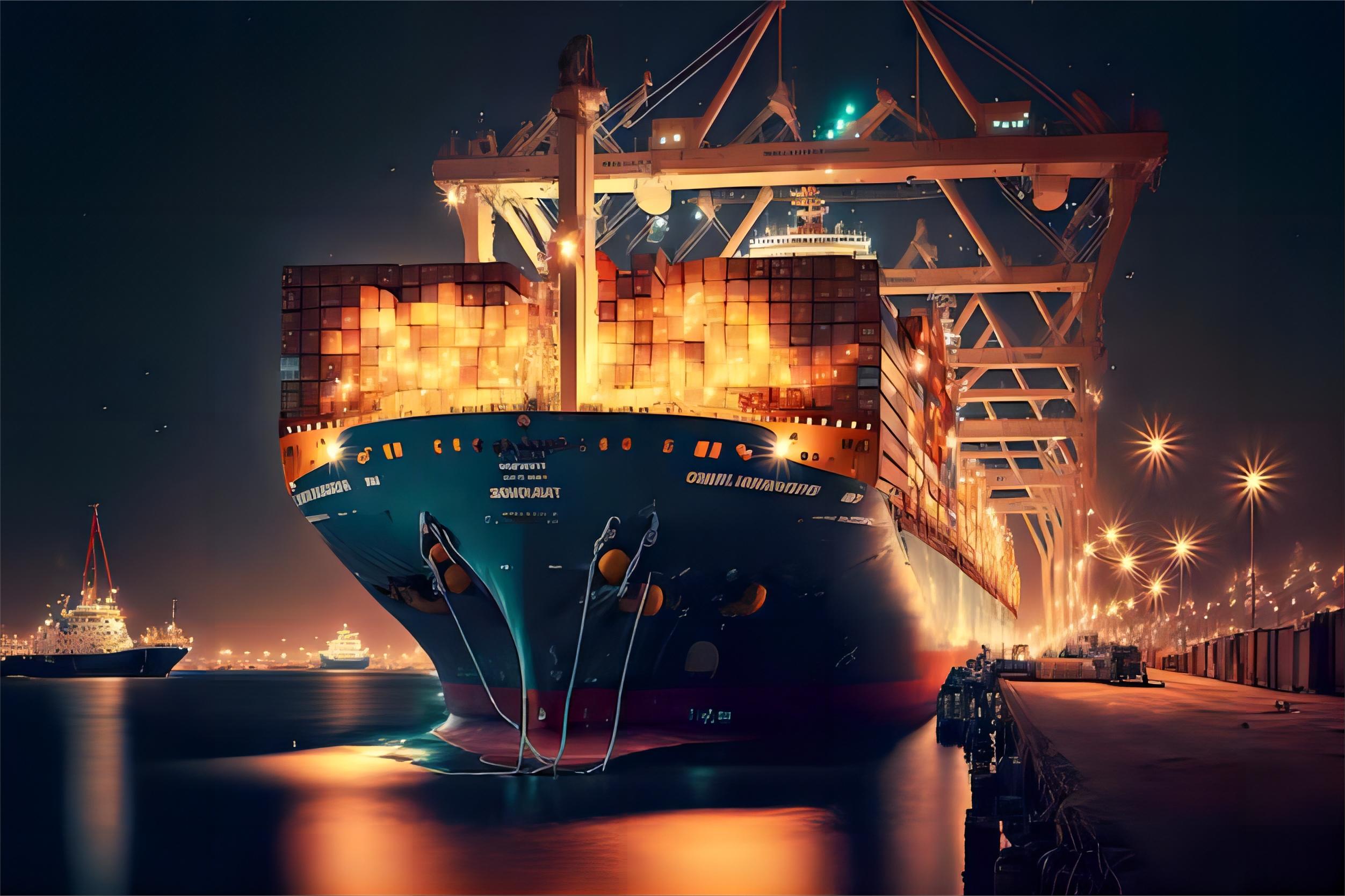
Freight rates for a 40HQ container from China to Miami are subject to frequent market fluctuations. As of early 2025, prices have stabilized but remain higher than pre-2020 averages due to increased fuel surcharges and labor costs. Typically, you can expect to pay between $4,500 and $6,000 for a full container load on this route.
In addition to the base ocean freight, importers must account for origin and destination charges. These include Terminal Handling Charges (THC), documentation fees, and security surcharges. Furthermore, shipping auto parts often requires specialized packaging to prevent damage, which adds to the overall landed cost.
Note: Freight rates are subject to change based on fuel costs, carrier capacity, and seasonal demand. Contact us for a current quote tailored to your specific shipment. We recommend monitoring the Shanghai Containerized Freight Index (SCFI) to time your bookings during market dips.
Customs Clearance Processes for Automotive Imports
Navigating the legal requirements for importing auto parts into North America is a complex task. The U.S. Customs and Border Protection (CBP) requires detailed documentation for every component, including country of origin markings and HS code classifications. Working with a professional customs brokerage is essential to avoid costly penalties.
Auto parts are often subject to specific safety standards and environmental regulations. Consequently, you must ensure that your Chinese suppliers provide all necessary certifications before the vessel departs. Failure to produce the correct paperwork can lead to your 40HQ container being held in an exam site for weeks, significantly increasing your total transit time.
Importers should also be aware of Section 301 tariffs on Chinese goods, which apply to many automotive categories. These additional duties can significantly impact your profit margins if not calculated correctly during the budgeting phase. Preparing your Importer Security Filing (ISF) at least 24 hours before loading is a mandatory requirement for all sea freight entering the United States.
| Document | Purpose | Timeline | Requirement |
|---|---|---|---|
| Bill of Lading | Title to Goods | At Departure | Mandatory |
| Commercial Invoice | Valuation | Pre-arrival | Mandatory |
| Packing List | Cargo Details | Pre-arrival | Mandatory |
| ISF 10+2 | Security Filing | 24h Pre-load | Mandatory |
Case Study 1: Engine Parts from Shanghai to Miami
Case Study 1: Reliable Engine Component Delivery
Route: Shanghai, China to Miami, USA. Cargo: Aluminum engine blocks and cylinder heads, 62 CBM, 18,500 kg. Container: 40HQ FCL.
Shipping Details: Carrier: COSCO Shipping. Port of Loading: Shanghai (Yangshan). Port of Discharge: Miami (POM). Route Type: Direct via Panama Canal.
Cost Breakdown: Ocean Freight: $4,850. Origin Charges: $320. Destination Charges: $550. Customs and Duties: $1,200. Total Landed Cost: $6,920.
Timeline: Booking to Loading: 5 days. Sea Transit: 34 days. Customs Clearance: 3 days. Total Door-to-Door: 42 days.
Key Insight: Using a direct service via the Panama Canal prevented the delays associated with transshipment hubs, ensuring the assembly line in Florida remained operational.
Case Study 2: Auto Accessories from Shenzhen to Miami
Case Study 2: High-Volume Interior Accessory Shipment
Route: Shenzhen, China to Miami, USA. Cargo: Seat covers and floor mats, 65 CBM, 12,000 kg. Container: 40HQ FCL.
Shipping Details: Carrier: Maersk. Port of Loading: Shenzhen (Yantian). Port of Discharge: Miami (POM). Route Type: Transshipment via Freeport.
Cost Breakdown: Ocean Freight: $5,200. Origin Charges: $280. Destination Charges: $490. Customs and Duties: $850. Total Landed Cost: $6,820.
Timeline: Booking to Loading: 7 days. Sea Transit: 31 days. Customs Clearance: 2 days. Total Door-to-Door: 40 days.
Key Insight: Based on early 2025 market rates, this shipment benefited from a fast transshipment connection in the Caribbean, reducing total sea time by three days compared to the average.
Which Option Should You Choose?
Deciding on the best shipping method depends on your specific business priorities and the nature of your auto parts. If your primary goal is cost reduction and you are moving high volumes, the 40HQ FCL is undoubtedly the superior choice. This method provides the lowest cost per unit and maximum protection for the cargo.
However, if you are facing a stock-out situation, air freight might be the only way to save your customer relationships. For shipments that are too large for express but too small for a 40HQ, LCL serves as a middle ground, though it requires careful management of transit times. Always consider the total landed cost rather than just the ocean freight rate.
Importers who require a hands-off approach should opt for door to door services. This option includes inland trucking in both China and the US, customs clearance, and ocean transport. It simplifies the supply chain and allows you to focus on selling your products rather than managing logistics minutiae.
Strategic Tips for Optimizing Your Miami Supply Chain
Successful importers use several strategies to ensure their 40HQ FCL transit time for auto parts from China to Miami remains consistent. First, always diversify your carrier options to avoid being stuck if one shipping line faces technical issues or strikes. Maintaining relationships with multiple freight forwarders provides more flexibility during peak seasons.
Second, optimize your container loading to maximize the 76 cubic meters available in a 40HQ. Using specialized pallets or racking systems can help you fit more parts, effectively lowering your shipping cost per item. Furthermore, ensuring that your cargo is properly weighted and balanced will prevent delays during port inspections.
Third, leverage technology to track your shipments in real-time. Modern logistics platforms allow you to see exactly where your container is on the ocean, providing more accurate ETA updates for your warehouse team. Proactive communication with your Miami drayage provider ensures that the container is picked up immediately after discharge, avoiding expensive demurrage fees.
Final Thoughts on Shipping Auto Parts to Miami
Navigating the waters of international trade requires a deep understanding of transit times and logistics costs. The 40HQ FCL transit time for auto parts from China to Miami is influenced by port selection, canal conditions, and customs efficiency. By choosing the right shipping partner and planning ahead, you can ensure a steady flow of components to your Miami facility.
Whether you are importing engines or small accessories, the key to success lies in meticulous documentation and strategic route planning. China Top Freight is committed to providing the reliability and transparency you need to succeed in the competitive automotive market. Start your journey toward a more efficient supply chain today.
Ready to streamline your logistics?
Are you looking to optimize your automotive supply chain from China to Florida? Our team of experts specializes in reducing the 40HQ FCL transit time for auto parts from China to Miami while maintaining competitive rates. Contact China Top Freight today to receive a customized quote and expert guidance on your next shipment. Let us handle the complexities of international logistics so you can focus on growing your business.
Request Quote