Open Top FCL tracking for electronics from China to Miami: The Ultimate Logistics Guide
Shipping specialized electronics requires a high level of precision and constant visibility to ensure the safety of high-value components. Consequently, businesses often rely on China Top Freight to manage the complex logistics involved in transporting oversized gear across the Pacific. Open Top FCL tracking for electronics from China to Miami has become a vital tool for supply chain managers who need to monitor their cargo every step of the way. Therefore, understanding how this tracking works and how it integrates with your overall shipping strategy is essential for maintaining a competitive edge in the modern market.
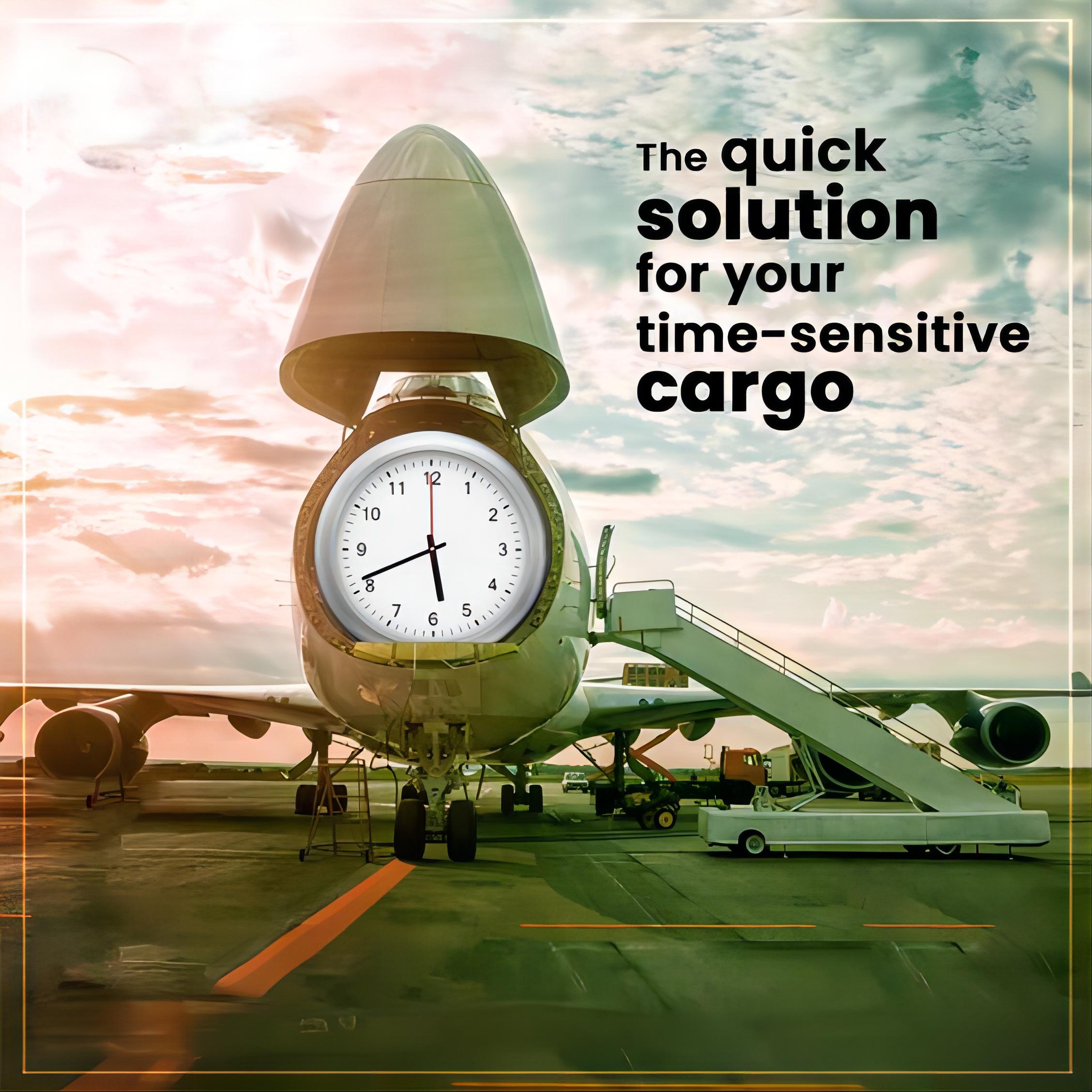
What is Open Top FCL tracking for electronics from China to Miami?
Open top containers differ from standard units because they lack a solid roof, allowing for the loading of oversized electronics that cannot fit through standard doors. Meanwhile, the tracking component involves using GPS or AIS data to provide real-time updates on the container location. This specific service is designed for sensitive equipment like large server racks, industrial control panels, or medical imaging devices.
Furthermore, Full Container Load (FCL) shipping ensures that your electronics are the only items in the container, reducing the risk of damage from other goods. Consequently, the tracking system provides a dedicated stream of data for your specific shipment. This transparency allows importers in Miami to prepare for arrival and coordinate inland transportation efficiently.
Additionally, the tracking process starts the moment the container leaves the factory in China. Most modern carriers provide digital platforms where you can enter a container number or bill of lading to see the current status. Indeed, having this information at your fingertips helps mitigate the stress of transpacific logistics.
Why Use Open Top Containers for Electronics Shipments?
Many electronic components are manufactured in dimensions that exceed the height of a standard 40HQ container. However, these items still require the protection and stability of a sea vessel. Using an open top container allows cranes to lower heavy machinery directly into the unit from above. Therefore, sea freight remains the most viable option for large-scale electronics projects.
Moreover, open top units are equipped with removable tarpaulins that protect the cargo from the elements. This setup is particularly useful for electronics that are crated but still need top-loading access. Consequently, the flexibility of the open top design solves many engineering challenges for exporters in Shenzhen and Shanghai.
Nevertheless, importers must consider the additional costs associated with these specialized units. Open top containers are less common than standard dry vans, which often leads to higher freight rates. Despite this, the ability to transport oversized gear safely makes it a necessary investment for many technology companies.
Key Benefits of Real-Time Tracking for High-Value Cargo
Security is a primary concern when shipping electronics worth hundreds of thousands of dollars. As a result, Open Top FCL tracking for electronics from China to Miami provides a layer of digital security that is indispensable. If a shipment is delayed or diverted, the tracking system alerts the logistics team immediately.
Furthermore, accurate tracking improves the predictability of your supply chain. When you know exactly when your cargo will arrive at the Port of Miami, you can schedule warehouse staff and technicians for the installation. Consequently, this prevents costly downtime and ensures that your project stays on schedule.
In addition, tracking data can be used to analyze carrier performance over time. By monitoring transit times across different months, businesses can identify logistics trends and choose the most reliable partners. Indeed, data-driven decisions are the hallmark of a successful import-export business in the electronics sector.
How Does Open Top FCL Compare to Other Shipping Options?
Choosing the right shipping method requires a careful balance between cost, speed, and cargo requirements. While air freight offers the fastest delivery schedule, it is often prohibitively expensive for oversized electronic equipment. On the other hand, standard FCL is cheaper but may not accommodate the physical dimensions of your cargo.
Consequently, open top FCL serves as a middle ground for specialized needs. It provides more space than a standard container while remaining more affordable than chartering a plane. Therefore, it is the preferred choice for industrial electronics that are heavy and bulky.
Additionally, businesses must consider the transit time differences between direct routes and transshipment options. Direct routes to Miami are faster but cost more. Meanwhile, routes with stops in Panama or the Caribbean can save money but add several days to the delivery schedule.
| Open Top FCL | $4,500 – $6,800 | 30-35 Days | Oversized Gear | Higher rates |
| Standard FCL | $3,200 – $5,200 | 30-35 Days | Boxed Electronics | Height limits |
| Air Freight | $15,000 – $25,000 | 5-8 Days | Urgent Parts | Volume limits |
| LCL Shipping | $150 – $300/CBM | 35-42 Days | Small Batches | Risk of damage |

Understanding Shipping Costs and Pricing Trends for 2025
Freight rates for the China to Miami route are influenced by several factors, including fuel surcharges and seasonal demand. For instance, rates typically spike during the peak season from August to October as retailers prepare for the holidays. Consequently, booking your Open Top FCL tracking for electronics from China to Miami early can lead to significant savings.
Furthermore, specialized equipment like open top containers often incurs an ‘out of gauge’ (OOG) surcharge if the cargo exceeds the container dimensions. Therefore, it is crucial to provide accurate measurements to your freight forwarder. Meanwhile, using a door to door service can help consolidate these costs into a single, manageable quote.
In addition, market data suggests that rates in early 2025 have stabilized compared to the volatility of previous years. However, geopolitical events and port congestion can still cause sudden price shifts. For this reason, maintaining a flexible budget is recommended for all electronics importers.
Cost-Saving Strategies
Importers can reduce expenses by choosing off-peak shipping windows or opting for slower transit routes. Additionally, consolidating multiple shipments into a single FCL can lower the per-unit cost. However, always prioritize cargo safety over minor savings when dealing with sensitive electronics.
Real Case Studies: Electronics from China to Miami
Example 1: A Miami-based data center imported ten oversized server racks from Shenzhen. They utilized a 40HQ Open Top container to accommodate the height. The total ocean freight cost was $5,900, with a transit time of 33 days. By using real-time tracking, the company coordinated a specialized crane at the Miami port for immediate unloading.
Example 2: A medical facility in Florida ordered industrial imaging equipment from Ningbo. Due to the sensitivity of the electronics, they chose FCL shipping with a 20GP Open Top container. The shipment cost $4,200 and arrived in 36 days. The use of tracking allowed them to clear customs three days before the vessel docked.
Example 3: A telecommunications firm shipped large antenna arrays from Shanghai via a transshipment route. While the transit time was 40 days, the cost was reduced to $3,800. Tracking ensured they could monitor the cargo during the transfer in Panama, providing peace of mind throughout the journey.
| Shenzhen | Server Racks | 40HQ Open Top | $5,900 | 33 Days |
| Ningbo | Medical Gear | 20GP Open Top | $4,200 | 36 Days |
| Shanghai | Antennas | 40GP Open Top | $4,700 | 34 Days |
Which Option Should You Choose for Your Electronics?
Determining the best shipping method depends on your specific priorities regarding budget and speed. If your cargo is taller than 2.6 meters, an open top container is likely your only sea freight option. However, if you are shipping standard-sized components for Amazon FBA, a standard 40HQ container will be more cost-effective.
Furthermore, consider the value of the electronics. High-value items benefit significantly from the dedicated space of an FCL shipment. Consequently, the reduced handling lowers the risk of electrostatic discharge or physical impact. Therefore, FCL is generally superior to LCL for sensitive technology.
In contrast, if your project is behind schedule, you might need to split the shipment. You could send critical parts via air and the bulkier items via sea. This hybrid approach balances speed and cost while ensuring that your assembly line in Miami continues to operate.

Customs Documentation and Miami Port Procedures
Navigating the legal requirements for importing electronics into the United States can be challenging. For instance, you must provide a commercial invoice, a packing list, and a bill of lading. Moreover, certain electronics require FCC compliance certificates to clear the border. Consequently, hiring a professional customs brokerage is highly recommended.
In addition, the Port of Miami has specific protocols for handling out-of-gauge containers. Because these units cannot be stacked in the same way as standard boxes, they may require special storage areas. Therefore, your tracking data is vital for informing the port authorities about your arrival time.
Finally, ensure that your ISF filing is completed at least 24 hours before the ship leaves China. Failure to do so can result in significant fines and delays. Indeed, preparation is the most effective way to avoid unnecessary storage fees at the terminal.
Mastering Your Electronics Logistics
To summarize, successful shipping of oversized electronics from China to Miami relies on a combination of specialized equipment and robust tracking systems. By choosing open top containers, you ensure that your gear is handled with the care it deserves. Meanwhile, real-time Open Top FCL tracking for electronics from China to Miami provides the visibility needed to manage your supply chain effectively.
As market conditions evolve in 2025, staying informed about logistics trends and cost factors will be crucial for your business. Whether you are shipping server racks or industrial machinery, the right strategy will minimize risks and optimize your landed costs. Therefore, partner with experts who understand the nuances of the China-Miami route to achieve the best results.
Ready to streamline your logistics?
Managing Open Top FCL tracking for electronics from China to Miami requires expertise and the right logistics partner. Contact us today to receive a customized quote and ensure your high-value cargo arrives safely and on time. Visit our website to learn more or send an inquiry here: https://chinatopfreight.com/
Request Quote