

Open Top FCL best route for auto parts from China to Poland
Shipping oversized automotive components requires specialized equipment and strategic planning to ensure safety and efficiency. Finding the Open Top FCL best route for auto parts from China to Poland is essential for maintaining a lean supply chain in the competitive European market. At China Top Freight, we specialize in handling complex logistics requirements for the automotive industry through tailored shipping solutions. Consequently, importers can reduce transit risks while optimizing their total landed costs for heavy machinery and vehicle parts.

Why Choose Open Top Containers for Automotive Logistics?
Open top containers provide the necessary flexibility for loading tall or irregularly shaped auto parts that cannot fit into standard dry vans. Moreover, these containers feature a removable tarpaulin roof, which allows for top-loading via cranes at the port. This method is particularly beneficial for heavy engine blocks, chassis frames, and large stamping dies used in vehicle manufacturing. Additionally, using a full container load (FCL) ensures that your specific cargo remains isolated from other goods, reducing the risk of damage during handling.
Choosing the right equipment is only the first step in establishing a reliable logistics chain. Furthermore, the specialized nature of open top equipment means that availability can fluctuate based on seasonal demand and carrier capacity. Therefore, businesses must work with experienced partners to secure equipment well in advance of the production schedule. In addition, proper lashing and securing are paramount to prevent cargo shifting during the long journey from East Asia to Central Europe.
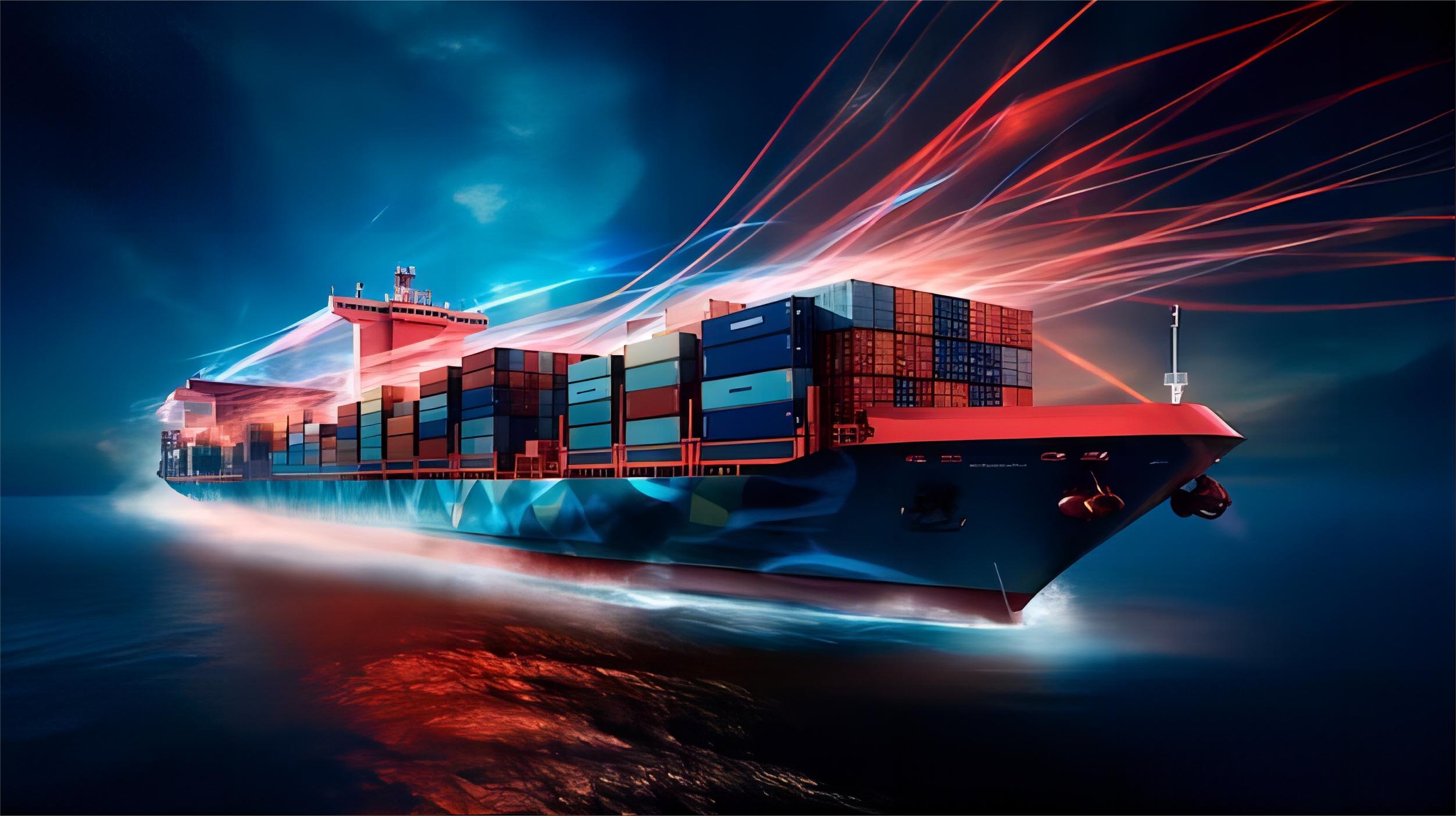
Consider sea freight as a primary option when volume and cost-efficiency are the main priorities for your automotive business. However, the choice of route depends heavily on the specific needs of the factory and the urgency of the production line. Meanwhile, the structural integrity of open top units allows for the safe transport of high-value components over thousands of miles. Consequently, many Polish automotive distributors prefer this method for its balance of protection and accessibility.
How Sea Freight Serves as the Open Top FCL best route for auto parts from China to Poland
Sea freight remains the most common choice for transporting large volumes of automotive parts due to its high capacity and lower price point. For instance, shipping from major hubs like Shanghai or Ningbo to the Port of Gdansk offers a direct connection to the heart of Poland. Nevertheless, the transit time for sea routes typically ranges from 35 to 45 days, depending on the carrier and the number of transshipment points. Indeed, the southern route via the Suez Canal is the standard path for most ocean carriers serving the Asia-Europe trade lane.
Carriers such as Maersk, MSC, and COSCO offer regular services that accommodate specialized equipment like open top containers. Additionally, the Port of Gdynia serves as an excellent alternative to Gdansk, providing modern facilities for handling oversized automotive cargo. On the other hand, some importers choose to discharge cargo at Northern European hubs like Hamburg or Rotterdam before trucking it to Poland. This strategy can sometimes offer more frequent departures, although it involves additional land transport costs.
Utilizing rail freight is another viable alternative for those who need a faster turnaround than ocean transport can provide. While sea freight is more economical, the rail connection via the New Silk Road has gained significant popularity for automotive components. Furthermore, the stability of rail transit times helps manufacturers maintain tighter inventory controls. Accordingly, the decision between sea and rail often comes down to a trade-off between speed and budget.
| Origin Port | Destination Port | Average Transit Time | Service Type |
|---|---|---|---|
| Shanghai | Gdansk | 38-42 Days | Direct / Transshipment |
| Ningbo | Gdynia | 40-45 Days | Direct |
| Shenzhen | Gdansk | 35-40 Days | Transshipment |
| Qingdao | Gdynia | 42-48 Days | Transshipment |
Navigating Customs and Documentation for Polish Imports
Importing auto parts into Poland requires strict adherence to European Union customs regulations and documentation standards. For example, a detailed commercial invoice, packing list, and bill of lading are mandatory for every shipment. Moreover, the specific HS codes for automotive parts must be accurately declared to determine the correct duty rates and VAT. Consequently, errors in documentation can lead to significant delays at the border or unexpected storage fees at the terminal.
Professional customs brokerage services are essential for navigating the complexities of the Polish tax system and EU trade laws. Additionally, importers should be aware of the EORI number requirement, which is necessary for all businesses engaging in trade within the European Union. Furthermore, certain automotive components may require specific safety certifications or environmental compliance documents. Therefore, preparing these files in advance is the best way to ensure a smooth clearance process.
Polish customs authorities are known for being thorough, particularly with high-value industrial machinery and vehicle components. In addition, the use of open top containers may trigger additional inspections to verify the lashing and security of the cargo. However, working with a logistics provider that understands the local landscape can mitigate these risks. Meanwhile, staying updated on changes in trade agreements between China and the EU is vital for long-term planning.

How Does Open Top FCL Compare to Other Shipping Options?
Analyzing the Open Top FCL best route for auto parts from China to Poland requires a comparison against standard containers and air freight. While standard 40HQ containers are cheaper, they cannot accommodate the height of certain engine assemblies or industrial robots. On the other hand, air freight is exceptionally fast but prohibitively expensive for heavy automotive parts. Therefore, open top containers occupy a unique niche that balances physical capacity with manageable freight rates.
Hybrid solutions, such as sea-air or rail-road combinations, can also be considered for urgent shipments that do not justify the cost of pure air freight. For instance, shipping by sea to a Middle Eastern hub and then by air to Europe can save time compared to a full sea voyage. Nevertheless, for the majority of automotive supply chains, the consistency of FCL rail or sea remains the preferred choice. Furthermore, the landlocked nature of certain Polish industrial zones makes rail an attractive door-to-door option.
Consider a door to door service to simplify the entire logistics chain from the factory in China to the warehouse in Poland. This approach integrates inland trucking, ocean or rail transport, and final delivery into a single contract. Additionally, it provides better visibility and accountability throughout the transit process. Consequently, many manufacturers find that the slight premium for integrated services is offset by the reduction in administrative burdens and potential coordination errors.
| Shipping Method | Cost Range (USD) | Transit Time | Best For |
|---|---|---|---|
| Sea Freight (Open Top) | $3,500 – $5,500 | 35-45 Days | Heavy/Oversized Parts |
| Rail Freight (Open Top) | $6,000 – $9,500 | 18-24 Days | Mid-range Urgency |
| Air Freight | $15,000+ | 5-8 Days | Critical/Small Parts |
| LCL (Standard) | $100 – $200/CBM | 40-50 Days | Small Shipments |
Cost Factors and Pricing Trends in 2025
Freight rates for the Open Top FCL best route for auto parts from China to Poland are influenced by several global economic factors. For example, fuel surcharges and seasonal demand peaks, such as the period before the Lunar New Year, can cause prices to spike. Moreover, the availability of specialized open top equipment in inland Chinese cities can impact the total cost of the shipment. Therefore, it is advisable to request quotes from multiple carriers to find the most competitive rates for your specific lane.
Shipping to Europe has seen significant volatility in recent years due to geopolitical events and port congestion. In addition, currency fluctuations between the USD, CNY, and PLN can affect the final landed cost of the imported parts. Furthermore, terminal handling charges (THC) at Polish ports like Gdansk should be factored into the overall budget. Consequently, a comprehensive cost analysis must include all origin and destination charges to avoid hidden surprises.
Market data suggests that rates for 2025 are stabilizing, though they remain higher than pre-2020 levels. However, long-term contracts with freight forwarders can provide price stability for high-volume importers. Meanwhile, optimizing the packaging of auto parts can help maximize container space and reduce the cost per unit. Accordingly, consulting with a logistics expert about cargo dimensions and container selection is a wise investment for any automotive business.
Real-World Case Studies for Polish Automotive Imports
Case Study 1: Heavy Engine Blocks from Shanghai to Warsaw. Route: Shanghai Port to Port of Gdansk. Cargo: 15 Tons of engine blocks in an Open Top 40FT container. Shipping Method: Sea Freight via COSCO. Total Landed Cost: $5,200. Transit Time: 41 days door-to-door. Key Insight: Top-loading with a crane saved 4 hours of labor at the origin and ensured zero damage to the specialized engine mounts.
Case Study 2: Chassis Components from Xi’an to Poznan. Route: Xi’an Rail Terminal to Malaszewicze. Cargo: Oversized chassis frames for truck assembly. Container: 40FT Open Top. Shipping Method: Rail Freight (Silk Road). Cost: $8,400. Transit Time: 22 days. Key Insight: The rail option was chosen to meet a sudden increase in production demand, arriving 18 days faster than the sea route would have allowed.
Case Study 3: Stamping Dies from Ningbo to Gdynia. Route: Ningbo Port to Gdynia. Cargo: High-value metal stamping dies. Container: 20FT Open Top. Shipping Method: Sea Freight with Transshipment. Cost: $3,800. Transit Time: 44 days. Key Insight: Using a 20FT open top container was more cost-effective than a 40FT unit while still providing the necessary overhead clearance for the heavy dies.
Which Option Should You Choose for Your Auto Parts?
Deciding on the Open Top FCL best route for auto parts from China to Poland depends on your specific balance of speed and cost. If your budget is the primary concern and your production schedule allows for a six-week lead time, sea freight is the clear winner. However, if you are facing a factory shutdown or a critical shortage of components, rail freight provides a necessary middle ground. Furthermore, for very small or lightweight parts, you might consider switching from FCL to LCL to save on costs.
Budget priority: Choose sea freight from Ningbo or Shanghai to Gdansk. Speed priority: Choose rail freight from Chengdu or Xi’an to Malaszewicze. Cargo type considerations: Always use open top containers for items exceeding 2.3 meters in height or those requiring crane loading. Volume thresholds: Once you exceed 15-20 CBM of oversized goods, FCL open top becomes significantly more economical than multiple smaller shipments. Indeed, a strategic approach to route selection can save your business thousands of dollars annually.
Note: Freight rates are subject to change based on fuel costs, carrier capacity, and seasonal demand. Contact us for a current quote tailored to your specific shipment. Market intelligence suggests that early booking is the most effective way to secure equipment and lock in favorable rates for the Poland trade lane.
Summary of Shipping Auto Parts to Poland
Successfully navigating the Open Top FCL best route for auto parts from China to Poland requires a deep understanding of both equipment and geography. By comparing sea and rail freight, importers can make informed decisions that align with their production timelines and financial goals. Moreover, the use of open top containers ensures that even the most challenging automotive components reach their destination safely. Consequently, partnering with a knowledgeable freight forwarder like China Top Freight is the most reliable way to manage these complex international shipments.
To summarize, focus on document accuracy, equipment availability, and route efficiency to stay ahead in the automotive sector. Whether you choose the cost-effective sea route or the rapid rail connection, the goal remains the same: a secure and timely delivery to the Polish market. Therefore, start planning your next shipment today to take advantage of current market trends and optimized logistics strategies.
Ready to streamline your logistics?
Optimizing your supply chain starts with choosing the right partner for the Open Top FCL best route for auto parts from China to Poland. Our team at China Top Freight is ready to provide you with a detailed, transparent quote that meets your specific automotive logistics needs. Send Inquiry link: Visit chinatopfreight.com today to speak with an expert.
Request Quote