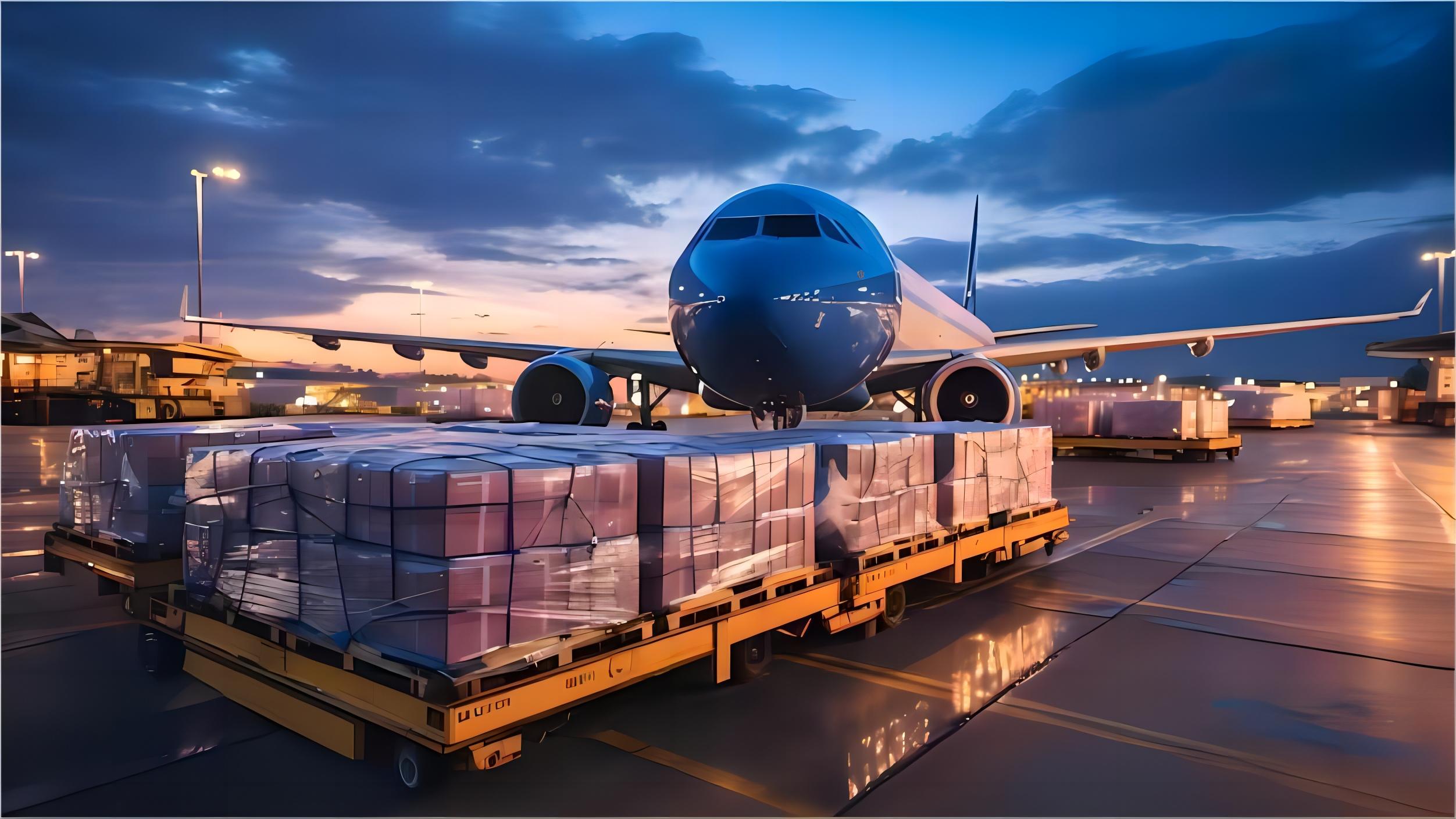
Open Top FCL tracking for textiles from China to Los Angeles
Shipping oversized textile machinery or large fabric rolls requires specialized equipment and precise monitoring to ensure cargo safety. Using China Top Freight ensures your high-value cargo moves efficiently across the Pacific with full visibility. Consequently, mastering Open Top FCL tracking for textiles from China to Los Angeles is essential for maintaining a transparent and reliable supply chain in today’s fast-paced market.

Why Use Open Top Containers for Textile Shipments?
Textile manufacturers often deal with cargo that exceeds the height of standard containers, such as industrial looms or massive fabric rolls. Specifically, sea freight utilizing open top containers allows for top-loading via cranes, which simplifies the handling of awkward loads.
Furthermore, these containers provide the necessary flexibility for items that cannot be easily maneuvered through standard end doors. Indeed, choosing the right equipment prevents damage to delicate textile components during the long journey from China to the United States.
However, using specialized equipment requires a robust tracking system to manage the unique handling requirements at each port. Therefore, shippers must prioritize visibility to ensure their oversized assets are moving according to the delivery schedule.
How Does Open Top FCL tracking for textiles from China to Los Angeles Work?
Modern logistics depends heavily on real-time data to provide accurate status updates for every container on the water. Specifically, Open Top FCL tracking for textiles from China to Los Angeles utilizes GPS and AIS data to monitor the vessel’s progress across the ocean.
Moreover, freight forwarders integrate these tracking systems into customer portals, allowing importers to see exactly when their cargo departs Ningbo or Shanghai. As a result, businesses can better plan their warehouse labor and downstream distribution in California.
Additionally, tracking provides early warnings about potential delays caused by weather or port congestion. Consequently, this information allows supply chain managers to adjust their expectations and communicate effectively with stakeholders.

How Does Open Top FCL Compare to Other Shipping Options?
Analyzing different shipping methods is crucial for optimizing your logistics budget and meeting tight deadlines. While open top containers are perfect for height-restricted cargo, other methods like standard FCL or LCL might be more cost-effective for smaller textile goods.
In addition, comparing these options helps you understand the trade-offs between speed, cost, and safety. For instance, air freight offers incredible speed but comes at a significantly higher price point compared to ocean alternatives.
| Shipping Method | Cost Range | Transit Time | Best For |
|---|---|---|---|
| Open Top FCL | $3,200 – $4,800 | 14-18 Days | Oversized Machinery |
| Standard 40HQ | $2,800 – $3,800 | 14-18 Days | Bulk Finished Textiles |
| LCL Shipping | $50 – $90/CBM | 20-25 Days | Small Fabric Samples |
| Air Freight | $5.00 – $8.00/kg | 3-7 Days | Urgent Fashion Items |
Key Factors Influencing Freight Rates and Transit Times
Several variables determine the final cost of shipping textiles from China to the Port of Los Angeles. For example, fuel surcharges and seasonal demand fluctuations often cause significant price swings during the peak Q3 and Q4 months.
Moreover, port congestion in Southern California can add several days to the total transit time, even if the ocean crossing was fast. Accordingly, shippers should factor in a buffer when planning their inventory arrivals to avoid stockouts.
Meanwhile, the availability of specialized open top equipment in China can also impact your booking timeline. Therefore, it is advisable to book your space at least two to three weeks in advance.
| Port of Loading | Destination | Direct Transit | Carrier |
|---|---|---|---|
| Shanghai | Los Angeles | 14 Days | COSCO / MSC |
| Ningbo | Los Angeles | 15 Days | Maersk / ONE |
| Shenzhen | Los Angeles | 12 Days | ZIM / Matson |
| Qingdao | Los Angeles | 18 Days | Evergreen |
Essential Customs Documentation for Textiles
Navigating the complexities of US Customs and Border Protection is a critical step in the textile import process. Specifically, you must provide an accurate Commercial Invoice, Packing List, and Bill of Lading to avoid costly inspections or delays.
Furthermore, working with a professional customs brokerage service ensures that your HTS codes are correctly classified. As a result, you can minimize the risk of paying incorrect duty rates on specialized textile products.
Indeed, textile imports are often subject to additional scrutiny regarding country of origin labeling and material composition. Consequently, maintaining organized digital records is vital for a smooth clearance process in Los Angeles.

Which Option Should You Choose?
Choosing the right shipping strategy depends on your specific cargo dimensions and budget priorities. If your textile machinery exceeds 2.5 meters in height, Open Top FCL is likely your only viable ocean option.
However, for standard boxed garments, a door to door service using standard containers might be more efficient. In contrast, if you are moving high-fashion items with a very short shelf life, air freight remains the superior choice for speed.
Ultimately, you should weigh the cost of the freight against the value of the time saved and the safety of the cargo. Without a doubt, consulting with an experienced freight forwarder can help you identify the most balanced solution for your supply chain.
Real Case Studies: China to Los Angeles Textile Logistics
Case Study 1: Industrial Loom Shipment
Route: Ningbo, China to Los Angeles, USA. Cargo: Industrial weaving looms, 28 CBM, 12,000 kg. Container: 40ft Open Top FCL.
Shipping Details: Major carrier, direct route. Ocean Freight: $4,200. Origin Charges: $450. Destination Charges: $600. Customs: $1,200. Total Landed Cost: $6,450.
Timeline: Booking to Loading: 5 days. Sea Transit: 15 days. Customs Clearance: 2 days. Total Door-to-Door: 22 days. Key Insight: Top-loading saved 4 hours of labor at the factory.
Note: This shipment was managed through North America specialized logistics channels in early 2025.
Case Study 2: High-Volume Fabric Rolls
Route: Shanghai, China to Los Angeles, USA. Cargo: Specialized outdoor fabric rolls, 65 CBM. Container: 2 x 40ft Open Top FCL.
Shipping Details: Direct service via Matson. Ocean Freight: $7,800 (total). Origin Charges: $900. Destination Charges: $1,100. Customs: $2,500. Total Landed Cost: $12,300.
Timeline: Booking to Loading: 4 days. Sea Transit: 12 days. Customs Clearance: 1 day. Total Door-to-Door: 17 days. Key Insight: Using a premium carrier avoided congestion at the main LA terminals.
Best Practices for Managing Your Textile Supply Chain
Effective textile logistics management requires a combination of early planning and the use of advanced tracking tools. Specifically, you should always verify the tarping and lashing of open top containers to prevent water damage during the transpacific crossing.
Additionally, if you are selling on platforms like Amazon, utilizing Amazon FBA services can streamline your final delivery in the US. Moreover, maintaining a diverse carrier base helps you remain resilient against unexpected port strikes or equipment shortages.
Finally, ensure your tracking data is integrated into your ERP system for seamless inventory management. Consequently, you will have a clear view of your cargo status from the moment it leaves the factory in China until it reaches your warehouse in Los Angeles.
Mastering Your Textile Logistics
In summary, navigating the complexities of ocean freight requires specialized knowledge and the right tools. By focusing on Open Top FCL tracking for textiles from China to Los Angeles, you ensure that your oversized cargo is handled with care and arrives on schedule.
Furthermore, understanding the cost drivers and documentation requirements will help you avoid unnecessary delays and expenses. Indeed, a well-managed supply chain is a significant competitive advantage in the global textile industry.
Note: Freight rates are subject to change based on fuel costs, carrier capacity, and seasonal demand. Contact us for a current quote tailored to your specific shipment.
Ready to streamline your logistics?
Ready to optimize your textile logistics? Contact us today to secure competitive rates and reliable Open Top FCL tracking for textiles from China to Los Angeles. Send Inquiry link:
Request Quote