40GP FCL Sailing Schedule for Solar Panels from China to Belgium: 2025 Guide
Optimizing your 40GP FCL sailing schedule for solar panels from China to Belgium is a critical step for successful renewable energy projects. As the demand for sustainable power grows, ensuring that your PV modules arrive on time and within budget becomes a competitive necessity. Navigating the complexities of international logistics requires a partner who understands the nuances of the China-Europe corridor. At China Top Freight, we specialize in streamlining these global supply chains to provide reliable and efficient transport solutions. This guide provides comprehensive insights into current shipping schedules, cost structures, and strategic alternatives for your solar cargo.
Understanding the 40GP FCL Sailing Schedule for Solar Panels from China to Belgium
Reliable shipping schedules form the backbone of the solar energy industry because project timelines are often rigid and weather-dependent. Most solar panel manufacturers are located in eastern China, making the choice of departure port a vital decision for your logistics plan. Major carriers like Maersk, COSCO, and MSC offer weekly departures from ports such as Shanghai, Ningbo, and Shenzhen.
Consequently, the 40GP FCL sailing schedule for solar panels from China to Belgium usually spans between 30 and 40 days depending on the specific route. Direct services are highly sought after because they minimize the risk of damage during transshipment at intermediate hubs like Singapore or Piraeus. However, transshipment routes might offer lower rates during certain seasons when direct capacity is limited.
Furthermore, the current market intelligence suggests that schedules have become more predictable in early 2025 compared to the disruptions seen in previous years. Therefore, planning your booking at least three to four weeks in advance is recommended to secure space on the most efficient vessels. Choosing the right schedule ensures that your installation team in Belgium is not left waiting for delayed components.
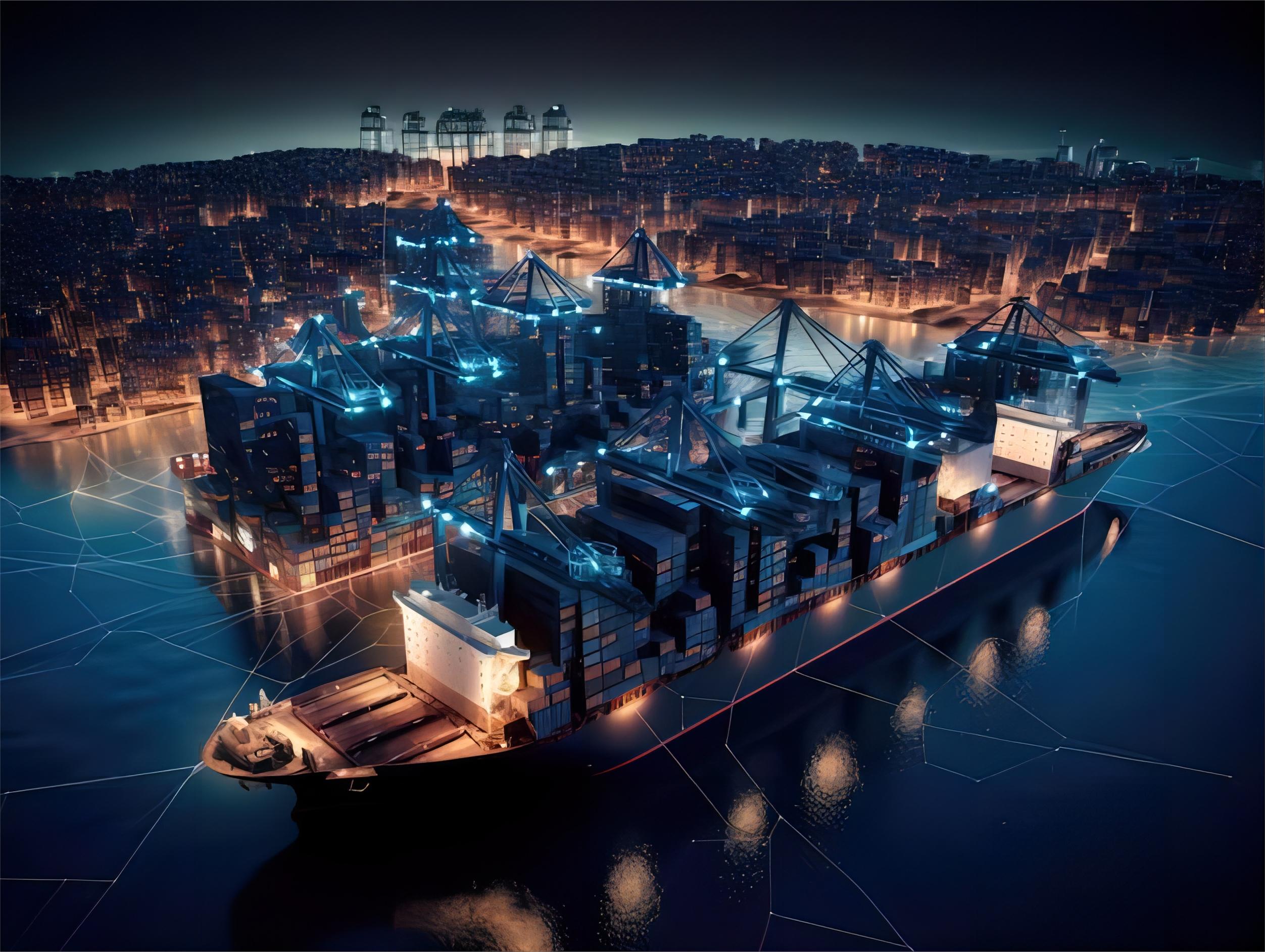
Major Ports and Transit Times for Solar Panel Exports
Specifically, the journey from China to Belgium primarily targets the ports of Antwerp and Zeebrugge, which are the main gateways for European solar distribution. Shanghai and Ningbo-Zhoushan remain the most popular loading points due to their proximity to the major PV module manufacturing clusters in Zhejiang and Jiangsu provinces. Below is a breakdown of typical transit times from various Chinese hubs to Belgium.
Moreover, the efficiency of port operations in both China and Belgium directly impacts the total lead time for your shipment. While the sea voyage itself is the longest phase, inland transport to the port of loading and from the port of discharge must also be considered. Using a professional sea freight provider helps in coordinating these legs seamlessly.
| Departure Port | Arrival Port | Average Transit | Service Type |
|---|---|---|---|
| Shanghai | Antwerp | 32-35 Days | Direct |
| Ningbo | Zeebrugge | 34-38 Days | Transshipment |
| Shenzhen | Antwerp | 28-32 Days | Direct |
| Qingdao | Antwerp | 35-40 Days | Direct |
How Does Sea Freight Compare to Other Shipping Options?
While the 40GP FCL sailing schedule for solar panels from China to Belgium is the standard for volume shipments, other methods exist for different needs. For instance, rail freight has emerged as a viable middle-ground solution for those who need faster delivery than sea but lower costs than air. Air freight remains reserved for emergency replacements or small-scale prototype modules due to its high cost.
Additionally, choosing between FCL and LCL depends largely on your total volume and budget constraints. If you are shipping more than 15-20 cubic meters, a full container is almost always more cost-effective and safer for fragile solar glass. Indeed, the trade-offs between speed, cost, and safety are the primary drivers of your logistics strategy.
| Method | Cost Range (40GP) | Transit Time | Best For |
|---|---|---|---|
| Sea Freight | $3,200 – $4,200 | 30-38 Days | Bulk Solar Orders |
| Rail Freight | $4,800 – $6,500 | 18-24 Days | Time-Sensitive Projects |
| Air Freight | $15,000 – $25,000 | 5-8 Days | Urgent Spare Parts |
| Sea-Rail Hybrid | $4,000 – $5,500 | 25-30 Days | Balanced Efficiency |
Cost Breakdown for Solar Panel Shipments
Understanding the total landed cost is essential for maintaining your project’s profitability in the competitive Belgian energy market. Ocean freight rates fluctuate based on fuel surcharges, seasonal demand, and carrier capacity, with peak seasons typically occurring in Q3 and late Q4. In addition to the base freight, you must account for local charges at both the origin and destination.
Consequently, origin charges include Terminal Handling Charges (THC), documentation fees, and export customs clearance. Destination charges in Belgium involve port fees, unloading, and potential storage costs if the container is not cleared quickly. Note: Freight rates are subject to change based on fuel costs, carrier capacity, and seasonal demand. Contact us for a current quote tailored to your specific shipment.

Which Option Should You Choose for Your Solar Project?
Budget priority dictates that sea freight is the superior choice for large-scale utility projects where margins are thin. If your primary goal is to minimize the cost per watt of your solar installation, the 40GP FCL sailing schedule for solar panels from China to Belgium offers the best economy of scale. This method allows for the maximum density of panels while protecting them within a rigid steel structure.
Speed priority might lead you toward rail freight, especially if project deadlines are approaching and delays could incur heavy penalties. Rail routes through the Silk Road provide a significant time saving of nearly two weeks compared to the traditional sea route around the Cape of Good Hope. However, the cost is approximately 30-50 percent higher, which must be factored into the overall project financing.
Cargo type considerations also play a role, as high-efficiency bifacial modules are heavier and require careful weight distribution. For these specialized products, FCL is mandatory to ensure that the pallets are not stacked or handled excessively by third parties. Ultimately, the decision depends on your specific timeline, budget, and risk tolerance for each individual shipment.
Customs Documentation and Compliance in Belgium
Importing solar panels into the European Union requires strict adherence to customs regulations and documentation standards. Belgium, as a member of the EU, applies specific tariffs and VAT rules that can affect your total import costs. Utilizing a professional customs brokerage service ensures that your paperwork is accurate and submitted on time.
Necessary documents typically include the Commercial Invoice, Packing List, Bill of Lading, and a Certificate of Origin. Furthermore, solar panels may require specific technical certifications to prove compliance with EU safety and performance standards. Without these documents, your shipment could face lengthy delays at the Port of Antwerp, leading to expensive demurrage charges.
Door-to-Door Logistics Solutions
Managing the entire journey from a factory in Wuxi to a construction site in Brussels can be overwhelming for many developers. A door to door service simplifies this by providing a single point of contact for the entire process. This approach integrates sea freight, customs clearance, and final mile delivery into one seamless package.
Moreover, specialized trailers are often needed for the final delivery of solar panels to ensure they are not damaged during the last leg of the journey. Since many solar sites are located in rural areas, coordinating the final delivery requires precise timing and local knowledge. By choosing an integrated service, you reduce the risk of communication gaps between different logistics providers.

Real-World Case Studies for China-Belgium Shipping
Case Study 1: Large Scale Utility Project. Route: Ningbo, China to Antwerp, Belgium. Cargo: 540W Monocrystalline PV Modules, 24 tons. Container: 40GP FCL. Shipping Details: Carrier: COSCO. Port of Loading: Ningbo. Port of Discharge: Antwerp. Route Type: Direct. Cost Breakdown: Ocean Freight: $3,450. Origin Charges: $450. Destination Charges: $600. Customs and Duties: Estimated based on EU rates. Total Landed Cost: $4,500. Timeline: Booking to Loading: 5 days. Sea Transit: 33 days. Customs Clearance: 2 days. Total Door-to-Door: 42 days. Key Insight: Early booking during the off-peak season saved the client 15 percent on freight costs.
Case Study 2: Urgent Commercial Installation. Route: Shenzhen, China to Zeebrugge, Belgium. Cargo: Residential Solar Kits, 18 tons. Container: 40GP FCL. Shipping Details: Carrier: MSC. Port of Loading: Shenzhen. Port of Discharge: Zeebrugge. Route Type: Transshipment via Singapore. Cost Breakdown: Ocean Freight: $3,100. Origin Charges: $400. Destination Charges: $550. Customs and Duties: Estimated. Total Landed Cost: $4,050. Timeline: Booking to Loading: 7 days. Sea Transit: 37 days. Customs Clearance: 3 days. Total Door-to-Door: 50 days. Key Insight: Choosing a transshipment route allowed the client to ship immediately when direct vessels were full, despite the slightly longer transit time.
Strategic Tips for Reducing Shipping Costs
Consolidating orders is one of the most effective ways to lower your per-unit shipping costs when importing from China. If you have multiple suppliers, consider using a warehouse near the port to combine their products into a single 40GP container. This strategy not only reduces freight costs but also simplifies the customs process in Europe.
Furthermore, monitoring the market for seasonal fluctuations allows you to time your purchases more effectively. Rates often spike before the Chinese New Year and during the late summer months as retailers prepare for the end-of-year rush. By planning your shipments during the quieter months of March through May, you can often secure much better rates on the 40GP FCL sailing schedule for solar panels from China to Belgium.
Common Challenges in Solar Logistics
Fragility remains the primary concern when transporting solar panels over thousands of miles of ocean. Improper loading or insufficient dunnage within the container can lead to micro-cracks that significantly reduce the efficiency of the cells. Therefore, ensuring that your supplier follows strict export packing standards is just as important as choosing the right ship.
Port congestion is another factor that can disrupt even the most carefully planned schedules. While the ports in Belgium are generally efficient, strikes or extreme weather events in either China or Europe can cause unexpected delays. Staying informed through regular updates from your freight forwarder helps you manage expectations and adjust project timelines accordingly.
Final Thoughts on Shipping Solar Panels to Belgium
Successfully managing the 40GP FCL sailing schedule for solar panels from China to Belgium is a multifaceted task that requires attention to detail and market expertise. By understanding the transit times, cost structures, and documentation requirements, you can ensure your project remains on track. Whether you choose the cost-effective sea route or the faster rail alternative, the key is early planning and professional coordination.
As the industry evolves, staying adaptable to changing freight rates and logistics trends will be vital for your long-term success. Partnering with a dedicated freight forwarder allows you to focus on your core business while the experts handle the complexities of international transport. We look forward to helping you power the future of Belgium with efficient solar logistics.
Ready to streamline your logistics?
Planning your next solar energy project requires a reliable logistics partner to handle the 40GP FCL sailing schedule for solar panels from China to Belgium. Contact China Top Freight today to receive a customized quote and expert advice on your shipping strategy. Visit our website to learn more about how we can optimize your global supply chain for maximum efficiency.
Request Quote