

Reefer FCL Container Shortage Solution for Hardware Tools from China to USA
Managing international logistics requires a deep understanding of equipment availability and market fluctuations. Shippers currently face significant hurdles when seeking a reefer FCL container shortage solution for hardware tools from China to USA. Consequently, working with an experienced partner like China Top Freight becomes essential for maintaining a steady flow of goods. Finding reliable equipment ensures that your hardware tool export business remains competitive in the demanding American market.
Understanding the Reefer FCL Container Shortage for Hardware Tools
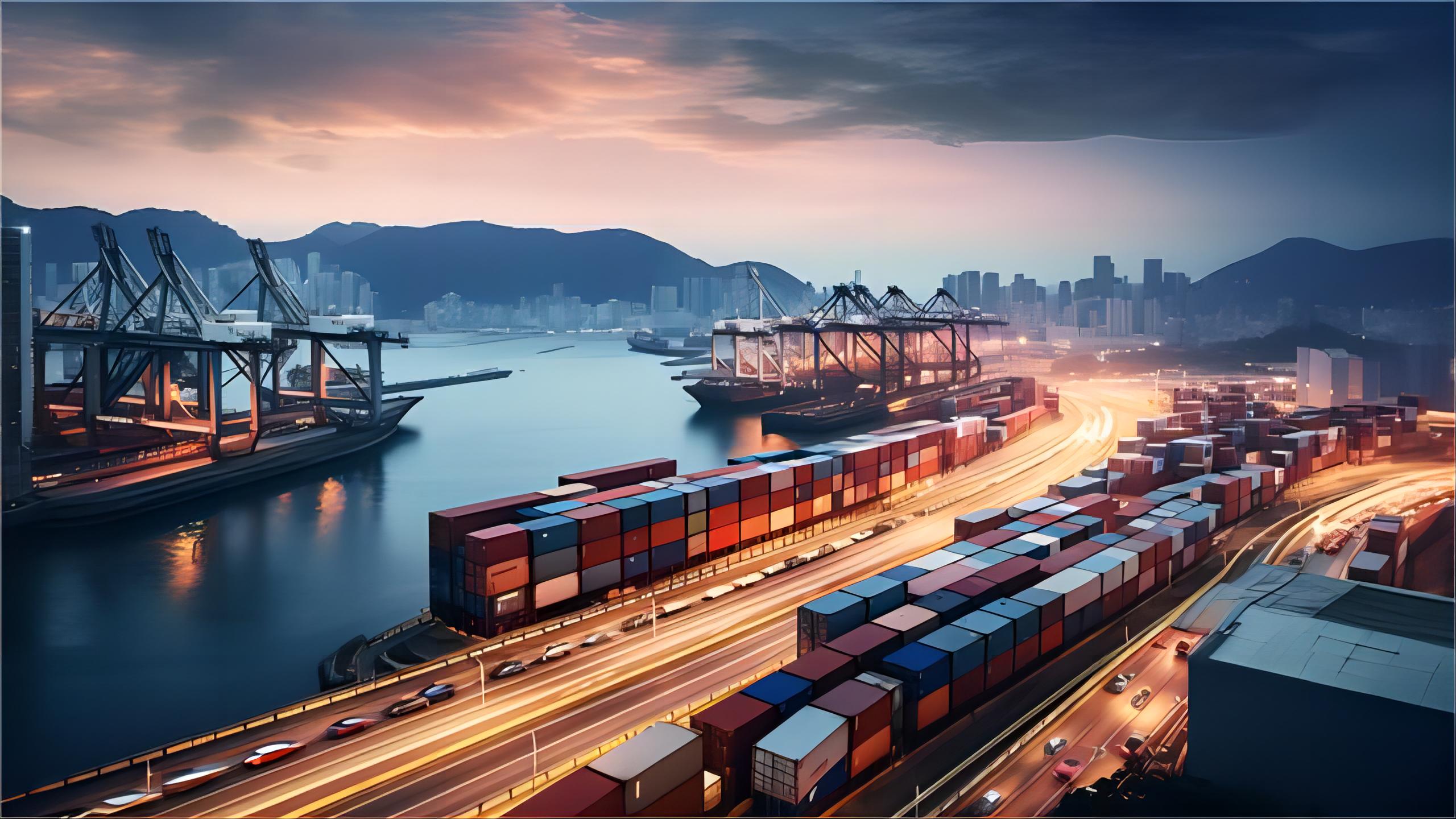
Hardware tools often require specialized shipping environments to prevent rust and degradation during long ocean voyages. Although standard dry containers are common, many high-end tool manufacturers prefer refrigerated units to control humidity levels effectively. Furthermore, the current global logistics landscape has seen a spike in demand for these specialized reefer units across various industries. Many carriers are prioritizing perishable goods, which leaves tool exporters searching for a viable reefer FCL container shortage solution for hardware tools from China to USA.

Specifically, the imbalance of equipment at major Chinese ports like Ningbo and Shanghai has reached critical levels recently. Logistics managers must now look beyond traditional booking methods to secure space on transpacific vessels. Additionally, the rising costs of fuel and port congestion have exacerbated the difficulty of finding available reefer containers. Freight forwarders are increasingly suggesting flexible booking windows to help clients navigate these equipment deficits successfully.
How Does Reefer FCL Compare to Other Shipping Options?
However, evaluating all available transport modes is the first step in creating a resilient supply chain. Using sea freight remains the most cost-effective method for bulk shipments despite the current container shortages. Therefore, comparing FCL with LCL or air freight helps determine if a shift in strategy is necessary for your specific cargo. During peak seasons, the price gap between these methods can fluctuate wildly based on carrier capacity and fuel surcharges.
Meanwhile, some exporters are turning to non-refrigerated options combined with enhanced packaging to protect their hardware tools. Every shipping method has distinct advantages and limitations that impact the total landed cost and delivery schedule. As a result, a detailed comparison is necessary to identify the most efficient route to North America for your hardware products.
| Shipping Method | Cost Range | Transit Time | Best For |
|---|---|---|---|
| Sea Freight FCL | $2,800 – $5,800 | 14-35 Days | Bulk Hardware |
| Sea Freight LCL | $60 – $160/CBM | 20-40 Days | Small Batches |
| Air Freight | $5.50 – $12/kg | 3-7 Days | Urgent Samples |
| Sea-Air Hybrid | $3.50 – $7/kg | 12-18 Days | Mid-range Needs |
Strategic Alternatives to Combat Equipment Scarcity
Because reefer units are scarce, many businesses are adopting Nor-Reefer (NOR) strategies to move their hardware tools. This approach involves using a refrigerated container without the cooling mechanism turned on, often at a lower rate. Indeed, this can be a brilliant reefer FCL container shortage solution for hardware tools from China to USA when standard dry boxes are unavailable. Essentially, you gain the structural benefits of a reefer unit while avoiding the high premiums associated with active temperature control.
Ultimately, diversifying your port of departure can also yield better equipment availability. Clearly, smaller ports might have a surplus of containers that major hubs like Shenzhen currently lack. Despite this, you must factor in the additional domestic trucking costs required to reach these alternative loading points. In addition, implementing a multi-carrier strategy prevents your business from being overly dependent on a single line’s equipment stock.
Navigating Customs and Documentation Requirements
To summarize, shipping hardware tools requires precise paperwork to avoid costly delays at the US border. Professional customs brokerage services are vital for ensuring all duties and taxes are calculated correctly. Moreover, the US Customs and Border Protection (CBP) has strict regulations regarding the wood packaging materials used for tool crates. Consequently, ensuring your pallets are ISPM-15 compliant is just as important as securing the container itself.
Furthermore, hardware tools often fall under specific Harmonized System (HS) codes that determine their tariff rates. Accuracy in your commercial invoice and packing list prevents inspections that could lead to significant demurrage charges. Meanwhile, having a solid understanding of Incoterms like FOB or CIF will help clarify the responsibilities between the buyer and the seller. Every detail in the documentation process contributes to the overall success of your reefer FCL container shortage solution for hardware tools from China to USA.
Realistic Case Studies for Hardware Tool Exports
Analyzing real-world scenarios provides valuable insights into how other companies manage logistics challenges. These examples reflect the current market conditions and the practical application of various shipping strategies. By looking at actual transit times and costs, you can better estimate your own logistics budget for the coming quarter.
Case Study 1: High-Volume Hand Tool Distribution Route: Ningbo, China to Los Angeles, USA Cargo: Professional hand tools, 68 CBM, 19,500 kg Container: 40HQ (NOR) Shipping Details: – Carrier: Major Transpacific Carrier – Port of Loading: Ningbo – Port of Discharge: Los Angeles – Route Type: Direct Cost Breakdown: – Ocean Freight: $3,250 – Origin Charges: $450 – Destination Charges: $850 – Customs and Duties: $1,200 – Total Landed Cost: $5,750 Timeline: – Booking to Loading: 6 days – Sea Transit: 16 days – Customs Clearance: 3 days – Total Door-to-Door: 25 days Key Insight: Using a Non-Operating Reefer (NOR) saved 15% compared to a standard 40HQ during a peak shortage period.
Case Study 2: Power Tool Regional Supply Route: Shenzhen, China to Savannah, USA Cargo: Electric power drills, 26 CBM, 11,000 kg Container: 20GP Shipping Details: – Carrier: Evergreen – Port of Loading: Shenzhen – Port of Discharge: Savannah – Route Type: Transshipment via Panama Cost Breakdown: – Ocean Freight: $4,900 – Origin Charges: $380 – Destination Charges: $920 – Customs and Duties: $2,100 – Total Landed Cost: $8,300 Timeline: – Booking to Loading: 10 days – Sea Transit: 34 days – Customs Clearance: 4 days – Total Door-to-Door: 48 days Key Insight: Booking 4 weeks in advance allowed the shipper to secure a dry container when reefer units were completely unavailable.
Cost-Saving Strategies for High-Demand Periods
Reducing expenses during an equipment crisis requires a proactive approach to logistics management. One effective method is to utilize door to door services that bundle trucking, ocean freight, and final delivery into a single rate. Additionally, consolidating smaller orders into a single FCL shipment can significantly lower the cost per unit for your hardware tools. Frequently, shippers find that optimizing their packaging allows them to fit more product into a single container, maximizing the value of the space.
Notably, keeping a close eye on the General Rate Increase (GRI) announcements from carriers can help you time your bookings better. If you can ship your goods just a few days before a rate hike, the savings can be substantial. Furthermore, negotiating long-term contracts with freight forwarders can provide more stable pricing than the volatile spot market. Always remember that a reefer FCL container shortage solution for hardware tools from China to USA is most effective when planned well in advance.
Future Logistics Trends in China-USA Trade
Looking ahead, the integration of digital tracking and AI in the supply chain will likely improve equipment visibility. Carriers are investing in smarter reefer units that provide real-time data on humidity and temperature, which is crucial for high-end tools. Consequently, these technological advancements will help mitigate the impact of future container shortages by optimizing container turn-around times. Shippers who embrace these digital tools will have a significant advantage in managing their global operations.
Moreover, the shift toward sustainable shipping practices may influence the availability of certain container types. New environmental regulations are pushing lines to modernize their fleets, which could lead to temporary capacity constraints. Nevertheless, the long-term outlook for China-USA trade remains robust as demand for quality hardware tools continues to grow. Staying informed about these trends is essential for any business looking to maintain a reliable reefer FCL container shortage solution for hardware tools from China to USA.
Securing Your Supply Chain Success
Navigating the complexities of international trade requires both patience and a strategic mindset. By understanding the causes of equipment scarcity and exploring alternative shipping methods, you can protect your business from major disruptions. Whether you choose NOR containers or shift to a multi-port strategy, the goal remains the same: consistent delivery of your products.
Partnering with a dedicated logistics provider ensures that you always have access to the latest market intelligence and equipment. Implement a comprehensive reefer FCL container shortage solution for hardware tools from China to USA to keep your operations running smoothly. With the right planning and expert support, your hardware tool export business will continue to thrive in the competitive American market.

Ready to streamline your logistics?
Are you ready to streamline your hardware tool shipments and overcome equipment shortages? Contact China Top Freight today to get a customized reefer FCL container shortage solution for hardware tools from China to USA. Our team of experts is standing by to provide you with a competitive quote and a reliable delivery schedule. Send Inquiry: Visit https://chinatopfreight.com/ to start your quote.
Request Quote