

FCL Shipping China Factory Shipping Mexico: The Ultimate Logistics Guide
Navigating the complexities of fcl shipping china factory shipping mexico requires a strategic approach to ensure your cargo arrives safely and on time. By partnering with China Top Freight, businesses can streamline their supply chain and reduce overhead costs significantly. This comprehensive guide explores the nuances of full container load logistics for the thriving trade lane between Chinese manufacturing hubs and Mexican industrial centers. Whether you are importing electronics, machinery, or textiles, understanding the specialized requirements of this route is essential for maintaining a competitive edge.

Why Choose FCL Shipping China Factory Shipping Mexico?
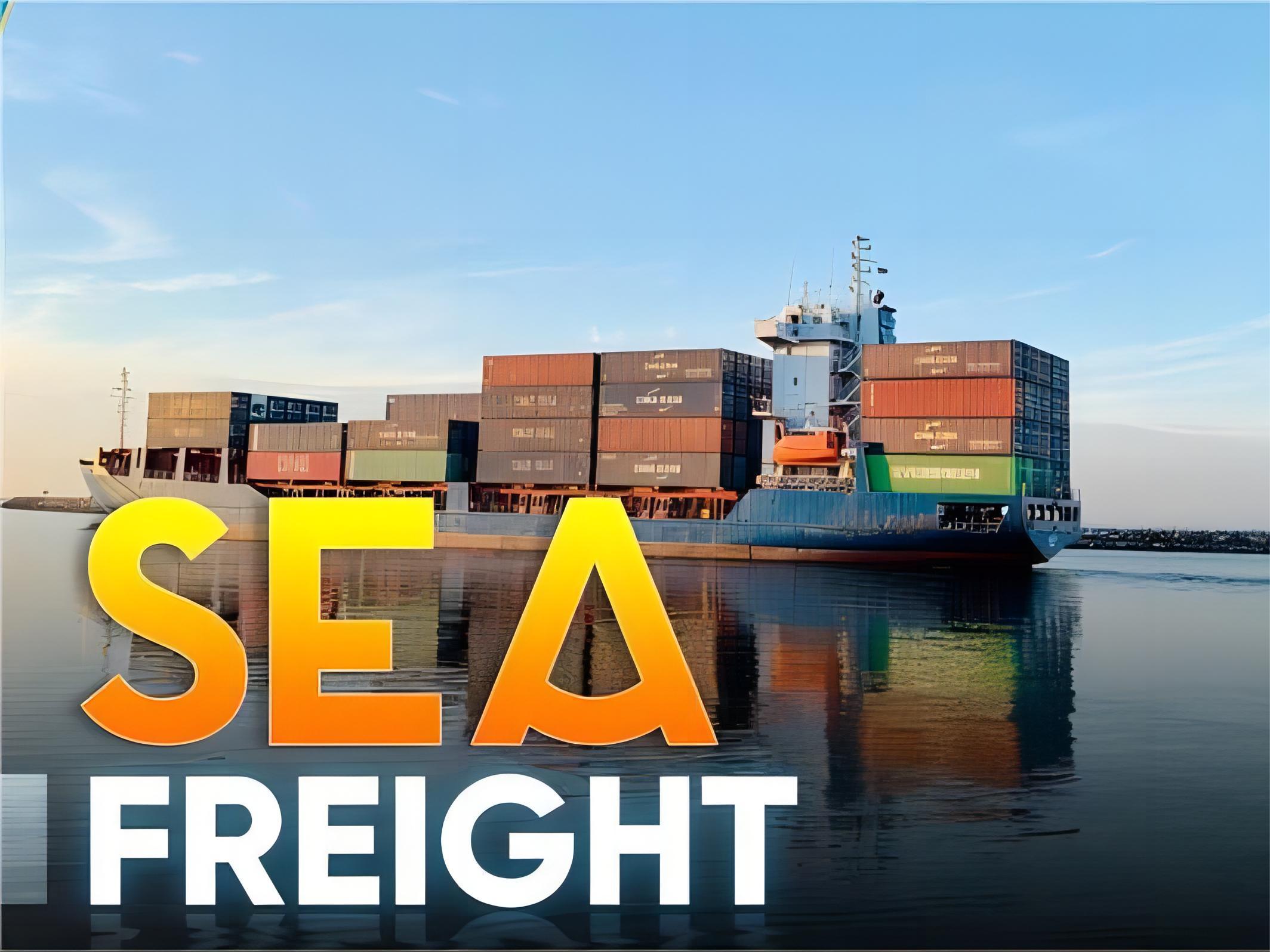
Choosing Full Container Load (FCL) services offers unparalleled security and efficiency for large-scale imports. Specifically, when you utilize sea freight to move goods from China to Mexico, you gain exclusive use of a 20ft or 40ft container. This exclusivity minimizes the risk of damage because your goods are not handled alongside other shippers cargo.
Moreover, FCL shipping is often faster than Less than Container Load (LCL) because there is no need to wait for a container to be consolidated or deconsolidated. Consequently, businesses can maintain tighter production schedules and more predictable inventory levels. This reliability is particularly vital for factories in Mexico that rely on just-in-time components from Chinese suppliers.
Furthermore, FCL is generally more cost-effective for shipments exceeding 15 cubic meters. Although the upfront cost of a full container is higher, the price per unit of volume is significantly lower than LCL. Therefore, high-volume importers can achieve better economies of scale by maximizing container space.
How Does FCL Shipping Compare to Other Shipping Options?
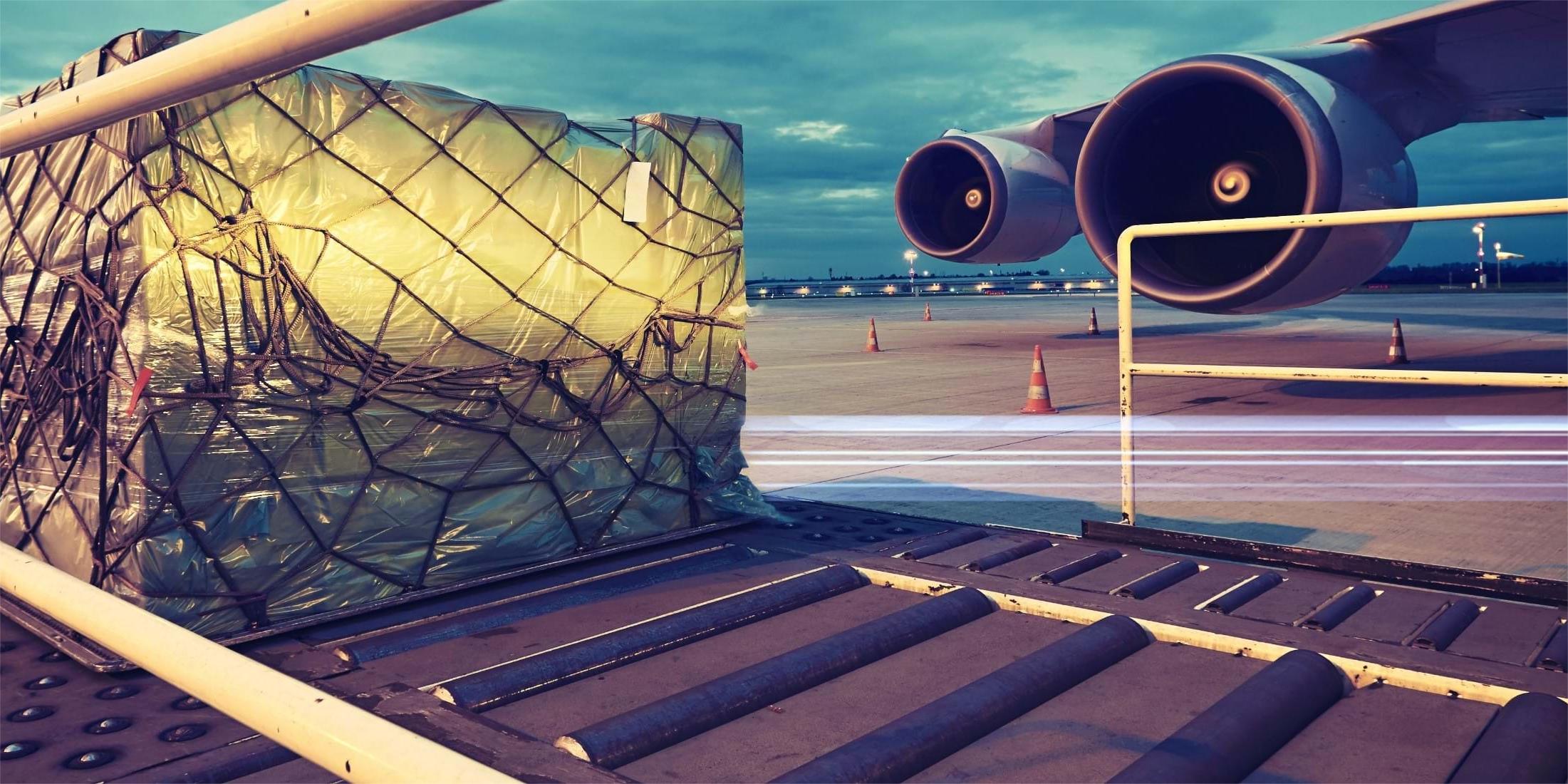
Evaluating different transport modes is crucial for optimizing your logistics budget and timeline. While FCL is the backbone of trans-Pacific trade, alternative methods like air freight or LCL might suit specific scenarios. For instance, urgent prototypes or high-value electronics often benefit from the speed of air transport despite the higher costs.
Additionally, businesses must consider the trade-offs between cost and speed. Sea freight remains the most economical choice for heavy machinery, whereas air freight is reserved for time-sensitive deliveries. In contrast, LCL serves as a bridge for smaller businesses that cannot fill a whole container but still want to utilize ocean routes.
Below is a comparison of the primary shipping methods available for the China to Mexico route to help you decide which fits your current needs.
| Shipping Method | Cost Range | Transit Time | Best For |
|---|---|---|---|
| FCL (20GP/40HQ) | $2,500 – $4,800 | 22 – 35 Days | Bulk goods and machinery |
| LCL (Per CBM) | $80 – $160 | 30 – 45 Days | Small inventory restocks |
| Air Freight | $6 – $12 per kg | 3 – 7 Days | Urgent or high-value items |
| Express Service | $12 – $20 per kg | 2 – 5 Days | Samples and documents |
Key Ports and Transit Times for Mexico Shipments
Identifying the right port of entry in Mexico is essential for reducing inland transportation costs. Most shipments from China arrive at West Coast ports like Manzanillo or Lazaro Cardenas. These ports serve as the primary gateways for goods destined for Mexico City, Guadalajara, and the industrial north.
Notably, shipping to North America involves navigating different maritime routes depending on the origin city in China. For example, a direct vessel from Shenzhen to Manzanillo typically takes about 22 to 25 days. However, routes from northern ports like Tianjin may take slightly longer due to additional stops.
Specifically, the port of Manzanillo is the busiest in Mexico and handles the majority of Asian imports. Meanwhile, Lazaro Cardenas offers excellent rail connectivity to the United States border, making it a strategic choice for nearshoring operations.
| Origin Port (China) | Destination Port (Mexico) | Direct Transit | Transshipment |
|---|---|---|---|
| Shenzhen | Manzanillo | 22 Days | 30 Days |
| Shanghai | Lazaro Cardenas | 25 Days | 32 Days |
| Ningbo | Ensenada | 20 Days | 28 Days |
| Qingdao | Manzanillo | 28 Days | 35 Days |
Step-by-Step Process for FCL Shipping China Factory Shipping Mexico
Implementing a structured shipping process ensures that every stage of the journey is monitored and managed. First, you must coordinate with your factory in China to confirm the cargo readiness date. Once ready, your freight forwarder will book the container with the shipping line and arrange for pick-up.
Next, the container is transported to the port of loading for export clearance. This stage requires accurate packing lists and commercial invoices to avoid delays. After the vessel departs, you will receive a Bill of Lading, which is the most critical document for claiming ownership of the goods.
Finally, upon arrival in Mexico, the cargo must undergo door-to-door delivery or be picked up at the terminal. Working with a provider that manages the entire chain reduces the risk of communication gaps between carriers and local truckers.
Essential Documentation and Customs Brokerage
Managing Mexican customs requires meticulous attention to detail and a deep understanding of local regulations. Mexico has strict requirements regarding the NOM (Normas Oficiales Mexicanas) standards, which ensure products meet safety and quality benchmarks. Failure to comply with these standards can result in heavy fines or cargo seizure.
Indeed, hiring a professional customs brokerage service is the most effective way to navigate these hurdles. They will handle the Pedimento, which is the official customs entry document in Mexico. Furthermore, they ensure that all duties and taxes, such as the Value Added Tax (IVA) and the Customs Processing Fee (DTA), are calculated correctly.
Specifically, you will need the Commercial Invoice, Packing List, Certificate of Origin, and the Bill of Lading. If you are shipping hazardous materials or chemicals, additional permits from Mexican health or environmental agencies may be required. Therefore, always verify documentation requirements at least two weeks before the ship arrives.
Real-World Case Studies for China-Mexico Routes
Reviewing actual shipping scenarios provides valuable insights into the costs and timelines you can expect. These examples reflect the current market conditions and common challenges faced by importers in the region.
Case Study 1: Electronics from Shenzhen to Manzanillo. A consumer electronics brand shipped two 40HQ containers. Origin: Shenzhen, China. Destination: Manzanillo, Mexico. Cargo: LED Monitors. Container: 40HQ. Shipping Details: Direct service via COSCO. Ocean Freight: $3,950 per container. Timeline: 23 days sea transit, 3 days customs. Total Door-to-Door: 32 days. Key Insight: Early booking during the Q3 peak season saved the client $400 per container.
Case Study 2: Auto Parts from Ningbo to Lazaro Cardenas. An automotive supplier required regular shipments of steel components. Origin: Ningbo, China. Destination: Lazaro Cardenas, Mexico. Cargo: Stamped steel parts. Container: 20GP. Shipping Details: Transshipment via Busan. Ocean Freight: $2,450. Timeline: 28 days sea transit, 5 days customs. Total Door-to-Door: 38 days. Key Insight: Using Lazaro Cardenas instead of Manzanillo reduced inland trucking costs to the Bajio region by 15 percent.
Note: Freight rates are subject to change based on fuel costs, carrier capacity, and seasonal demand. Contact us for a current quote tailored to your specific shipment.
Strategies to Reduce FCL Shipping Costs
Reducing your logistics spend requires a combination of smart planning and negotiation. One effective strategy is to optimize your packaging to ensure you are utilizing every inch of the container space. If your container is only 70 percent full, you are essentially paying for empty air.
Additionally, consider shipping during the off-peak season to take advantage of lower freight rates. Typically, rates spike before the Chinese New Year and during the late summer months. By shifting your shipping schedule by just a few weeks, you can often save hundreds of dollars per container.
Finally, always request multiple quotes and look for all-in rates. Some forwarders may offer a low ocean freight rate but add excessive destination charges. Consequently, comparing the total landed cost is the only way to accurately assess the value of a shipping proposal.
Mastering Your China to Mexico Supply Chain
Successfully managing fcl shipping china factory shipping mexico involves more than just moving boxes across the ocean. It requires a deep understanding of port operations, customs regulations, and the ability to adapt to market fluctuations. By choosing the right container size and the most efficient port of entry, you can significantly improve your bottom line.
To summarize, FCL shipping remains the most robust and cost-effective method for high-volume trade between China and Mexico. Whether you are dealing with raw materials or finished goods, a professional logistics partner will ensure your cargo navigates the Pacific with ease. Start planning your next shipment today to take advantage of current market rates and secure your space on the next vessel.
Ready to streamline your logistics?
Ready to optimize your supply chain with reliable fcl shipping china factory shipping mexico solutions? Contact China Top Freight today for a customized quote and expert guidance on your next shipment. Send Inquiry: info@chinatopfreight.com
Request Quote