

China to Canada Shipping Bulk Cargo Germany: Expert Logistics Guide
China to Canada shipping bulk cargo Germany represents a complex but essential segment of global trade that requires meticulous planning and execution. Businesses looking to move large volumes of goods across these major economic zones must navigate varying regulations, fluctuating fuel costs, and diverse infrastructure capabilities. By partnering with a professional logistics provider like China Top Freight, importers can streamline their supply chain and ensure that heavy or high-volume shipments arrive safely and on schedule. This guide provides a comprehensive overview of the strategies, costs, and methods involved in managing bulk cargo across these international routes.
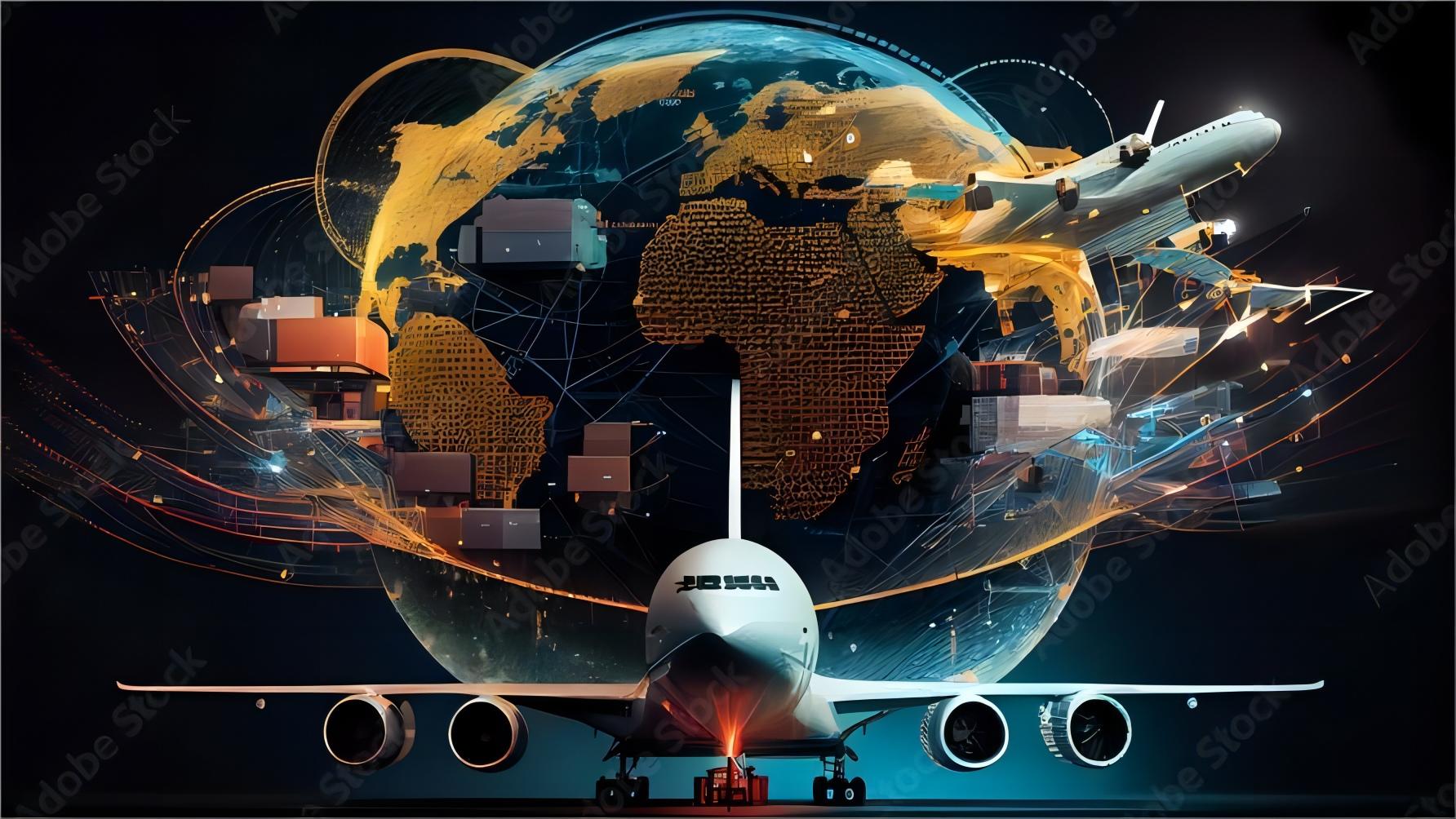
What Defines China to Canada Shipping Bulk Cargo Germany Logistics?
Bulk cargo refers to goods transported in large quantities without individual packaging, such as minerals, grains, or heavy machinery parts. Managing these shipments between China, Canada, and European hubs like Germany requires specialized equipment and deep industry knowledge. Consequently, shippers must distinguish between dry bulk, liquid bulk, and breakbulk to select the most appropriate vessel type.
Germany often serves as a critical transshipment point or a logistical benchmark for European standards when coordinating these global routes. Furthermore, the integration of German logistics expertise can enhance the efficiency of shipments moving from Asian manufacturing hubs to North American markets. Therefore, understanding the interplay between these regions is vital for maintaining a competitive edge in the international marketplace.
Importers must also consider the specific port capabilities in both China and Canada. For instance, the Port of Vancouver and the Port of Prince Rupert are primary gateways for Canadian bulk imports. Meanwhile, Chinese ports like Shanghai and Ningbo-Zhoushan offer the high-capacity infrastructure needed to handle massive outbound bulk volumes.
How Does Sea Freight Compare to Other Shipping Options?
When moving massive volumes, sea freight remains the most economical and common choice for businesses. It offers the capacity to handle thousands of tons of cargo that would be physically impossible or prohibitively expensive to move via other methods. However, the primary trade-off for this cost-efficiency is the significantly longer transit time compared to air transport.
Air freight is rarely used for traditional bulk cargo like coal or grain due to weight restrictions and extreme costs. Nevertheless, for high-value industrial bulk components that are time-sensitive, air freight can be a viable alternative to prevent production shutdowns. In contrast, rail freight is an emerging option for trans-continental routes, though it is currently more relevant for China-Europe trade than direct China-Canada paths.
The following table provides a detailed comparison of the primary shipping methods available for bulk and large-scale cargo movements in the current market.
| Shipping Method | Cost Range | Transit Time | Best For |
|---|---|---|---|
| Sea Freight (FCL) | $2,500 – $4,500 | 18 – 35 Days | Large machinery, raw materials |
| Sea Freight (Bulk) | $40 – $90 per ton | 25 – 45 Days | Grains, minerals, ores |
| Air Freight | $4.50 – $9.00/kg | 3 – 7 Days | Critical spare parts |
| Multi-modal | $3,000 – $5,500 | 22 – 40 Days | Inland Canadian destinations |

Which Option Should You Choose for Bulk Cargo?
Selecting the right shipping strategy depends on your specific budget, timeline, and the nature of the cargo itself. If your primary goal is cost minimization and your schedule allows for several weeks of transit, traditional ocean bulk carriers are the logical choice. Additionally, for cargo that fits into standard containers, Full Container Load (FCL) shipping provides better protection and easier handling.
Speed-oriented businesses should prioritize air transport for smaller, high-value bulk segments despite the higher price point. Moreover, companies operating between China and Canada may use German logistics hubs for consolidation if they have a significant European customer base. Specifically, this hybrid approach allows for better inventory management across multiple continents.
Volume thresholds also play a major role in the decision-making process. For shipments exceeding 15 cubic meters, FCL is generally more cost-effective than Less than Container Load (LCL). Furthermore, dedicated bulk vessels become the only viable option once shipments reach several thousand tons of loose material.
Understanding the Role of Germany in Global Bulk Logistics
Germany is home to some of the world’s most advanced logistics companies and serves as a primary gateway for trade within the European Union. While a direct route from China to Canada does not physically pass through Germany, many global firms use German ports like Hamburg or Bremerhaven as transshipment hubs. Consequently, cargo might be rerouted through Europe to take advantage of specific carrier alliances or to consolidate with European-bound goods.
Utilizing a door to door service that leverages German logistics expertise can provide superior visibility and reliability. Indeed, German freight forwarders are known for their precision and strict adherence to international safety standards. Therefore, integrating these standards into your China-Canada supply chain can reduce the risk of delays and cargo damage.
Market data from Q1 2025 suggests that transshipment via Europe has become a strategic alternative when direct Pacific routes face congestion. Although this may add 5 to 10 days to the transit time, it often offers more stable pricing during peak seasons. Additionally, this route allows businesses to tap into the robust customs infrastructure of the Eurozone before the final leg to North America.
Real-World Case Studies in Bulk Cargo Logistics
Examining actual shipping scenarios helps illustrate the complexities and successful strategies used in modern international trade. These examples reflect realistic market conditions and pricing as of late 2024 and early 2025. Each case demonstrates how different variables like cargo type and route selection impact the final landed cost and delivery timeline.
Case Study 1: Industrial Steel Components
Route: Shanghai, China to Vancouver, Canada. Cargo: Structural steel beams, 120 tons. Method: Breakbulk Sea Freight. Ocean Freight: $9,600. Origin Charges: $1,200. Destination Charges: $1,500. Customs and Duties: $4,200. Total Landed Cost: $16,500. Timeline: 28 days total door-to-door. Key Insight: Using a dedicated breakbulk vessel saved 20% compared to specialized container equipment.
Case Study 2: Consumer Goods Transshipment
Route: Shenzhen, China to Toronto, Canada via Hamburg, Germany. Cargo: Mixed retail goods, 45 CBM. Method: 40HQ Container. Ocean Freight: $4,800. Origin Charges: $650. Destination Charges: $900. Customs and Duties: $2,100. Total Landed Cost: $8,450. Timeline: 42 days total. Key Insight: Transshipment through Germany allowed the shipper to consolidate inventory for both European and Canadian markets, reducing overall warehousing costs.

Navigating Customs and Regulatory Compliance
Successful bulk shipping requires a thorough understanding of the regulatory environment in China, Canada, and any transshipment countries. Specifically, Canadian customs regulations are strict regarding the documentation of raw materials and heavy machinery. Therefore, hiring a professional customs brokerage service is essential to avoid costly fines and storage fees at the port.
Documentation requirements typically include a commercial invoice, packing list, bill of lading, and certificates of origin. Additionally, certain bulk materials may require environmental permits or phytosanitary certificates if they involve agricultural products. Consequently, preparing these documents well in advance of the vessel’s arrival is a critical step in the logistics process.
The following checklist outlines the essential documents required for most bulk cargo shipments entering North America from Asian or European origins.
| Document Name | Purpose | Provider | Requirement |
|---|---|---|---|
| Bill of Lading | Title of goods | Carrier | Mandatory |
| Commercial Invoice | Valuation for duty | Shipper | Mandatory |
| Packing List | Inventory detail | Shipper | Mandatory |
| Import Permit | Regulated goods | Govt Agency | Conditional |
Cost Factors and Market Trends for 2025
As of early 2025, several factors continue to influence the cost of China to Canada shipping bulk cargo Germany. Fuel surcharges remain volatile due to global geopolitical shifts, which directly impacts ocean freight rates. Furthermore, seasonal demand peaks, particularly before the Lunar New Year and during the autumn harvest, can cause rates to spike by 15% to 25%.
Labor availability at major ports also plays a significant role in determining transit times and potential surcharges. For example, congestion at West Coast Canadian ports can lead to vessel bunching and increased demurrage fees. Meanwhile, technological advancements in cargo tracking are providing shippers with better data to optimize their routes and reduce waste.
Note: Freight rates are subject to change based on fuel costs, carrier capacity, and seasonal demand. Contact us for a current quote tailored to your specific shipment. Always ensure you have a buffer in your budget for unexpected port fees or exchange rate fluctuations.
Final Thoughts on Bulk Cargo Logistics
Successfully managing China to Canada shipping bulk cargo Germany requires a strategic blend of route optimization, regulatory knowledge, and reliable partnerships. By understanding the differences between sea and air freight, and acknowledging the role of hubs like Germany, businesses can significantly reduce their landed costs. Furthermore, staying informed about 2025 market trends allows for more accurate budgeting and planning.
In summary, while the complexities of bulk shipping are numerous, the right logistics approach turns these challenges into a competitive advantage. Prioritize documentation accuracy, choose the right shipping method for your volume, and always maintain clear communication with your freight forwarder. This proactive mindset ensures that your bulk cargo moves efficiently across the globe, supporting your business growth in the Canadian market.
Ready to streamline your logistics?
Streamline your international supply chain today by choosing a partner that understands the nuances of China to Canada shipping bulk cargo Germany. Our team offers tailored solutions to ensure your large-scale shipments are handled with precision and care. Visit our website to request a personalized quote and discover how we can optimize your logistics. Send Inquiry: https://chinatopfreight.com/
Request Quote