

China to Europe Shipping Supplier Logistics USA: 2025 Guide
Navigating the complexities of international trade requires a reliable partner to manage your global supply chain effectively. Finding a professional China to Europe shipping supplier logistics USA expert ensures that your goods move across borders without unnecessary delays or hidden costs. By partnering with China Top Freight, businesses can streamline their operations and focus on growth while experts handle the intricate details of freight forwarding and customs compliance.
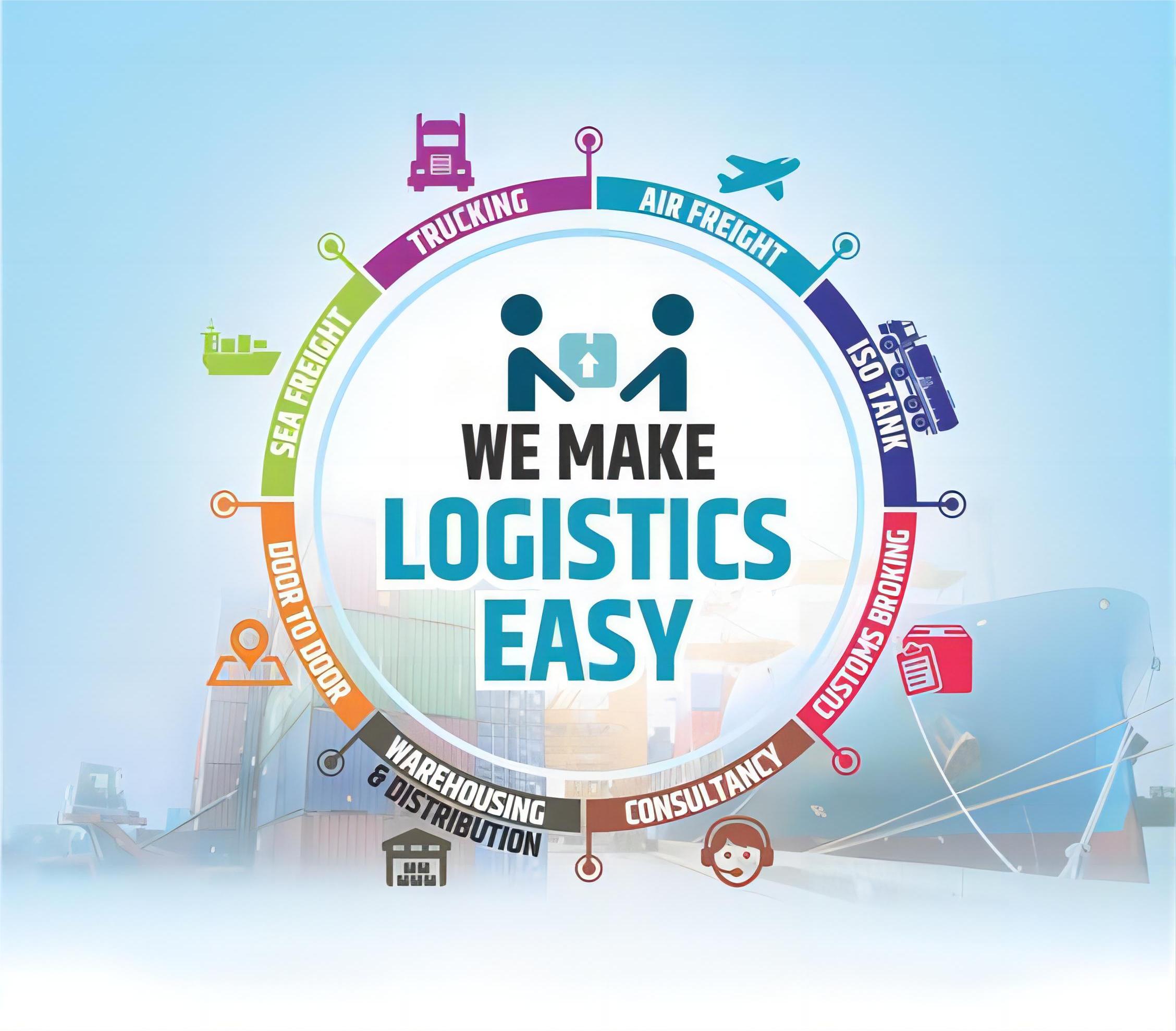
How to Choose a China to Europe Shipping Supplier Logistics USA Expert?
Selecting the right logistics partner involves evaluating their network reach and industry experience. A qualified supplier should offer comprehensive services that cover both the origin in China and various destinations across Europe and North America. Furthermore, they must demonstrate a deep understanding of local regulations in each region to prevent cargo seizures or fines.

Reliability remains the most critical factor when choosing a freight forwarder for high-value shipments. You should look for companies that provide real-time tracking and transparent pricing models. Additionally, a good supplier will offer tailored solutions that match your specific cargo volume and budget requirements.
Communication plays a vital role in maintaining a smooth supply chain. Consequently, your chosen logistics provider should have dedicated account managers who speak your language and understand your business goals. This level of service ensures that any issues are resolved quickly before they impact your delivery schedule.
What Are the Primary Shipping Methods for China to Europe Routes?
Businesses typically choose between three main modes of transport based on their budget and urgency. For large volumes, sea freight offers the most cost-effective solution for shipping heavy machinery or retail goods. On the other hand, air freight is the preferred choice for time-sensitive electronics or fashion items.
Meanwhile, rail freight has emerged as a popular middle-ground option. It provides faster transit times than sea transport while remaining significantly cheaper than air cargo. Each method has unique advantages depending on the specific nature of your products and your inventory turnover rates.
| Shipping Method | Cost Range | Transit Time | Best For |
|---|---|---|---|
| Sea Freight | Low ($2,000 – $4,500) | 30 – 45 Days | Bulk Cargo, FCL/LCL |
| Rail Freight | Medium ($4,000 – $7,000) | 15 – 22 Days | E-commerce, Auto Parts |
| Air Freight | High ($5 – $12 per kg) | 3 – 7 Days | High-value, Urgent |
How Does Sea Freight Compare to Other Shipping Options?
Sea freight remains the backbone of international trade due to its massive capacity and lower carbon footprint per ton. While it is slower than other methods, the cost savings for shipments exceeding 15 CBM are undeniable. For instance, shipping a 40HQ container via sea is often five times cheaper than using rail for the same volume.
However, shippers must account for port congestion and seasonal weather disruptions. During peak seasons, transit times can extend by an additional week. Therefore, it is essential to plan your inventory cycles at least two months in advance when relying on ocean transport.
Hybrid solutions like sea-air combinations are also available for those seeking a balance. This involves shipping goods by sea to a hub like Dubai and then flying them to Europe. Such strategies can reduce costs by 30 percent compared to pure air freight while saving two weeks compared to pure sea freight.
Which Option Should You Choose for Your Business?
Deciding on the right method depends on several key variables including cargo weight and delivery deadlines. If your priority is minimizing international shipping costs, sea freight is the clear winner for non-urgent goods. Conversely, if you are launching a new product and need it in stock immediately, air freight is the only viable path.
Volume thresholds often dictate the transition from LCL to FCL shipping. Generally, if your cargo occupies more than 15 cubic meters, booking a full 20GP container becomes more economical than paying per CBM. This decision framework helps businesses optimize their logistics spend without compromising on service quality.
Cargo type also influences the final decision. Hazardous materials or oversized equipment might have limited options due to carrier restrictions. In these cases, consulting with a specialist who understands customs brokerage and specialized handling is mandatory.
How Do You Manage Amazon FBA Logistics from China?
Selling on international platforms requires strict adherence to packaging and labeling standards. Utilizing a specialized Amazon FBA service from China ensures that your products are ready for immediate check-in at European or USA warehouses. This prevents costly delays and potential account suspensions.
Moreover, your logistics provider should offer value-added services such as inspection and palletization. These steps are crucial because Amazon rejects shipments that do not meet their exact specifications. By outsourcing these tasks to a China-based expert, you reduce the risk of returns and improve your seller rating.
Effective FBA management also involves monitoring inventory levels to avoid stockouts. Using a combination of sea freight for replenishment and air freight for emergency stock ensures a consistent supply. This multi-modal approach is the secret to successful e-commerce scaling in competitive markets.
Real-World Case Studies for China to Europe Logistics
Case Study 1: Electronics Distribution. Route: Shenzhen to Hamburg. Cargo: Consumer electronics, 68 CBM, 12,500 kg. Container: 40HQ. Shipping Details: Major carrier, direct route via Suez Canal. Cost Breakdown: Ocean freight $3,200, origin charges $450, destination charges $600. Total Landed Cost: $4,250. Timeline: 32 days door-to-door. Key Insight: Early booking during Q3 avoided the 20 percent peak season surcharge.
Case Study 2: Industrial Machinery. Route: Ningbo to Rotterdam. Cargo: Spare parts, 12 CBM, 4,200 kg. Method: LCL Sea Freight. Cost Breakdown: $95 per CBM. Total Landed Cost: $1,140 plus customs. Timeline: 38 days. Key Insight: Consolidating multiple small orders into one LCL shipment reduced total freight costs by 15 percent.
Case Study 3: Urgent Fashion Launch. Route: Shanghai to Paris. Cargo: Apparel, 500 kg. Method: Air Freight. Cost Breakdown: $6.50 per kg. Total Landed Cost: $3,250. Timeline: 5 days. Key Insight: Using air freight allowed the brand to hit their seasonal launch date despite production delays in the factory.
What Are the Current Shipping Rates for 2025?
Market data suggests that freight rates have stabilized in early 2025 following previous global disruptions. However, fuel surcharges and carrier capacity still fluctuate based on geopolitical events. It is recommended to check rates weekly to take advantage of market dips.
Typically, a 20GP container from China to major European ports like Felixstowe or Antwerp ranges between $1,800 and $2,500. For the USA West Coast, prices are slightly lower, while the East Coast remains higher due to longer transit distances. Always request a current quote to ensure accuracy for your specific shipment date.
Note: Freight rates are subject to change based on fuel costs, carrier capacity, and seasonal demand. Contact us for a current quote tailored to your specific shipment.
Why is Customs Brokerage Essential for International Logistics?
Navigating the customs clearance process is often the most challenging part of international shipping. Every country has unique import duties and taxes that must be calculated correctly to avoid legal issues. A professional broker ensures that your HS codes are accurate, which can potentially save you thousands in overpaid duties.
Furthermore, documentation errors are the leading cause of port delays. Missing commercial invoices or incorrectly filled packing lists can result in expensive demurrage charges. By employing a specialist, you ensure that all paperwork is filed correctly before the vessel even arrives at the destination port.
Ultimately, customs experts provide peace of mind by acting as a buffer between your business and government authorities. They stay updated on the latest trade agreements and tariff changes. This proactive approach keeps your supply chain moving smoothly through even the most rigorous inspections.
Mastering Your China to Europe Logistics Strategy
Successfully managing a China to Europe shipping supplier logistics USA operation requires a blend of strategic planning and expert execution. By understanding the differences between sea, air, and rail freight, you can make informed decisions that balance speed and cost effectively. The integration of professional customs brokerage and specialized FBA services further ensures that your goods reach their destination without friction.
As market conditions continue to evolve in 2025, staying flexible with your transport methods will be key to maintaining a competitive edge. Whether you are shipping full containers or small parcels, the right logistics partner will provide the transparency and reliability your business deserves. Start streamlining your international trade today with a partner who understands the global landscape.
Ready to streamline your logistics?
Ready to optimize your supply chain with a trusted China to Europe shipping supplier logistics USA partner? Contact China Top Freight today for a customized quote and expert guidance on your next shipment. Visit our website to learn more about our comprehensive freight solutions. Send Inquiry: https://chinatopfreight.com/
Request Quote