

China to Australia Shipping for Ecommerce Singapore: The 2025 Guide
Singapore-based e-commerce businesses often face complex logistical hurdles when sourcing products from Chinese manufacturers to serve the Australian market. By leveraging the expertise of China Top Freight, sellers can streamline these cross-border operations effectively. This comprehensive guide provides actionable insights into mastering china to australia shipping for ecommerce singapore, ensuring your business remains competitive in a fast-paced global marketplace.
What are the primary methods for china to australia shipping for ecommerce singapore?
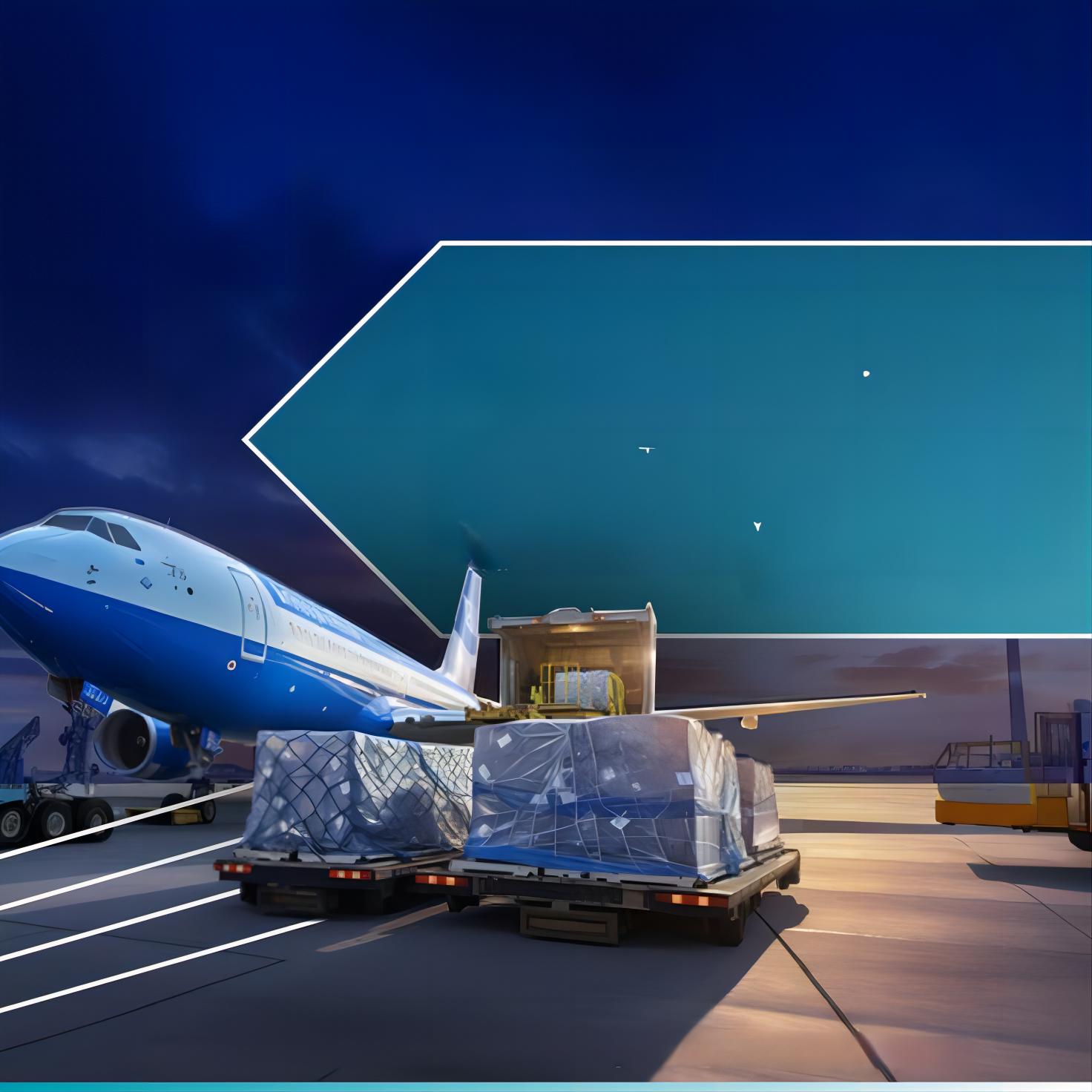
Choosing the right transportation mode is the most significant decision for any Singaporean entrepreneur targeting Australian consumers. Consequently, you must balance the urgency of delivery against the total landed cost of your products. Most businesses rely on air freight for high-value or lightweight items that require rapid replenishment. Meanwhile, sea freight remains the backbone of bulk inventory movements due to its superior cost-efficiency.
Furthermore, the rise of specialized e-commerce logistics has introduced hybrid solutions that combine different modes to optimize performance. For instance, some sellers use express services for initial product launches and shift to ocean freight once demand stabilizes. Therefore, understanding the nuances of each method allows you to adapt your strategy based on seasonal fluctuations and inventory levels. Indeed, the choice between speed and savings will directly impact your profit margins and customer satisfaction ratings.
Air Freight vs Sea Freight for Singapore Sellers
Air freight typically offers transit times of 3 to 7 days, making it ideal for electronics, fashion, and trending goods. However, the costs are significantly higher, often calculated based on weight or volumetric weight. In contrast, sea freight takes between 12 and 25 days depending on the specific Australian port of entry. Nevertheless, the cost per unit is remarkably lower, especially when shipping large volumes of home goods or furniture.
How Does Sea Freight Compare to Other Shipping Options?
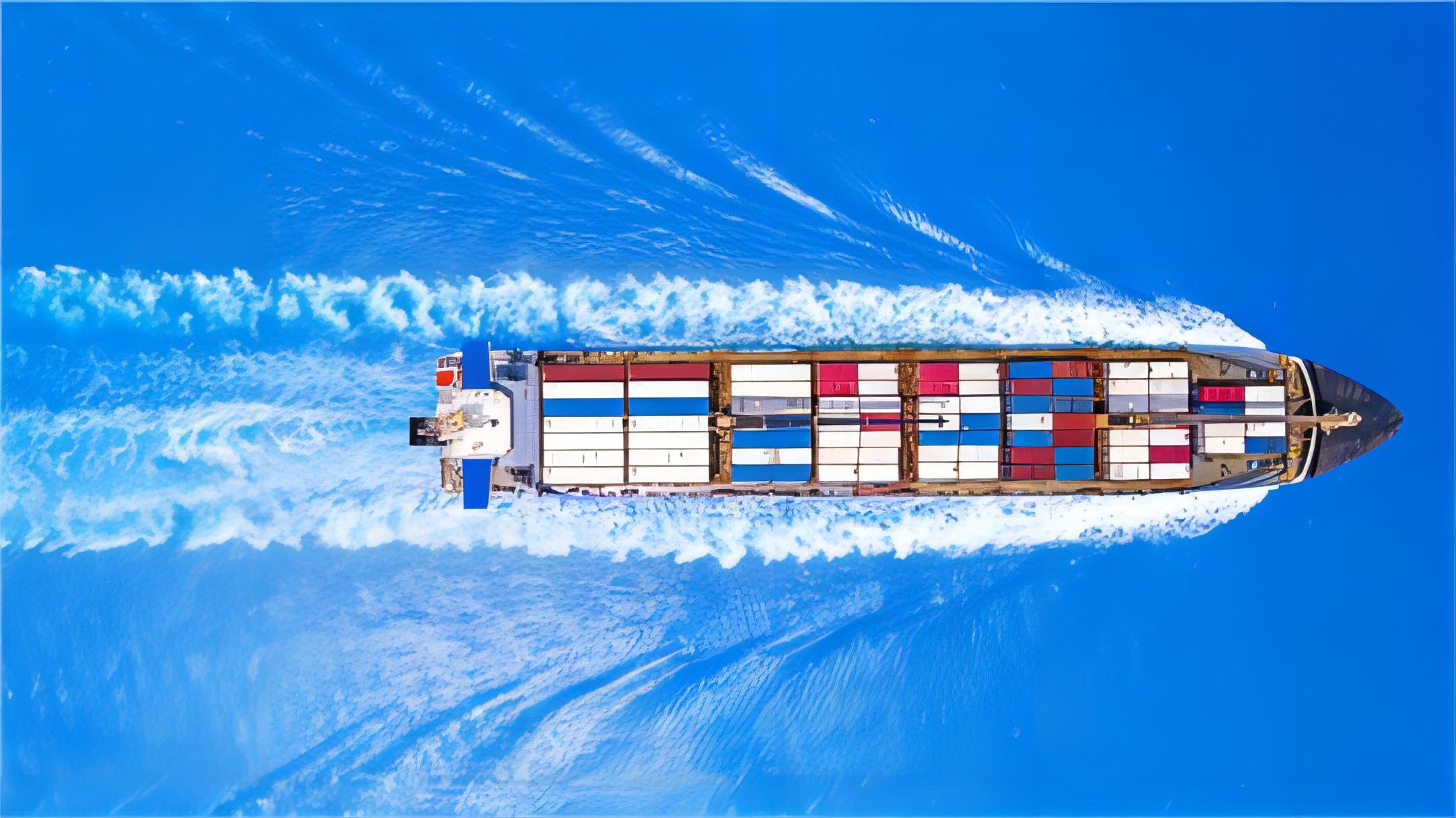
Analyzing sea freight against other alternatives is essential for long-term scalability in the Australian market. While ocean transport is slower, it provides the stability needed for consistent supply chain management. Additionally, the ability to choose between Less than Container Load (LCL) and Full Container Load (FCL) gives sellers flexibility. For example, smaller e-commerce stores can share container space to reduce overhead costs.
On the other hand, express couriers offer the fastest possible route but at a premium price point. Therefore, sea freight is generally the preferred choice for established brands with predictable sales cycles. Below is a detailed comparison of the viable shipping methods for this specific trade route.
| Shipping Method | Cost Range | Transit Time | Best For |
|---|---|---|---|
| Express Service | $8 – $15 per kg | 3-5 Days | Urgent Samples |
| Air Freight | $4 – $7 per kg | 5-9 Days | High-Value Goods |
| Sea Freight LCL | $50 – $120 per CBM | 18-25 Days | Mid-sized Batches |
| Sea Freight FCL | $800 – $1800 per 20GP | 12-18 Days | Bulk Inventory |
Why is Customs Compliance Critical for Australian Imports?
Navigating the regulatory landscape is a mandatory step for any Singaporean business shipping from China to Australia. Specifically, the Australian Border Force (ABF) enforces strict biosecurity and taxation rules that can delay shipments if not followed correctly. Most e-commerce shipments under 1,000 AUD may qualify for duty-free entry under the de minimis threshold. However, you must still provide accurate documentation to avoid unnecessary audits.
Moreover, utilizing a professional door to door service can simplify the entire customs process. These providers handle the heavy lifting of paperwork, ensuring that all duties and GST are calculated precisely. Consequently, this reduces the risk of your cargo being held at ports like Sydney or Melbourne. Indeed, proactive compliance is the best way to maintain a reliable delivery schedule for your Australian customers.
Which Option Should You Choose for Your Business?
Deciding on a logistics strategy requires a deep dive into your specific business model and financial goals. If your priority is budget and you are moving large volumes, sea freight is the clear winner. Conversely, if you operate in a niche where speed is the primary competitive advantage, air freight is necessary. Many successful Singaporean sellers utilize a tiered approach, keeping a small buffer of stock via air while the bulk arrives by sea.
Consider the following criteria when making your final decision: weight of the cargo, total value, and the required delivery window. Furthermore, always account for the ‘hidden’ costs such as port handling fees and local trucking in Australia. By weighing these factors, you can select a method that supports your growth without draining your capital. Visit Australia shipping resources for more specific lane data.
Decision Framework for Singapore Sellers
Budget priority: Recommend Sea Freight LCL or FCL to minimize per-unit costs. Speed priority: Recommend Express or Air Freight for 3-7 day delivery. Cargo type: Use Sea Freight for hazardous or oversized items; use Air for perishables or high-tech gear. Volume thresholds: Once you exceed 15 CBM, switching from LCL to a 20GP FCL container often yields better rates.
Real-World Case Studies for China to Australia Routes
Case studies provide a realistic look at what to expect regarding costs and timelines in the current market. These examples reflect typical scenarios for Singaporean e-commerce businesses sourcing from major Chinese manufacturing hubs. Please note that rates fluctuate based on fuel surcharges and seasonal demand.
Case Study 1: Shenzhen to Melbourne. Cargo: Consumer Electronics, 2 CBM, 450 kg. Method: Air Freight. Cost Breakdown: Air Freight $2,400; Origin Charges $150; Destination Charges $200; Total Landed Cost $2,750. Timeline: Booking to Loading 2 days; Air Transit 3 days; Customs Clearance 1 day; Total Door-to-Door 6 days. Key Insight: High-speed transit allowed the seller to capitalize on a viral social media trend.
Case Study 2: Ningbo to Sydney. Cargo: Home Decor, 28 CBM. Container: 20GP. Method: Sea Freight FCL. Cost Breakdown: Ocean Freight $1,100; Origin Charges $300; Destination Charges $450; Total Landed Cost $1,850. Timeline: Booking to Loading 5 days; Sea Transit 14 days; Customs Clearance 3 days; Total Door-to-Door 22 days. Key Insight: Using FCL significantly reduced the shipping cost per unit for bulky items.
Can Singapore Businesses Save Money with Consolidation?
Consolidation is a powerful strategy for reducing the financial burden of china to australia shipping for ecommerce singapore. By grouping several smaller orders into a single shipment, you can access lower freight rates typically reserved for larger players. Many logistics providers in Singapore offer these services specifically for the China-Australia lane. Furthermore, consolidation reduces the number of individual customs entries, which can lower administrative fees.
Additionally, warehousing your goods in China before shipping allows for better quality control and packaging optimization. For instance, removing excess packaging can reduce the volumetric weight of your air freight shipments. Therefore, a well-organized consolidation plan can improve your overall supply chain efficiency. Without a doubt, these small adjustments can lead to significant annual savings for a growing e-commerce brand.
Do Peak Seasons Impact Shipping from China to Australia?
Seasonal demand cycles play a massive role in determining both the cost and availability of shipping space. Typically, the period leading up to the Lunar New Year and the Q4 holiday rush sees a spike in rates. During these times, port congestion in China and Australia can lead to unexpected delays. Consequently, Singaporean sellers should book their shipments at least 3 to 4 weeks in advance during peak periods.
Moreover, carriers often implement Peak Season Surcharges (PSS) which can add hundreds of dollars to your invoice. To mitigate this, consider shipping your holiday inventory as early as August or September. Meanwhile, staying informed about Australian port strikes or weather events is crucial for managing customer expectations. Indeed, a proactive approach to seasonal planning is the hallmark of a professional e-commerce operation.
Final Thoughts on E-commerce Logistics
Mastering the logistics of china to australia shipping for ecommerce singapore requires a blend of strategic planning and reliable partnerships. By understanding the differences between air and sea freight, you can tailor your approach to meet both your budget and your customers’ needs. Furthermore, staying compliant with Australian customs regulations ensures that your growth is never hindered by avoidable delays.
As the e-commerce landscape continues to evolve, staying adaptable will be your greatest asset. Whether you are shipping small parcels or full containers, the right logistics strategy will provide a solid foundation for your international expansion. Remember to monitor market trends and adjust your shipping methods accordingly to maintain a competitive edge.
Ready to streamline your logistics?
Optimizing your china to australia shipping for ecommerce singapore is the key to scaling your business. Contact our team today to receive a customized quote and streamline your logistics strategy. Visit China Top Freight to learn more about our specialized e-commerce solutions.
Request Quote