

Shipping from China: The Ultimate 2025 Logistics Guide
Navigating the complexities of shipping from China can be a daunting task for many businesses. However, understanding the logistics landscape is essential for maintaining a healthy supply chain and reducing overall expenses. Therefore, this guide provides actionable insights to help you choose the most efficient freight solutions for your specific needs.
What Are the Primary Methods for Shipping from China?
Choosing the right transportation mode is the first critical step in your logistics journey. Historically, businesses have relied on four main channels to move goods across borders. These include ocean transport, aviation services, railway networks, and international courier express options.
Furthermore, each method offers distinct advantages regarding speed, reliability, and budgetary requirements. Consequently, your choice will depend heavily on the nature of your cargo and your required delivery schedule. For instance, high-value electronics often require the speed of air transport, while bulky furniture is better suited for the sea.
Moreover, the current market environment in 2025 has introduced new hybrid solutions. These options aim to balance the trade-offs between cost and transit time. Specifically, sea-air and rail-sea combinations are becoming increasingly popular for businesses looking to optimize their global operations.
How Do Shipping Costs from China Vary in 2025?
Understanding current pricing trends is vital for accurate financial forecasting and inventory management. Freight rates have stabilized significantly after the disruptions seen in previous years, yet they remain subject to seasonal fluctuations. For example, prices typically rise during the peak season from August to October.
Additionally, fuel surcharges and carrier capacity play a major role in determining the final invoice. Therefore, staying informed about the latest logistics trends can help you lock in better rates. Industry data suggests that booking at least two weeks in advance can lead to substantial savings on most routes.
Meanwhile, different container sizes like the 20GP or 40HQ will impact your total landed cost. It is essential to calculate the volume of your goods accurately to avoid paying for unused space. Indeed, many importers find that consolidating smaller shipments into a single container is a highly effective cost-saving strategy.
| Shipping Method | Cost Range | Transit Time | Best For |
|---|---|---|---|
| Sea Freight | $1,500 – $6,000 | 14 – 40 Days | Bulk Cargo |
| Air Freight | $5 – $12 per kg | 3 – 7 Days | Urgent Goods |
| Rail Freight | $2,000 – $4,500 | 15 – 25 Days | Mid-range |
| Express Service | $8 – $15 per kg | 2 – 5 Days | Small Parcels |
Why Is Sea Freight the Most Popular Choice for Global Trade?
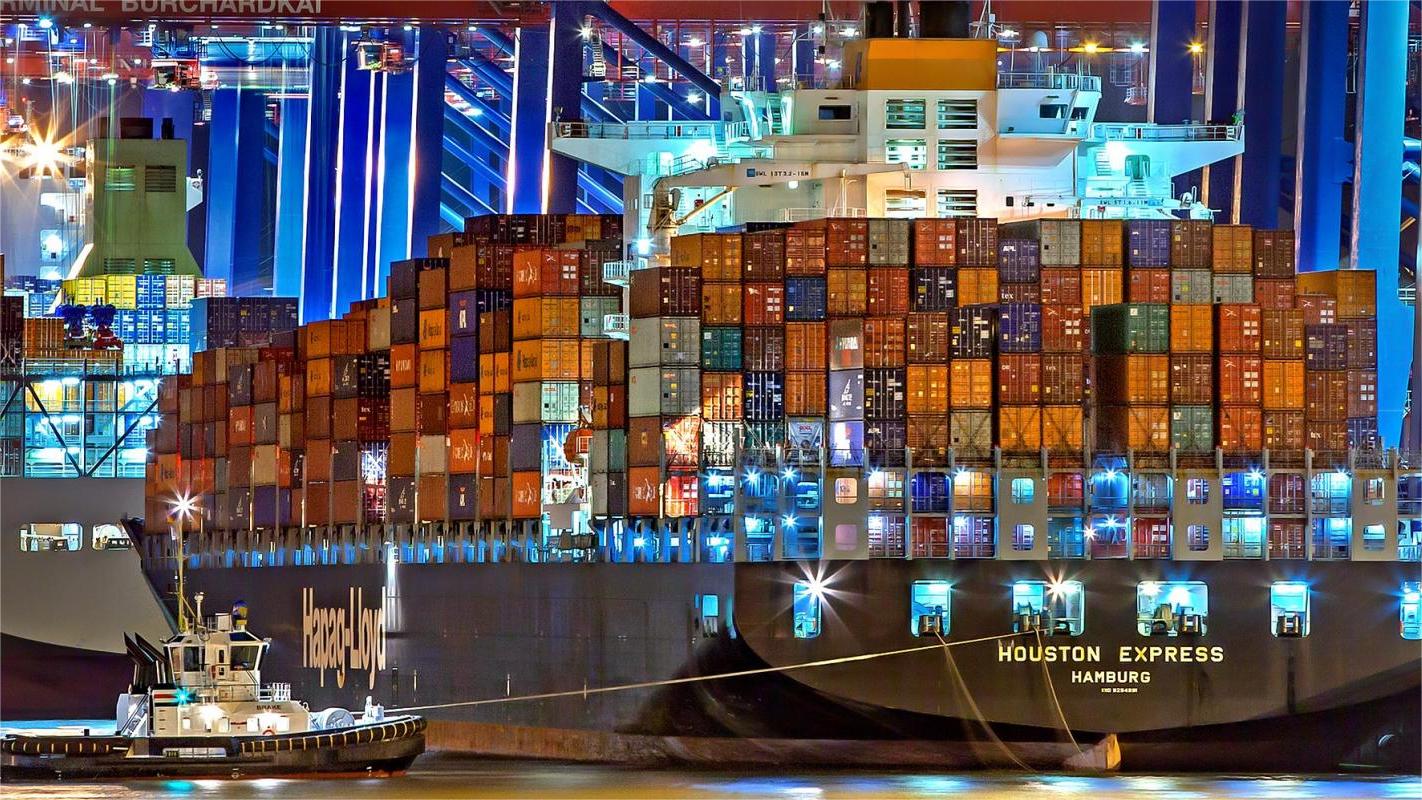
Ocean transport remains the backbone of international commerce due to its unparalleled capacity and cost-effectiveness. Specifically, sea freight allows businesses to move massive volumes of goods over long distances at a fraction of the cost of air travel. This makes it the go-to solution for commodities and large-scale manufacturing outputs.
Nevertheless, the long transit times require meticulous planning to ensure that stock levels remain consistent. You must account for potential port congestion and weather-related delays when scheduling your orders. For instance, shipments to the USA East Coast can take up to 35 days depending on the specific carrier used.
In addition, you have the choice between Full Container Load (FCL) and Less than Container Load (LCL) services. FCL is generally more secure and faster because the container is dedicated to your cargo only. On the other hand, LCL is an excellent way to save money if you do not have enough goods to fill an entire 20-foot unit.
When Should You Invest in Air Freight for Your Cargo?
Speed is the primary driver for choosing air freight in your supply chain strategy. When your customers demand rapid delivery or your products have a short shelf life, the higher cost of aviation becomes a necessary investment. Consequently, this method is ideal for high-fashion items, perishable goods, and urgent spare parts.
Furthermore, air transport offers a higher level of security and a reduced risk of damage during handling. Because there are fewer touchpoints compared to sea transit, your goods are less likely to be misplaced or broken. Therefore, the insurance premiums for air shipments are often lower than those for ocean cargo.
However, you must be aware of the strict weight and volume restrictions associated with aircraft. Volumetric weight calculations can significantly increase your expenses if your packaging is not optimized. Accordingly, working with an experienced logistics partner can help you minimize these costs through better packing techniques.
How Does Rail Freight Compare to Other Shipping Options?
The expansion of the Iron Silk Road has made rail freight a viable alternative for many importers. It offers a middle ground, being faster than sea transport and significantly cheaper than air transport. This makes it particularly attractive for businesses shipping from China to Europe.
Moreover, rail transport is considered a more environmentally friendly option compared to aviation. As companies focus more on sustainability, choosing the train can help reduce your overall carbon footprint. Specifically, the transit time from major Chinese hubs to European terminals usually ranges between 15 and 22 days.
Nevertheless, rail logistics are not available for every destination, such as routes to Australia or North America. You should verify the availability of rail networks in your target region before committing to this method. Indeed, for transcontinental land routes, rail remains one of the most reliable logistics trends today.
| Destination | Sea (Days) | Air (Days) | Rail (Days) |
|---|---|---|---|
| USA West | 14-18 | 3-5 | N/A |
| Europe | 28-35 | 5-7 | 15-22 |
| Australia | 12-18 | 3-5 | N/A |
| UK | 30-38 | 5-7 | 18-25 |

What Role Does Customs Brokerage Play in Your Logistics?
Navigating the legal requirements of international trade is often the most challenging part of shipping from China. Professional customs brokerage services ensure that your documentation is accurate and compliant with local laws. Without this expertise, your shipments could face lengthy delays or expensive fines at the border.
Additionally, a skilled broker can help you identify the correct HS codes for your products. This classification is crucial because it determines the rate of duties and taxes you will owe upon arrival. Consequently, proper classification can lead to significant tax savings and a smoother clearance process.
Furthermore, the customs landscape is constantly evolving with new trade agreements and regulations. Therefore, having a dedicated partner to monitor these changes is essential for maintaining an efficient import/export operation. They will handle everything from commercial invoices to packing lists and certificates of origin.
Why Is Door to Door Delivery the Best Choice for E-commerce?
Simplifying the logistics chain is a top priority for modern e-commerce entrepreneurs. Opting for door to door delivery allows you to focus on sales and marketing while the freight forwarder handles the rest. This comprehensive service covers the entire journey from the factory floor to your final warehouse or customer.
Moreover, this approach provides better visibility and tracking throughout the shipping process. You receive a single point of contact and one comprehensive invoice, which simplifies your accounting and management tasks. Especially for small and medium enterprises, this convenience often outweighs the slightly higher service fees.
In addition, door to door solutions often include final-mile delivery, which is critical for customer satisfaction. Whether you are using local couriers or specialized trucking services, ensuring a timely arrival at the destination is paramount. Accordingly, many businesses now view this as the standard for international shipping from China.
How Does Sea Freight Compare to Other Shipping Options?
Analyzing the trade-offs between different shipping methods is necessary for making an informed business decision. While sea freight offers the lowest cost for large volumes, it lacks the agility required for fast-moving markets. In contrast, air freight provides the necessary speed but can quickly erode your profit margins if used excessively.
For instance, a 40HQ container via sea might cost $4,000 and take 30 days, whereas the same volume via air could cost over $20,000. Therefore, many savvy importers utilize a tiered strategy, using air for new product launches and sea for bulk replenishment. This balanced approach ensures both market presence and cost control.
Furthermore, rail freight serves as a strategic alternative for those who need goods faster than sea but cannot afford air. By comparing these options side-by-side, you can determine which method aligns best with your current inventory levels and cash flow. Note: Freight rates are subject to change based on fuel costs, carrier capacity, and seasonal demand. Contact us for a current quote tailored to your specific shipment.
| Shipping Method | Cost Range | Transit Time | Limitations |
|---|---|---|---|
| Direct Sea | $2,500+ | 14-30 Days | Higher Cost |
| Transshipment | $2,000+ | 20-45 Days | Longer Time |
| LCL Shipping | $50-150/CBM | 20-40 Days | Handling Risk |
| Direct Rail | $3,000+ | 15-22 Days | Regional Only |
Real-World Case Studies in Shipping from China
Reviewing actual shipping scenarios can provide a clearer picture of what to expect during the process. These examples reflect realistic market conditions and show how different factors influence the final outcome. Specifically, they highlight the importance of choosing the right route and method for specific cargo types.
Case Study 1: Shenzhen to Los Angeles Route: Shenzhen, China to Los Angeles, USA Cargo: Electronics, 25 CBM, 5000 kg Container: 40GP Shipping Details: – Carrier/Service: Major carrier – Port of Loading: Shenzhen – Port of Discharge: Los Angeles – Route Type: Direct Cost Breakdown: – Ocean Freight: $3,200 – Origin Charges: $450 – Destination Charges: $600 – Customs & Duties: $1,200 – Total Landed Cost: $5,450 Timeline: – Booking to Loading: 4 days – Sea Transit: 16 days – Customs Clearance: 3 days – Total Door-to-Door: 23 days Key Insight: Direct routes saved five days compared to transshipment options during the peak season of 2024.
Case Study 2: Shanghai to Hamburg Route: Shanghai, China to Hamburg, Germany Cargo: Industrial Parts, 12 CBM, 3000 kg Container: LCL Shipping Details: – Carrier/Service: Rail freight service – Port of Loading: Shanghai – Port of Discharge: Hamburg – Route Type: Direct Rail Cost Breakdown: – Rail Freight: $2,800 – Origin Charges: $300 – Destination Charges: $400 – Customs & Duties: $800 – Total Landed Cost: $4,300 Timeline: – Booking to Loading: 5 days – Rail Transit: 18 days – Customs Clearance: 2 days – Total Door-to-Door: 25 days Key Insight: Rail freight provided a balanced solution between the high cost of air and the long duration of sea transit based on early 2025 rates.
Final Thoughts on Shipping from China
Mastering the art of shipping from China is a continuous process of learning and adaptation. By understanding the various freight methods and staying updated on market trends, you can significantly improve your bottom line. Consequently, a well-planned logistics strategy becomes a competitive advantage in the global marketplace.
Ultimately, the success of your imports depends on the strength of your partnerships and the accuracy of your data. Whether you choose sea, air, or rail, prioritize reliability and clear communication with your freight forwarder. Start optimizing your cargo handling today to ensure long-term growth and stability for your business.
Ready to streamline your logistics?
Ready to streamline your shipping from China and reduce your logistics overhead? Our team of experts is standing by to provide you with a customized quote that fits your business needs. Contact China Top Freight today to experience reliable and cost-effective freight solutions for your global supply chain. Visit our website to start your inquiry.
Request Quote