

Shipping from China Bulk Cargo: The Ultimate 2025 Logistics Guide
Shipping from china bulk cargo represents a significant challenge for businesses dealing with massive quantities of raw materials or oversized equipment. Managing these large-scale logistics requires a deep understanding of vessel types and port operations. If you want to streamline your international trade, partnering with China Top Freight ensures your goods move efficiently across the globe. This guide explores everything from cost-saving strategies to complex customs requirements for bulk shipments.

What is Bulk Cargo Shipping and How Does It Work?
Bulk cargo refers to commodities that carriers transport in large, unpackaged quantities. Unlike containerized goods, these materials are poured or dropped directly into the hold of a ship. Common examples include grain, coal, iron ore, and specialized liquid chemicals.
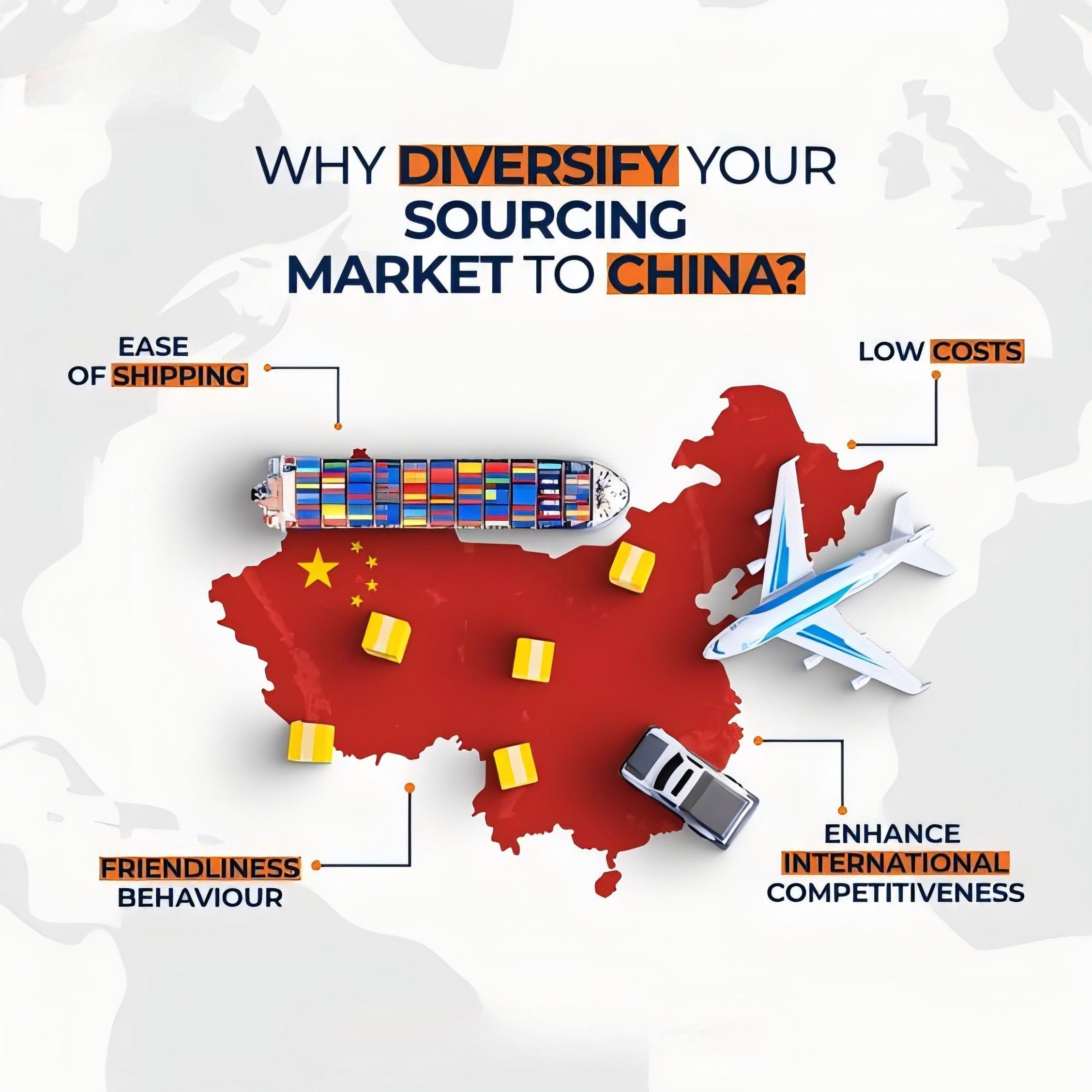
Moreover, the process involves specialized terminals equipped with high-capacity cranes and conveyor systems. Shipping from china bulk cargo requires precise coordination between the factory, the port, and the vessel operator. Consequently, any delay in the supply chain can lead to significant demurrage charges.
Furthermore, shippers must distinguish between dry bulk and liquid bulk. Dry bulk involves solid materials like minerals or agricultural products. On the other hand, liquid bulk includes petroleum, chemicals, and liquefied natural gas. Each type requires a specific vessel design to ensure safety and stability during transit.
Key Differences Between Bulk Cargo and Containerized Shipping
Traditional sea freight often relies on standardized 20-foot or 40-foot containers. However, bulk shipping bypasses these metal boxes entirely to maximize volume. This method is far more economical for low-value, high-volume commodities.
Additionally, the loading procedures differ significantly. Container ships use gantry cranes to stack boxes in a Tetris-like fashion. In contrast, bulk carriers use grabbers, hoppers, or pipelines to fill their internal compartments. Therefore, the choice between these methods depends heavily on the nature of your product.
Indeed, containerized shipping offers better protection for fragile or high-value items. Nevertheless, for raw materials, the cost per ton in bulk shipping is unbeatable. Shippers must weigh the benefits of protection against the necessity of scale when planning their logistics.
How Does Shipping from China Bulk Cargo Compare to Other Shipping Options?
Analyzing all viable alternatives is essential for optimizing your logistics budget. While bulk shipping is the king of volume, other methods provide speed or flexibility. For instance, rail freight serves inland destinations in Europe, while air freight handles urgent components.
Accordingly, we have provided an objective analysis of the primary shipping modes below. This comparison highlights the trade-offs between cost, speed, and capacity. Without a doubt, selecting the wrong method can erode your profit margins.
Moreover, hybrid solutions like sea-air combinations are gaining popularity. These strategies allow businesses to balance transit times and expenses during peak seasons. As a result, you can maintain a steady flow of inventory without overspending on premium services.
| Shipping Method | Cost Range | Transit Time | Best For |
|---|---|---|---|
| Bulk Carrier | Low ($20-50/ton) | 30-45 Days | Raw Materials |
| FCL Container | Mid ($1500-4000/box) | 20-35 Days | Finished Goods |
| Rail Freight | Mid-High | 15-22 Days | Inland Europe |
| Air Freight | Very High | 3-7 Days | Urgent Samples |
Which Option Should You Choose?
Choosing the right method depends on your specific business priorities. If your primary goal is budget optimization, shipping from china bulk cargo is the most logical choice for large volumes. This is especially true for routes to North America where sea lanes are highly optimized.
Speed priority requires a different approach. If you are facing a stockout or a project deadline, air freight or express services are necessary. However, if your cargo exceeds 15 cubic meters but doesn’t fill a full ship, LCL container shipping might be a suitable middle ground.
Volume thresholds also play a critical role in decision-making. Typically, once your shipment exceeds 500 tons, moving from containerized to breakbulk or full bulk vessels becomes economically viable. Always consult with a logistics expert to run a total landed cost analysis before booking.
Major Ports in China for Bulk Cargo Shipments
China hosts some of the world’s most advanced bulk handling facilities. The Port of Ningbo-Zhoushan leads the world in terms of total cargo tonnage. Meanwhile, the Port of Tianjin serves as the primary gateway for industrial materials in Northern China.
Additionally, the Port of Shanghai offers specialized terminals for heavy lift and project cargo. These ports utilize automated systems to accelerate the loading process. Consequently, they can handle the massive throughput required by global supply chains.
Furthermore, using a professional customs brokerage service at these ports is vital. Complex regulations govern the export of raw materials and minerals. Therefore, having local expertise ensures that your cargo clears the port without unnecessary delays or fines.
Essential Documents for Shipping Bulk Goods from China
Documentation for bulk shipments is more complex than for standard retail goods. You must provide a comprehensive Bill of Lading that details the specific weight and grade of the material. In addition, a Certificate of Origin is often required to comply with international trade agreements.
Moreover, many bulk commodities require a phytosanitary certificate or a safety data sheet (SDS). These documents prove that the cargo does not pose an environmental or safety risk during the voyage. As a result, carriers will not accept the cargo without verified paperwork.
Indeed, managing these documents is a core part of door to door logistics. Missing a single stamp can lead to the vessel being held at anchor for days. Consequently, meticulous attention to detail during the preparation phase is non-negotiable.
Cost Factors and Pricing Trends in 2025
Freight rates for shipping from china bulk cargo are influenced by global fuel prices and vessel availability. As of Q1 2025, market data suggests that rates have stabilized following the disruptions of previous years. However, seasonal demand during the late summer months can still cause price spikes.
Furthermore, port congestion remains a factor that shippers must monitor. When major hubs experience delays, carriers often apply surcharges to cover their operational losses. Therefore, booking your space at least four to six weeks in advance is highly recommended.
In addition, the type of vessel you charter will impact the final price. Handysize vessels are cheaper for smaller bulk loads, while Capesize ships offer better economies of scale for massive iron ore shipments. To get the best value, you should compare multiple quotes from reputable freight forwarders.
| Route | 20GP (Est) | 40HQ (Est) | Bulk (per ton) |
|---|---|---|---|
| China to USA West | $1,600-2,300 | $2,900-3,900 | $25-45 |
| China to Europe | $1,900-2,600 | $3,100-4,300 | $30-55 |
| China to Australia | $900-1,300 | $1,500-2,100 | $15-30 |
Real-World Case Studies in Bulk Logistics
Examining real scenarios helps illustrate the complexities of large-scale shipping. These cases reflect actual market conditions from late 2024 and early 2025. By learning from these examples, you can avoid common pitfalls in your own supply chain.
Case Study 1: Steel Coil Export. Route: Tianjin to Houston. Cargo: 3,500 tons of cold-rolled steel coils. Method: Breakbulk vessel. Total Landed Cost: $185,000. Timeline: 38 days door-to-door. Key Insight: Pre-booking a specialized breakbulk carrier saved the client 15 percent compared to using standard containers.
Case Study 2: Mining Equipment. Route: Shanghai to Perth. Cargo: 12 units of oversized excavators. Method: RORO (Roll-on/Roll-off). Total Landed Cost: $92,000. Timeline: 22 days. Key Insight: Using RORO instead of dismantling the machines reduced labor costs at the destination significantly.
Note: Freight rates are subject to change based on fuel costs, carrier capacity, and seasonal demand. Contact us for a current quote tailored to your specific shipment.
Alternative Strategies for Bulk Cargo Success
Implementing alternative strategies can lead to significant cost savings. For example, some shippers utilize air freight for the first 5 percent of a project to start operations while the bulk of the material is still at sea. This prevents costly downtime at the job site.
Additionally, consider the benefits of transshipment. While direct routes are faster, routing cargo through hubs like Singapore can sometimes reduce freight costs by 10 to 12 percent. However, this adds 5 to 7 days to the total transit time, so plan accordingly.
Furthermore, storage at the port of origin can be a powerful tool. By consolidating multiple smaller bulk loads into one large shipment, you can negotiate better charter rates with the ship owners. This strategy requires careful coordination with your suppliers and warehouse providers.
Final Thoughts on Bulk Cargo Logistics
Successfully navigating the world of shipping from china bulk cargo demands a blend of strategic planning and operational excellence. By understanding the differences between shipping methods and staying updated on market trends, you can protect your bottom line. Moreover, choosing the right ports and ensuring perfect documentation are critical steps in the process.
In summary, while the challenges are significant, the rewards of an efficient bulk supply chain are even greater. Whether you are moving minerals, machinery, or agricultural products, the right logistics strategy will provide a competitive advantage. Remember to always verify current market rates and work with experienced professionals to ensure your cargo reaches its destination safely.
Ready to streamline your logistics?
Managing shipping from china bulk cargo requires a partner with deep industry expertise and a global network. Contact China Top Freight today to receive a customized quote and expert advice for your next large-scale shipment. Our team is ready to help you optimize your logistics and reduce your total landed costs.
Request Quote