

China to Europe Shipping Global: The Ultimate 2025 Logistics Guide
China to Europe shipping global routes represent the most critical trade corridors in the modern economy. Navigating these complex networks requires a deep understanding of multi-modal logistics and shifting market conditions. Businesses must partner with an experienced provider like China Top Freight to ensure their supply chain remains resilient and cost-effective. Consequently, choosing the right transport method can significantly impact your bottom line and delivery reliability in a competitive international marketplace.
How Does China to Europe Shipping Global Logistics Work?
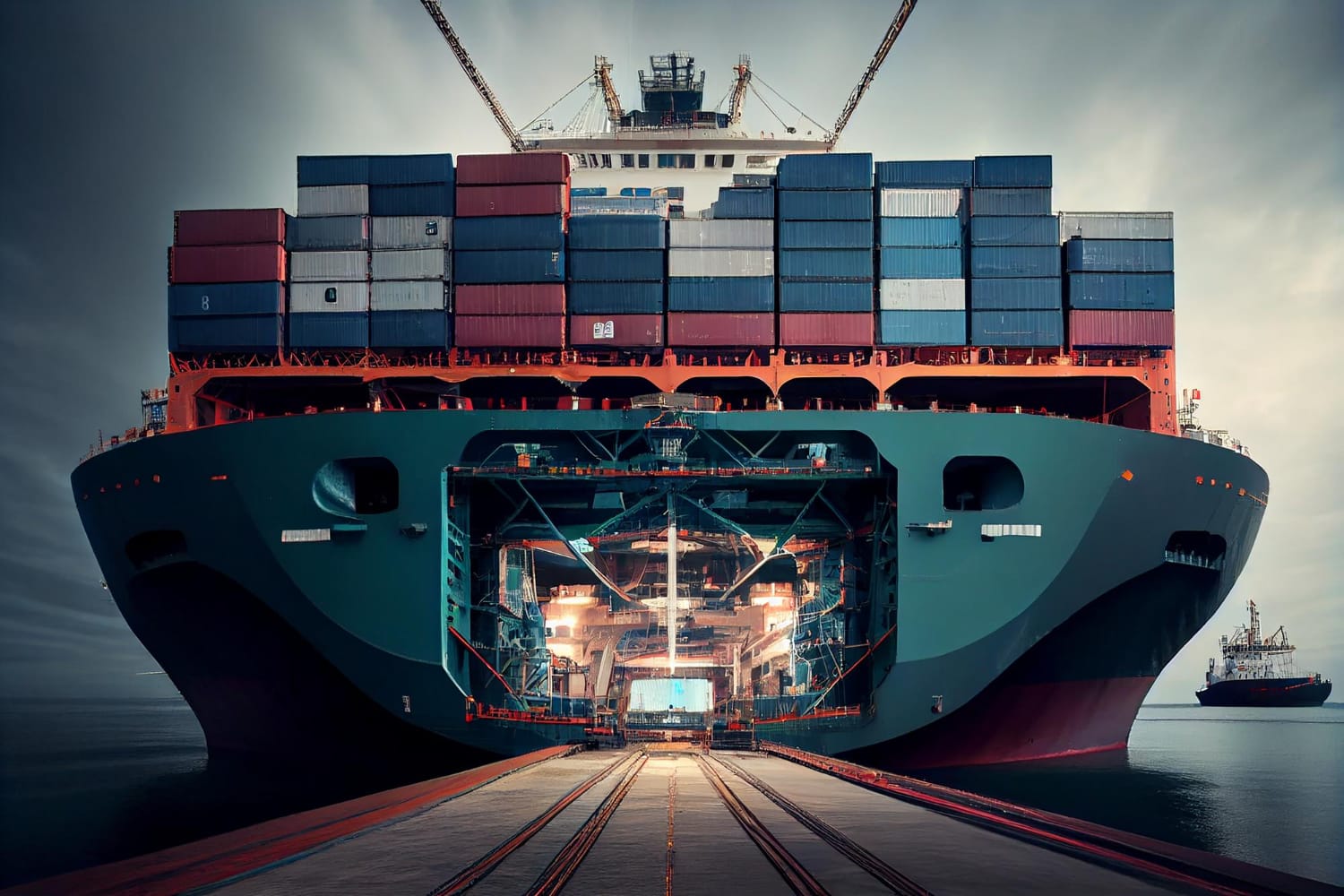
Managing international trade between these two major economic hubs involves a sophisticated series of steps. First, cargo must be consolidated at major Chinese manufacturing centers like Shenzhen, Ningbo, or Shanghai. Afterward, the goods undergo rigorous export clearance procedures to comply with local regulations. Freight forwarders then coordinate the movement of goods across thousands of miles using various transit modes.
Moreover, the choice of port and inland transport significantly influences the total transit time. Importers often face challenges such as port congestion or equipment shortages during peak seasons. Therefore, planning shipments several weeks in advance is essential for maintaining a consistent inventory flow. Efficient logistics management ensures that products reach European markets without unnecessary delays or cost overruns.
Furthermore, digital tracking tools now allow businesses to monitor their cargo in real-time. This transparency helps companies manage customer expectations and optimize their warehouse operations. Indeed, the integration of technology has transformed how China to Europe shipping global services operate today. By leveraging data, shippers can identify bottlenecks and implement alternative strategies to mitigate risks.
Comparing Sea, Air, and Rail: Which China to Europe Shipping Global Method is Best?
Selecting the appropriate shipping method depends largely on your budget and urgency. For instance, sea freight remains the most popular choice for bulk commodities and large volumes due to its low cost. It offers the best economy of scale for businesses moving full container loads (FCL) or less-than-container loads (LCL). However, the transit time is the longest among all available options.
On the other hand, rail freight has emerged as a middle-ground solution that balances speed and expense. The Trans-Eurasian rail network connects major Chinese cities directly to European hubs like Warsaw and Hamburg. Consequently, shippers can enjoy faster delivery than sea freight without the high price tag of air transport. This method is particularly useful for electronics and automotive parts.
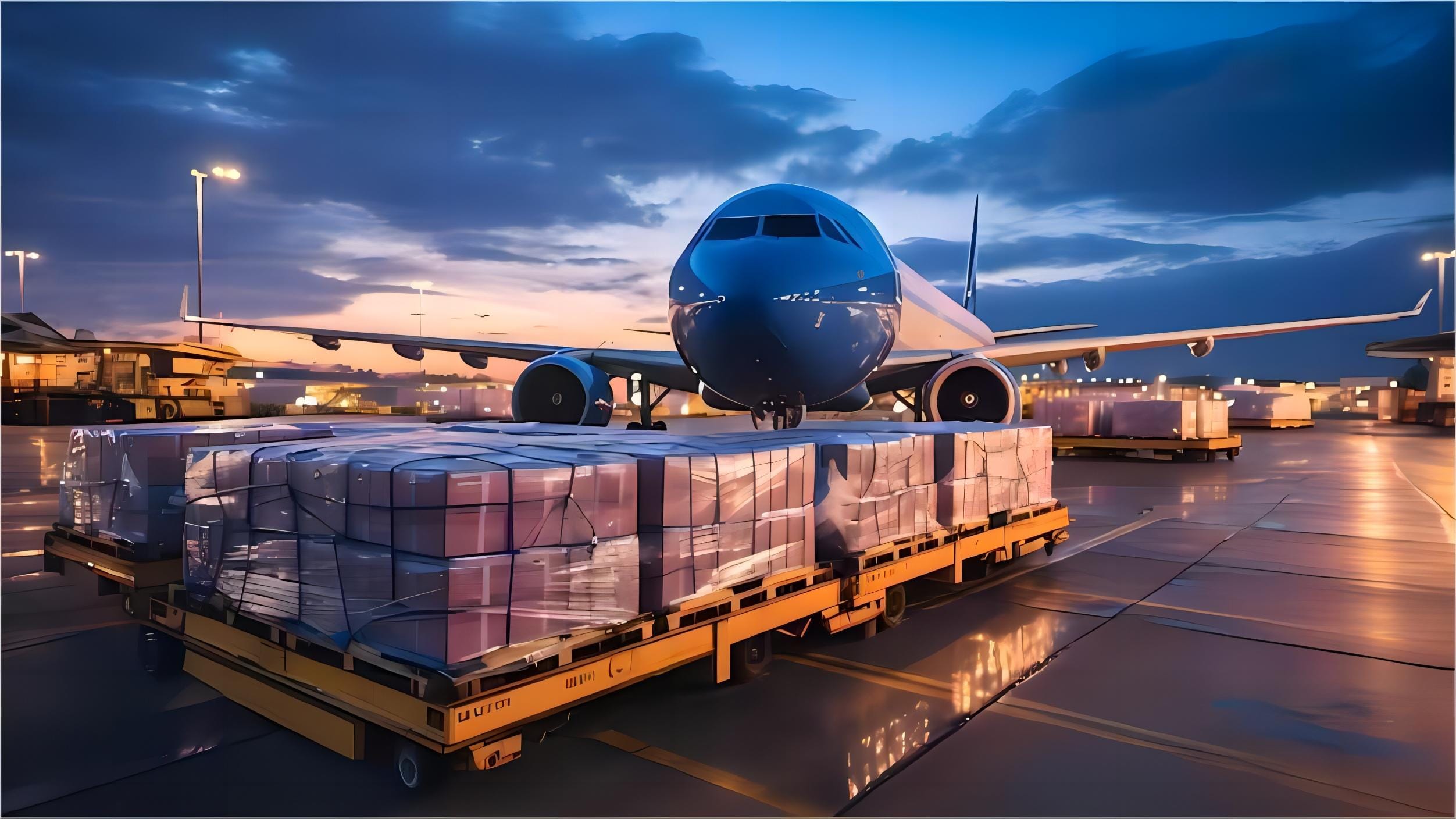
Alternatively, air freight provides the fastest possible transit for high-value or time-sensitive goods. While it is considerably more expensive, it reduces the risk of inventory stockouts and minimizes the need for high safety stock levels. For urgent seasonal promotions or medical supplies, this method is often the only viable choice. Each mode offers distinct advantages depending on the specific needs of the cargo.
| Shipping Method | Cost Level | Transit Time | Reliability |
|---|---|---|---|
| Sea Freight | Low | 30-45 Days | Moderate |
| Rail Freight | Medium | 18-22 Days | High |
| Air Freight | High | 3-7 Days | Very High |
| Road Freight | Medium-High | 15-20 Days | Moderate |
Understanding Shipping Costs and Transit Times
Freight rates fluctuate based on market demand, fuel prices, and seasonal trends. For example, during the pre-Lunar New Year rush, prices typically spike as capacity becomes limited. In contrast, rates may soften during the mid-year period when demand is lower. Shippers must stay informed about these cycles to time their bookings effectively.
Additionally, transit times are influenced by the specific origin and destination ports. Shipping from Shenzhen to Rotterdam is generally faster than shipping from a northern port like Dalian. Meanwhile, inland transport at both ends of the journey can add several days to the total door-to-door timeline. Understanding these nuances allows for better supply chain planning and more accurate delivery estimates.
Market data suggests that ocean freight rates have stabilized in early 2025 after previous disruptions. Nevertheless, external factors like geopolitical shifts can still impact pricing suddenly. It is always advisable to work with a logistics expert who can provide real-time market intelligence. Note: Freight rates are subject to change based on fuel costs, carrier capacity, and seasonal demand. Contact us for a current quote tailored to your specific shipment.

How Does Sea Freight Compare to Other Shipping Options?
Sea freight is often compared to rail and air because it handles the majority of global trade volume. While sea freight costs $2,000-3,500 for a 40HQ container, air freight for the same volume would cost $15,000-25,000. However, the sea route takes over a month, whereas air arrives in less than a week. This massive cost difference makes sea freight the default for most non-urgent goods.
Furthermore, businesses using Amazon FBA must carefully weigh these options to avoid running out of stock. For shipments under 15 CBM, LCL shipping at $50-80/CBM may be more economical than a full container. In contrast, rail freight offers a competitive alternative at $4,000-6,000 per container with nearly half the transit time of sea routes. Direct routes typically cost 10-15% more but save significant time compared to transshipment via major hubs.
Hybrid solutions like sea-air combinations are also gaining popularity for their flexibility. These strategies involve shipping goods by sea to a hub like Dubai and then flying them to Europe. As a result, companies can save money compared to pure air freight while still beating sea freight timelines. Choosing the right strategy requires a balance between cost, speed, and the specific requirements of the cargo type.
| Method | Cost Range | Transit Time | Best For |
|---|---|---|---|
| Sea (FCL) | $2,500 – $4,500 | 30-40 Days | Bulk Goods |
| Sea (LCL) | $50 – $120/CBM | 35-45 Days | Small Shipments |
| Rail Freight | $4,000 – $6,500 | 18-25 Days | High Value/Mid Volume |
| Air Freight | $4.50 – $9.00/KG | 5-8 Days | Urgent/Perishable |
Navigating Customs and Documentation
Successful importing requires meticulous attention to the customs brokerage process. Each European nation may have specific requirements for documentation and safety standards. For instance, providing an accurate Commercial Invoice and Packing List is non-negotiable for smooth clearance. Failure to provide correct paperwork can lead to expensive storage fees and significant delays at the port.
Moreover, understanding the Harmonized System (HS) codes for your products is crucial for calculating duties and taxes. Incorrect classification can result in fines or the seizure of goods by customs authorities. Therefore, many businesses rely on professional brokers to handle these complexities on their behalf. A proactive approach to compliance ensures that your China to Europe shipping global operations remain efficient and legal.
Additionally, certificates of origin and insurance documents must be prepared well in advance. These papers verify the source of the goods and protect the shipper against potential losses during transit. Indeed, cargo insurance is a small investment that provides peace of mind when moving high-value shipments across oceans. Staying organized throughout the documentation phase is the key to avoiding logistics nightmares.
| Document | Purpose | Required By | Priority |
|---|---|---|---|
| Commercial Invoice | Value Declaration | Customs | High |
| Packing List | Cargo Details | Warehouse/Customs | High |
| Bill of Lading | Title of Goods | Carrier/Bank | Critical |
| Certificate of Origin | Tax/Duty Assessment | Customs | Medium |
Real Case Studies: China to Europe Shipping Global Success
Case Study 1: Shanghai to Rotterdam. A furniture retailer needed to move ten 40HQ containers during the Q3 peak season. By choosing sea freight with a direct carrier, they managed a total landed cost of $3,800 per container. Despite minor port congestion, the cargo arrived in 35 days, allowing the client to meet their holiday sales targets. This success was attributed to early booking and precise documentation.
Case Study 2: Shenzhen to Hamburg. An electronics manufacturer required a faster solution than sea freight but couldn’t justify air freight costs. They opted for rail freight, shipping 5 CBM of LCL cargo. The total door-to-door transit took 22 days, costing approximately $4,200 including origin and destination charges. This strategy allowed them to replenish stock twice as fast as their competitors using sea routes.
Case Study 3: Guangzhou to London. A fashion brand needed to ship a new collection urgently for a runway event. They utilized express air freight for 500kg of high-end apparel. The shipment cleared customs in just 24 hours and reached the destination in 5 days total. While the cost was significantly higher, the ability to meet the strict deadline was vital for the brand’s reputation and marketing strategy.
Which Option Should You Choose?
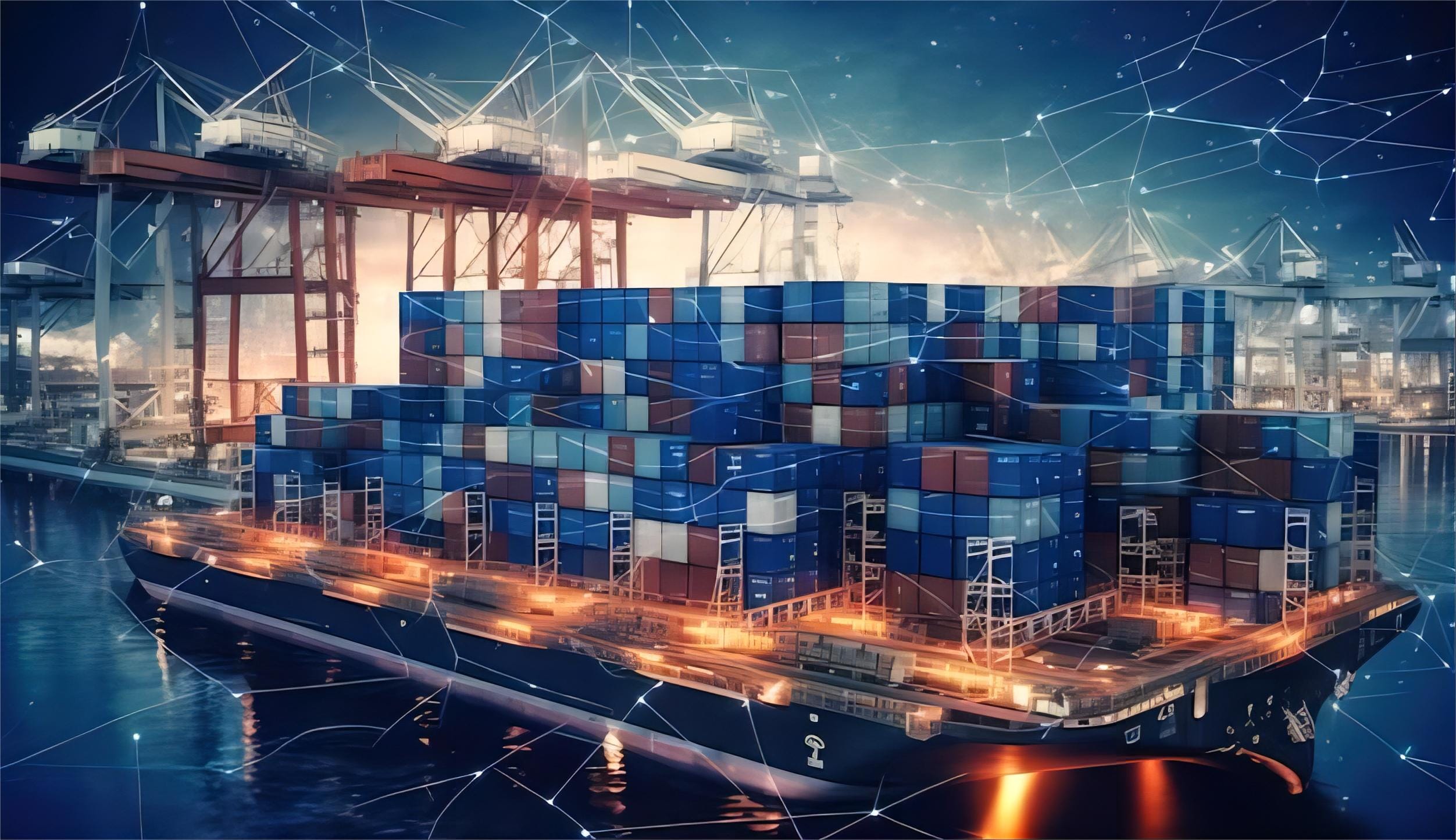
Determining the best route for shipping to Europe depends on several key criteria. If your primary goal is budget optimization and your lead times are flexible, sea freight is the clear winner. For instance, non-perishable consumer goods or raw materials are perfectly suited for this method. Conversely, if you are shipping electronics or machinery that requires a faster turnaround, rail freight is often the most balanced choice.
Speed priority always points toward air freight, despite the higher investment required. This is especially true for items with a short shelf life or high market volatility. Additionally, cargo volume plays a major role in the decision-making process. Small shipments are often best handled via LCL or express services, while large volumes benefit from the efficiency of FCL shipping. Always consider the total landed cost rather than just the freight rate.
Finally, environmental considerations are becoming increasingly important for many European businesses. Rail freight is generally considered more eco-friendly than air or road transport. By analyzing your specific cargo type and delivery requirements, you can select the method that aligns with both your financial and sustainability goals. Consulting with a logistics professional can provide the clarity needed to make the right choice.
Logistics Trends and Market Context for 2025
As of early 2025, freight rates from China to Europe have stabilized after the significant disruptions seen in previous years. However, the industry continues to evolve with a focus on digital transformation and greener logistics. Carriers are investing in LNG-powered vessels and automated terminals to improve efficiency and reduce carbon footprints. These advancements are expected to streamline the China to Europe shipping global network over the next decade.
Furthermore, the rise of e-commerce continues to drive demand for faster and more reliable delivery schedules. This has led to the expansion of rail networks and the development of more efficient transshipment hubs. Meanwhile, port labor negotiations and regional stability remain factors that shippers must monitor closely. Staying informed about these trends is essential for any business involved in international trade.
In addition, the implementation of new customs regulations in the EU requires even greater precision in data reporting. Shippers who embrace digital documentation and automated compliance tools will have a significant advantage. Consequently, the future of global shipping lies in the intersection of technology and traditional freight expertise. By adapting to these changes, businesses can ensure their supply chains remain robust in an ever-changing global landscape.
Mastering Your China to Europe Shipping Global Strategy
Successfully managing China to Europe shipping global logistics requires a balance of cost, speed, and reliability. By understanding the differences between sea, air, and rail freight, you can make informed decisions that support your business goals. Furthermore, staying updated on market trends and customs requirements is essential for avoiding delays. Partnering with a dedicated freight forwarder ensures that your cargo is in safe hands throughout its journey across the globe.
Ultimately, the right shipping strategy will enhance your supply chain efficiency and improve your competitive position. Whether you choose the economy of sea freight or the speed of air transport, consistency is the key to success. We encourage you to evaluate your current shipping methods and consider how alternative routes might offer better value. Start optimizing your global logistics today to ensure a more profitable and predictable tomorrow.
Ready to streamline your logistics?
Optimizing your China to Europe shipping global strategy requires expert guidance and reliable execution. Contact the professionals at China Top Freight today to receive a customized quote and streamline your international logistics operations. Send Inquiry: https://chinatopfreight.com/contact-us/
Request Quote