

China to Canada Shipping by Sea USA: The Complete 2025 Logistics Guide
Navigating the complexities of international trade requires a reliable partner like China Top Freight to manage your cargo efficiently. Choosing the right route for China to Canada shipping by sea USA can significantly impact your bottom line and delivery timelines. This guide explores the most effective ways to move goods across the Pacific while minimizing risks and expenses.
Understanding China to Canada Shipping by Sea USA Logistics
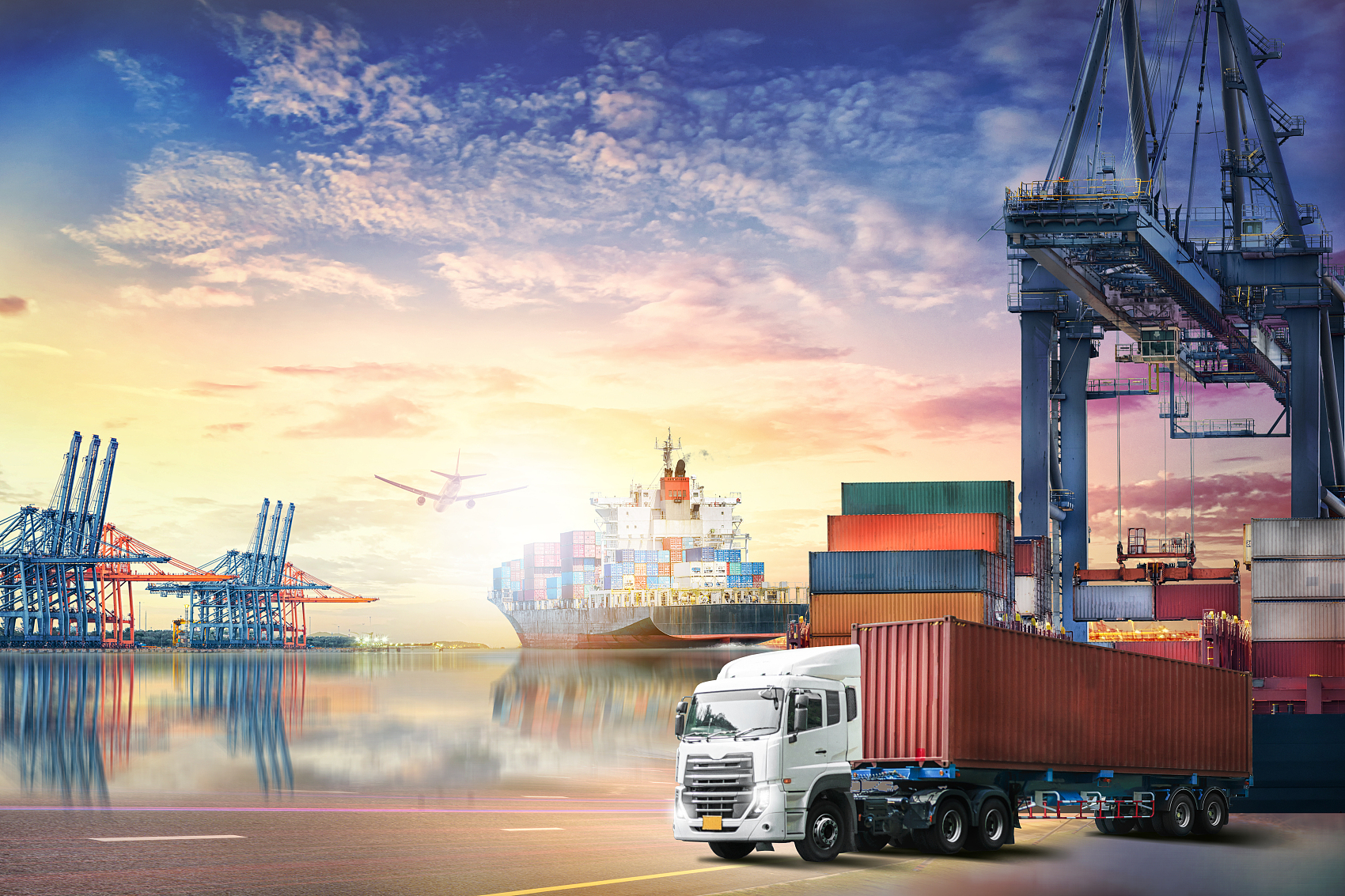
Modern supply chains rely heavily on the robust maritime routes connecting Asian manufacturing hubs to North American markets. When you arrange China to Canada shipping by sea USA, you are utilizing some of the busiest and most efficient trade lanes in the world. Consequently, businesses must understand the nuances of these routes to avoid common pitfalls such as port congestion or documentation errors.
Shipping to North America involves a strategic choice between direct Canadian port calls and transshipment through American hubs. Moreover, the integration of American rail and trucking networks often plays a vital role in the final delivery to Canadian provinces. Therefore, selecting a freight forwarder with experience in both jurisdictions is essential for seamless operations.
Indeed, the logistical landscape is constantly evolving due to changes in fuel prices and international trade agreements. Furthermore, understanding the relationship between Chinese ports like Shanghai or Ningbo and destination ports like Vancouver or Prince Rupert is crucial. As a result, companies can better predict their inventory arrival times and manage customer expectations effectively.
How Does Sea Freight Compare to Other Shipping Options?
Comparing different transportation modes is the first step in optimizing your logistics strategy. While air freight offers unparalleled speed, it comes at a significantly higher price point that may not suit all cargo types. In contrast, ocean transport remains the most cost-effective solution for large volumes of goods.
Nevertheless, each method has its own set of advantages and limitations depending on your specific needs. For instance, rail freight provides a middle ground in terms of both cost and speed for certain inland destinations. Meanwhile, sea freight continues to dominate the market for heavy machinery, furniture, and bulk consumer electronics.
Below is a detailed comparison of the primary shipping methods available for the China to Canada route. This data helps you decide which service aligns best with your budget and urgency requirements.
| Shipping Method | Cost Range | Transit Time | Best For |
|---|---|---|---|
| Sea Freight | Low ($1,500-$4,500) | 18-35 Days | Bulk & Large Items |
| Air Freight | High ($5-$12/kg) | 3-7 Days | Urgent & High Value |
| Rail Freight | Medium ($2,500-$5,000) | 20-25 Days | Inland Destinations |
| Express Service | Very High | 2-5 Days | Small Samples |

FCL vs LCL: Choosing the Right Sea Freight Method
Selecting between Full Container Load (FCL) and Less than Container Load (LCL) is a critical decision for sea freight users. FCL involves renting an entire 20ft or 40ft container for your exclusive use, which often reduces handling risks. However, LCL allows you to share container space with other shippers, making it ideal for smaller volumes.
Consequently, the choice often depends on your total cargo volume and how quickly you need the goods to be processed. For example, shipments exceeding 15 cubic meters (CBM) generally become more economical when shipped via FCL. On the other hand, LCL is perfect for businesses testing new products or maintaining lower inventory levels.
Furthermore, FCL usually experiences faster transit times because the container does not need to be consolidated or deconsolidated at warehouses. Indeed, this can save several days at both the origin and destination ports. Nevertheless, LCL remains a staple for small and medium-sized enterprises looking to manage their cash flow effectively.
Cost Factors for China to Canada Shipping by Sea USA
Understanding the variables that influence shipping costs is vital for accurate budgeting. Freight rates are rarely static and fluctuate based on seasonal demand, fuel surcharges, and carrier capacity. Additionally, destination charges such as port handling fees and terminal storage can add up quickly if not managed properly.
Specifically, the time of year plays a massive role in pricing. During the peak season from August to October, rates typically increase by 15-25 percent as retailers prepare for the holiday rush. Therefore, booking your shipments well in advance can help you secure better rates and guaranteed space on vessels.
Moreover, the choice of port significantly impacts the final price. Shipping to Vancouver on the West Coast is generally cheaper than shipping to Montreal or Toronto due to shorter sailing distances. As a result, many importers choose to discharge at West Coast ports and use intermodal rail for the final leg of the journey.
| Container Type | West Coast Rate | East Coast Rate | Average Capacity |
|---|---|---|---|
| 20GP Container | $1,600 – $2,300 | $2,700 – $3,600 | 28-30 CBM |
| 40GP Container | $2,600 – $3,400 | $4,200 – $5,400 | 56-58 CBM |
| 40HQ Container | $2,900 – $3,900 | $4,600 – $6,200 | 68-70 CBM |
Transit Times for China to Canada Shipping by Sea USA Routes
Estimating the delivery schedule is paramount for supply chain planning. The sea transit time from China to Canada’s West Coast usually ranges from 14 to 20 days. However, shipments destined for the East Coast via the Panama Canal or US transshipment points can take 30 to 40 days.
Meanwhile, port congestion at major hubs like Shanghai or Los Angeles can introduce unexpected delays. Consequently, it is wise to add a buffer of 5-7 days to your expected delivery timeline. Furthermore, the time required for customs clearance and inland trucking must be factored into the total door-to-door duration.
Indeed, choosing a direct service rather than a transshipment route can save significant time. Although direct routes may cost slightly more, the reduction in handling minimizes the risk of damage and delays. Therefore, you should weigh the cost savings of transshipment against the necessity of a faster arrival.
Essential Documentation for Customs Clearance
Navigating the legal requirements of international trade requires meticulous attention to detail. Utilizing a professional customs brokerage service can prevent your cargo from being held at the border. Essential documents include the Bill of Lading, Commercial Invoice, and a detailed Packing List.
Additionally, certain products may require specific permits or certificates of origin to qualify for preferential tariff treatments. For instance, electronics must often comply with safety standards, while textiles may need specific labeling. As a result, preparing these documents before the ship arrives is crucial for a smooth transition through customs.
Moreover, the accuracy of your HS Codes determines the amount of duty and tax you will pay. Incorrect classification can lead to heavy fines or even seizure of goods by authorities. Therefore, double-checking all paperwork with your freight forwarder is a best practice that every importer should follow.
Which Option Should You Choose?
Deciding on the best logistics strategy requires a clear understanding of your business priorities. If your primary goal is cost reduction and you have flexible timelines, sea freight is the clear winner. However, if you are launching a new product or replenishing urgent stock, a hybrid solution or air freight might be necessary.
Consider using door to door services if you want to minimize the complexity of managing multiple vendors. This all-inclusive approach covers everything from the factory pickup in China to the final delivery at your Canadian warehouse. Consequently, it allows you to focus on your core business while experts handle the logistics.
Furthermore, volume thresholds should guide your container choice. For shipments under 15 CBM, stick with LCL to save money. Once you exceed that volume, FCL becomes more efficient and offers better protection for your cargo. Indeed, analyzing your shipping patterns over time will help you refine these choices for maximum profitability.
Real Case Studies: Successful Trans-Pacific Shipments
Examining real-world examples provides valuable insights into the practical aspects of international shipping. These cases reflect typical scenarios encountered by businesses importing goods from China to North America. Please note that rates are based on market averages from late 2024 and early 2025.
Case Study 1: Electronics from Shenzhen to Vancouver. A Canadian retailer needed to move 22 CBM of consumer electronics. They chose FCL 20GP to ensure cargo safety and minimize handling. The shipment arrived at the Port of Vancouver in 16 days, followed by 3 days for customs and local delivery.
Case Study 2: Furniture from Ningbo to Toronto via US West Coast. A wholesaler imported 65 CBM of home furniture using a 40HQ container. To save costs, the cargo was discharged in Los Angeles and moved by rail to Toronto. Although the total transit time was 34 days, the savings in ocean freight were substantial.
Case Study 1: Electronics Logistics
Route: Shenzhen, China to Vancouver, Canada. Cargo: Consumer Electronics, 22 CBM, 4,500 kg. Container: 20GP. Shipping Details: Direct carrier service, Port of Loading: Shenzhen, Port of Discharge: Vancouver. Cost Breakdown: Ocean Freight: $1,950, Origin Charges: $350, Destination Charges: $450, Total Landed Cost (excluding duties): $2,750. Timeline: Booking to Loading: 4 days, Sea Transit: 16 days, Customs: 2 days, Total Door-to-Door: 22 days. Key Insight: FCL provided the necessary security for high-value electronics while keeping transit times predictable.
Case Study 2: Furniture Distribution
Route: Ningbo, China to Toronto, Canada. Cargo: Home Furniture, 65 CBM, 12,000 kg. Container: 40HQ. Shipping Details: Transshipment via US West Coast, Port of Loading: Ningbo, Port of Discharge: Los Angeles (USA). Cost Breakdown: Ocean Freight: $3,200, Rail/Trucking: $1,800, Origin/Dest Charges: $900, Total Landed Cost: $5,900. Timeline: Booking to Loading: 6 days, Sea Transit: 18 days, Rail Transit: 10 days, Customs: 4 days, Total Door-to-Door: 38 days. Key Insight: Utilizing the US rail network allowed for significant savings compared to direct sea freight to the East Coast.
Strategies to Reduce Your Shipping Expenses
Reducing logistics costs is a continuous process that involves both planning and negotiation. One effective strategy is to consolidate shipments from multiple suppliers into a single FCL container. This reduces the per-unit shipping cost and simplifies the customs clearance process at the destination.
Additionally, optimizing your packaging can lead to significant savings, especially for LCL shipments where you pay by the cubic meter. By reducing wasted space, you can fit more product into the same volume. Furthermore, negotiating Incoterms like FOB (Free On Board) gives you more control over the shipping process and costs compared to CIF (Cost, Insurance, and Freight).
Meanwhile, staying informed about market trends allows you to time your shipments during off-peak periods. For instance, shipping in the early spring often results in lower rates compared to the late summer peak. As a result, proactive planning remains your best tool for maintaining a competitive edge in the global marketplace.
Final Thoughts on China to Canada Shipping by Sea USA
Successfully managing China to Canada shipping by sea USA requires a comprehensive understanding of routes, costs, and documentation. By choosing between FCL and LCL wisely and staying informed about market trends, you can significantly improve your logistics efficiency. Furthermore, partnering with a reliable freight forwarder ensures that your goods move smoothly across the Pacific.
Remember that while cost is a major factor, reliability and transit times are equally important for maintaining a healthy supply chain. Indeed, the right balance between these elements will support your business growth and customer satisfaction. Start planning your next shipment today to take advantage of the most efficient maritime routes available.
Ready to streamline your logistics?
Ready to optimize your supply chain? Contact China Top Freight today to receive a competitive quote for your China to Canada shipping by sea USA needs. Our team of experts is standing by to help you navigate customs and secure the best freight rates for your cargo. Send Inquiry to get started with a personalized logistics solution.
Request Quote