

China to Europe Shipping Italy: The 2025 Logistics Guide
Navigating the complexities of china to europe shipping italy requires a strategic approach to ensure your goods arrive on time and within budget. Business owners often face challenges with fluctuating freight rates and complex customs regulations. Consequently, understanding the various transport modes becomes essential for optimizing your supply chain operations.
What Are the Primary Methods for China to Europe Shipping Italy?
Choosing the right transport mode is the first step in successful international trade between these two regions. You can select between air, sea, and rail options depending on your specific requirements and budget.
Specifically, Air freight offers the fastest delivery for high-value or time-sensitive goods. However, it remains the most expensive choice for large volumes of cargo.
Moreover, rail freight serves as an excellent middle ground between speed and cost. It has become increasingly popular for shipments moving from central China terminals to major Italian logistics hubs.
Additionally, sea freight continues to be the most common method for transporting large quantities of goods. It provides the lowest cost per unit for businesses that can afford longer transit times.
How Does Sea Freight Compare to Other Shipping Options?
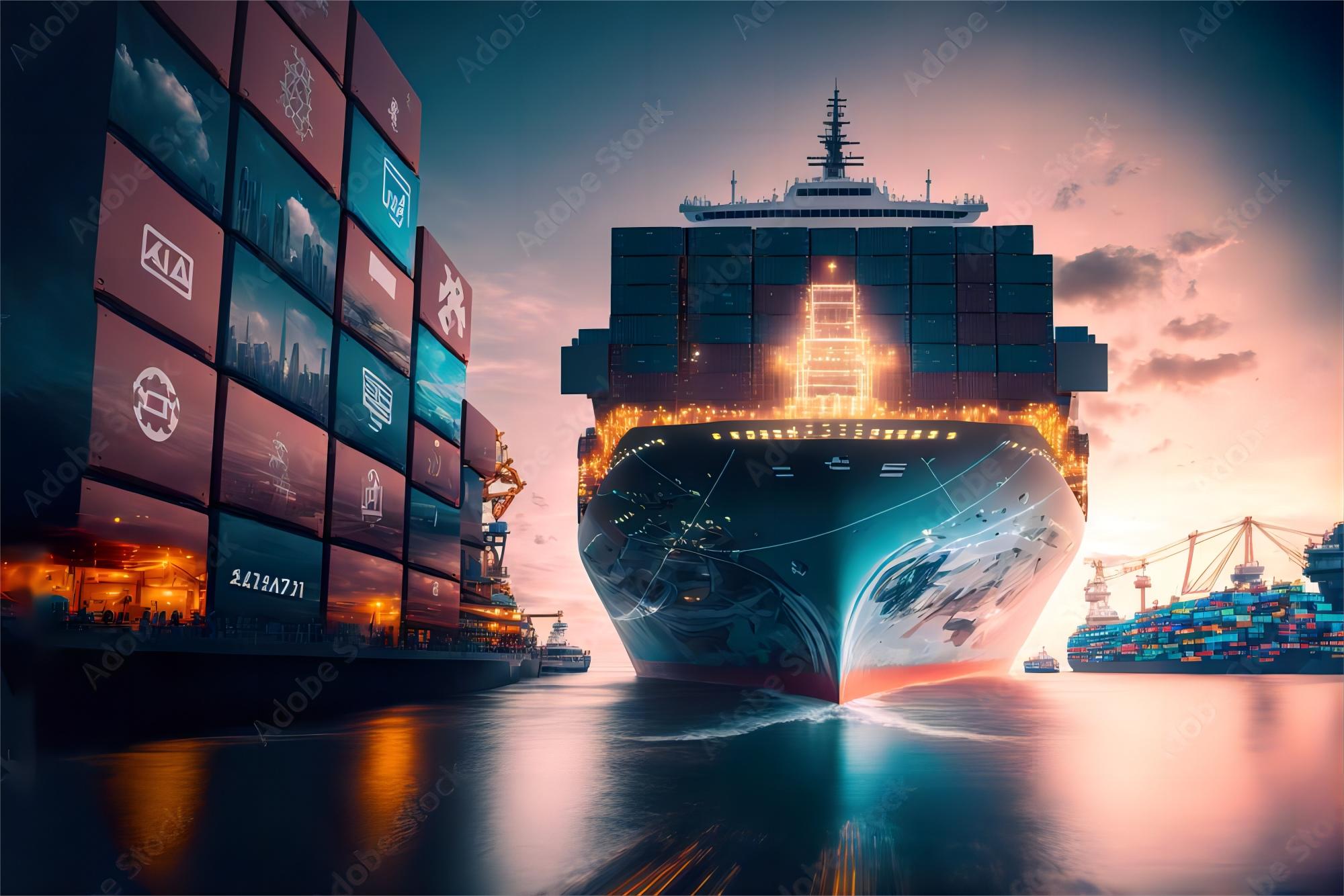
Notably, sea freight remains the backbone of global trade due to its incredible capacity and cost-effectiveness. It is particularly suitable for bulky items or large inventory replenishments.
Therefore, many importers plan their delivery schedule months in advance to leverage the savings offered by ocean transport. This method allows for both Full Container Load (FCL) and Less than Container Load (LCL) configurations.
In contrast, air freight might cost five to ten times more than sea transport for the same volume. While the speed is unmatched, the high expense can significantly impact your profit margins.
| Shipping Method | Cost Range | Transit Time | Best For |
|---|---|---|---|
| Sea Freight | $2,000 – $4,200 | 30 – 40 Days | Bulk Goods |
| Air Freight | $5.00 – $9.00/kg | 3 – 7 Days | Urgent Items |
| Rail Freight | $1,800 – $3,000 | 18 – 25 Days | Medium Volume |
| Express | $8.00 – $15.00/kg | 2 – 5 Days | Samples |
Which Option Should You Choose for Your Italy Shipments?
Selecting a method depends on your budget priority and the nature of your cargo handling needs. For instance, if you prioritize cost over speed, sea transport is the clear winner for your china to europe shipping italy strategy.
On the other hand, speed-oriented businesses should look toward air or express services for their logistics needs. You must evaluate the trade-offs between inventory carrying costs and transportation expenses carefully.
Furthermore, consider the volume of your shipment before making a final decision. If your cargo is less than 15 CBM, LCL sea freight or rail freight often provides the most economical balance.
Understanding Customs and Documentation for Italian Imports
Managing customs clearance is often the most challenging part of international logistics. You must ensure that all paperwork is accurate to avoid costly delays at the Italian border.
Consequently, hiring a professional customs brokerage service can streamline the process significantly. They understand the specific VAT and duty requirements for the European Union market.
Indeed, missing a single document can result in your cargo being held at the port for weeks. Always verify your commercial invoice, packing list, and bill of lading before the ship departs from China.
| Document | Purpose | Required By | Notes |
|---|---|---|---|
| Commercial Invoice | Value Declaration | Customs | Must be accurate |
| Packing List | Cargo Details | Carrier | Lists all items |
| Bill of Lading | Title of Goods | All Parties | The main contract |
| Certificate of Origin | Duty Calculation | Customs | Proves source |
What Factors Influence the Cost of Shipping to Italy?
Several variables determine the final price of your shipment from China. Fuel surcharges, seasonal demand, and carrier capacity all play a role in the fluctuating freight rates we see today.
Typically, rates increase by 15 to 25 percent during the peak season from August to October. Planning your shipments outside of these windows can lead to substantial savings for your business.
Additionally, the distance between the origin port in China and the destination port in Italy affects the price. Shipping to Genoa or Trieste might offer different land-side costs compared to northern European gateways.
Transit Times: How Long Does Delivery Take?
Understanding the delivery schedule is vital for maintaining a consistent supply chain. Sea transit from major Chinese ports like Shanghai to Italy usually takes between 30 and 35 days.
Meanwhile, door to door delivery services include the time needed for inland trucking and customs processing. This comprehensive service typically adds another 5 to 7 days to the total timeline.
As a result, you should always build a buffer into your planning to account for potential port congestion or weather-related delays. Reliability is often more important than the theoretical fastest time.
Real Case Studies: Successful Shipments to Italy
Examining real-world examples helps clarify the costs and timelines associated with china to europe shipping italy. These cases reflect actual market conditions from late 2024 and early 2025.
+———————————————————+ | Case Study 1: Large Scale Electronics Distribution | | Route: Shenzhen, China to Milan, Italy | | Cargo: Consumer Electronics, 28 CBM, 4500 kg | | Container: 40GP | | | | Shipping Details: | | – Carrier/Service: Major carrier | | – Port of Loading: Shenzhen | | – Port of Discharge: Genoa | | – Route Type: Direct | | | | Cost Breakdown: | | – Ocean Freight: $3,200 | | – Origin Charges: $450 | | – Destination Charges: $600 | | – Customs and Duties: $1,200 | | – Total Landed Cost: $5,450 | | | | Timeline: | | – Booking to Loading: 5 days | | – Sea Transit: 32 days | | – Customs Clearance: 3 days | | – Total Door-to-Door: 40 days | | | | Key Insight: Direct sailing to Genoa reduced inland | | transit costs significantly compared to northern ports. | +———————————————————+
+———————————————————+ | Case Study 2: Fast-Track Industrial Machinery | | Route: Shanghai, China to Rome, Italy | | Cargo: Precision Lathe, 12 CBM, 3200 kg | | Method: Rail Freight (LCL) | | | | Shipping Details: | | – Carrier/Service: China-Europe Railway Express | | – Port of Loading: Xi’an Terminal | | – Port of Discharge: Verona Terminal | | – Route Type: Trans-Siberian Route | | | | Cost Breakdown: | | – Rail Freight: $2,400 | | – Origin Handling: $350 | | – Destination Handling: $500 | | – Customs and Duties: $900 | | – Total Landed Cost: $4,150 | | | | Timeline: | | – Booking to Loading: 4 days | | – Rail Transit: 18 days | | – Customs Clearance: 2 days | | – Total Door-to-Door: 24 days | | | | Key Insight: Rail provided a 40 percent time saving | | compared to sea at a fraction of air freight cost. | +———————————————————+
Note: Freight rates are subject to change based on fuel costs, carrier capacity, and seasonal demand. Contact us for a current quote tailored to your specific shipment.

How to Optimize Your Supply Chain for Lower Costs
Implementing cost-saving strategies is essential for maintaining a competitive edge in the Italian market. One effective approach is to consolidate multiple small shipments into a single FCL container.
Furthermore, choosing the right Incoterms can clarify responsibilities and prevent unexpected charges. FOB (Free on Board) is often preferred as it gives the buyer more control over the main transit costs.
In addition, maintaining a strong relationship with a reliable freight forwarder can provide access to better rates and priority space on vessels. They can also offer advice on the latest logistics trends and route optimizations.
Final Thoughts on Shipping from China to Italy
To summarize, successful china to europe shipping italy requires a deep understanding of transport modes, costs, and customs requirements. By choosing the right partner and planning ahead, you can navigate the complexities of international trade with confidence.
Whether you choose sea, air, or rail, the goal remains the same: safe and timely delivery. Start optimizing your Italian import strategy today to ensure long-term growth and supply chain stability.
Ready to streamline your logistics?
Ready to streamline your china to europe shipping italy operations? Contact our expert team today to receive a personalized freight quote and experience seamless logistics management for your business.
Request Quote