Cheap Shipping from China Door to Door: 2025 Comprehensive Guide
Finding cheap shipping from China door to door remains a top priority for businesses looking to maintain healthy profit margins in a competitive global market. Navigating the complexities of international logistics requires a strategic approach to balance speed and expense. At China Top Freight, we understand that every dollar saved on transport contributes directly to your bottom line. Consequently, this guide provides actionable insights into optimizing your freight strategy while ensuring your cargo arrives safely at its final destination. Whether you are a small e-commerce seller or a large-scale importer, understanding the nuances of the shipping industry is essential for success.

What is Cheap Shipping from China Door to Door?
Door to door shipping is a comprehensive logistics solution where the freight forwarder manages the entire journey from the supplier’s warehouse in China to the customer’s specified address. This service typically includes pickup, international transit, customs clearance, and final mile delivery. Many importers prefer this method because it simplifies the supply chain and reduces the administrative burden on the buyer.
Moreover, achieving cheap shipping from China door to door involves selecting the right Incoterms and shipping modes. For instance, choosing Delivered Duty Paid (DDP) means the seller handles all costs, including duties and taxes, which provides price certainty for the buyer. Alternatively, Delivered At Place (DAP) might be cheaper upfront but requires the buyer to handle local taxes upon arrival.
Furthermore, the cost of these services depends heavily on the volume and weight of the goods. Small shipments often benefit from express courier services, while larger volumes are more economical via sea or rail. By consolidating shipments and optimizing packaging, businesses can significantly lower their overall logistics expenses without compromising on service quality.
How Does Sea Freight Compare to Other Shipping Options?
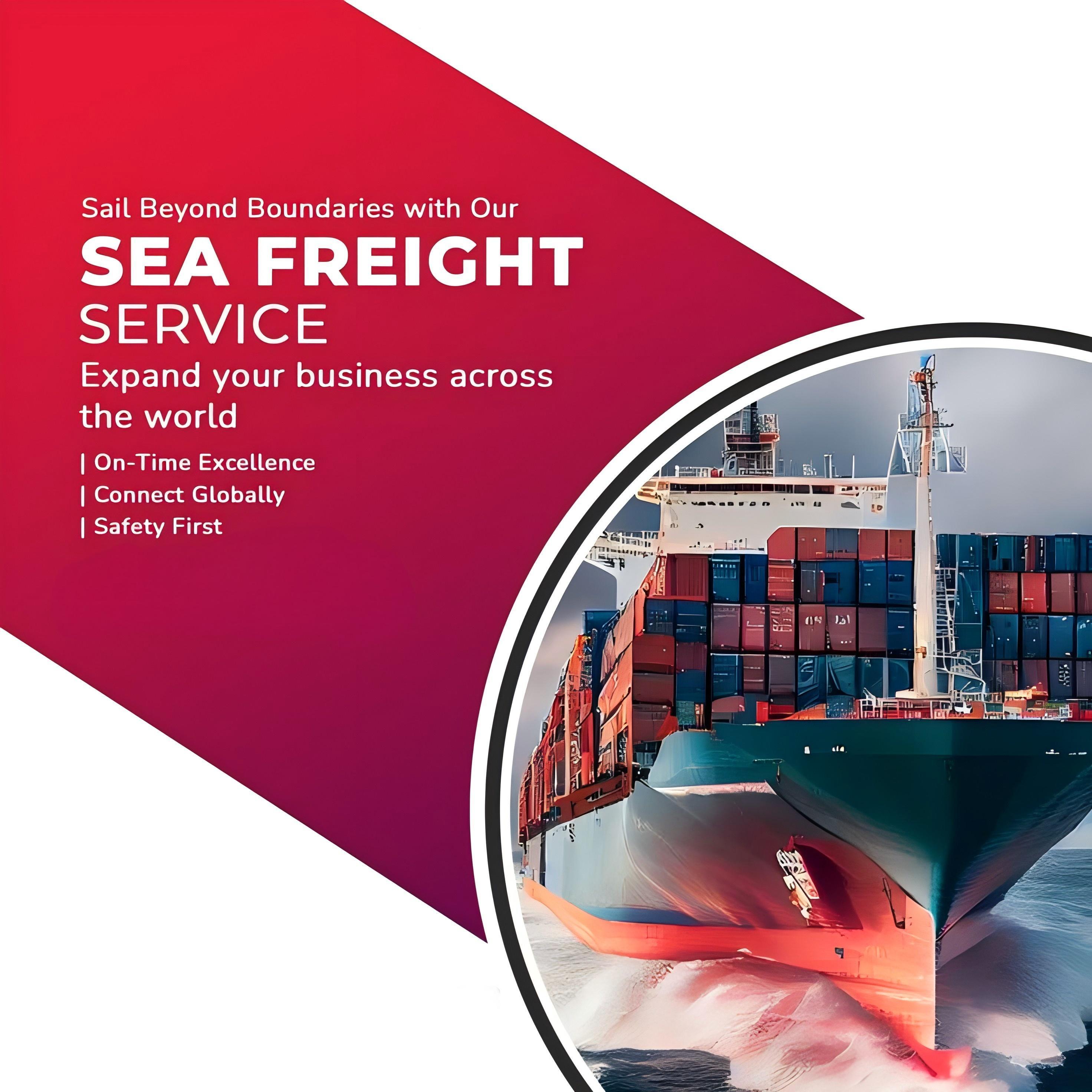
When searching for the most cost-effective way to move large volumes, sea freight is almost always the leading choice for international trade. Although it has the longest transit times, the cost per cubic meter is significantly lower than air or express options. This makes it ideal for non-urgent goods like furniture, machinery, and bulk consumer products.
In contrast, air freight offers unmatched speed but comes at a premium price. For high-value or time-sensitive items, the higher cost is often justified by the reduction in inventory holding costs. Meanwhile, rail freight provides a balanced middle ground for shipments to Europe, offering faster transit than sea and lower costs than air.
Accordingly, businesses must evaluate their priorities before booking. If budget is the primary concern, sea freight is the winner. If speed is critical, air freight is necessary. Below is a detailed comparison of the primary shipping methods available from China in early 2025.
| Shipping Method | Cost Range | Transit Time | Best For |
|---|---|---|---|
| Sea Freight (LCL) | $50 – $150 per CBM | 30 – 45 Days | Small bulk shipments |
| Sea Freight (FCL) | $2,000 – $5,000 per 40HQ | 25 – 40 Days | Large inventory loads |
| Air Freight | $4.50 – $9.00 per KG | 5 – 10 Days | High-value electronics |
| Rail Freight | $80 – $180 per CBM | 18 – 25 Days | Mid-range European cargo |
Which Option Should You Choose?
Selecting the right method requires a clear decision framework based on your specific business needs. If your budget is the absolute priority, you should always look toward sea freight, specifically Full Container Load (FCL) if you have enough volume to fill at least 15 to 20 cubic meters. For smaller volumes, Less than Container Load (LCL) remains the most affordable path.
However, if speed is your main priority, air freight or express services are the only viable solutions. These methods bypass the long port stays and slow ocean crossings, ensuring your products hit the shelves in days rather than months. This is particularly important for seasonal goods or product launches.
Consequently, cargo type also plays a major role. Hazardous materials or extremely heavy machinery might be restricted from air travel or cost a fortune to fly. In these cases, sea freight is not just the cheapest option but often the only practical one. Always consider the total landed cost, which includes duties, insurance, and local handling fees, before making a final decision.
The Benefits of Professional Door to Door Logistics
Utilizing a dedicated door to door service removes the guesswork from international shipping. Professional forwarders handle the complex hand-offs between trucking companies, ocean carriers, and customs officials. This seamless integration reduces the risk of delays and unexpected storage fees at the port.
Additionally, a single point of contact simplifies communication. Instead of reaching out to multiple vendors, you receive updates from one logistics partner who manages the entire chain. This transparency is vital for maintaining an efficient supply chain and providing accurate delivery estimates to your own customers.
Therefore, while it might seem cheaper to book each leg of the journey separately, the hidden costs of coordination errors often outweigh the savings. A professional service provider uses their volume discounts with carriers to provide you with competitive rates that are difficult to achieve on your own. Indeed, the peace of mind provided by professional management is a significant value-add.
Navigating Customs and Documentation
One of the biggest hurdles to achieving cheap shipping from China door to door is the customs clearance process. Incorrect paperwork can lead to expensive fines, inspections, and storage charges that quickly erase any initial savings. Therefore, working with an experienced customs brokerage is essential for a smooth experience.
Furthermore, you must ensure that all commercial invoices, packing lists, and certificates of origin are accurate and match the physical goods. In 2025, customs authorities are increasingly using automated systems to flag discrepancies. Any error in the Harmonized System (HS) code can result in the wrong duty rate being applied, potentially costing you thousands of dollars.
Indeed, understanding the specific requirements of your destination country is critical. For example, shipping to the USA requires an ISF filing before the ship leaves China, while European imports require an EORI number. Proper preparation ensures that your cargo moves through the border without unnecessary interruptions or added costs.
| Document Name | Purpose | Required By | Typical Cost |
|---|---|---|---|
| Commercial Invoice | Value declaration | Customs | Included |
| Packing List | Cargo details | Port Authority | Included |
| Bill of Lading | Title to goods | Carrier | $35 – $75 |
| Certificate of Origin | Duty reduction | Customs | $25 – $50 |
Real Case Studies: Successful Door to Door Shipments
To illustrate how businesses achieve cheap shipping from China door to door, we have compiled real-world examples from our recent operations. These cases highlight the trade-offs between cost and time in the current market environment.
Case Study 1: Textiles to London, UK. Route: Shanghai to Felixstowe. Cargo: 15 CBM of apparel. Method: Sea Freight LCL. Total Cost: $2,850. Transit Time: 38 Days. Key Insight: By choosing LCL instead of a half-empty 20GP container, the client saved $1,200 in freight costs.
Case Study 2: Electronics to Los Angeles, USA. Route: Shenzhen to LA. Cargo: 800kg of tablets. Method: Air Freight. Total Cost: $5,200. Transit Time: 7 Days. Key Insight: Although expensive, the quick delivery allowed the client to meet a holiday sales deadline, generating $50,000 in revenue that would have been lost via sea.
Case Study 3: Machinery to Berlin, Germany. Route: Xi’an to Hamburg. Cargo: 20GP Container. Method: rail freight. Total Cost: $4,100. Transit Time: 22 Days. Key Insight: Rail provided a 15-day advantage over sea freight at only 30 percent of the cost of air freight.
Cost-Saving Strategies for 2025
In the current economic climate, every small optimization counts. One effective strategy is to ship during off-peak seasons. Typically, freight rates spike in the months leading up to the Chinese New Year and during the Golden Week in October. Planning your inventory cycles to avoid these windows can save you 20 to 30 percent on shipping costs.
Additionally, consider optimizing your packaging to reduce volumetric weight. Since air freight and LCL sea freight charge based on either weight or volume, minimizing empty space in your boxes directly reduces your bill. Using high-quality, compact packaging materials protects your goods while keeping the dimensions as small as possible.
Finally, always request multiple quotes and look for consolidated shipping options. A good freight forwarder can combine your goods with those of other importers to fill a container, allowing you to benefit from FCL-like rates even for smaller volumes. Regular communication with your logistics partner about upcoming shipments allows them to find the best possible space and price for your cargo.
Final Thoughts on Affordable Logistics
Securing cheap shipping from China door to door is a multifaceted challenge that requires a blend of strategic planning, carrier knowledge, and meticulous documentation. By understanding the differences between sea, air, and rail freight, you can choose the method that best aligns with your budget and timeline. Furthermore, leveraging professional services ensures that your customs clearance and final delivery are handled with expertise, preventing costly delays.
As market conditions continue to evolve in 2025, staying informed about freight trends and seasonal fluctuations will remain a competitive advantage. Remember that the cheapest headline rate is not always the best value if it leads to damaged goods or missed deadlines. Prioritize reliability and transparency alongside cost to build a resilient supply chain that supports your long-term business growth.
Ready to streamline your logistics?
Are you ready to optimize your supply chain and secure cheap shipping from China door to door for your next shipment? Contact our expert logistics team today to receive a customized quote tailored to your specific needs. Visit our website to learn more about how we can streamline your international trade operations. Send Inquiry: https://chinatopfreight.com/
Request Quote