

Warehouse in China for Shipping Bulk Shipping: The Ultimate Logistics Guide
Finding a reliable warehouse in China for shipping bulk shipping is the cornerstone of a successful international trade operation. Many businesses struggle with fragmented shipments that lead to high costs and logistical headaches. By utilizing a centralized facility, you can consolidate goods from multiple suppliers and streamline your entire export process.

Why You Need a Warehouse in China for Shipping Bulk Shipping
Managing multiple suppliers across different provinces often leads to inefficient transport schedules and increased overhead. Consequently, a centralized warehouse in China for shipping bulk shipping acts as a strategic hub for your inventory management. This approach allows for thorough quality inspections before the goods ever leave the country.
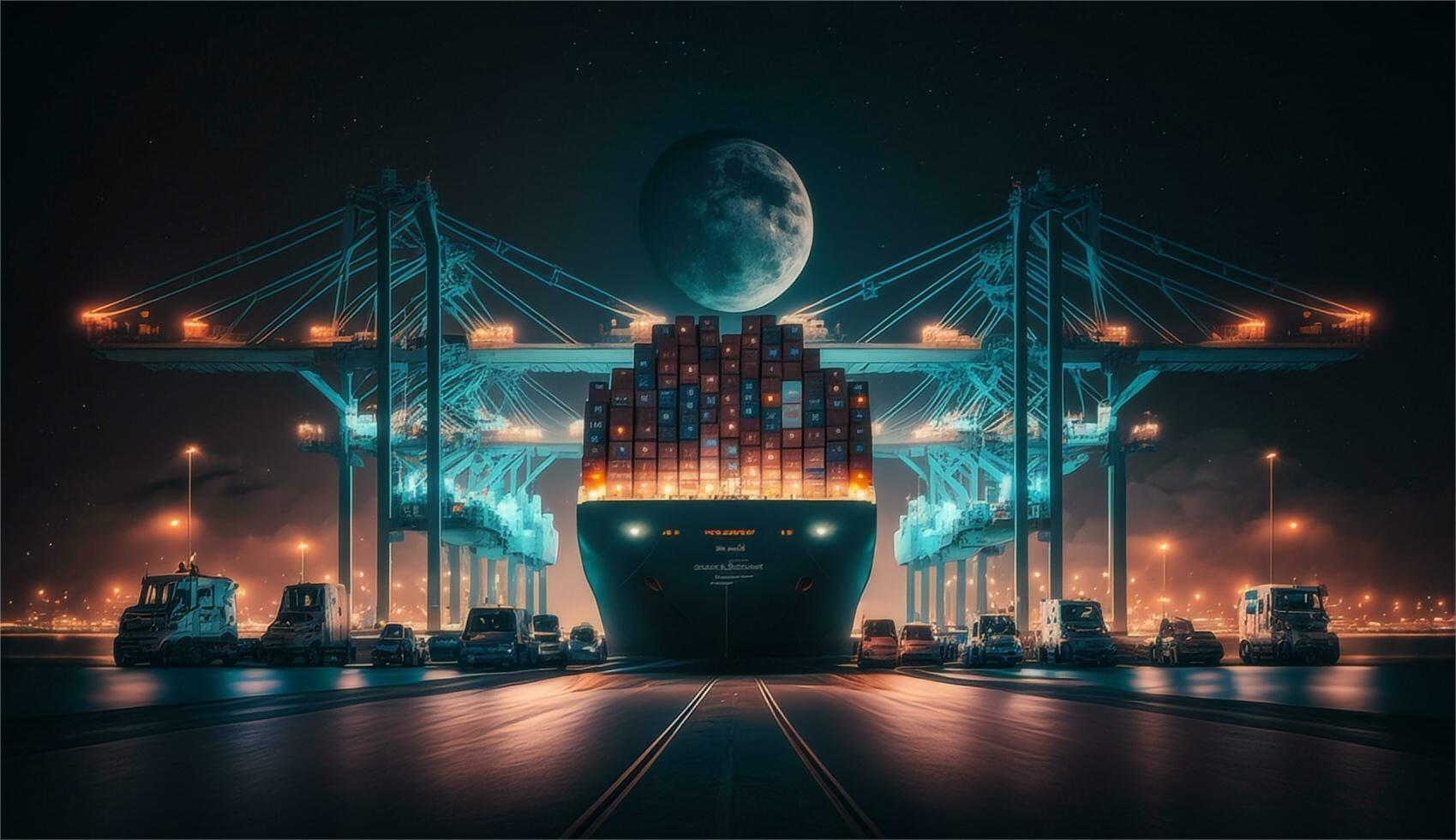
Moreover, consolidation services enable you to combine smaller orders into a single full container load. This strategy significantly reduces the per-unit cost of transportation. Indeed, businesses that utilize professional warehousing often see a marked improvement in their bottom line due to reduced port fees and handling charges.
Furthermore, having a physical presence in China through a logistics partner provides better control over your supply chain. You can manage stock levels in real-time and respond quickly to market fluctuations. Therefore, warehousing is not just about storage; it is a vital component of a modern competitive strategy.
How Does Bulk Shipping Compare to Other Shipping Options?
Choosing the right transport mode depends heavily on your budget, cargo volume, and required delivery speed. While express services are ideal for small samples, they become prohibitively expensive for large inventory replenishments. On the other hand, bulk shipping via sea offers the most economical solution for high-volume traders.
Additionally, rail freight has emerged as a middle-ground solution for shipments heading to Central Asia and Europe. However, it is important to note that rail is not an option for destinations like Australia or North America. Understanding these geographical constraints is essential for planning your logistics effectively.
To summarize the differences, consider the following comparison of the primary shipping methods available from China.
| Shipping Method | Cost Range | Transit Time | Best For | Limitations |
|---|---|---|---|---|
| Sea Freight | Low | 20-45 Days | Bulk Inventory | Slowest Speed |
| Air Freight | High | 3-7 Days | Urgent Goods | Weight Limits |
| Rail Freight | Medium | 15-22 Days | Europe/Asia | No Ocean Routes |
| Express | Very High | 2-5 Days | Small Parcels | High Bulk Cost |
Cost-Saving Strategies for Bulk Cargo Handling
Optimizing your expenses requires a deep understanding of how carriers calculate their rates. For instance, utilizing sea freight for large volumes allows you to take advantage of economies of scale. In contrast, smaller shipments might incur higher LCL (Less than Container Load) fees that eat into your margins.
Additionally, many warehouses offer value-added services such as repacking and labeling. By standardizing your packaging in China, you can maximize container space and reduce wasted volume. Consequently, you pay for the space you actually use rather than shipping air across the ocean.
Another effective strategy involves timing your shipments to avoid peak seasons when rates often spike by 20 percent or more. Planning your inventory cycles around the Chinese New Year and Golden Week can save thousands of dollars annually. Without a doubt, proactive scheduling is a hallmark of an efficient supply chain.
Essential Services Provided by a Warehouse in China for Shipping Bulk Shipping
A professional facility offers much more than just a place to store boxes. Most top-tier warehouses provide comprehensive sorting, kitting, and distribution services tailored to your specific needs. For example, if you sell on Amazon, you might require specialized Amazon FBA preparation to meet strict entry requirements.
Moreover, inventory accuracy is maintained through advanced Warehouse Management Systems (WMS). These digital tools allow you to track every pallet and carton with precision, ensuring that the right products are shipped to the right customers. As a result, the risk of shipping errors and costly returns is minimized significantly.
Furthermore, cross-docking is an excellent service for bulk shippers who need to move goods quickly. This process involves unloading incoming goods and loading them directly onto outbound trucks or containers with minimal storage time. Indeed, this method accelerates the transit process and reduces handling costs for high-turnover items.
Navigating Customs and Documentation for Bulk Exports
Clearing customs is often the most complex part of the international shipping process. Every bulk shipment requires a specific set of documents, including commercial invoices, packing lists, and bills of lading. Therefore, partnering with a provider that offers customs brokerage is highly recommended to avoid delays.
Additionally, certain products may require specialized certificates of origin or safety inspections. If your documentation is incomplete, your cargo could be held at the port, leading to expensive demurrage and detention fees. Consequently, having experts review your paperwork before the ship departs is a critical safeguard.
In addition to standard paperwork, bulk shippers must stay informed about changing tariffs and trade regulations. For instance, shipping to North America involves different compliance standards than shipping to the European Union. Accordingly, your logistics partner should provide guidance on the latest regulatory updates.
| Document Name | Purpose | Required By | Criticality |
|---|---|---|---|
| Bill of Lading | Title of Goods | Carrier/Customs | High |
| Commercial Invoice | Value Declaration | Customs | High |
| Packing List | Cargo Details | Warehouse/Port | High |
| Certificate of Origin | Trade Agreement | Customs | Medium |
Case Study 1: Consolidating Electronics for European Retail
A mid-sized electronics retailer was struggling with high shipping costs from five different suppliers in Guangdong. They decided to implement a strategy using a warehouse in China for shipping bulk shipping to consolidate their orders. By gathering all components in one Shenzhen facility, they were able to transition from LCL to FCL shipments.
Route: Shenzhen, China to Rotterdam, Netherlands. Cargo: Consumer electronics, 68 CBM, 12,000 kg. Container: 40HQ. Shipping Details: Major carrier via direct sea route. Cost Breakdown: Ocean Freight $3,200, Origin Charges $450, Destination Charges $600, Customs $1,200. Total Landed Cost: $5,450. Timeline: Booking to Loading 3 days, Sea Transit 32 days, Customs 2 days, Total 37 days.
Key Insight: Consolidation reduced their total freight costs by 28 percent compared to individual LCL shipments. Furthermore, quality inspections at the warehouse prevented a defective batch of 500 units from being shipped internationally.

Case Study 2: Bulk Furniture Distribution to the United States
An e-commerce furniture brand needed to move a large volume of inventory to their West Coast distribution center. They utilized a Ningbo warehouse to store and palletize their goods for bulk ocean transit. This allowed them to manage their inventory levels more effectively during the busy Q4 holiday season.
Route: Ningbo, China to Los Angeles, USA. Cargo: Wooden furniture, 28 CBM, 8,500 kg. Container: 20GP. Shipping Details: Direct trans-Pacific route. Cost Breakdown: Ocean Freight $1,950, Origin Charges $380, Destination Charges $550, Customs $900. Total Landed Cost: $3,780. Timeline: Booking to Loading 4 days, Sea Transit 16 days, Customs 3 days, Total 23 days.
Key Insight: Using a 20GP container for a bulk shipment provided the perfect balance of speed and cost. Based on Q3 2023 market rates, this approach was far more efficient than using multiple air freight deliveries for their top-selling items.
Decision Framework: Which Option Should You Choose?
Determining the best logistics path requires a clear assessment of your business priorities. If your primary goal is cost reduction, sea freight is almost always the winner for bulk volumes. However, if you are launching a new product and need it in stock immediately, air freight may be worth the investment.
Budget priority: Recommend sea freight for all shipments over 15 CBM. Speed priority: Recommend air freight or express service for urgent inventory gaps. Cargo type considerations: Use specialized containers for fragile or hazardous bulk materials. Volume thresholds: Once you exceed 20 CBM, always look for FCL options to maximize your savings.
Note: Freight rates are subject to change based on fuel costs, carrier capacity, and seasonal demand. Contact us for a current quote tailored to your specific shipment.
Maximizing Efficiency with a Warehouse in China for Shipping Bulk Shipping
Success in global trade is often determined by the efficiency of your logistics backend. By choosing a warehouse in China for shipping bulk shipping, you gain a competitive edge through lower costs and better stock control. This centralized model allows for easier scaling as your business grows.
Moreover, the ability to perform value-added services at the source saves time and money at the destination. Labeling, kitting, and even basic assembly can be done more affordably in China than in many Western countries. Consequently, your goods arrive ready for immediate sale or distribution.
Finally, the peace of mind that comes with a professional logistics partner is invaluable. You can focus on marketing and sales while the experts handle the complexities of international transport. Therefore, investing in a robust warehousing solution is an investment in the future of your company.
Final Thoughts on Chinese Warehousing for Bulk Cargo
In conclusion, a warehouse in China for shipping bulk shipping is an essential tool for any business looking to optimize its international logistics. By consolidating shipments, improving quality control, and leveraging professional customs expertise, you can significantly reduce your landed costs. Moreover, the flexibility offered by modern warehousing allows you to adapt to changing market conditions with ease.
Remember that the key to success lies in choosing a partner that offers transparency, advanced technology, and a deep understanding of global shipping routes. Whether you are shipping to North America, Europe, or Australia, a centralized hub in China provides the foundation for a scalable and profitable business. Start your journey toward a more efficient supply chain today.

Need a tailored shipping solution?
Streamline your global supply chain today by partnering with experts who understand the nuances of bulk logistics. Our team is ready to help you find the perfect warehouse in China for shipping bulk shipping to reduce your overhead and improve delivery times. Contact China Top Freight now to receive a customized quote and start optimizing your international trade operations. Visit our website or send an inquiry to learn more about our comprehensive shipping solutions.